


I described another option to Grandpa: he could voluntarily stop eating and drinking. He’d never considered this possibility (which reminded me again how one’s family members and clinicians contribute to inequities in end-of-life care). The option intrigued Grandpa, and during subsequent visits he reinforced his plan to pursue it. I insisted that he first move into my home. I wanted to ensure the quality of his care, knowing that I could enroll him in my health system’s hospice program. But I also wished to test his resolve, reasoning that his mind might change once his isolation ended.

For a month after he entered our home, his spirits were brighter, his gait steadier, and his appetite heartier. He joined my wife, two daughters, and me for dinner each night, typically preceded by a vodka martini that I had stirred for him — a daily pleasure he’d allowed himself for 80 years and had missed as a facility resident. He’d tell stories of the Navy, his career, and his family history and would regularly quip, “If you keep treating me this well, I might just stick around a while longer!”
But eventually he returned to his goal of hastening death. One night, he said he was ready to stop eating and drinking the next morning, but when morning came, he asked for his usual coffee and bagel. He confided that he was scared. When I asked of what, he replied, “It’s like trying to roller skate. I’m scared of starting. Though I know that once I do, I’ll probably roll.”










 “There’s an aging population, and there’s a lot of skin out there,” said Dr. Isaacs. “One in five people in the country develop skin cancer, but there is a plethora of benign skin conditions that also require the expertise of the dermatologist. So, you have increasing demand and a limited supply of dermatologists.”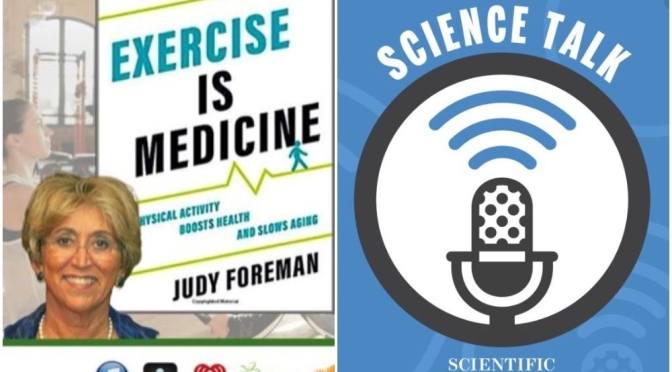
 Health journalist Judy Foreman talks about her new book Exercise Is Medicine: How Physical Activity Boosts Health and Slows Aging
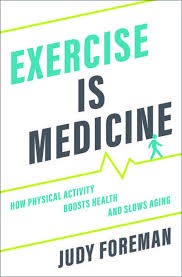 This is Scientific American’s Science Talk, posted on April 24th, 2020. I’m Steve Mirsky. And under our current, often locked-down situation, it’s still really important to try to get some exercise. Judy Foreman is the author of the new book Exercise is Medicine: How Physical Activity Boosts Health and Slows Aging. She’s a former nationally syndicated health columnist for the Boston Globe, LA times, Baltimore Sun and other places, and an author for the Oxford University Press.
 Boomers Daily