
Directed by JOHANNES OLSZEWSKI
Written by JOHANNES OLSZEWSKI & CODY CHRISTENSEN
Produced by MIRKO PROHASKA & JOHANNES OLSZEWSKI
Director of Photography FELIX REICHERT
B Camera Operator & Animation VALENTIN RAPP
Production Designer BARBARA PEISL
CAST
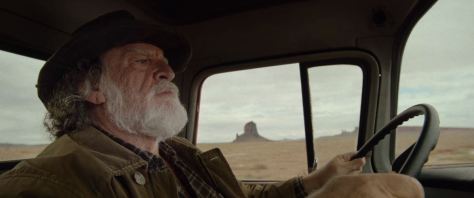
Pilot of German ballon TIM TAYLOR
Pilot of American Ballon ZACHARY BRAMBLE
Hitchhiker Girl BARBARA PEISL
Hitchhiker Boy LEVI ALLEN
CREW
Production Supervisor LISA GHIO
Production Assistant ALEXANDER SCHULZ
Property Master RONNY BIARD
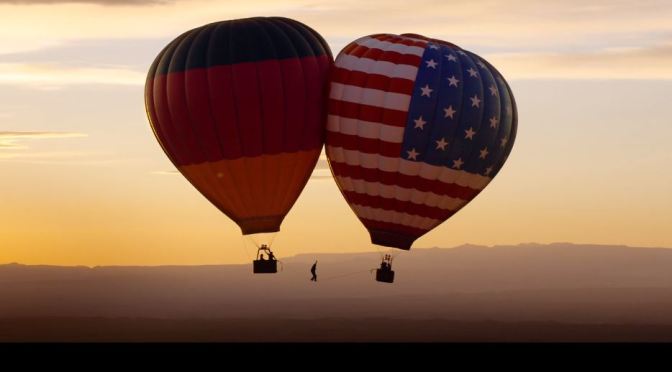
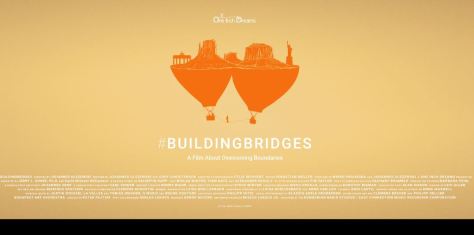
High above the sacred Navajo land of Monument Valley, two hot air balloons float, circling each other as if in a dance. One carries the German flag, the other that of the United States. A closer look reveals that the balloons are not only tethered together, but that a person is walking on this thin, connecting line.
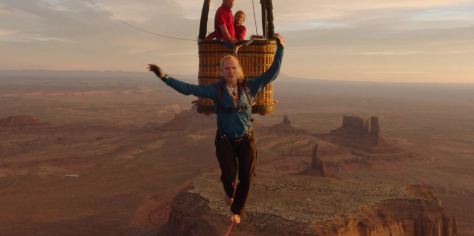
This is the sight that the protagonist of the short film #buildingbridges beholds, as he steps out of his humble Utah home and looks up at the sky. An old and lonely man, he finds his own courage through the actions of these strangers.
This balancing act in movie form by the young creative agency One Inch Dreams (oneinchdreams.com) was commissioned by the German Embassy as a tribute to German-American friendship.
watch the documentary of BuildingBridges here: vimeo.com/376121031
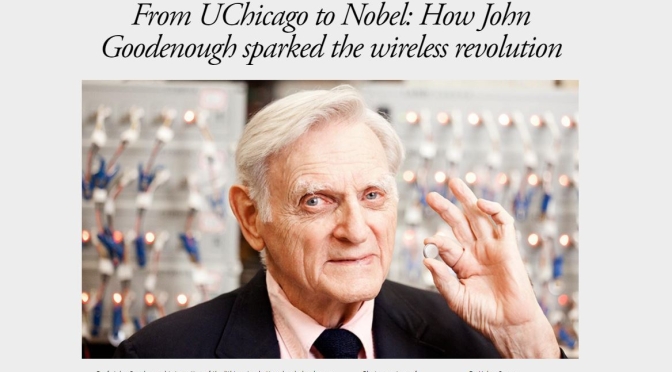
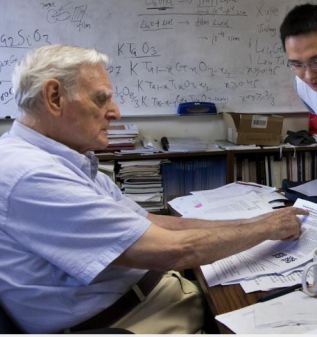 Three-quarters of a century later, at age 97, Goodenough will become the oldest person





 “This proof of concept study demonstrates a new paradigm that measurement of blood proteins can accurately deliver health information that spans across numerous medical specialties and that should be actionable for patients and their healthcare providers,” said Peter Ganz, MD, co-leader of this study and the Maurice Eliaser distinguished professor of medicine at UCSF and director of the Center of Excellence in Vascular Research at Zuckerberg San Francisco General Hospital and Trauma Center.
 The result is a testimony to the true meaning of haute couture – this car doesn’t need to impress or be flashy. It’s first and foremost superb craftsmanship, which has been married to extreme refinement. Next time you venture into Paris and notice a dark blue Eden Roc being driven by a young and elegant tattooed man, don’t hesitate to look closer and try to spot Leroy’s intricate tailor-made feathery details.
 Maxime Leroy is anything but your typical classic car collector. He is a visionary creator with a strong personality whose adult life has been devoted to showcasing feathers. He discovered the art of plumasserie at school thanks to two of his professors. At that time, the school was the last school in France dedicated to teaching this dying art. And thanks to Leroy, who now spends two days a week there teaching, it still is.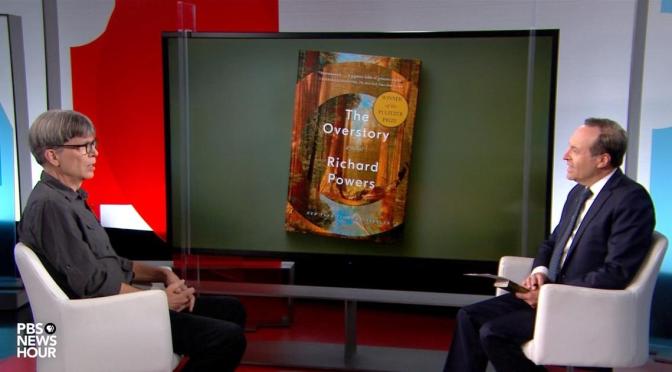
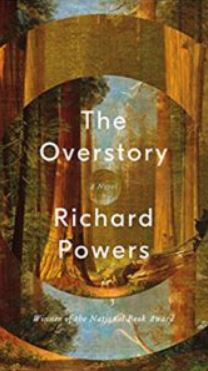 Richard Powers, author of our November pick for the NewsHour-New York Times book club, Now Read This, joins Jeffrey Brown to answer reader questions on “The Overstory,” and Jeff announces the December book selection.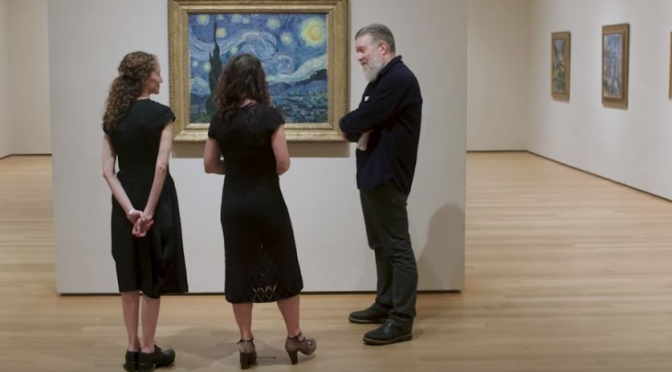
 In this episode of “The Way I See It,” Janna Levin brings her celestial expertise to Vincent van Gogh’s star-filled vision, in conversation with senior curator of Drawing and Prints Jodi Hauptman. Levin helps us see how certain
  features of the night sky, including “turbulent air,” the light from a star, and the planet Venus, are rendered visible by Van Gogh’s brush. She also points out that her approach is not so different from Van Gogh’s: “People who observe the world, whether they are artists or scientists, are always on the cusp of what they see and then what is internal.”
 Boomers Daily