

From a Becker’s Hospital Review (BHR) online release article:
10 drugs and medical devices approved by the FDA since Dec. 6:
- Enhertu is Japanese drugmaker Daiichi Sankyo’s drug designed to treat HER2-positive breast cancer.
- Padcev is Astellas Pharma’s drug designed to target specific cancer cells to treat urothelial cancers.
- Control-IQ Technology controller is Tandem Diabetes Care’s insulin device, designed to help diabetes patients tailor their treatments to their individual needs.
- Vascepa is Amarin Pharmaceuticals’ drug, a fish oil-derived pill designed to treat
 cardiovascular events.
 - EXALT Model D is Boston Scientific’s device, the first fully disposable duodenoscope, designed to reduce the risk of infections in patients treated with the device.
- Vyondys 53 is Sarepta Therapeutics’ drug designed to treat Duchenne muscular dystrophy, which the FDA had previously rejected.
- GSP Neonatal Creatine Kinase-MM kit is PerkinElmer’s device, used to detect Duchenne Muscular Dystrophy in newborns.
- Unidose liquid system is AptarGroup’s device that uses a nasal spray to treat seizures. It is the first and only nasal treatment for patients with epilepsy.
- Avsola is Amgen’s drug, a biosimilar of Johnson & Johnson’s Remicade. It is designed to treat rheumatoid arthritis, Crohn’s disease, plaque psoriasis, psoriatic arthritis and ankylosing spondylitis.
- cobas vivoDx is Roche Molecular Systems’ device, designed to diagnose MRSA hours faster than traditional tests.




 The Citroën DS is a front-engine, front-wheel-drive executive car that was manufactured and marketed by the French company Citroën from 1955 to 1975 in sedan, wagon/estate and convertible body configurations across three series/generations.
 the hydropneumatic self-levelling suspension. Citroën sold 1,455,746 examples, including 1,330,755 manufactured at the manufacturer’s Paris Quai André-Citroën production plant.

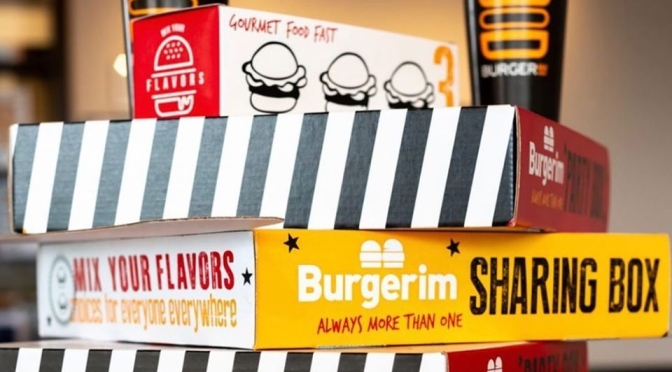
 With 11 protein options for its burgers (including salmon, lamb, falafel and dry-aged beef), two patty sizes and a host of toppings, Burgerim—which increased its unit count by nearly 250% in 2018 to become the country’s fastest-growing emerging chain—is upping the complexity of the traditional burger concept.

 Aging, Duration, and the English Novel argues that the formal disappearance of aging from the novel parallels the ideological pressure to identify as being young by repressing the process of growing old. The construction of aging as a shameful event that should be hidden – to improve one’s chances on the job market or secure a successful marriage – corresponds to the rise of the long novel, which draws upon the temporality of the body to map progress and decline onto the plots of nineteenth-century British modernity.
 Boomers Daily