

 Moncocle.com spoke with Tom Geismar, founding partner of Chermayeff & Geismar, one of the top graphic design agencies in the world and the man responsible for the marketing of Pan Am in the 1950’s, 60’s and 70’s.
From the Chermayeff & Geismar website:
 The most important aspect of the identity design for Pan Am was to suggest that the name of the airline be changed to “Pan Am” from the long and cumbersome “Pan American World Airways.” The Pan Am logotype in capitals and lower-case letters was also adopted with an accompanying world symbol.
In addition to the corporate identity, our firm designed comprehensive graphics for the airline, including a poster campaign and the menus for the inaugural flight of the Boeing 747.
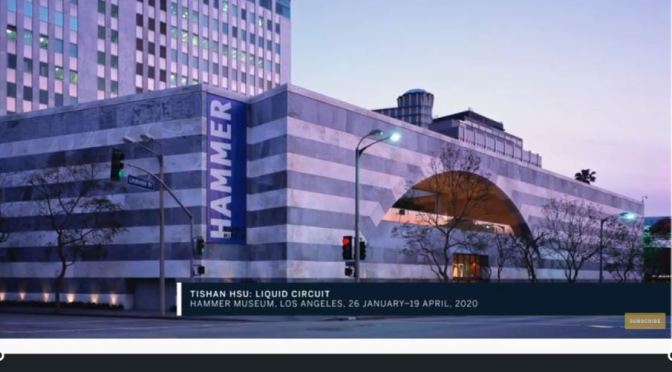

 In the house of Helios, god of the sun and mightiest of the Titans, a daughter is born. But Circe is a strange child–not powerful, like her father, nor viciously alluring like her mother. Turning to the world of mortals for companionship, she discovers that she does possess power–the power of witchcraft, which can transform rivals into monsters and menace the gods themselves.
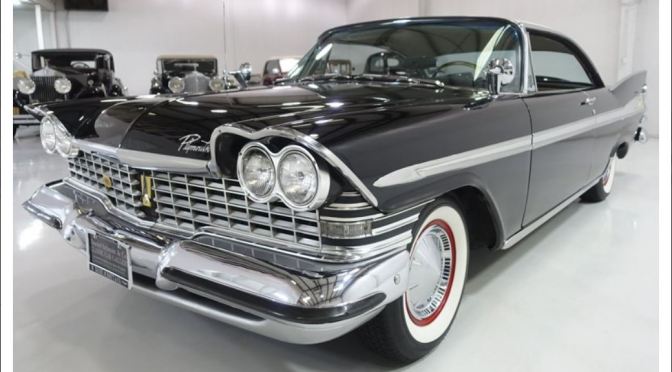
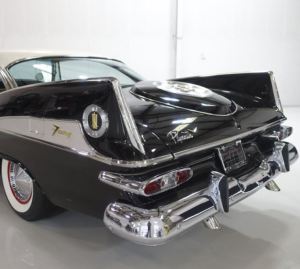 In 1959, Plymouth introduced the Sport Fury as its top model, and the Fury as its second from the top model to replace the Plymouth Belvedere at the top of the Plymouth line-up. The Fury range was now available as a four-door sedan and station wagon, as well as a two-door hardtop and sedan. The Sport Fury series had only a two-door hardtop and convertible. The Sport Fury was dropped at the end of 1959, but was reintroduced in mid-1962 and discontinued in 1971.
 The Plymouth Fury is a model of automobile which was produced by Plymouth from 1955 to 1989. It was introduced for the 1956 model year as a sub-series of the Plymouth Belvedere, becoming a separate series one level above the contemporary Belvedere for 1959. The Fury was a full-size car from 1959 to 1961, then a mid-size car from 1962 to 1964, again a full-size car from 1965 to 1974, and again a mid-size car from 1975 to 1978. From 1975 to 1977 the Fury was sold alongside the full-size Plymouth Gran Fury.

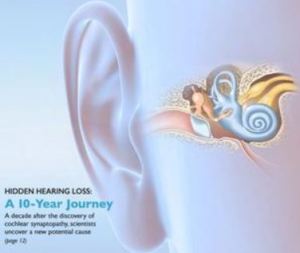 …the researchers demonstrated that the biggest drop in cognitive ability occurs at the slightest level of hearing loss — a decline from zero to the “normal” level of 25 decibels, with smaller cognitive losses occurring when hearing deficits rise from 25 to 50 decibels.



 Boomers Daily