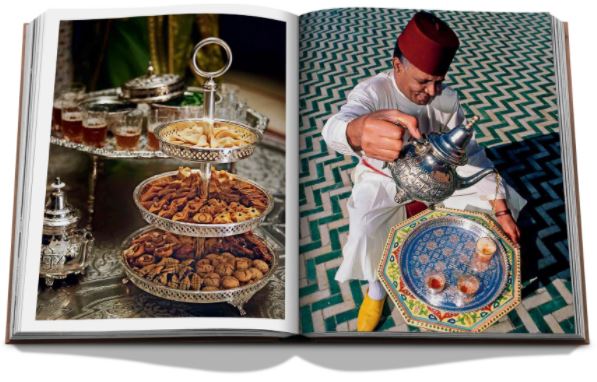
It has been said that Marrakech awakens all of the senses. Whether it is seeing the intricate zellige tilework; smelling the various spices sold at the souks; hearing the call to prayer emanate from the nearby mosques; touching the supple leather used to make a pair of babouches (leather sandals); tasting a flavorful tagine, Marrakech never fails to excite.
Located just west of the Atlas Mountains, the city has been inhabited by Berber farmers for centuries. It has been dubbed the “Ochre City” because of the proliferation of red sandstone buildings and the red city walls, which now enclose the Medina, home to Jemaa el-Fnaa, one of the busiest squares in Africa.
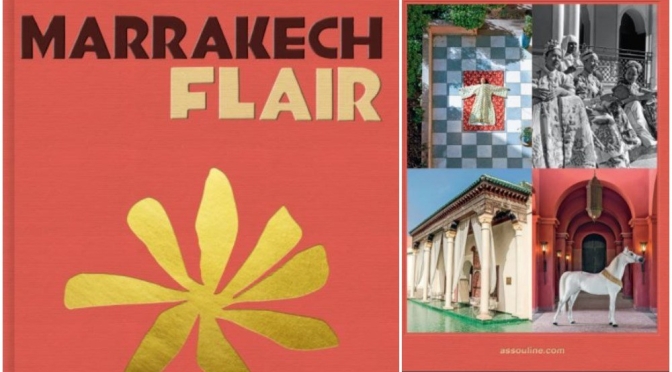
Marrakech overflows with culture and has been inspiring visitors for decades. From Yves Saint Laurent to Talitha Getty, Winston Churchill to Mick Jagger, Marrakech has attracted great icons inspired by its eternal spirit as well as its sweet, beautiful life. Yves Saint Laurent’s intimate relationship to this city lead to the opening of a museum dedicated to his legendary work.
The annual Marrakech International Film Festival draws a prominent crowd. Museums abound, exhibiting Moroccan arts, photography, carpets, and the Andalusian design aesthetic that permeates the city’s architecture. La Mamounia hotel, opened in 1923, offers a storied history, which includes hosting guests such as Winston Churchill.
Vanessa Branson’s El Fenn is a collection of traditional riads that form a stunning boutique hotel. There are countless ways to be immersed in the culture of Marrakech, but perhaps the best place to start is with a simple glass of mint tea.
Dubbed the “It Girl” by Yves Saint Laurent in the early 1970s, Marisa Berenson is the original modern muse. Berenson transitioned into acting and delivered dazzling performances in iconic films including Cabaret directed by Bob Fosse and Stanley Kubrick’s production of Barry Lyndon. She has written several books, including Moments intimes, A Life in Pictures and Elsa Schiaparelli’s Private Album. Berenson fell in love with Marrakech eight years ago and once she found the perfect riad, she decided to call it home.
Read more or purchase
















 Boomers Daily