

 Monocle’s Charlie Jermyn talks us through the rich and varied culinary delights on offer in Ireland’s second city.
Cork is the second largest city in Ireland. Located in the south-west of Ireland, in the province of Munster, since an extension to the city’s boundary in 2019, its population is c.210,000.
The city centre is an island positioned between two channels of the River Lee which meet downstream at the eastern end of the city centre, where the quays and docks along the river lead outwards towards Lough Mahon and Cork Harbour, one of the largest natural harbours in the world.
Originally a monastic settlement, Cork was expanded by Viking invaders around 915. Its charter was granted by Prince John in 1185. Cork city was once fully walled, and the remnants of the old medieval town centre can be found around South and North Main streets. The third largest city by population on the island of Ireland, the city’s cognomen of “the rebel city” originates in its support for the Yorkist cause in the Wars of the Roses. Corkonians sometimes refer to the city as “the real capital”, a reference to its opposition to the Anglo-Irish Treaty in the Irish Civil War.
 Nathan Pritikin was a college dropout who became an entrepreneur. While doing research for the government during World War II, he observed that populations that had extremely limited food availability because of the war had substantially reduced mortality from cardiovascular disease—something unexpected at a time when cardiovascular disease was thought to be due to stress.
 In this Podcast Extra, we hear from epidemiologists, genomicists and social scientists about how they’re working to tackle the coronavirus and what they’ve learned so far.
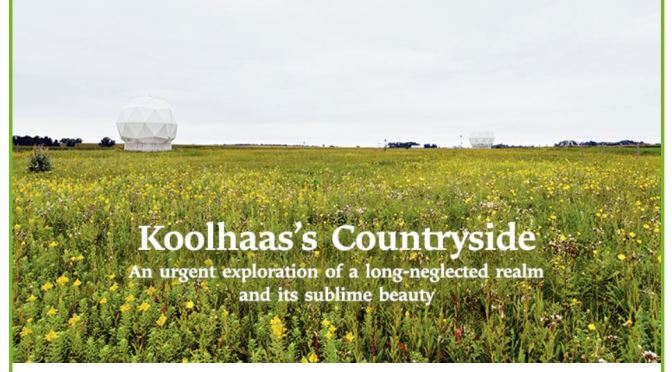
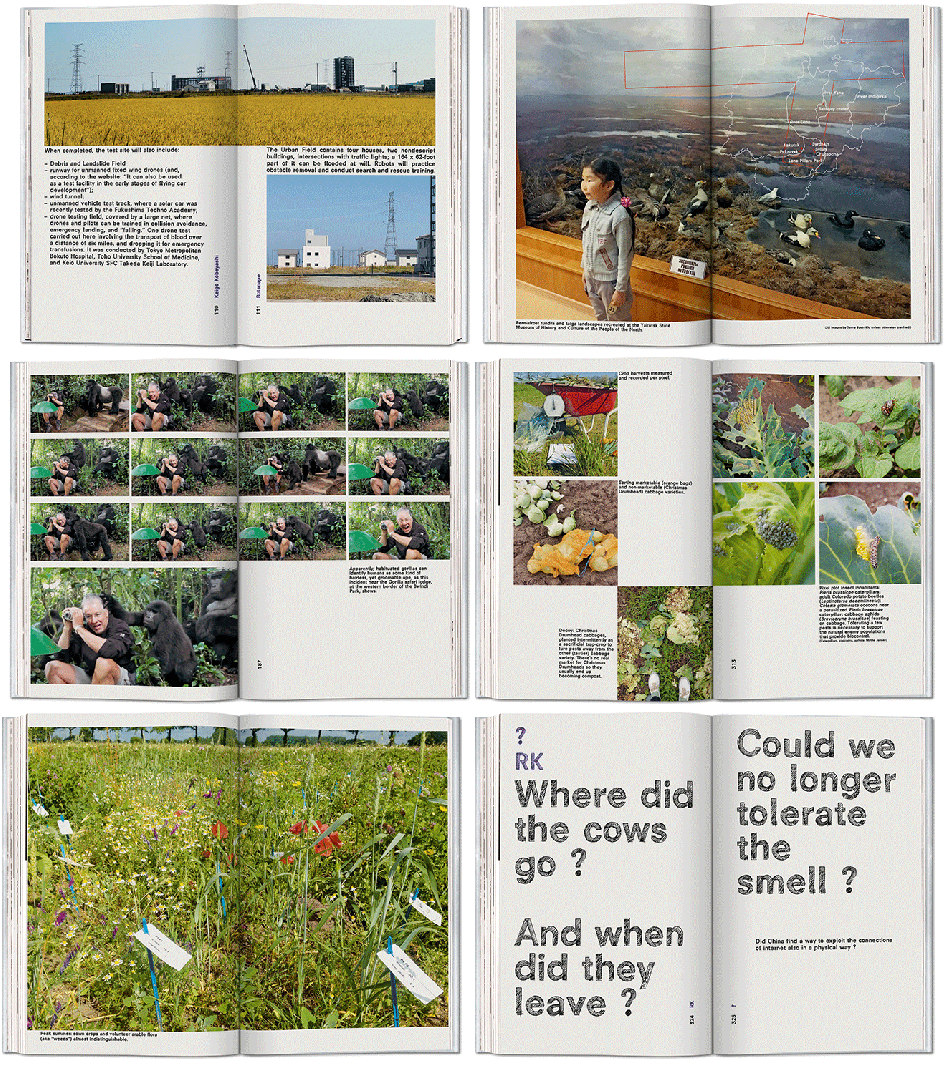
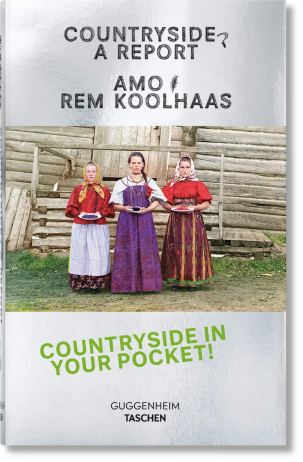 In his latest publication, Rem Koolhaas explores the rapid and often hidden transformations underway across the Earth’s vast non-urban areas.Countryside, A Report gathers travelogue essays exploring territories marked by global forces and experimentation at the edge of our consciousness: a test site near Fukushima, where the robots that will maintain Japan’s infrastructure and agriculture are tested; a greenhouse city in the Netherlands that may be the origin for the cosmology of today’s countryside; the rapidly thawing permafrost of Central Siberia, a region wrestling with the possibility of relocation; refugees populating dying villages in the German countryside and intersecting with climate change activists; habituated mountain gorillas confronting humans on ‘their’ territory in Uganda; the American Midwest, where industrial-scale farming operations are coming to grips with regenerative agriculture; and Chinese villages transformed into all-in-one factory, e-commerce stores, and fulfillment centers.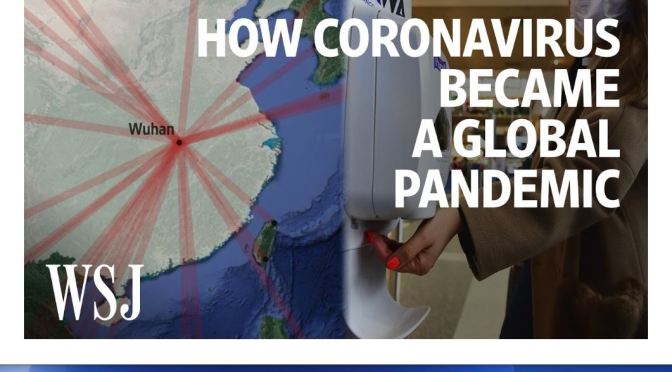
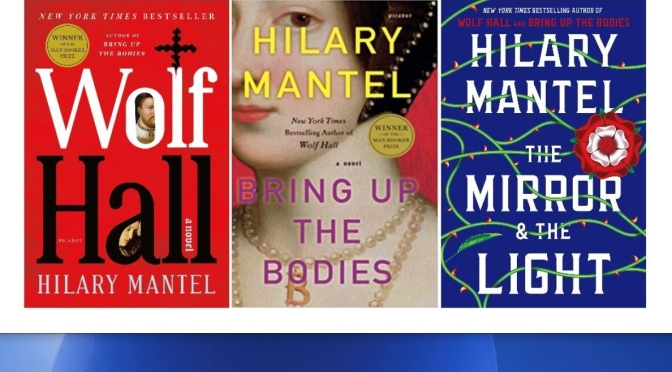
 Robert Bound, John Mitchinson and Ted Hodgkinson review the final – and rather hefty – instalment of Hilary Mantel’s Thomas Cromwell trilogy.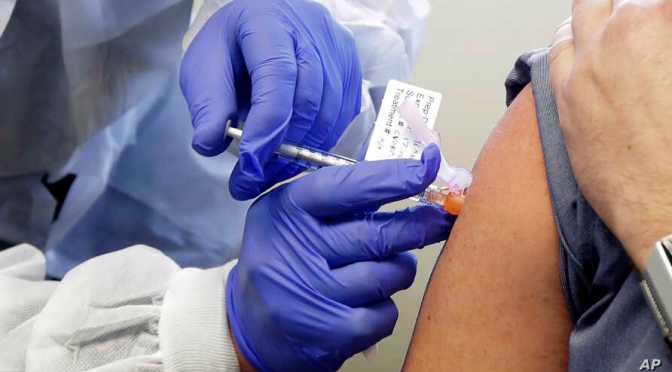
 “Finding a safe and effective vaccine to prevent infection with SARS-CoV-2 is an urgent public health priority,” said NIAID Director Anthony S. Fauci, M.D. “This Phase 1 study, launched in record speed, is an important first step toward achieving that goal.”
 A Phase 1 clinical trial evaluating an investigational vaccine designed to protect against coronavirus disease 2019 (COVID-19) has begun at Kaiser Permanente Washington Health Research Institute (KPWHRI) in Seattle. The
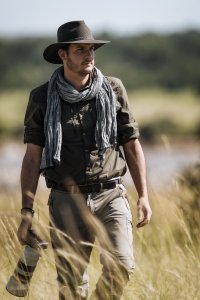 Wildlife photographers and filmmakers, have a wonderful opportunity and great responsibility to share stories about wildlife, stories that both celebrate and also raise concern around conservation issues. My tireless efforts to document and protect the few remaining areas of wilderness are fueled by true love for nature and a desire to protect what’s left. As photographers, we have the chance to put into clear focus the beauty and richness of nature which we all have a communal responsibility to protect. But there is always more we can do.
 Boomers Daily