Tag Archives: Studies

Digital Health: Americans Open To 24/7 Monitoring Devices, AI Technology To Lower Health Care Costs

Center for the Digital Future at USC Annenberg (Feb 19, 2020):

Center for a Digital Future USCMany Americans are willing to make significant personal tradeoffs to lower their health insurance rates or medical costs, such as agreeing to 24/7 personal monitoring or working with artificial intelligence instead of a human doctor, the Center for the Digital Future at the USC Annenberg School for Communication and Journalism finds.

Among the study’s findings:

  • Nearly 1 in 4 Americans (24%) would work with an artificial intelligence-based technology if it lowered the cost of their health care.
  • Most Americans (80%) think that access to health care is a basic right that should be available to all citizens regardless of their ability to pay. This is a view shared even by a majority of citizens who identify themselves as very conservative (56%).
  • Significant percentages of Americans are willing to make profound lifestyle choices in exchange for lower insurance rates. For example, one-third of Americans would agree to 24/7 personal monitoring by insurance companies or health care professionals if their insurance rates were reduced.
  • Twenty-one percent of Americans said they would stay in their current job if leaving it meant losing their current health coverage.
  • Almost all Americans say health care is a key issue in the 2020 presidential election (92%).
  • Even though Americans say they are satisfied with their current health insurance, they are open to alternatives. Thirty percent of Americans would consider buying health coverage from any company that offers lower costs, including a variety of non-insurance companies such as Amazon, Google, or Costco.
Read more

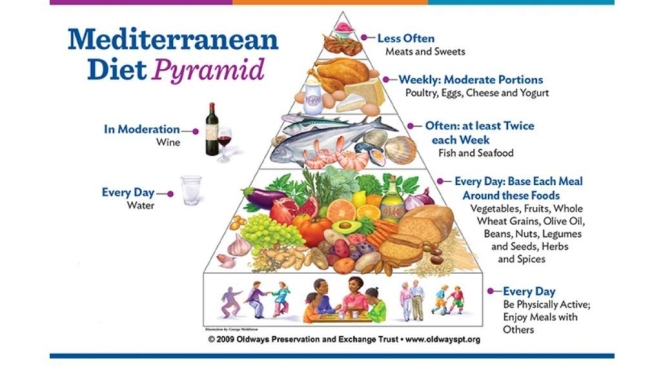
Study: “Med-Diet” Alters Gut Microbiota, Lowers Frailty & Inflammation, Improves Cognition (BMJ)

From BMJ Journal “Gut” study (February 17, 2020):

BMJ Journal GUT Februrary 2020We observed that increased adherence to the MedDiet modulates specific components of the gut microbiota that were associated with a reduction in risk of frailty, improved cognitive function and reduced inflammatory status.


Objective Ageing is accompanied by deterioration of multiple bodily functions and inflammation, which collectively contribute to frailty. We and others have shown that frailty co-varies with alterations in the gut microbiota in a manner accelerated by consumption of a restricted diversity diet. The Mediterranean diet (MedDiet) is associated with health. In the NU-AGE project, we investigated if a 1-year MedDiet intervention could alter the gut microbiota and reduce frailty.

Design We profiled the gut microbiota in 612 non-frail or pre-frail subjects across five European countries (UK, France, Netherlands, Italy and Poland) before and after the administration of a 12-month long MedDiet intervention tailored to elderly subjects (NU-AGE diet).

Results Adherence to the diet was associated with specific microbiome alterations. Taxa enriched by adherence to the diet were positively associated with several markers of lower frailty and improved cognitive function, and negatively associated with inflammatory markers including C-reactive protein and interleukin-17. Analysis of the inferred microbial metabolite profiles indicated that the diet-modulated microbiome change was associated with an increase in short/branch chained fatty acid production and lower production of secondary bile acids, p-cresols, ethanol and carbon dioxide. Microbiome ecosystem network analysis showed that the bacterial taxa that responded positively to the MedDiet intervention occupy keystone interaction positions, whereas frailty-associated taxa are peripheral in the networks.

Conclusion Collectively, our findings support the feasibility of improving the habitual diet to modulate the gut microbiota which in turn has the potential to promote healthier ageing.

Read full study

Study: Added Sugars In Diet Lowers Sleep Quality For Women, Increasing Heart Disease Risks (AHA)

Journal of the American Heart Association study (Feb 17, 2020):

American Heart Association AHA logoThe association between poor overall sleep quality and greater consumption of added sugars observed in the current study aligns with previous findings that intakes of confectionary and sugar‐sweetened beverages were higher in middle‐aged Japanese women reporting poor, compared with good, sleep quality.


Background – Poor sleep increases cardiovascular disease risk, and diet likely contributes to this relationship. However, there are limited epidemiological data on the relationship between measures of sleep quality and habitual dietary patterns. This study examined these associations in a diverse sample of women.

Both short sleep duration and poor sleep quality are associated with the development of obesity, type 2 diabetes mellitus, and cardiovascular disease (CVD), and it is likely that the relationship between sleep and cardiometabolic disease risk is partially mediated by diet.5 Indeed, experimental studies demonstrate that restricting sleep duration leads to increases in energy intake, confirming associations of short sleep with higher energy intakes in observational population‐based studies.

Read full study

Health Studies: High Milk & Dairy Consumption Not Related To Lower Heart Disease, Diabetes (NEJM)

From the New England Journal of Medicine (February 13, 2020):

Milk and Dairy Product Health NEJMIn our opinion, the current recommendation to greatly increase consumption of dairy foods to 3 or more servings per day does not appear to be justified…When consumption of milk is low, the two nutrients of primary concern, calcium and vitamin D (which is of particular concern at higher latitudes), be obtained from other foods or supplements without the potential negative consequences of dairy foods.

For calcium, alternative dietary sources include kale, broccoli, tofu, nuts, beans, and fortified orange juice for vitamin D, supplements can provide adequate intake at far lower cost than fortified milk. Pending additional research, guidelines for milk and equivalent dairy foods ideally should designate an acceptable intake (such as 0 to 2 servings per day for adults), deemphasize reduced-fat milk as preferable to whole milk, and discourage consumption of sugar-sweetened dairy foods in populations with high rates of overweight and obesity.

For adults, the overall evidence does not support high dairy consumption for reduction of fractures, which has been a primary justification for current U.S. recommendations. Moreover, total dairy consumption has not been clearly related to weight control or to risks of diabetes and cardiovascular disease. High consumption of dairy foods is likely to increase the risks of prostate cancer and possibly endometrial cancer but reduce the risk of colorectal cancer.

Read full article

Study: 20% Of Surgery Patients Get “Surprise” Out-Of-Network Bills Averaging Over $2000

From a JAMA Network online study (February 11, 2020):

JAMA Network NewsIn this analysis of commercially insured patients who had undergone elective surgery with an in-network surgeon at an in-network facility, approximately 1 in 5 received an out-of-network bill, with a mean potential balance bill of $2011.

In this retrospective analysis of 347 356 surgical episodes among commercially insured patients who had undergone elective surgery with in-network primary surgeons and facilities, 20% of episodes involved out-of-network charges.

The patterns of out-of-network bills varied with the clinical scenario. Simpler ambulatory procedures that tend to involve 1 surgeon (arthroscopic meniscal repair, breast lumpectomy) had fewer out-of-network bills (13%-15% of cases), whereas inpatient procedures (hysterectomy, knee replacement, colectomy, CABG surgery) had more frequent out-of-network bills (24%-33% of cases). These more complex procedures were also associated with larger potential balance bills, in the range of $2000 to $4000.

Read full study

Podcast: “Intermittent Fasting” Study Author Mark P. Mattson MD On Diet’s Health Benefits

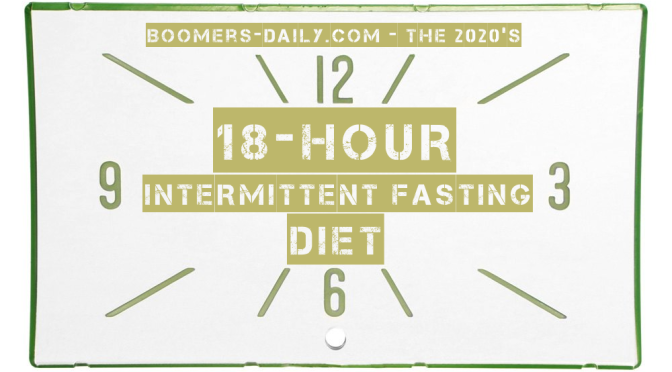
NEJM Journal WatchIntermittent fasting has salutary effects. Listen how Dr. Mark P. Mattson, co-author of a recent NEJM review on the topic, assesses the practice — and how he’s managed to skip breakfast for the past 30 years or so.

Evidence is accumulating that eating in a 6-hour period and fasting for 18 hours can trigger a metabolic switch from glucose-based to ketone-based energy, with increased stress resistance, increased longevity, and a decreased incidence of diseases, including cancer and obesity.

Inline image

Read article on study

Sleep Studies: Even Low-Levels Of Light At Night Causes Diabetes In Elderly

From a Sleep Medicine online release (January 2020):

Sleep Medicine January 2020Our findings suggest that LAN (low-level light at night) exposure increases the incidence of diabetes in a general elderly population. Further research involving a large cohort with new-onset diabetes is warranted to elucidate these findings.

Highlights

  • Humans are commonly exposed to light at night.
  • Higher light exposure at night was significantly associated with higher incidence rate of diabetes.
  • The association was consistent in the analysis using the cut-off values of LAN as 3 and 5 lux.
  • Strengths include large samples adjusting a number of confounders.

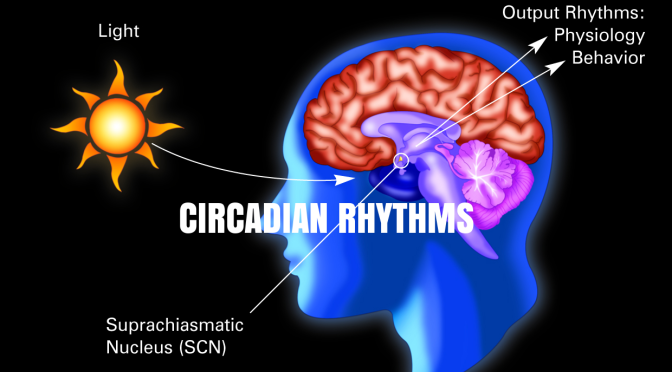
The circadian timing system, located within the suprachiasmatic nucleus of the hypothalamus, controls fundamental energy homeostasis. Clock gene mutations induce obesity in mice, and the disruption of internal circadian rhythms decreases daily energy expenditures and leptin levels in humans. Light information received by the brain influences human circadian timing and metabolism; low-level light at night (LAN) significantly increased body mass and led to prediabetes in mice. In humans, bedroom LAN affected obesity parameters; however, the association between LAN and the incidence of diabetes in humans has not been studied.

Read more

Studies: Steep Increase In “Early-Onset Colorectal Cancer”; First Screening At Age 45 Suggested (JAMA)

From a JAMA Network Open online release (Jan 31, 2020):

JAMA Network OPEN LogoSteep incidence increases between 49 and 50 years of age are consistent with previously undetected colorectal cancers diagnosed via screening uptake at 50 years. These cancers are not reflected in observed rates of colorectal cancer in the SEER registries among individuals younger than 50 years. Hence, using observed incidence rates from 45 to 49 years of age alone to assess potential outcomes of earlier screening may underestimate cancer prevention benefits.
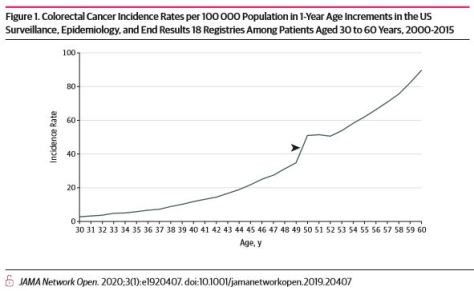
Colorectal Cancer Incidence Rates per 100000 30 - 60 Years of age 2000-2016 JAMA

Early-onset colorectal cancer (EOCRC) incidence rates are increasing, and controversy exists regarding whether average-risk screening should begin at 45 or 50 years of age.1 In 2018, the American Cancer Society recommended that average-risk screening start at 45 years of age.2 Others recommend screening at 50 years of age, although the US Multi-Society Task Force on Colorectal Cancer recommends screening African American individuals at age 45 years of age owing to higher incidence, mortality, and earlier-onset disease.36 The American Cancer Society decision incorporated modeling studies that used updated incidence and mortality data encompassing time periods of increasing EOCRC incidence rates; modeling compared life-years gained by initiating screening at 45 vs 50 years.

Read full article

Dementia: Antioxidant “Flavonols” From Fruits & Vegetables Lower Alzheimer’s Risk By 48%

From a Rush University Medical Center online article:

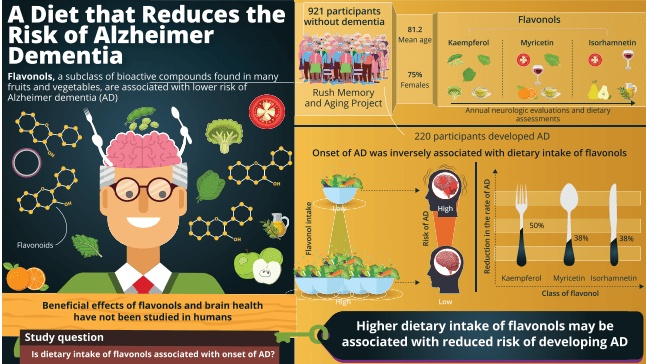
The study found that participants in the group with the highest flavonol consumption were 48% less likely to develop Alzheimer’s dementia later on in life than participants with the lowest level. Of the 186 people in the highest group, 28 people, or 15%, developed Alzheimer’s dementia, compared to 54 people, or 30%, of the 182 people in the lowest group.

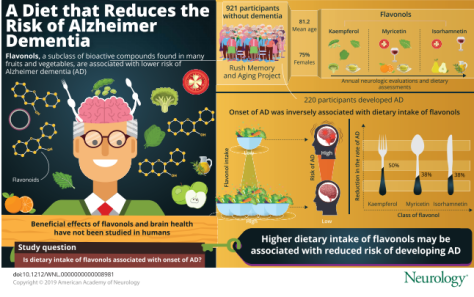
flavonols infographic Neurology Journal January 29 2020

People who eat or drink more foods with flavonol, which is found in nearly all fruits and vegetables, plus tea and wine, may be less likely to develop Alzheimer’s dementia, according to the Rush researchers. They published the results of their study in the Jan. 29 online issue of Neurology.

Flavonols are a type of flavonoid, a group of phytochemicals found in plant pigments. They are known for their beneficial effects on health due to their antioxidant and anti-inflammatory properties.

A total of 921 people with an average age of 81 participated in the Neurology study. These participants did not have Alzheimer’s dementia when starting the study.

Read more

Studies: Irregular Sleep Disrupts Pancreatic “Circadian Rhythms”, Leading To Type 2 Diabetes

From a Technology Networks online article:

Technology NetworksBy comparing the pancreatic cells of type 2 diabetic human donors with those of healthy people, researchers at the University of Geneva (UNIGE) and at the University Hospitals of Geneva (HUG), Switzerland, were able to demonstrate, for the first time, that the pancreatic islet cells derived from the Type 2 Diabetic human donors bear compromised circadian oscillators.
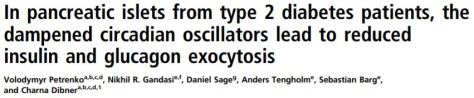
The disruption of the circadian clocks was concomitant with the perturbation of hormone secretion. Moreover, using clock modulator molecule dubbed Nobiletin, extracted from lemon peel, the researchers succeeded in “repairing” the disrupted cellular clocks and in partial restoring of the islet cell function. These results, published in the Proceedings of the National Academy of Sciences of the United States, provide a first insight into innovative approach for diabetes care.

PNAS Pancreatic Islets from type 2 diabetes

Read full study

The circadian clock system (from Latin “circa diem”, about a day) allows the organisms to anticipate periodical changes of geophysical time, and to adjust to these changes. Nearly all the cells in our body comprise molecular clocks that regulate and synchronize metabolic functions to a 24-hour cycle of day-night changes.

Today, increasing evidence show that disturbances in our internal clocks stemming from frequent time zone changes, irregular working schedules or ageing, have a significant impact on the development of metabolic diseases in human beings, including type-2 diabetes. Such disturbances seem to prevent the proper functioning of the cells in the pancreatic islet that secrete insulin and glucagon, the hormones that regulate blood sugar levels.

To read more