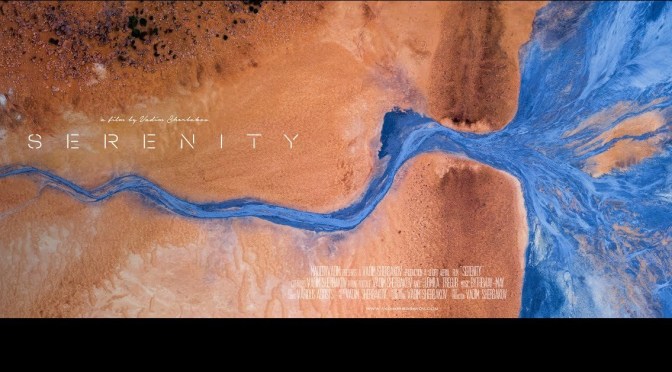
“Serenity” is a non-narrative short drone film, produced with the unique camera angle, facing straight down at -90º at the wonderful texture of earth landscapes. Because of this and the subjects it captures, you can watch this film both horizontally or vertically. Here is a horizontal version, but you can see the vertical one, on my Instagram or IGTV.
The film itself is a 3 minutes blend of total tranquility and calmness that allows you to escape reality for just a short while. Shot in different places on earth such as Iceland, Norway, Spain, Portugal, Belarus and Russia, it shows the unique and gorgeous landscape at an unusual angle. So bring up the volume or put on headphones and immerse in it.
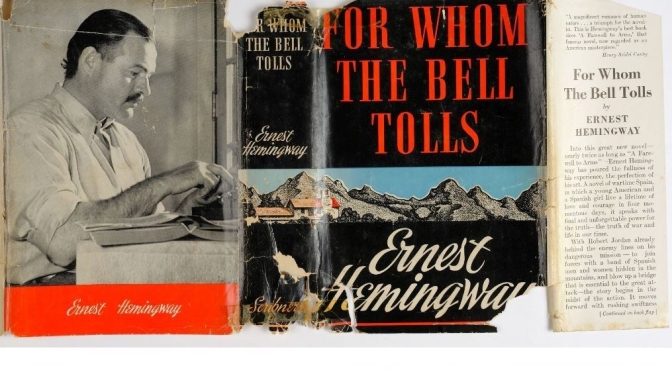
The first three chapters of Ernest Hemingway’s classic novel.
For Whom the Bell Tolls is a novel by Ernest Hemingway published in 1940. It tells the story of Robert Jordan, a young American volunteer attached to a Republican guerrilla unit during the Spanish Civil War. As a dynamiter, he is assigned to blow up a bridge during an attack on the city of Segovia.
It was published just after the end of the Spanish Civil War (1936–1939), whose general lines were well known at the time. It assumes the reader knows that the war was between a democratically elected, pro-working-class and anti-Catholic government, supported by the Soviet Union, which many foreigners like Robert went to Spain to help, and a successful, dictatorial, Catholic, pro-landowner revolt, supported by Nazi Germany and Fascist Italy. It was commonly viewed as the dress rehearsal for the Second World War. In 1940, the year the book was published, the United States had not yet entered the war, which had begun on Sept. 1, 1939, with Nazi Germany’s invasion of Poland.
The novel is regarded as one of Hemingway’s best works, along with The Sun Also Rises, A Farewell to Arms, and The Old Man and the Sea.
Ernest Miller Hemingway (July 21, 1899 – July 2, 1961) was an American journalist, novelist, short-story writer, and sportsman. His economical and understated style—which he termed the iceberg theory—had a strong influence on 20th-century fiction, while his adventurous lifestyle and his public image brought him admiration from later generations. Hemingway produced most of his work between the mid-1920s and the mid-1950s, and he won the Nobel Prize in Literature in 1954. He published seven novels, six short-story collections, and two nonfiction works. Three of his novels, four short-story collections, and three nonfiction works were published posthumously. Many of his works are considered classics of American literature.
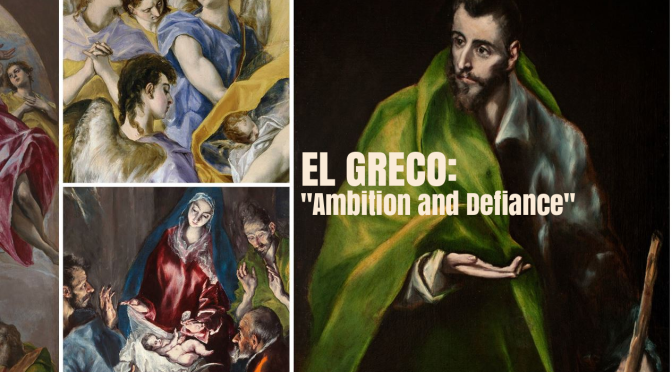
Explore the exhibition “El Greco: Ambition and Defiance” with curator Rebecca Long and research associate Jena Carvana. Follow along as they lead you through the galleries and share some of the reasons El Greco and his work continue to fascinate us.
Excerpts from a Christie’s online article (Feb 28, 2020):
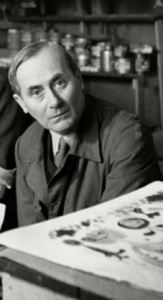
Joan Miró
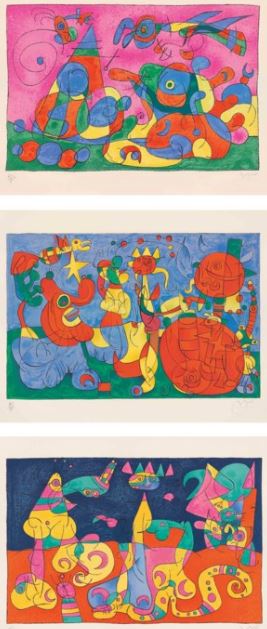
Like Pablo Picasso, his compatriot and peer, Miró had an unwavering commitment to printmaking. Also like Picasso, he created more than 2,000 works in the medium. It’s often said that Miró’s fondness for calligraphic lines — such a distinctive feature of his paintings — lent itself naturally to graphic work.
‘In terms of both the quality and quantity of his output, Joan Miró was one of the most important printmakers of the 20th century,’ says Murray Macaulay, Head of Prints at Christie’s in London.
The son of a watchmaker, Joan Miró was born in Barcelona in 1893. He moved to Paris in the early 1920s and soon joined the Surrealist movement. He also befriended a host of avant-garde writers, such as Max Jacob, Tristan Tzara, Antonin Artaud, André Breton and Paul Eluard.
The first prints Miró ever made were illustrations for Tzara’s 1930 book of poems, L’arbre des Voyageurs. Literary sources would prove to be a constant inspiration for him, with notable examples including Alfred Jarry’s play, Ubu Roi; Stephen Spender’s poem, Fraternity; and the mystic, medieval text, Canticle of the Sun, by St Francis of Assisi.
While We All Know That You Shouldn’t Judge a Book by Its Cover, This is One Case in Which Evaluating Something on Its Appearance is Not Only Accepted, but Encouraged, These Libraries Are Known for Noteworthy Exteriors—think Soaring Architecture With Inspiring Interiors, and That’s Nothing Compared to the Millions of Books Housed Within Their Walls. So Whether You’re a Bookworm or an Architecture Lover, Start Adding These Beautiful Libraries to Your Must-visit List.
The Library of El Escorial, San Lorenzo De El Escorial, Spain Not Only is This Spanish Library a Work of Art, It’s Also Part of a Unesco World Heritage Site. Originally Commissioned by King Philip II, the Library’s Most Dazzling Feature is a Series of Seven Frescoes That Depict the Liberal Arts (Music, Rhetoric, Astronomy, and So on). The Town of San Lorenzo De El Escorial, Which is About 45 Minutes Outside of Madrid, Has Long Been a Favorite of Spanish Royals, and There’s Plenty More to See Here Beyond the Library, Including a Monastery, Gardens, and the Pantheons of Former Princes and Kings.
Austrian National Library, Vienna, Austria The Austrian National Library is the Largest Library in Austria, With More Than 12 Million Items in Its Various Collections. The Library is Located in the Neue Burg Wing of the Hofburg in Center of Vienna, One of the Austrian National Library’s Most Jaw-dropping Features is the Huge Fresco on the Ceiling, Which Was Created by Painter Daniel Gran. The Dome is Also Decorated With Statues by Sculptor Paul Strudel That Pay Tribute to the Habsburg Rulers, Among the Exhibits Are Two Exquisite Venetian Baroque Globes: One for the Earth and One for the Sky, Each With a Diameter of More Than One Meter.
George Peabody Library, Baltimore, Maryland The George Peabody Library (Part of Johns Hopkins University) Contains Over 300,000 Volumes Stacked in Five Decorative Tiers. The Books Are Impressive, Sure, but the Cathedral Like-atrium, Marble Floors, and Wrought-iron Details Are the Main Draw Here. Is It Any Wonder the Library Has Become One of the Most Popular Wedding Venues in Baltimore?
Strahov Monastery Library, Prague, Czech Republic The Strahov Monastery in Prague Was Originally Founded in 1143. Despite Wars, Fires, and Other Disasters, the Order Endured and Built Its Library in 1679. The Library’s Best-known Features Are Its Remarkable Ceiling, Which is Covered in Biblical Frescoes, and the “Compilation Wheel” That Can Turn and Rotate Shelves in Order to Make Books Easier to Find Without Knocking Any of Them Over.
Library of Alexandria (Bibliotheca Alexandrina), Egypt Alexandria Was Once Home to the Most Famous Library in the World. Now, Egypt Pays Homage to Its Biblio-heritage With This Sleek Granite Building. The Circular Structure, Designed by Norwegian Firm Snøhetta, is Covered in Carvings Done by Local Artists and Sits Next to a Large Reflecting Pool. Although There Are Plenty of Books in Three Languages (Arabic, French, and English), There Are Also Museums, a Planetarium, and a Lab Dedicated to Restoring and Preserving Ancient Manuscripts.
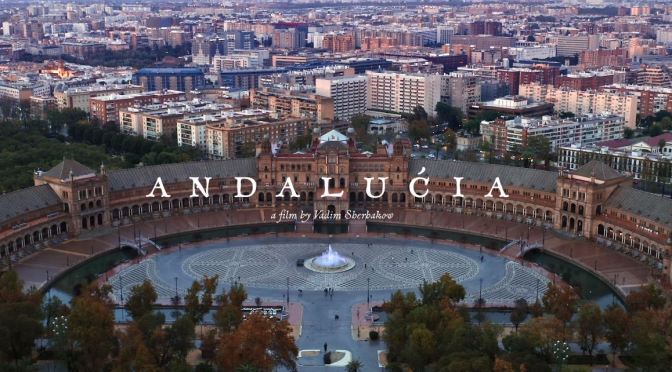
Andalućia is a non-narrative, short, architectural film, showcasing amazing autonomous community in southern Spain.
Andalusia is a unique region with a fantastic blend of architectural marvels. The whole region is filled with a mix of fantastic buildings, reminiscence of the turbulent history of that area. From Carthaginians and Romans, Moors and Byzantine empire to Christian civilisation. These unique historical intricacies play a vital role in establishing the one and only rare visual identity of this region.
Shot in 4 major cities of Andalucia – Seville, Cordoba, Granada, Marbella, and also in Ronda, Mijas, Nerja and Setenil de las Bodegas, this short film showing just a mere drop of many marvelous exteriors and interiors that Andalucia has to offer.
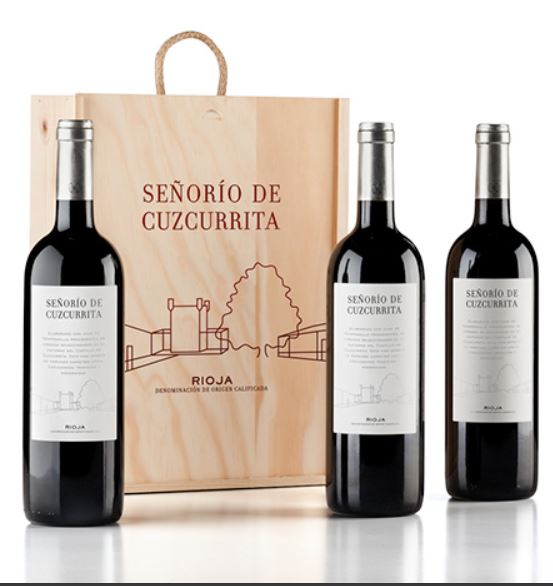
This Spanish region is home to many large-scale producers, but at Castillo de Cuzcurrita things are done differently. Vintner Ana Martin Onzain unveils how their aged wines – grown and made exclusively in this small village – bring people together.
HISTORY: Little is known of its history of Cuzcurrita prior to the 14th century. On 15 November 1367, King Enrique II of Castile rewarded the Alcalde Mayor of the Hijosdalgo of Castile, Juan Martínez de Rojas by granting him the title of Feudal Lord of Cuzcurrita with all its lands and rights.
In the 16th century, during the reign of Philip II, the 9th Lord of Cuzcurrita, Pedro Velasco, bastard son of Bernardino de Velasco and the wife of Pedro Suárez de Figueroa, established the entailed estate by marrying Marta de Rojas y Osorio, carving his coat of arms over the entrance to the castle.The fortress, which had been erected by the Suárez Figeroa family between the 14th and 15th centuries, remained in the hands of the Velasco-Rojas family until the last century, subsequently passing through various hands until it was bought by the Sáinz de Incháustegui family, Counts of Alacha, in 1947, who went on to restore it and make it their family home.
Within the irregular square floor plan of this fortress stands the keep, one of the most characteristic of its kind in La Rioja due to the harmony of its dimensions and its few arched openings. This square tower rises from right in the middle of the castle with small, rectangular openings.
This major exhibition charts the career of the artist known simply as El Greco. Over 57 works from across the world trace not only the development of his distinctive style but also the astounding ambition that drove him to relentlessly pursue success.
Born in Crete as Domenikos Theotokopoulos (1541–1614), El Greco trained in the traditional manner of Byzantine icon painting. He moved to Venice in 1567 to learn a new artistic approach, absorbing developments in Venetian Renaissance painting through the lens of artists such as Titian and Tintoretto. The works El Greco painted during his time in Venice, however, reveal both his embrace of and struggles to fully adapt to this manner of painting.
Following this transformative period, El Greco went to Rome, probably in an attempt to attract patronage within the papal circle. There his acceptance into the elevated circle of Cardinal Alessandro Farnese brought a close association with the painter Giulio Clovio and the erudite historian and collector Fulvio Orsini. El Greco’s portraits, allegories, and religious paintings between 1570 and 1577 reflect these relationships as well as his complicated engagement with Michelangelo and other artistic luminaries of the 16th century.
Raw. Mineral. Bewitchingly. These three words describe perfectly the atmosphere that we could feel on Lanzarote in the Canary archipelago off the coast of Morocco.
Far from the crowd that can be everywhere on Lanzarote (sometimes), we have found preserved and totally uninhabited places there. It’s this side that we wanted to explore. The soul of its landscapes, of this volcanic lands, between dark rock, stormy ocean and wonderful nature.
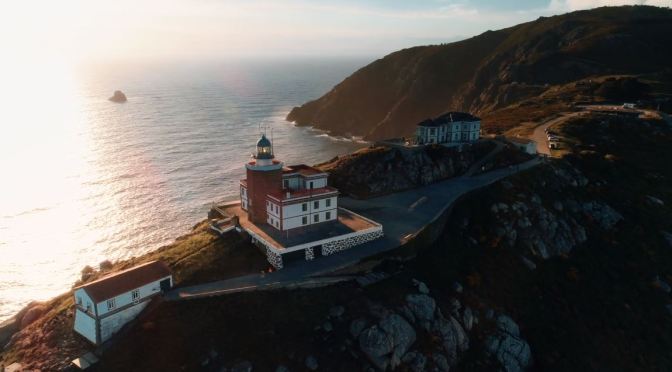
Galicia, an autonomous community in Spain’s northwest, is a verdant region with an Atlantic coastline. The cathedral of regional capital Santiago de Compostela is the reputed burial place of the biblical apostle Saint James the Great, and the destination for those following the Camino de Santiago pilgrimage route. The western cliffs of Cape Finisterre were considered by the Romans to be the end of the known world.
Another stunnig place in this video is the beautiful Praia Mar de Fóra beach, the Cascada del Ezaro waterfall or the Beach of Cathedrals – a spectacular example of the raw power of nature! Natural arches, some as high as 30 metres and cave systems have all been formed by the Cantabrian Sea.


 Explore the exhibition “El Greco: Ambition and Defiance” with curator Rebecca Long and research associate Jena Carvana. Follow along as they lead you through the galleries and share some of the reasons El Greco and his work continue to fascinate us.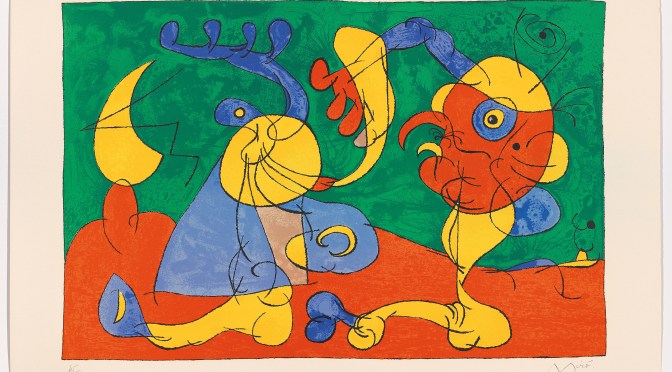
 The son of a watchmaker, Joan Miró was born in Barcelona in 1893. He moved to Paris in the early 1920s and soon joined the Surrealist movement. He also befriended a host of avant-garde writers, such as Max Jacob, Tristan Tzara, Antonin Artaud, André Breton and Paul Eluard.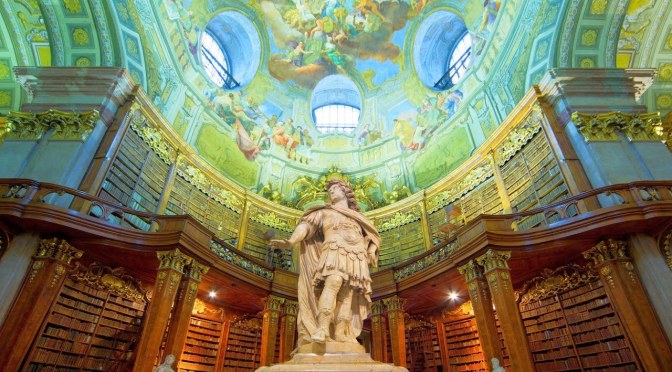
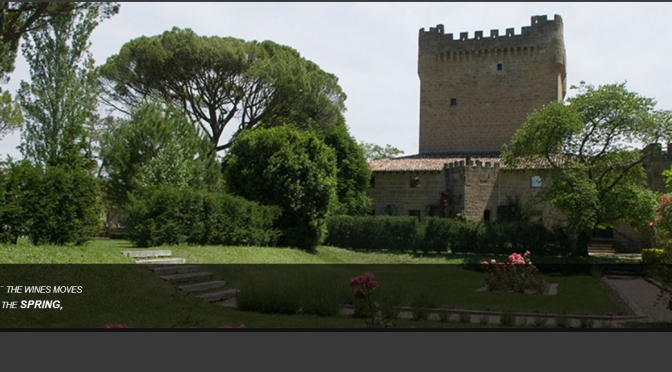
 This Spanish region is home to many large-scale producers, but at Castillo de Cuzcurrita things are done differently. Vintner Ana Martin Onzain unveils how their aged wines – grown and made exclusively in this small village – bring people together.
 HISTORY: Little is known of its history of Cuzcurrita prior to the 14th century. On 15 November 1367, King Enrique II of Castile rewarded the Alcalde Mayor of the Hijosdalgo of Castile, Juan Martínez de Rojas by granting him the title of Feudal Lord of Cuzcurrita with all its lands and rights.
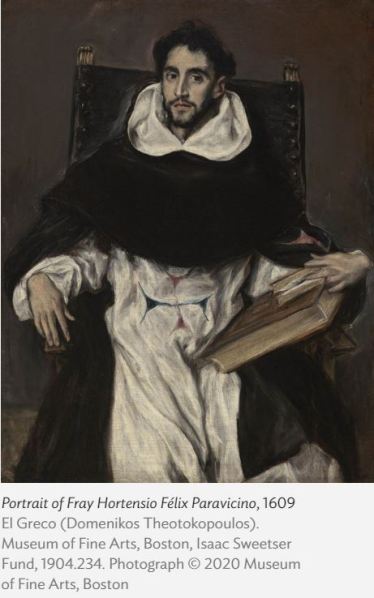 Born in Crete as Domenikos Theotokopoulos (1541–1614), El Greco trained in the traditional manner of Byzantine icon painting. He moved to Venice in 1567 to learn a new artistic approach, absorbing developments in Venetian Renaissance painting through the lens of artists such as Titian and Tintoretto. The works El Greco painted during his time in Venice, however, reveal both his embrace of and struggles to fully adapt to this manner of painting.
 Following this transformative period, El Greco went to Rome, probably in an attempt to attract patronage within the papal circle. There his acceptance into the elevated circle of Cardinal Alessandro Farnese brought a close association with the painter Giulio Clovio and the erudite historian and collector Fulvio Orsini. El Greco’s portraits, allegories, and religious paintings between 1570 and 1577 reflect these relationships as well as his complicated engagement with Michelangelo and other artistic luminaries of the 16th century.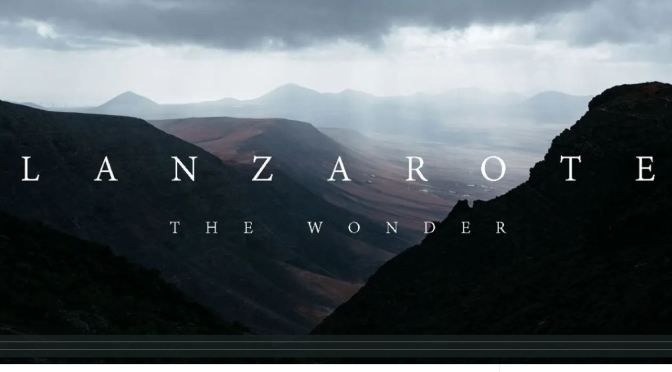
 Boomers Daily