
On May 22nd (1930), Battista “Pinin” Farina founded Carrozzeria Pinin Farina in Turin. The company was designed to build special car bodies for individual customers or in small production runs. The Corso Trapani plant had 150 employees on a covered area of 9250 square meters. In June, the following news appeared on an automobile periodical: “And now the popular nickname “Pinin” used by the whole of the Turin motoring world when talking about Battista Farina, was officially about to become used throughout the country, as a result of the recent Company changes which led to the founding of S.A. Carrozzeria Pinin Farina“. At the Paris Motor Show Pinin Farina exhibited Lancia, Alfa Romeo, Isotta-Fraschini and Fiat cars. The Lancia Dilambda, the first official Pinin Farina special, appeared at the 1931 Concours d’Elegance at Villa d’Este. His first accomplishments in the 1930’s included the Hispano Suiza Coupé and the Fiat 518 Ardita.
In the Thirties the car was a good that was reserved for a minor élite, almost a plaything for a narrow circle of bold, blasé youngsters. Yet Pinin felt sure that these unlikely, noisy jalopies, which also happened to be expensive, would change quickly to become outstanding and entirely respectable tools of individual mobility. One of the early ads says: “Luxury and grand luxury cars”. Cars were destined to ruling houses, diplomats, maharajahs and even some Middle East sheiks who were beginning to collect some of the first oil royalties, for actors and actresses, more foreigners than Italians. Pinin wrote: “In September I sold a Dilambda spider cabriolet to the Queen of Romania, I began to have some of the nobility amongst my customers”.
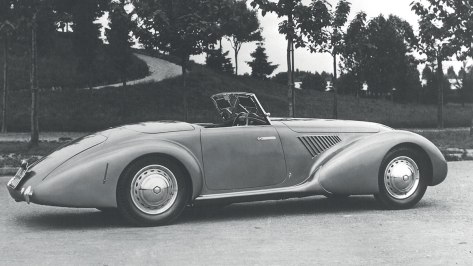
Pinin immediately embraced the cause of modernity and aerodynamics. In his view, it was the most natural way (in so far as it was the most respondent to the “nature” of the object) of solving the problem of the autonomous and original formal identity of cars. Aerodynamics, he was to write in his memoirs, was the “form of speed”. At the 1935 Milan Motor Show Pinin exhibited the Alfa Romeo 6C Pescara Coupé aerodinamico. One year later, the Lancia Astura Cabriolet tipo Bocca: elegance and craftsmanship for a small series of streamlined, richly finished cabriolets which introduced the unprecedented notion of the legitimacy of making a certain number of replicas of a custom-built model. Then the Lancia Aprilia Aerodinamica was built, a revolutionary berlinetta where an astonishing Cx of 0.40 was intuitively and empirically achieved. Aerodynamics was no longer a symbolic element, a metaphor of speed; it had now become a real standard of efficiency.
Pininfarina website

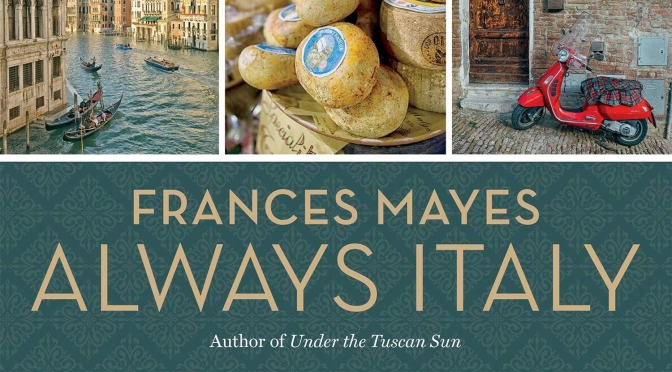
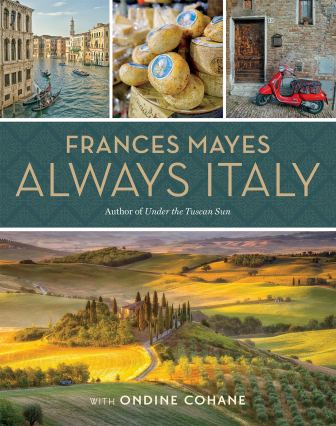 From the colorful coastline of Cinque Terre and the quiet ports of the Aeolian Islands to the Renaissance architecture of Florence and the best pizza in Rome, every section features insider secrets and off-the-beaten-path recommendations (for example, a little restaurant in Piedmont known for its tajarin, a pasta that is the perfect bed for the region’s celebrated truffles).
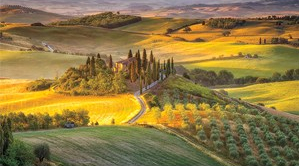 Filled with gently undulating hills, golden stone buildings, pristine vineyards, and glorious art, central Italy epitomizes the joys of this country. Do you love exquisite Renaissance architecture, painting, and sculpture, along with artisanal shopping? Or do you seek medieval winding alleys and formidable fortresses along with adrenaline-filled festivals? Head to Siena, where a central grand piazza hosts the Palio, the bareback horse race that has been a town fixture for centuries. Perhaps you love pasta along with architecture? Head to Rome, where layers upon layers of history unveil themselves as you walk past treasures like the Forum or the Circus Maximus, all within sight of vibrant new cafés and bars and beloved trattorias.
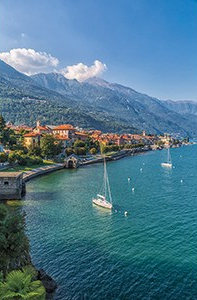 In Piedmont’s Barolo and Barbaresco wine-growing districts, vintners aren’t allowed to plant the sacred nebbiolo grape on north-facing hillsides, so hazelnut trees often fill those slopes. That most nutty of nuts, blended with rich chocolate, is a marriage of true minds, although the wedding was originally one of convenience. In the early 19th century, when trade embargoes and the Napoleanic wars caused chocolate imports to shrink, nuts extended the quantity. Turin, gateway to the castle-topped, hills of Piedmont, is one of the primo food cities in Europe. It’s regal, thanks to the palaces, ballrooms, libraries, and gardens of the Savoy rulers, who also infused the cuisine with French influences. Vintage and new trams run around the centro. The tree-lined streets, shady river walks, and numerous parks keep this the greenest city in Italy.
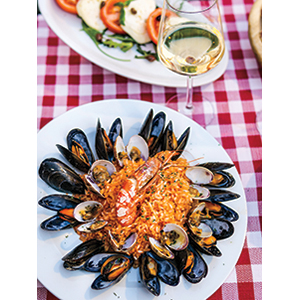 The majority of Lazio’s wines are white. Frascati is ubiquitous. There’s that word: drinkable. And they are. Light and summery, they’re able to heft a bit of gravitas too. From the island of Ponza, Casale del Giglio sends forth the chalky, fruity Biancolella Faro della Guardia. Biancolella is a grape variety grown only on the island. Three vineyards stand out for consistent high quality. Montiano, a merlot, is one of the region’s best wines. Next is the Sergio Mottura winery, known for its grechetto, Poggio della Costa. This pale beauty, with a whiff of citrus blossoms and stone, garners top ratings and the bonus of being well priced. Poggio Le Volpi’s Bacca Rossa, from the nero buono grape, makes an earthy and spicy partner to pasta with sausage and four cheeses. In Rome, wine nuts must feel a magnetic pull to Ristorante Casa Bleve.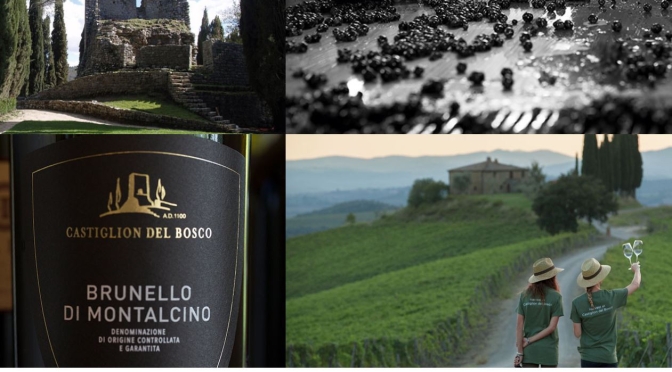
 Wines by Massimo Ferragamo: How Salvatore Ferragamo’s youngest son is succeeding in the wine industry.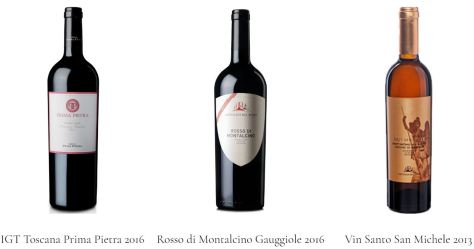
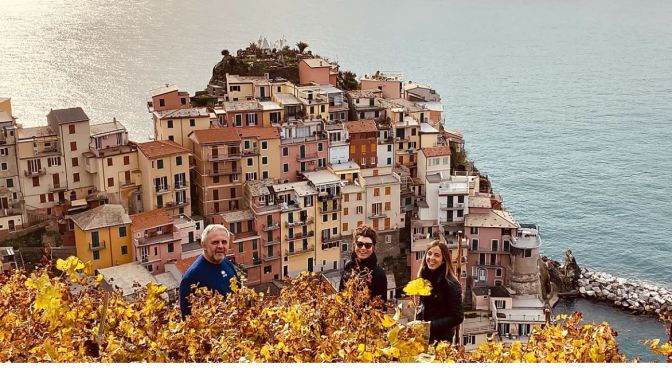
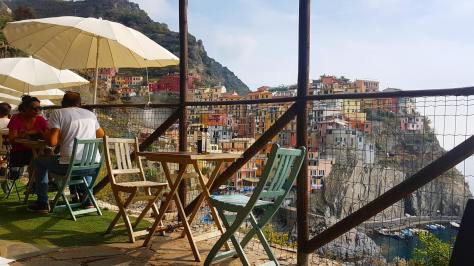
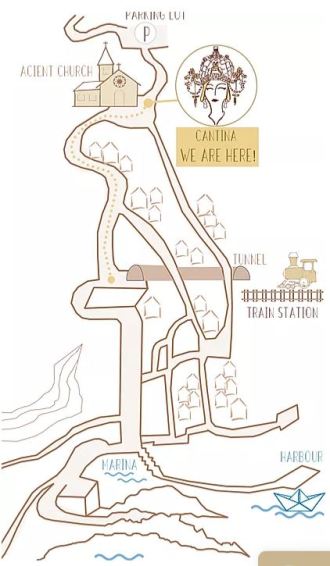 DETAILS OF THE EXPERIENCE: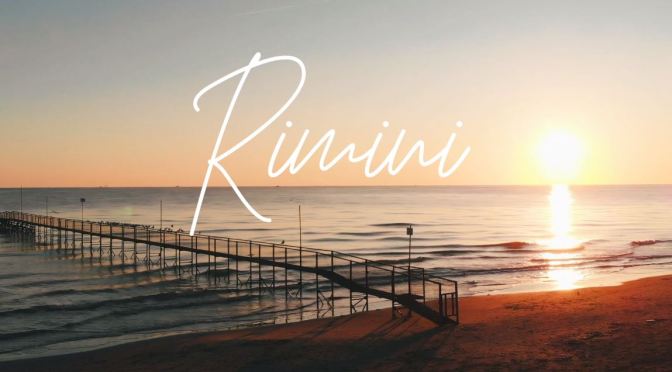
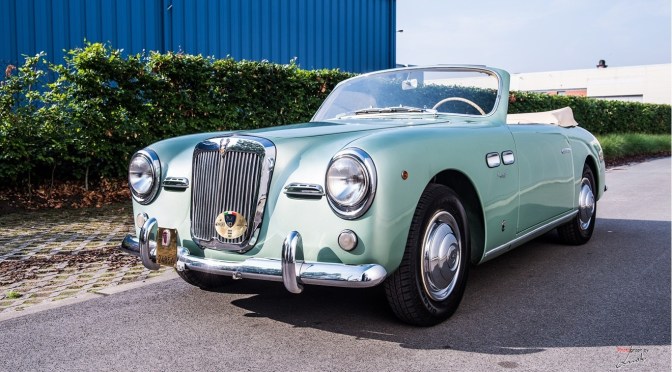
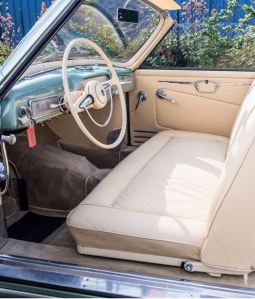 The Siata Daina is an Italian car produced by Siata from 1950-1958. The Daina was available as a coupé or a convertible and had custom bodies by Stabilimenti Farina, Bertone and other coach builders.
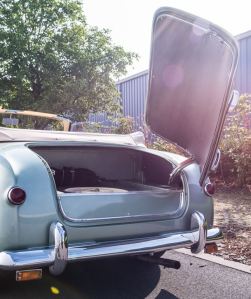 were made as well) but when they closed in 1953, Bertone took over production with a coupe model of their own design called the “Sport”.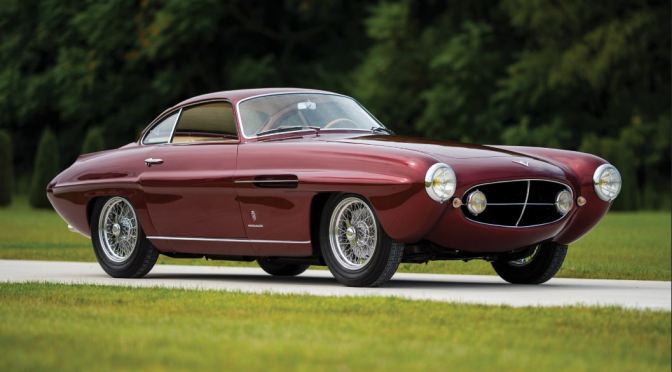
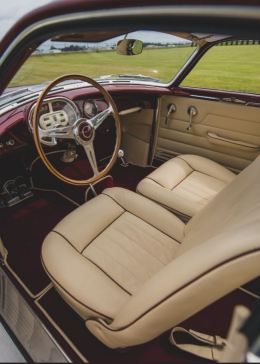 The Fiat 8V (or “Otto Vu”) is a V8-engined sports car produced by the Italian car manufacturer Fiat from 1952 to 1954. The car was introduced at the 1952 Geneva Motor Show. The Fiat 8V got its name because at the time of its making, Fiat believed Ford had a copyright on “V8”. With 114 made, the 8V wasn’t a commercial success, but did well in racing. Apart from the differential the car did not share any parts with the other Fiats (but many parts were made by Siata and they used them for their cars). The 8V was developed by Dante Giacosa and the stylist Luigi Rapi. The engine was a V8 originally designed for a luxury sedan, but that project was stopped.
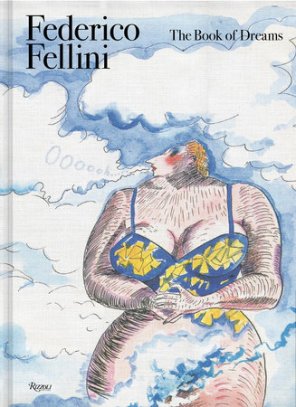 The volume will be released to coincide with the centenary of Federico Fellini’s birth (January 2020), which will be celebrated in Italy with a traveling exhibition on the director that will start its journey from Milan in December 2019.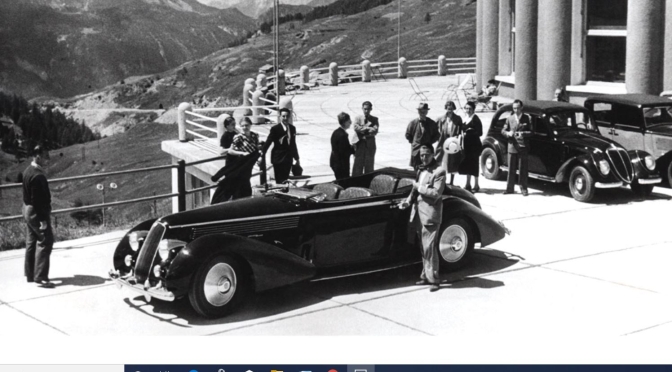
 Boomers Daily