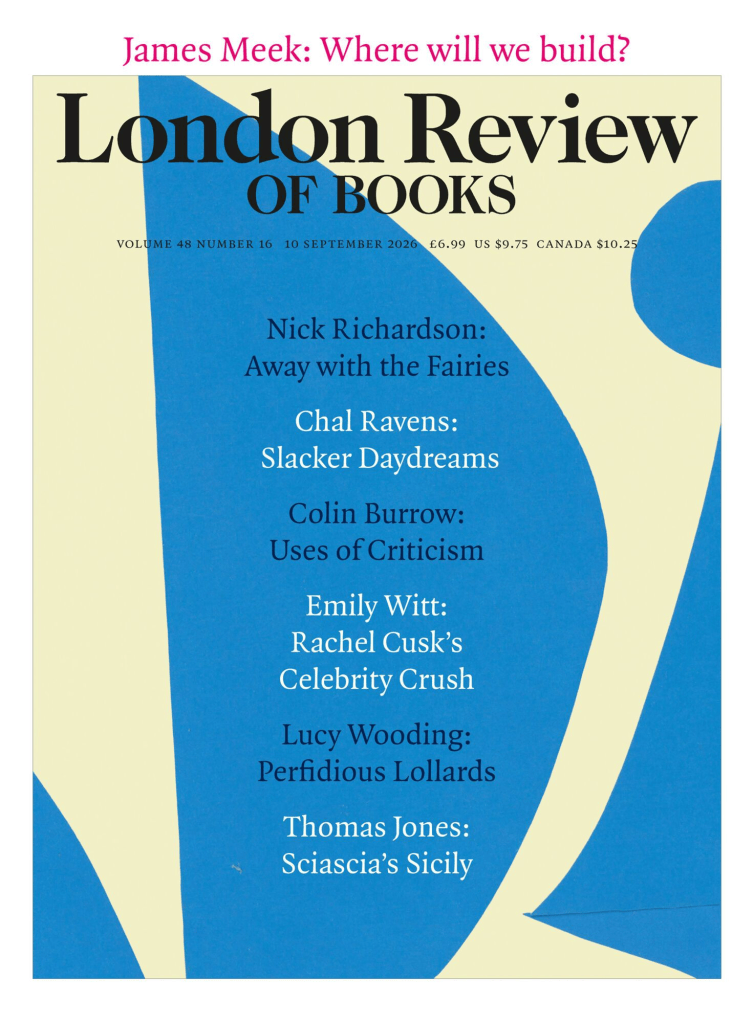
What’s the point of literary criticism? In June the University of Exeter announced plans that might make roughly a third of its English department – one of the best in the country – redundant. Other institutions, including Canterbury Christ Church University, have stopped offering English degrees altogether. Most mainstream publishers now wouldn’t dream of publishing a work of literary criticism, as they happily did in the 1970s and 1980s. Even literary biography, literary criticism’s previously marketable stepsister, no longer brings a gleam to a publisher’s eye. The grassroots of the subject are also suffering badly. Since 2000 the number of people taking A-level English literature in England has dropped by around a third, to around 36,000, with an even higher drop among male students.
A Sicilian Man: Leonardo Sciascia, the Rise of the Mafia and the Struggle for Italy’s Soul by Caroline Moorehead
The Beast in the Clouds: The Roosevelt Brothers’ Deadly Quest to Find the Mythic Giant Panda by Nathalia Holt
The Twitnam Summer: Friendship, Satire and the Writing of ‘Gulliver’s Travels’ by Hester Grant
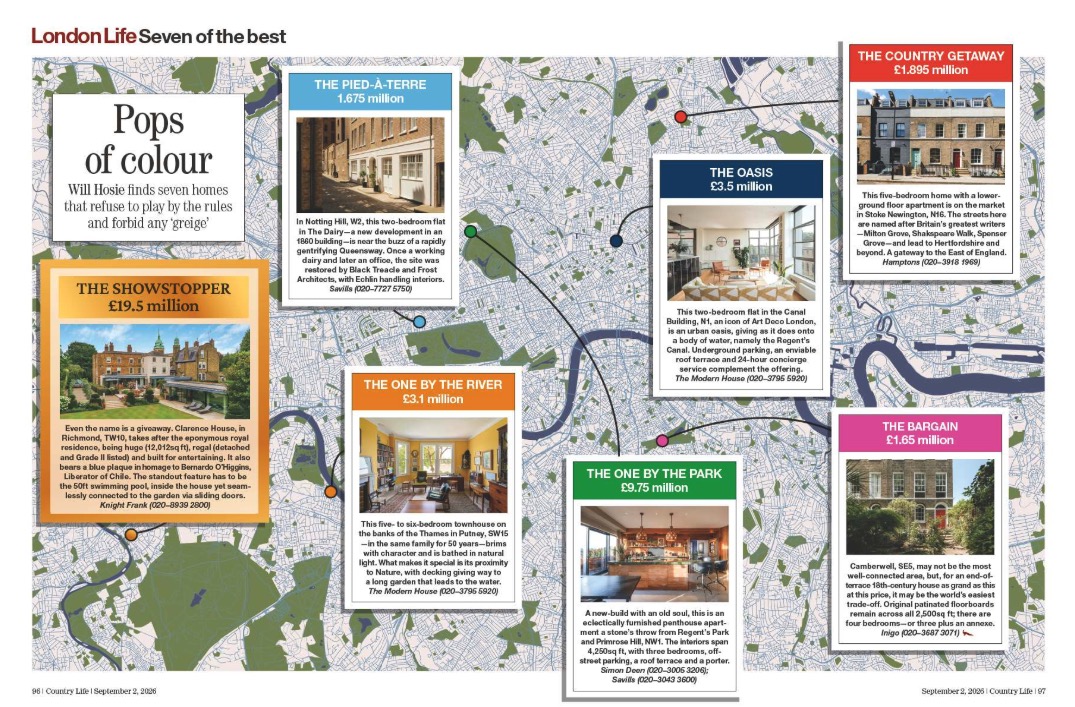
Will Hosie asks what makes a pub a pub and eyes properties with a pop of colour, plus our writers have all you need to know this month and Gio Fio marvels at the reinvention of the north bank of the Thames
Out on the prairie
American plants may be the answer to our warming climate, reports Charles Quest-Ritson
Travel
Pamela Goodman roots around in the Nadder Valley in Wiltshire
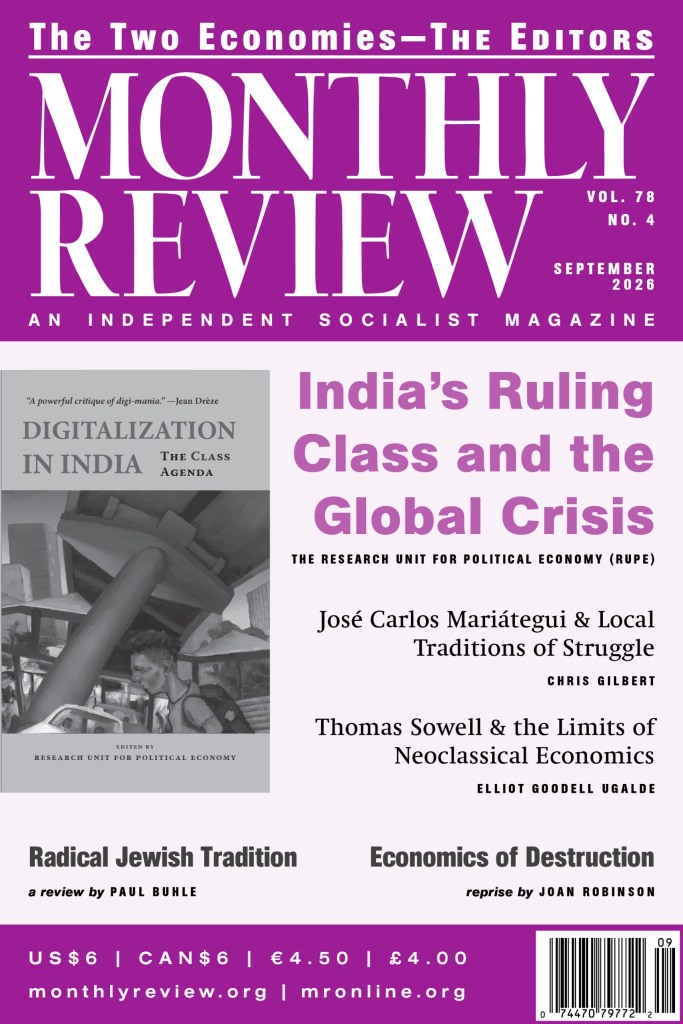
In recent years, India’s ruling classes claimed—and perhaps came to believe—that their time had come on the world stage. India was the fastest-growing major economy, due soon to be the third largest, constituting a new global power. India’s biggest tycoons figured among the world’s top twenty billionaires, part of the transnational elite. Prime Minister Narendra Modi declared that India would be a “developed country” by 2047, the centenary of the end of colonial rule.
It’s getting on for twenty-four years ago that I first read Patricia Highsmith’s The Talented Mr Ripley (1955). Books tend to come to us when we need them, and it’s easy to see why Tom Ripley’s project of self-reinvention and triumphant class resentment was so appealing to me as a twenty-year-old undergraduate.
The Sea-King and the Sorceress: Life and Death in the Viking Age By Neil Price
Few groups in history have been so variously defined, quarrelled over, misrepresented and appropriated as the Vikings. Their identity elusive, they have been passed around like historiographical tokens to the detriment of a deeper understanding of their cultural and political milieu. Neil Price’s The Sea-King and the Sorceress sidesteps these often sterile debates by examining the lives – and deaths – of more than twenty figures from the Viking Age and using them to shed light on wider themes, a bottom-up approach which is both logical and engaging.
The Cauldron: The Making of the Modern Middle East By Simon Sebag Montefiore
A highly readable gallop through one of the world’s most complex political environments, The Cauldron is brilliant on narrative, weaker on analysis. Simon Sebag Montefiore has set himself a formidable task: to compress the modern history of a region extending from Morocco to Iran, and from the fall of the Ottoman Empire to the wars of 2026, into a single volume. The result is an exuberant pageant of sultans, shahs, kings, colonels, spies, revolutionaries and assassins. Few historians could move so confidently from the salons of Cairo to the palaces of Riyadh, from Atatürk’s Ankara to Khomeini’s Najaf, while keeping so many figures vividly in play.
All the Wrong Moves: How Three Catastrophic Decisions and Years of Sh*tshow Politics Led to Trump – and How We Find a Way Out By Anthony Scaramucci
When Donald Trump fired him after just eleven days as his director of communications, Anthony Scaramucci thought his career was over. He had become such an object of ridicule that a crisis PR adviser suggested he lie low for a few years before attempting to start again. Instead, the self-styled ‘front stabber’ from New York – who had naively assumed that a successful Wall Street career could equip him for the toxic political swamp of Washington, DC – launched himself into a round of media interviews, choosing to roll with the punches.
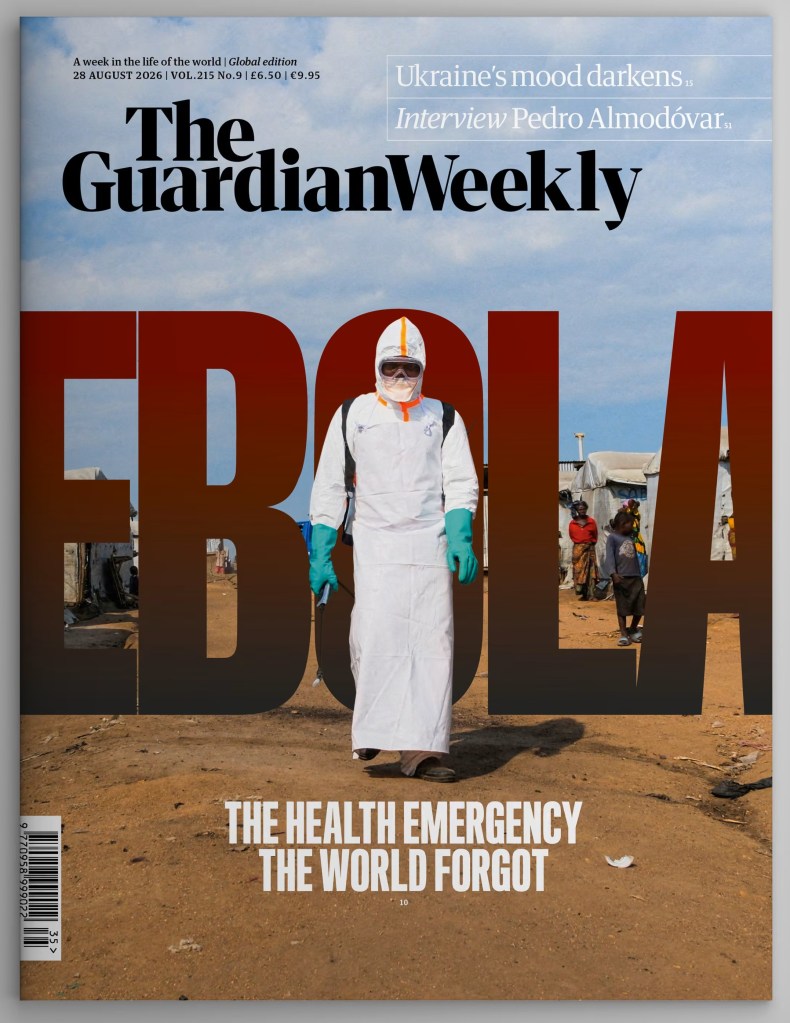
The Democratic Republic of the Congo has just passed the grim milestone of 100 days since it declared its 17th Ebola outbreak.
What is the fastest-growing Ebola outbreak on record could also become the world’s deadliest ever.
For our big story this week, Prosper Heri Ngorora and Rachel Savage report on the frontline health workers who say, as the disease spreads “exponentially”, they have been left unpaid and at risk of infection.
Explaining the figures behind the outbreak, and the race to find vaccines and treatments, global health correspondent Kat Lay answers five key questions.
And Jean Kaseya, director general of the Africa Centres for Disease Control and Prevention, and Tedros Adhanom Ghebreyesus, director general of the World Health Organization, write that tapping into community leadership and knowledge is essential to halting the virus’s spread.
Spotlight | ‘We will go on – but it will be more scary’ Dan Sabbagh reports from Kyiv where, as Russian missiles rain down, casualties are mounting and the mood is darkening
Environment | Killed by kindness Scientists were surprised to find all but two of 12 grizzlies died within a year of their “feelgood” release, unable to sustain their high-calorie diet and inclined to approach humans, writes Rebecca Ratcliffe
Feature | A family at war Meaghan Beatley tells the remarkable story of a young Argentinian activist who thought her father’s disapproval of her leftwing views was purely political. But one evening, a kiss goodbye sent her on a remarkable journey that continues today
Opinion | Marine Le Pen’s career resurrection No longer banned from next year’s presidential election, the far-right veteran is a bigger threat than ever, says Mujtaba Rahman
Culture | Playing the bad guy As his new film Bitter Christmas is released, legendary Spanish director Pedro Almodóvar talks to Ryan Gilbeyabout Donald Trump, Netflix – and being the villain in his own movie
For the thousands of foreign visitors who travelled behind the ‘bamboo curtain’ to visit Mao’s China, hospitality workers – guides, drivers, waiters, chambermaids – were unofficial ambassadors for the new socialist state, and the state knew it.
In 1943 letters reporting starvation and death in Bengal began to reach Indian soldiers serving the British overseas. Despite colonial censorship, their testimonies revealed the devastating reality of famine.
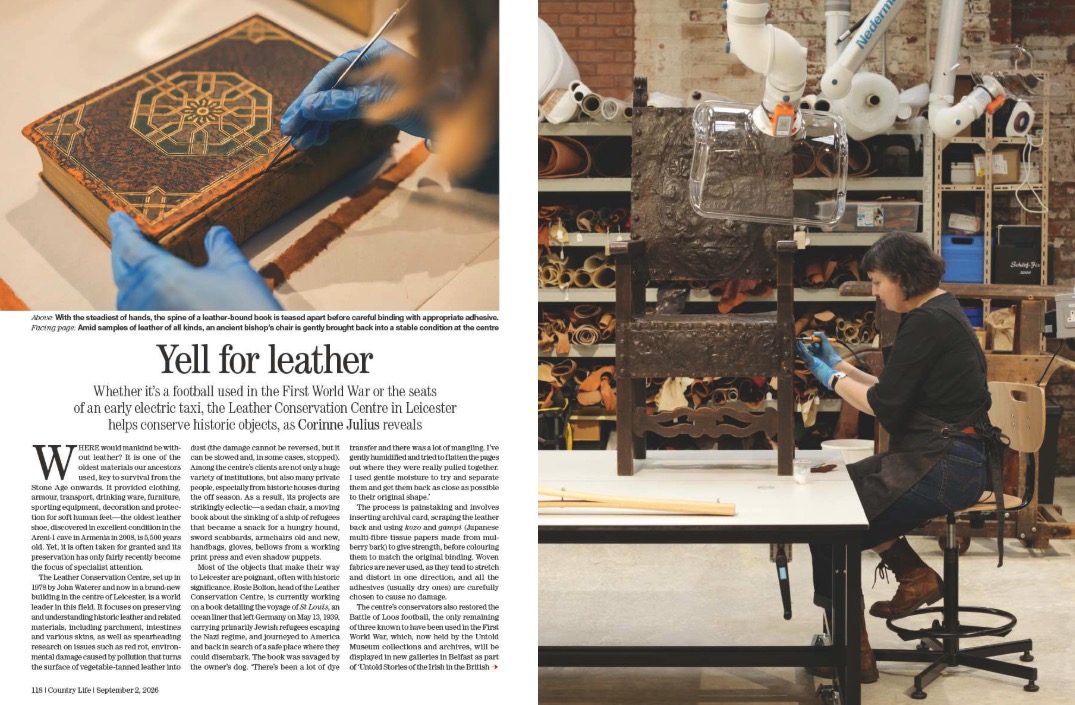
The Victorian reading public had access to a vast array of classical literature from Asia in multiple translations by experts and amateurs. What did they read, and why?
The legacy Kate Green hails Gavin Maxwell’s Ring of Bright Water, a remarkable tale of living with otters.
Fifty years young The King’s Trust is celebrating half a century of supporting young people. Ambassadors explain the secrets of its success and longevity to Paula Minchin.
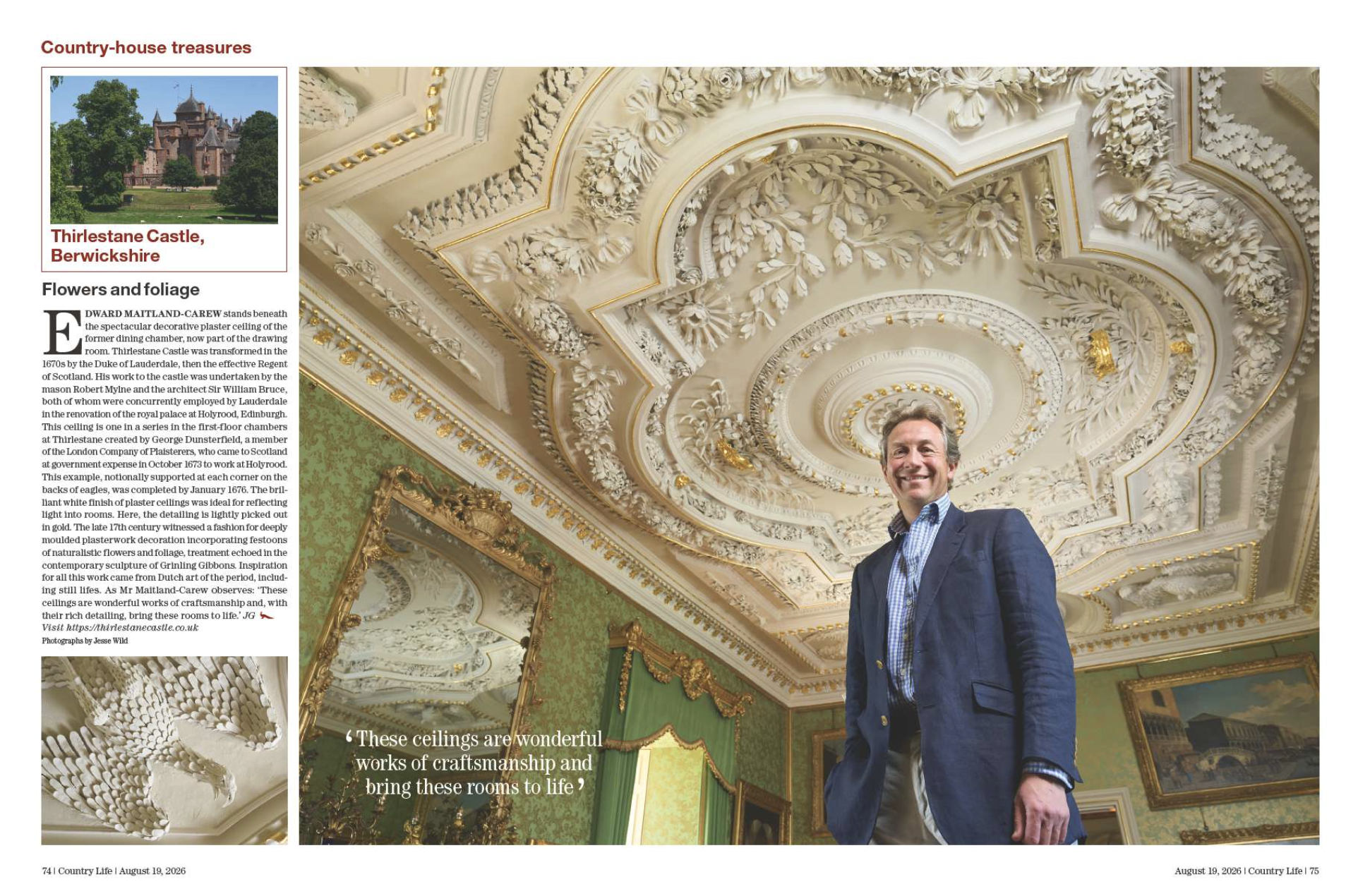
Country-house treasure Intricate decorative ceilings at Thirlestane Castle, Berwickshire, catch the eye of John Goodall.
Alexander Campbell’s favourite painting The Royal Academy of Dance artistic director is moved by a compelling nocturnal scene.
A tower house reborn Mary Miers explores how the derelict tower house at Balgone in East Lothian has been transformed into a Classical seat.
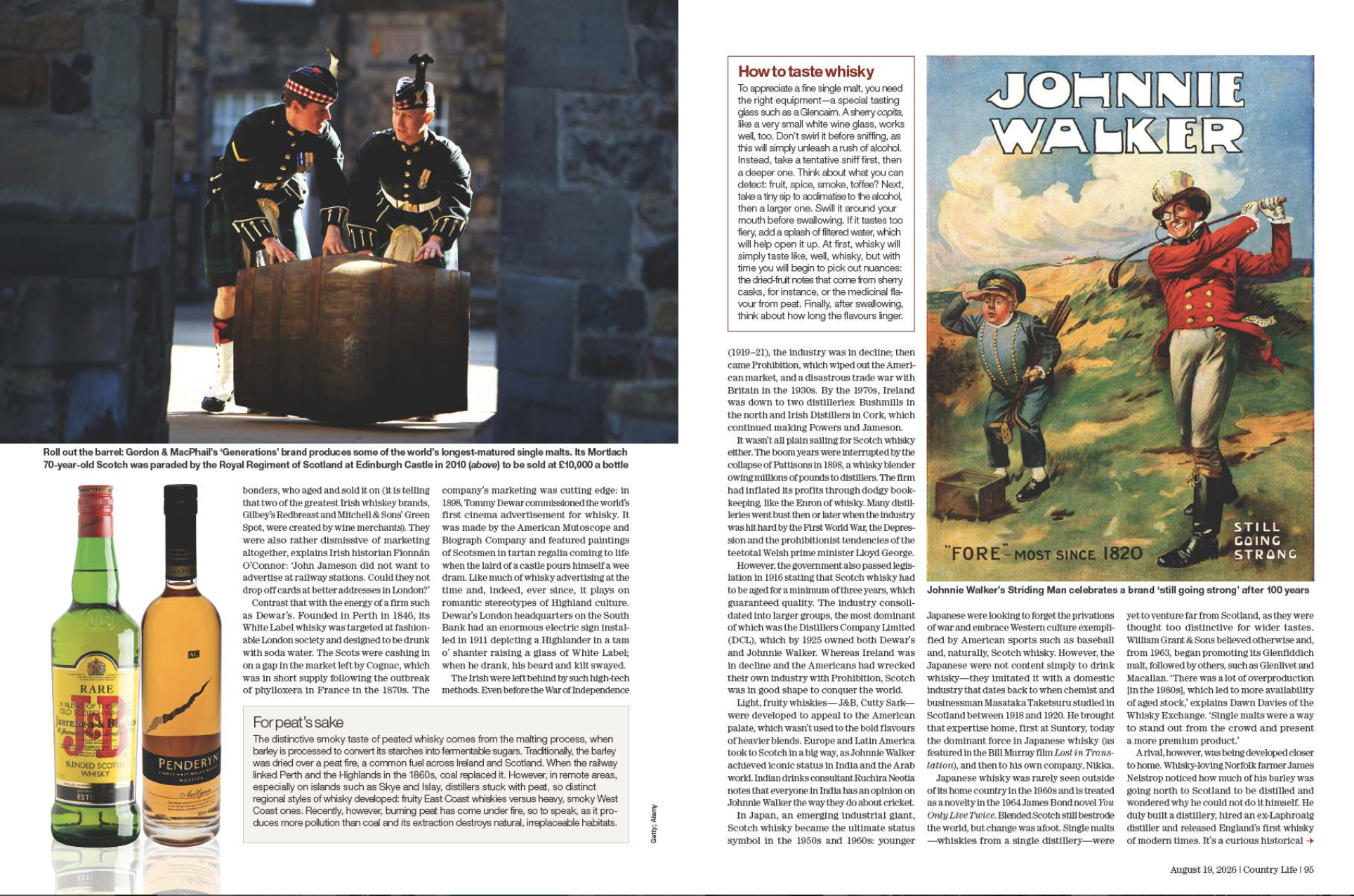
Whisky galore From illicitly distilled dram to tipple of choice around the globe, Henry Jeffreys raises a glass to the world’s most popular spirit.
Winging it Mark Cocker adds the greylag goose to his Unloved Birds’ Club.
Meet the new boss, same as the old boss James Fisher welcomes Joe Root back to the helm of English cricket.
Interiors Arabella Youens admires a Blenheim estate house in Oxfordshire and Kuba is king for Amelia Thorpe.
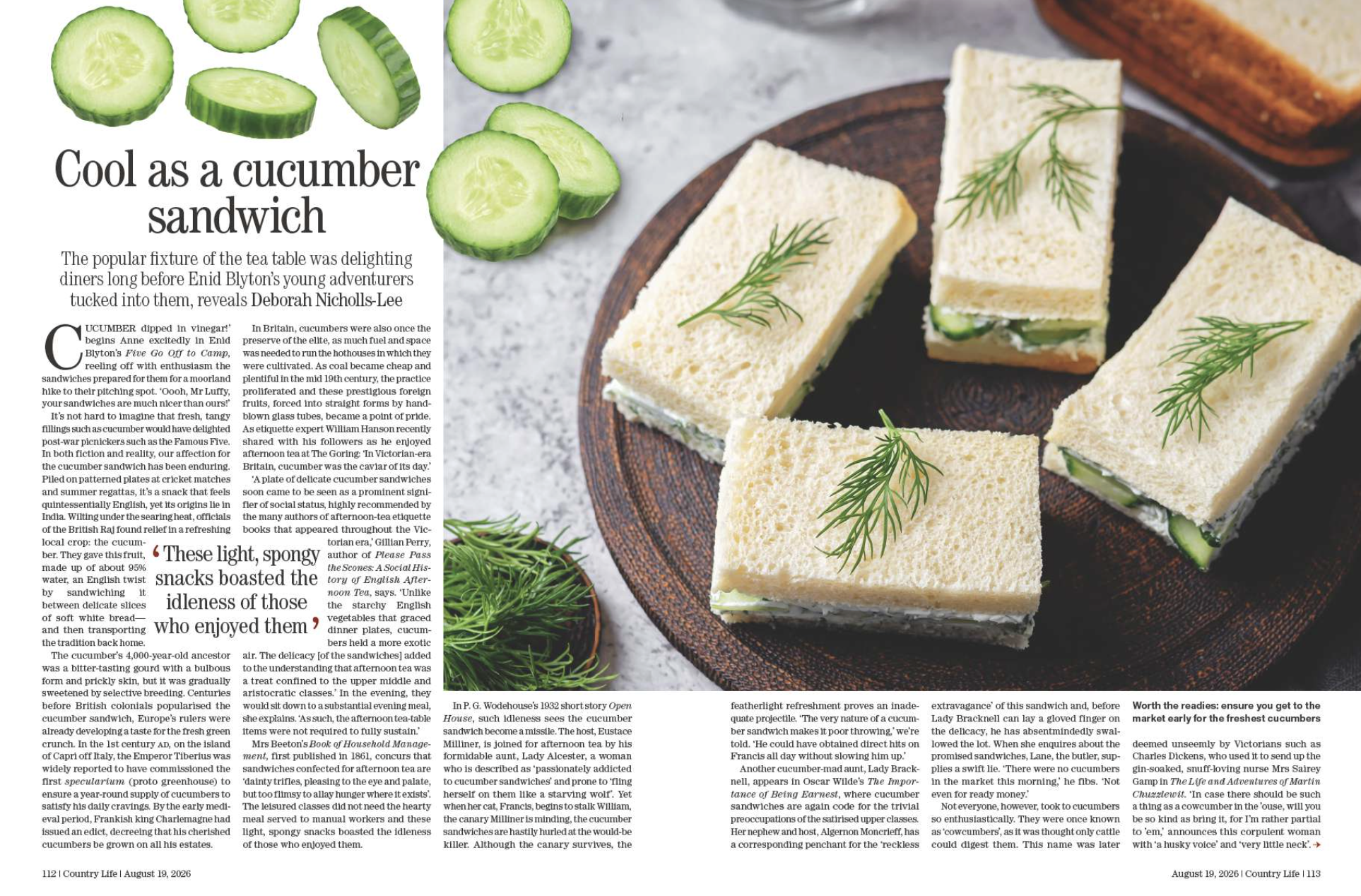
Cool as a cucumber sandwich This refreshing staple of English picnics is no sarnie-come-lately, reports Deborah Nicholls-Lee, as she reveals its Indian roots.
Arts & antiques Allan Scott, the scriptwriter and executive producer, tells Carla Passino why he will never part with a prized perpetual calendar.
Luxury New columnist Justine Picardie admires the Highland influence in the late Queen’s wardrobe and Amie Elizabeth White presents a bonnie Scottish selection.
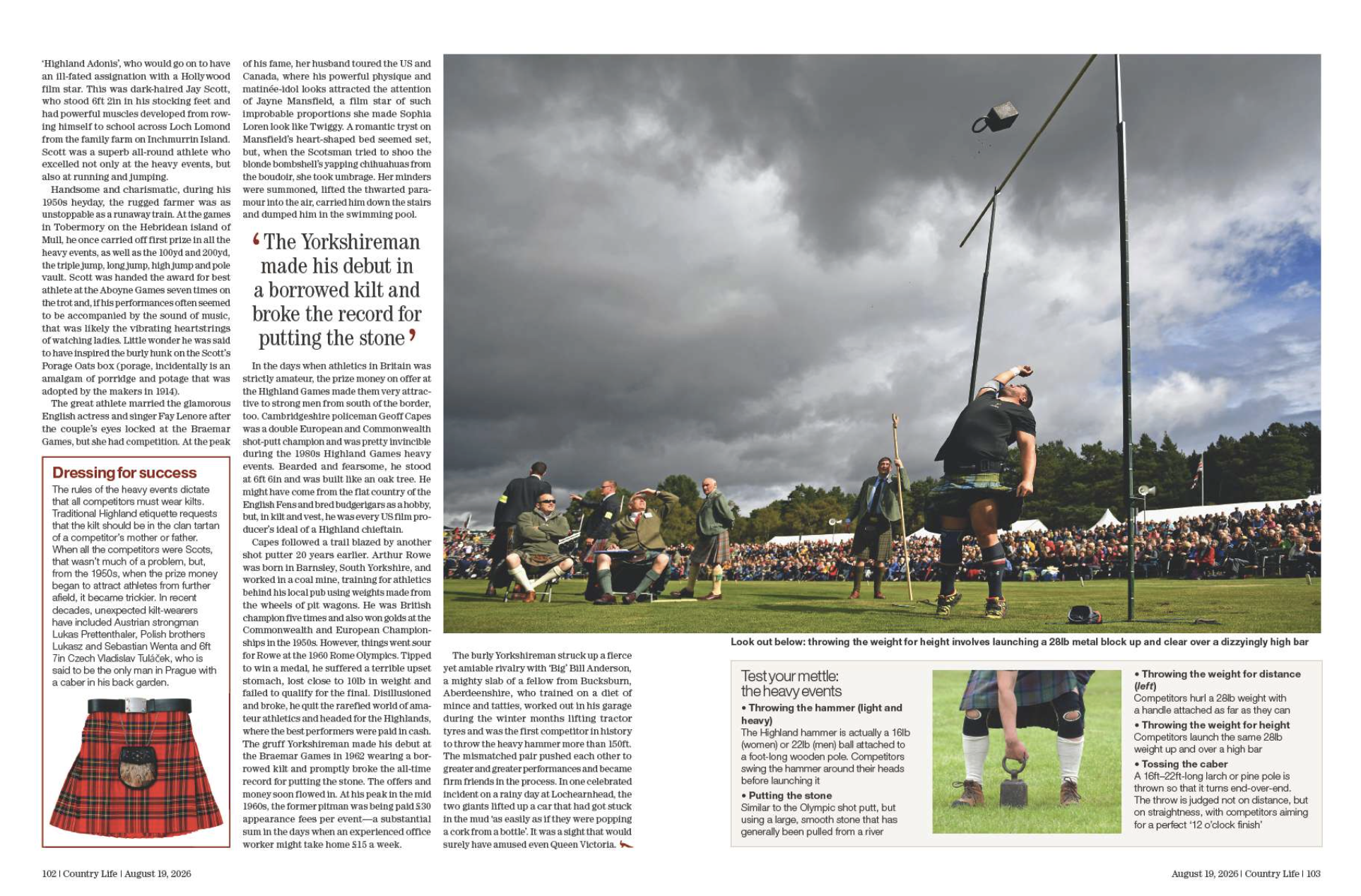
Clash of the tartans What does it take to toss the caber and putt the stone? Harry Pearson muscles in on the heavyweight Highland Games.
Heart Nouveau Robyne Calvert reveals how the bold Glasgow Style of art and design conquered Europe.
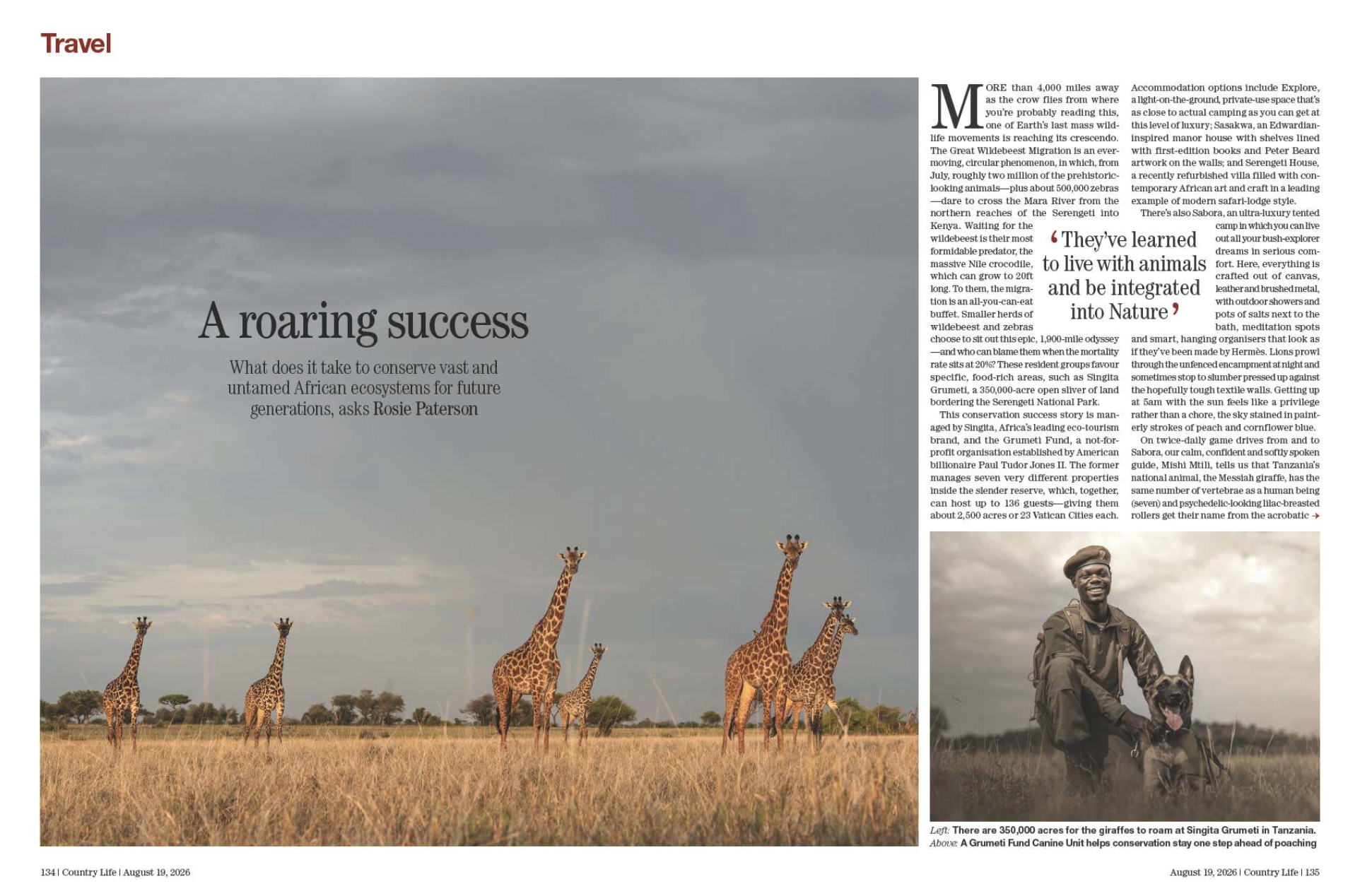
Travel Rosie Paterson experiences the ultimate in luxury camping when visiting a conservation success story in Tanzania.
Rhythm and views Three decades of dramatic planting has paid off at Craichlaw House in Dumfries and Galloway, as Kirsty Fergusson discovers.
Summer of love A double bill of innovative open-air Shakespearean comedy benefits from dream casting, suggests Michael Billington.






 Boomers Daily