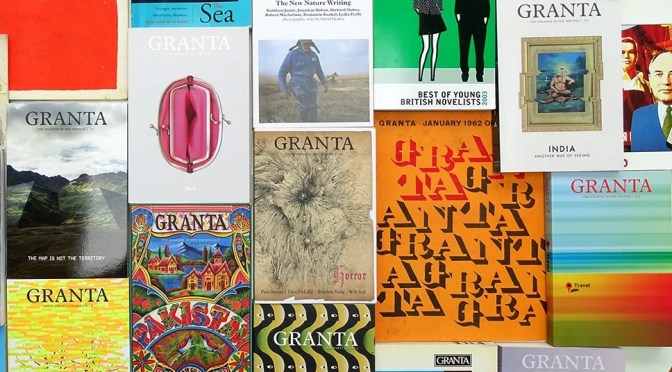
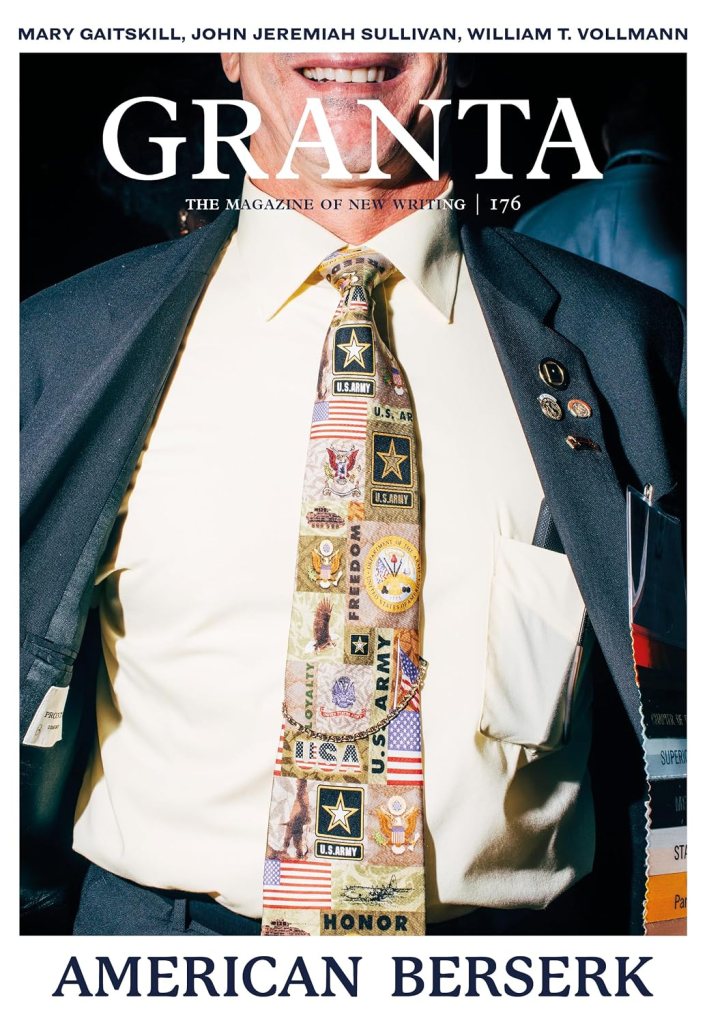
GRANTA MAGAZINE SUMMER 2026: The new issue features new writing from Mary Gaitskill, Tao Lin, Amie Barrodale, John Jeremiah Sullivan, William T. Vollmann, Antonia Hitchens, Patricia Lockwood, Kathryn Scanlan and many more.
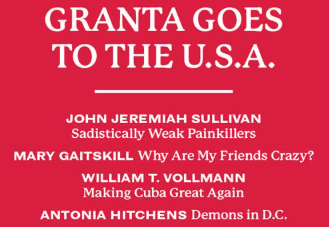

GRANTA MAGAZINE SUMMER 2026: The new issue features new writing from Mary Gaitskill, Tao Lin, Amie Barrodale, John Jeremiah Sullivan, William T. Vollmann, Antonia Hitchens, Patricia Lockwood, Kathryn Scanlan and many more.

THE HUDSON REVIEW: The latest issue features….
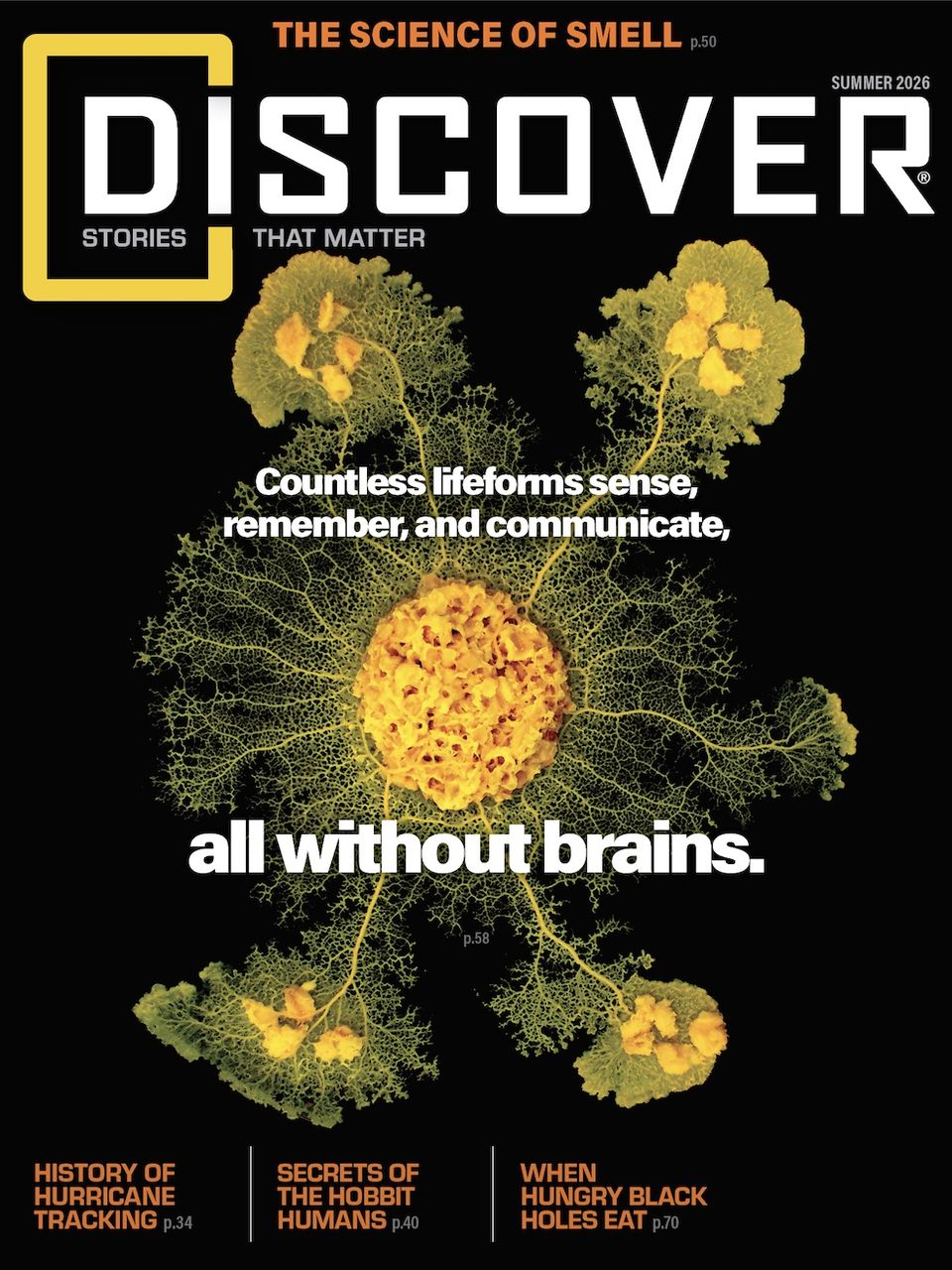
Learn how studying DNA-based age markers in people with HIV helps us understand how GLP-1 drugs could slow molecular clocks.
Learn more about the rare composition of the Chicxulub impactor.
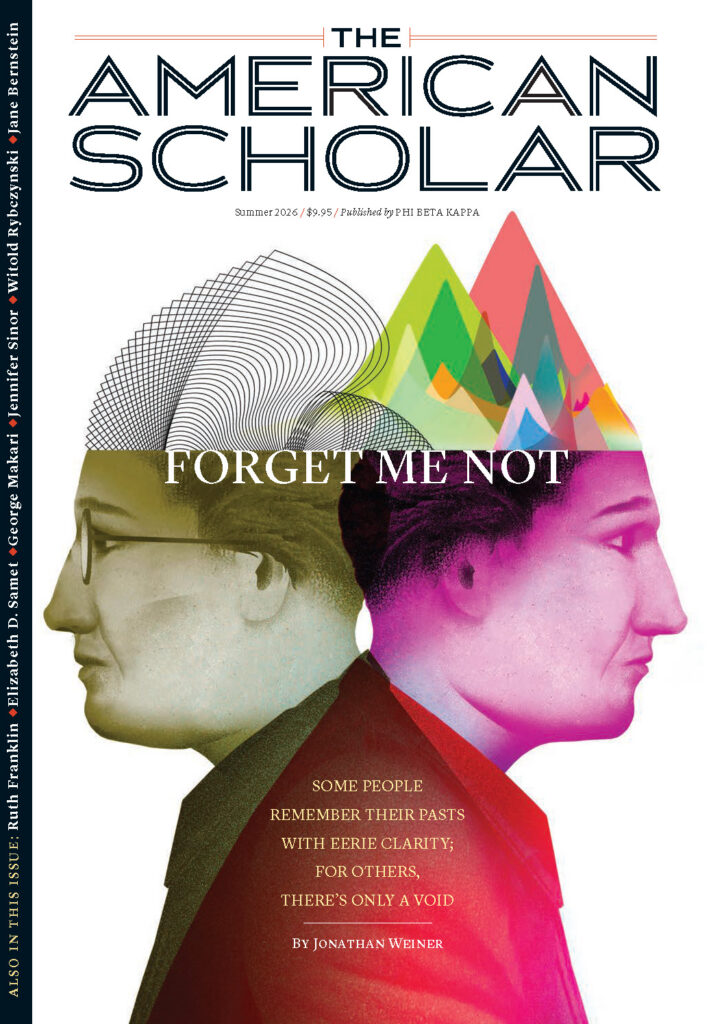
On the nature of autobiographical memory By Jonathan Weiner
Samuel Clemens is everywhere in Hannibal, Missouri, but is the story the town tells about its favorite son grounded in reality or myth? By Ruth Franklin
The act of rendering plays from Romanian to English has allowed me to discover my family’s past—and myself By Amanda L. Andrei
A 1930s correspondence between Albert Einstein and Sigmund Freud laid out each man’s views on war and peace By George Makari
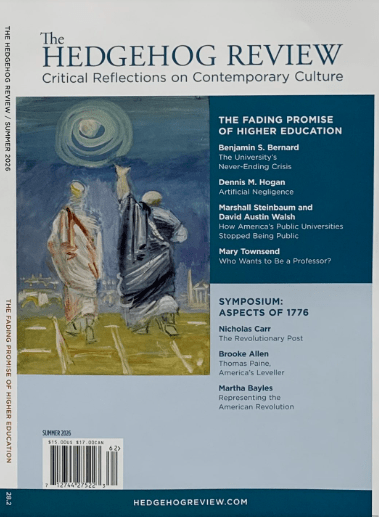
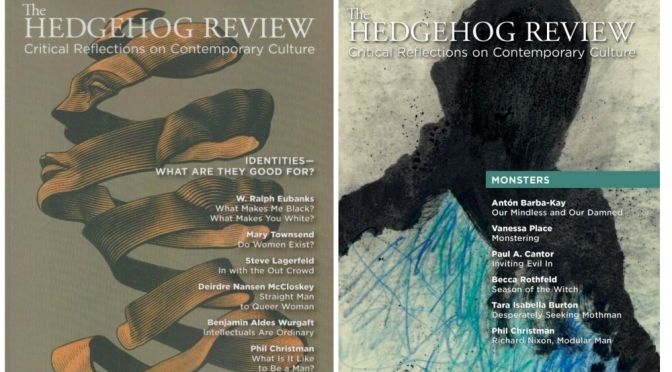
THE HEDGEHOG REVIEW: The latest issue features ‘
A loss of public faith in higher education and and what it represents for the larger community. This issue also features a Symposium on Aspects of 1776 in commemoration of America at 250.
Higher education has dealt with epistemic revolution before.
Why are college administrators so eager to adopt AI?

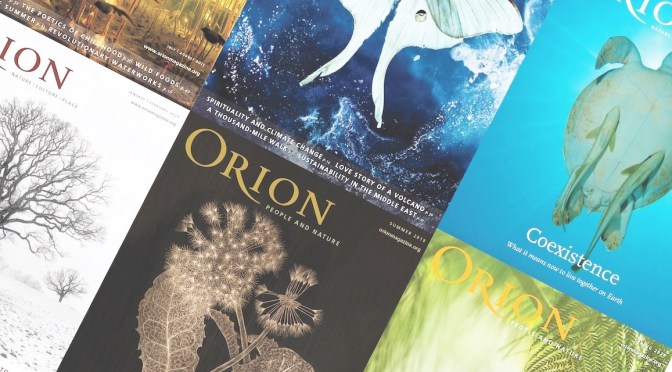
ORION MAGAZINE: Orion’s Summer 2026 issue, The Deep Dive, explores humanity’s enduring relationship with cetaceans. From the violence of the whaling industry to the nuances of whale song, contributors trace our evolving entanglement with the world’s largest mammals—how we have been a threat to them in the past, our intertwined struggles in the present, and what we might do to ensure their continued survival. Rich with wonder and delight, the issue asks not only how we have shaped whales’ existence, but how they have indelibly left their mark on ours. This issue is also slightly longer than a standard issue of Orion—an invitation to dive into summer reading. Inside:
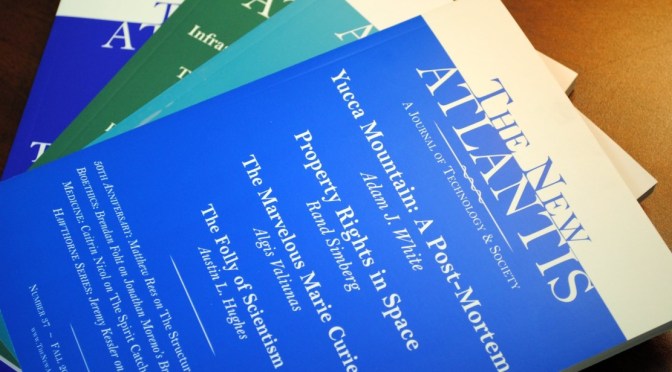
THE NEW ATLANTIS JOURNAL: The latest issue features…
An inquiry into staying human in the age of AI
Wuhan’s biohazard disposal system suffered a cascade of failures in the months leading up to Covid: new revelations that official investigators have overlooked
The qualities that make built places charming are best stewarded by people who live there. But America’s soul-crushing suburban districts are now owned by people far away — people who don’t even know they’re owners at all.
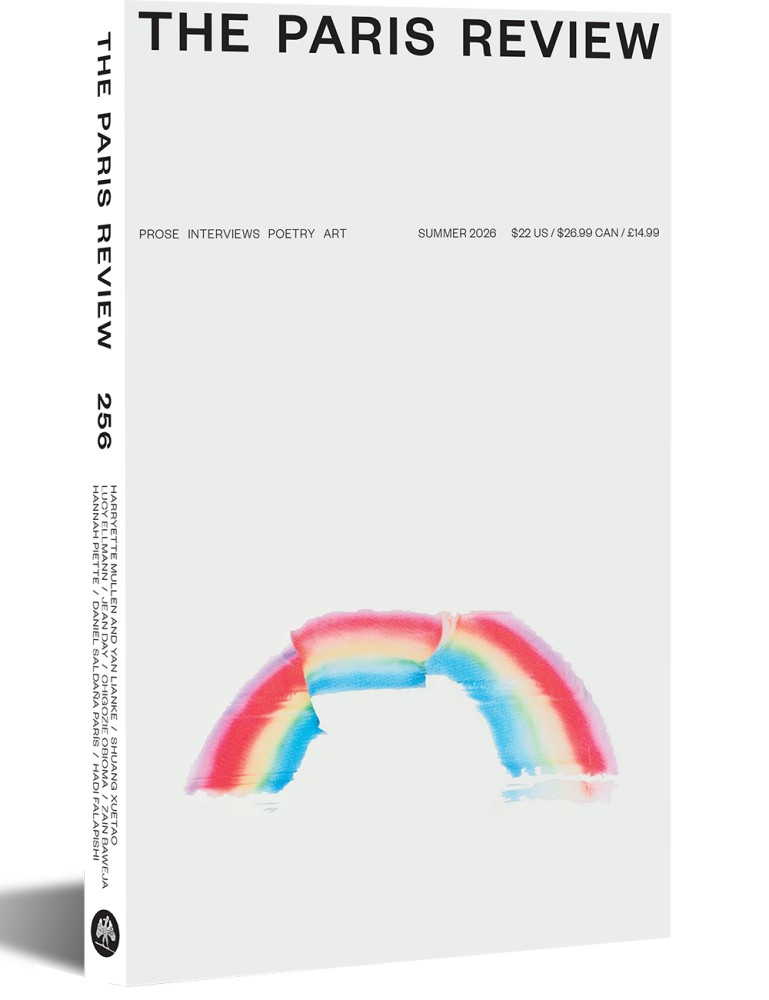
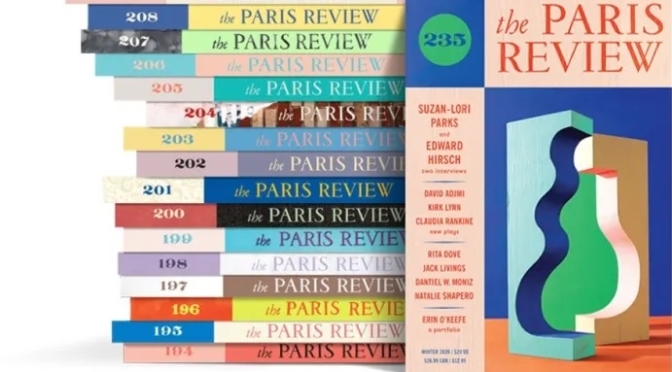
THE PARIS REVIEW : The latest features Interviews, Prose, Poetry and Art….
Harryette Mullen on the Art of Poetry: “I knew I would exhaust myself as subject matter, but I could take something and turn it upside down, inside out, add a few doodads, and that way it would become inexhaustible.”
Yan Lianke on the Art of Fiction: “I personally didn’t think there was anything anti-war in writing about how an individual might be terrified of battle. I was really writing about my own fear.”
Prose by Lucy Ellmann, Chad Fore, Daisy Hildyard, Chigozie Obioma, Daniel Saldaña París, and Shuang Xuetao.
Poetry by Zain Baweja, Jean Day, Hannah Piette, Frederick Seidel, Shamsher Bahadur Singh, Katana Smith, and Tran Hang My.
Art by Hadi Falapishi, Andrew Kuo, and Hannah Tishkoff; cover by Alex Da Corte.

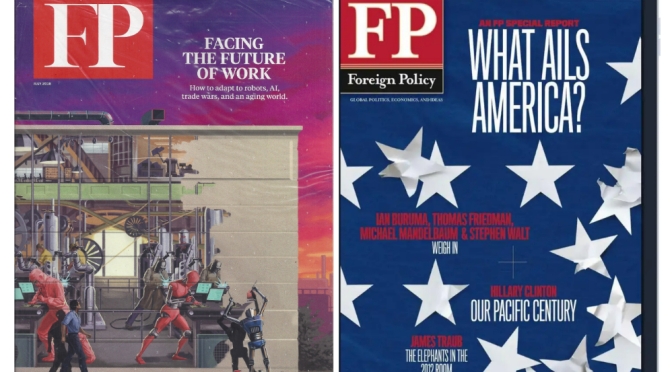
FOREIGN POLICY MAGAZINE: The latest issue features ‘the End of…The U.S.-Israel alliance…Neo liberalism…Trans-Atlanticism…Climate Politics…The United Nations…Asylum…Political parties…Chinese growth…Morality…The future….

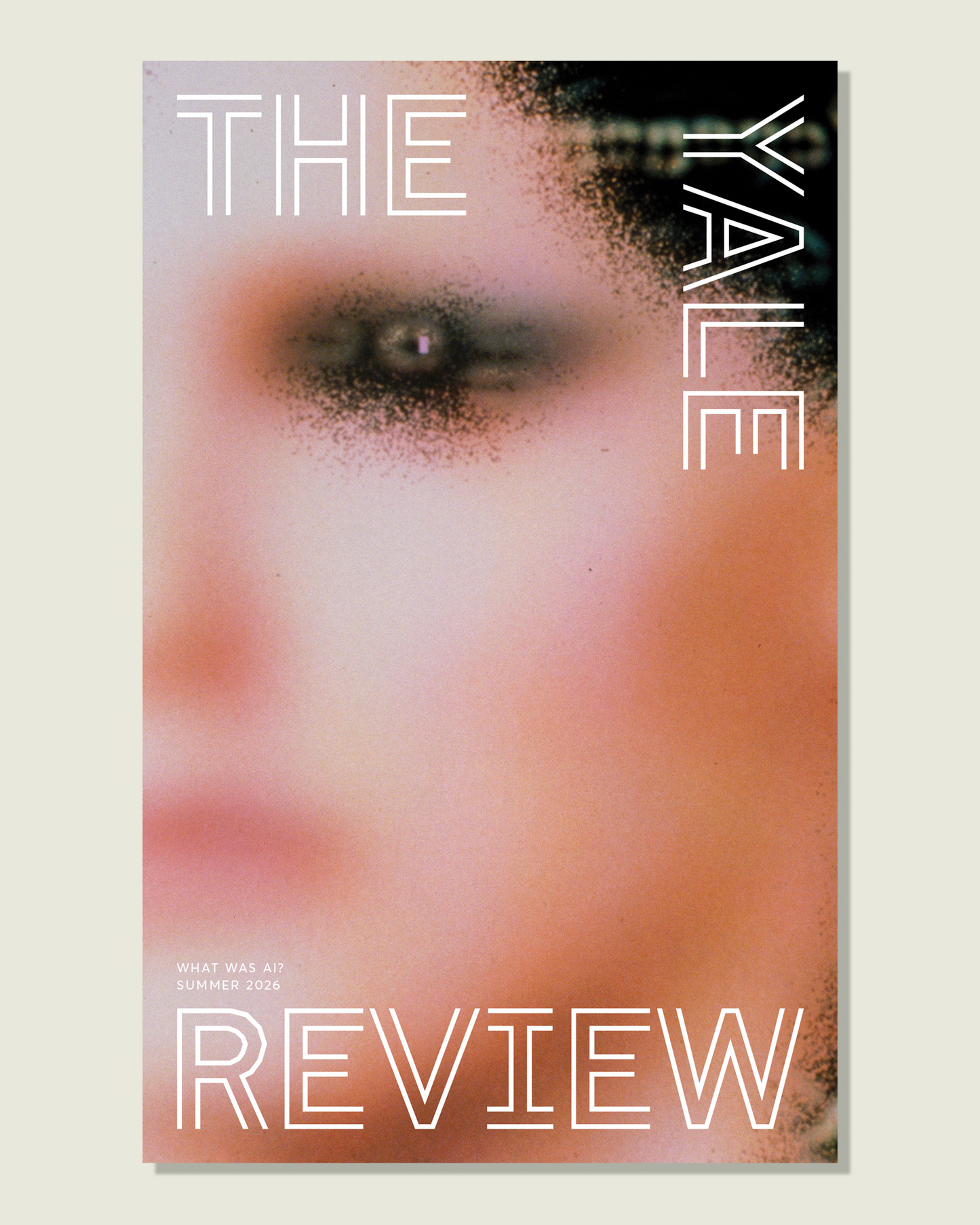
THE YALE REVIEW (March 11, 2025): The latest issue features a central folio, “What Was AI?,” exploring artificial intelligence through essays from Lauren Oyler, Christopher Sorrentino, and Melanie Mitchell. The issue also includes new memoirs and essays from Annie Ernaux and Namwali Serpell, alongside a visual portfolio by Vera Molnár.
The dangerous unknowns at the heart of LLMs by Melanie Mitchell
How the American creed emerged—and evolved—over 250 years by Kathryn Lofton
Critics mourn a bygone cultural era. But nostalgia for the new isn’t new by Audrey Wollen
Why Americans aren’t celebrating the semiquincentennial by Samuel Moyn
I am back in writing hell. As if each time I start writing, I have to go through the same hell again. Annie Ernaux Unpublished journal entries

 Boomers Daily