Facing shortages of critical equipment, medical workers must make life-or-death decisions about who receives care. WSJ’s Joe Palazzolo reports from an emergency room that’s running short on ventilators, and Chris Weaver explains the plans hospitals are putting in place to decide who gets them.
Arthur Caplan, a bioethicist at NYU’s School of Medicine, talks about how hospitals think about these difficult choices.
Exercise physiologists are healthcare professionals that work with patients who are deconditioned or have a variety of different health complications. They work with pulmonary and cardiac patients, as well as competitive athletes with a wide range of fitness issues.
Penn Medicine’s Christopher J. Kusmiesz, MS describes his role as “assessing a patient’s fitness level and providing recommendations and guidance so they can improve and reach their health and fitness goals.”
Exercise physiologists at Penn uses patient test results, recommendations from their cardiologist and the patient’s own goals to create an exercise program that is unique to each patient.
LIVRARIA LELLO OPENS THE FIRST “DRIVE-THRU BOOKSELLER” IN THE WORLD
From April 1st, between 10 am and 12 noon, from Monday to Friday, Livraria Mais Bela do Mundo will offer one book from its “The Collection” per day to all readers who subscribe the day before to which they intend to address the “Drive-Thru” of Livraria Lello.
.
The same should be done until 6 pm, to the email info@livrarialello.pt , sending your personal data (name, address, email and telephone contact).
. On the day of the survey, the reader will only have to stop the car in front of Livraria Lello and the delivery will be made by a collaborator directly through the window.
.
This is a true act of “Love in the Times of Cholera” by Livraria Lello and her team towards their readers, their city, which is their world. A way to give the community some comfort and some encouragement in these difficult times.
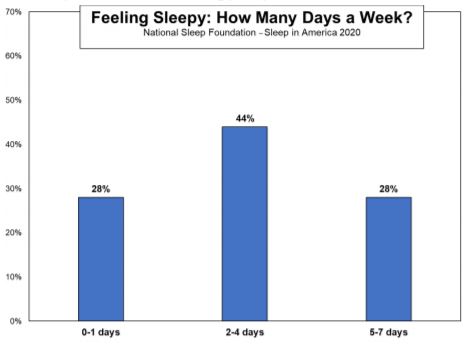
Just 16 percent say they don’t feel sleepy at all in a typical week (this excludes sleepiness at bedtime and when waking up). About half, by contrast, feel sleepy anywhere from three to seven days a week. That includes a big gender gap: Women report feeling sleepy 3.4 days a week, on average; men, 2.7 days.
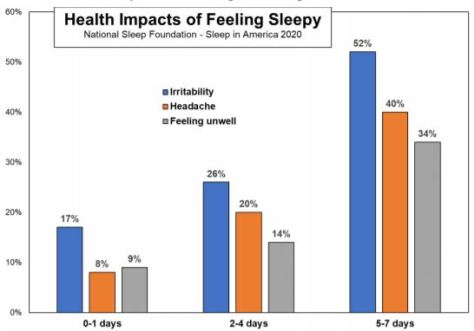
Among the approximately three in 10 Americans who have feelings of sleepiness on five to seven days a week, 52 percent report often or sometimes experiencing irritability when sleepy; 40 percent, headaches; and 34 percent, feeling unwell apart from headaches. Each is far higher than among those with fewer experiences of sleepiness.
Monocle 24’s Tyler Brûlé is joined by Benno Zogg and Juliet Linley for a look at how the global press is covering the pandemic and whether the tone of the discussion needs a rethink. Plus: Andrew Mueller’s look at what we learnt this week.
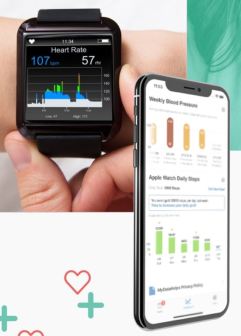
When your heart beats faster than usual, it can mean that you’re coming down with a cold, flu, coronavirus, or other viral infection. That’s the conclusion of recent medical research.
So wearable devices that measure your resting heart rate—made by Apple, Fitbit, Garmin, and others—might help scientists spot viral outbreaks, and also give you more insight into your own health.
Scripps Research designed DETECT (Digital Engagement & Tracking for Early Control & Treatment), a study that will monitor your heart rate and allow you to record symptoms like fever or coughing.
On this week’s show, host Joel Goldberg gets an update on the coronavirus pandemic from Senior Correspondent Jon Cohen. In addition, Cohen gives a rundown of his latest feature, which highlights the relationship between diseases and changing seasons—and how this relationship relates to a potential coronavirus vaccine.
Also this week, from a recording made at this year’s AAAS annual meeting in Seattle, host Meagan Cantwell speaks with Alexandra Maertens, director of the Green Toxicology initiative at Johns Hopkins University, Baltimore, about the importance of incorporating nonanimal testing methods to study the adverse effects of chemicals.
Scientists and doctors have observed for thousands of years that some diseases, like polio and influenza, rise and fall with the seasons. But why? Ongoing research in animals and humans suggests a variety of causes, including changes in the environment (like pH, temperature, and humidity) and even seasonal and daily changes to our own immune systems. Figuring out those answers could one day make all the difference in minimizing the impact of infectious disease outbreaks—such as COVID-19.
Though U.S. legislation targeting the problem of surprise medical bills advanced out of key congressional committees in 2019 with support from leaders in both parties, Congress ultimately failed to pass a law to end such bills.
Erin Fuse Brown is an associate professor of law at Georgia State University. Stephen Morrissey, the interviewer, is the Executive Managing Editor of the Journal.
Chloroquine was shown in 2004 to be active in vitro against SARS coronavirus but is of unproven efficacy and safety in patients infected with SARS-CoV-2. The drug’s potential benefits and risks for COVID-19 patients, without and with azithromycin, is discussed by Dr. David Juurlink, head of the Division of Clinical Pharmacology and Toxicology at Sunnybrook Health Sciences Centre in Toronto.
From Wall Street Journal article:
Our experience suggests that hydroxychloroquine, with or without a Z-Pak, should be a first-line treatment. Unfortunately, there is already a shortage of hydroxychloroquine. The federal government should immediately contract with generic manufacturers to ramp up production. Any stockpiles should be released.
As a matter of clinical practice, hydroxychloroquine should be given early to patients who test positive, and perhaps if Covid-19 is presumed—in the case of ill household contacts, for instance. It may be especially useful to treat mild cases and young patients, which would significantly decrease viral transmission and, as they say, “flatten the curve.”

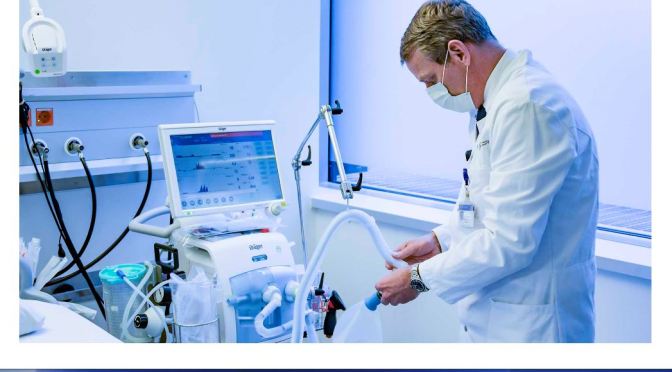
 Facing shortages of critical equipment, medical workers must make life-or-death decisions about who receives care. WSJ’s Joe Palazzolo reports from an emergency room that’s running short on ventilators, and Chris Weaver explains the plans hospitals are putting in place to decide who gets them.


 Bela do Mundo will offer one book from its “The Collection” per day to all readers who subscribe the day before to which they intend to address the “Drive-Thru” of Livraria Lello.
 This is a true act of “Love in the Times of Cholera” by Livraria Lello and her team towards their readers, their city, which is their world. A way to give the community some comfort and some encouragement in these difficult times.


 Monocle 24’s Tyler Brûlé is joined by Benno Zogg and Juliet Linley for a look at how the global press is covering the pandemic and whether the tone of the discussion needs a rethink. Plus: Andrew Mueller’s look at what we learnt this week.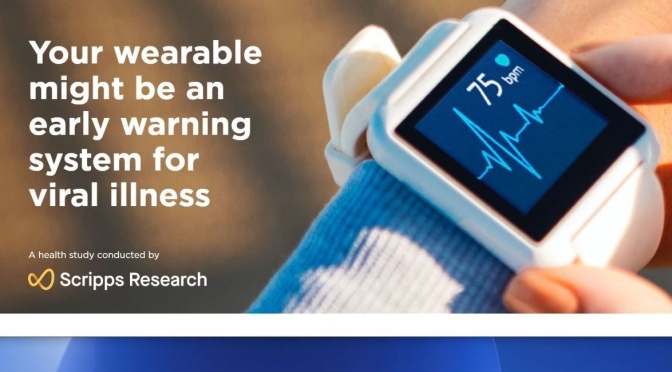
 When your heart beats faster than usual, it can mean that you’re coming down with a cold, flu, coronavirus, or other viral infection. That’s the conclusion of recent medical
 On this week’s show, host Joel Goldberg gets an update on the coronavirus pandemic from Senior Correspondent Jon Cohen. In addition, Cohen gives a rundown of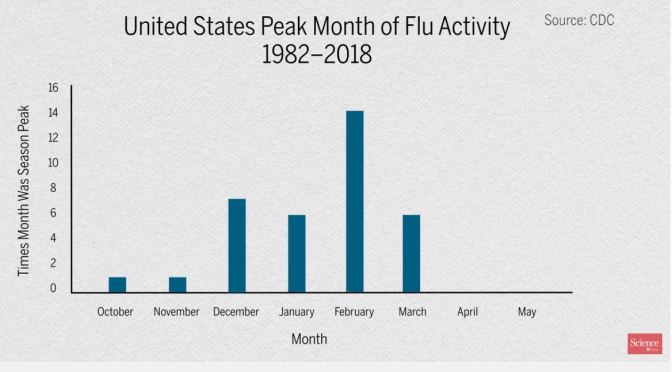

 Though U.S. legislation targeting the problem of surprise medical bills advanced out of key congressional committees in 2019 with support from leaders in both parties, Congress ultimately failed to pass a law to end such bills.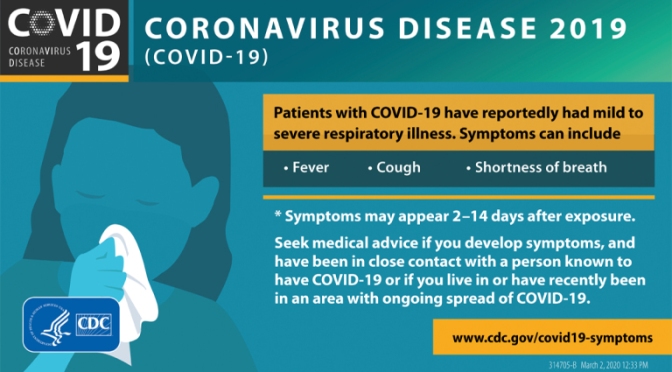

 Chloroquine was shown in 2004 to be active in vitro against SARS coronavirus but is of unproven efficacy and safety in patients infected with SARS-CoV-2. The drug’s potential benefits and risks for COVID-19 patients, without and with azithromycin, is discussed by Dr. David Juurlink, head of the Division of Clinical Pharmacology and Toxicology at Sunnybrook Health Sciences Centre in Toronto.
 Boomers Daily