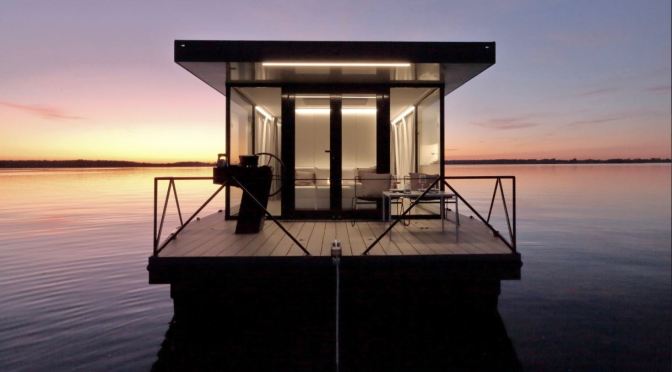
 “Houseboats in the ‘Tom Sawyer wooden hut style’ are still widespread in the tourist sector,” architect Chris Finckh explains the idea behind the new development. “We wanted to build a boat that would allow you to experience the changing natural and urban spaces intensively and in a very special way from the water. It should be a powerful touring houseboat with a high standard of aesthetics and functionality.
“The boat-loving architects, Chris Finckh and Tanja Wunderlich-Finckh, teamed up with Haus & Boot Manufaktur Magdeburg, which specializes in advice, planning and building individual houseboats is and implemented the planning of the architects.
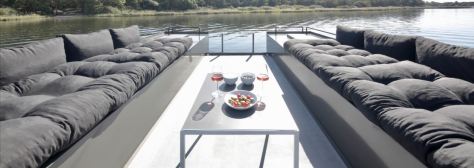
The lounge boat is 44 square meters, has four beds and a small bathroom with all the necessary amenities. It is approved for inland waters (category D), but can also sail larger rivers such as the Elbe or Havel as a version with more motorization. As a spatial extension, there is a U-shaped roof terrace, which is designed as a lounge area and is accessible via a ladder at the rear.
“We have already used the noraplan uni rubber flooring more often in residential construction, it is perfectly suited for the high-quality material concept of the lounge boat,” Finckh continues. “With its silky matt surface and pleasant feel, the material looks extremely classy”.
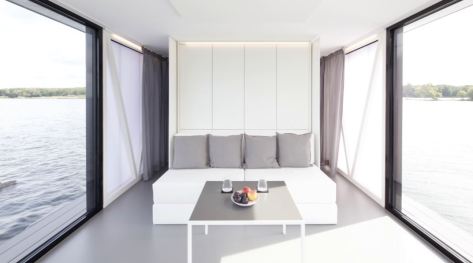
The prototype of the new touring houseboat, which is currently in Werder an der Havel, meets the highest demands in terms of aesthetics and functionality. The color is limited to a minimum, so that there is a lot of space for experiencing nature. The materials also had to match the high-quality ambience and the puristic room concept.
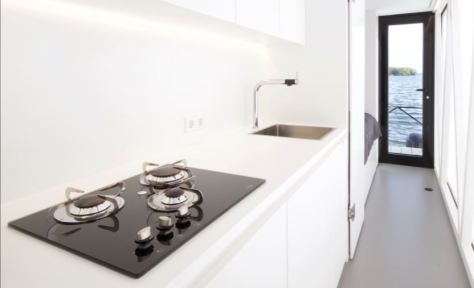
The architect therefore chose the rubber covering noraplan uni from nora systems. The special feature: Not only the floors of the lounge boat, but also the walls were covered with the product. The design classic with its subtle light gray and matt surface ideally underlines the classy, puristic look.
Designer/Architects Website
Read more from Nora.com

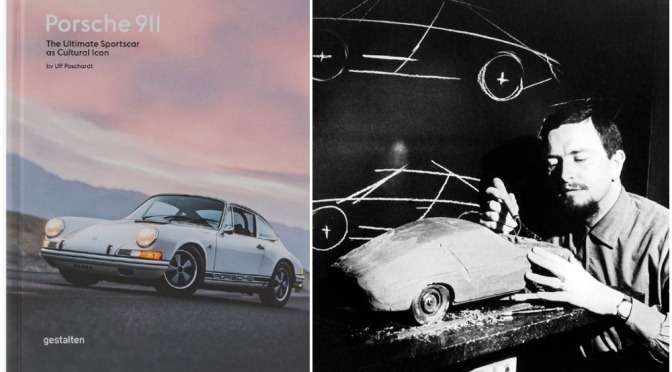
 When Ferdinand Alexander Porsche entered the family business in 1958, he filled an unknown vacuum. An experimental visionary who wanted to challenge tradition, he elevated the design legacy of this famous German brand. From working in the engineering office to craftily creating an icon amongst sportscars, writer Ulf Porschardt reveals how Ferdinand Alexander’s sketches evolved to become a cultural symbol.


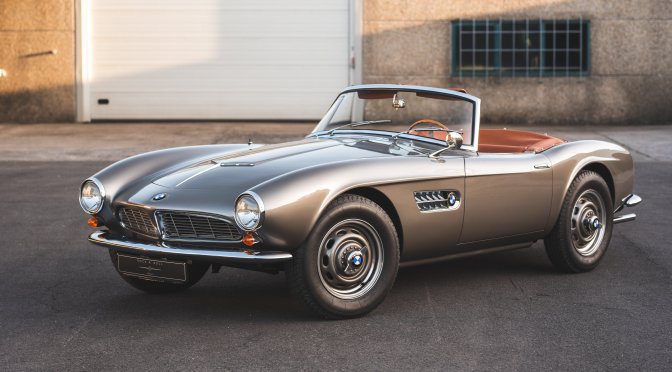
 “Astonishing” is the word we are looking to describe this BMW 507. A word we use a lot if it comes to selling classic cars, but only a little few deserve this ‘title’ like this 507 does. When an exceptional model, with an unique story, from what the historical documents are well archieved, it just makes us going crazy. Add matching numbers and -colors tot his list and we are losing it totally. That’s no different with this 507.
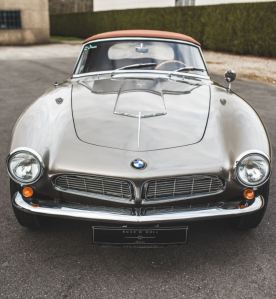 Max Hoffman convinced BMW that if they built a competitor to the Mercedes-Benz 300SL, he would sell it profitable in the United States. The BMW was intended to fill the gap between the affordable sports cars like the triumph and MG and the exclusive cars like the Mercedes-Benz 300SL and Ferrari 250 GT California. Though, BMW couldn’t achieve their target price, for what the BMW 507 was even more expensive than the 300SL. BMW found itself in a financial difficult situation and almost went bankrupt. At the end of the day, BMW recovered from this “failure” and the 507 even became a true flagship in the whole history of automotive.
 In the ‘50s BMW disposed over all fundamental ingredients which would make the 507 complete. An all-aluminium 3.2-litre V8 engine was placed in a shortened chassis of the 502. This ingenious masterpiece produced no less than 150hp and sounds like a guitar solo in your ears. To save weigt, the body was made of aluminium, which results in a 1280kg’s for a fully finished 507. Besides the phenomenal results, BMW wanted to offer luxury as well. Both aspects are just spot on.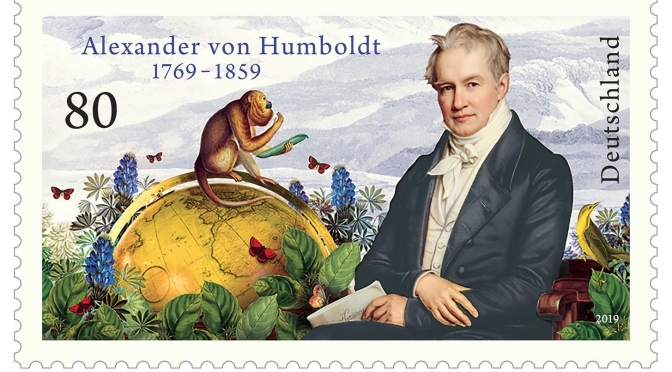
 Alexander von Humboldt might not be a name you know, but you can bet you know his ideas. Back when the United States were a wee collection of colonies huddled on the eastern seaboard, colonists found the wilderness surrounding them scary.
 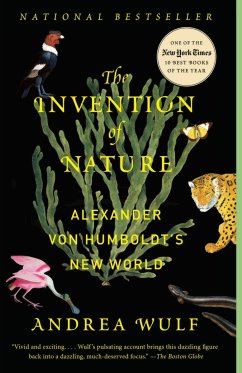 episode, we learn how Humboldt—through science and art—inspired a key part of America’s national identity.
 Boomers Daily