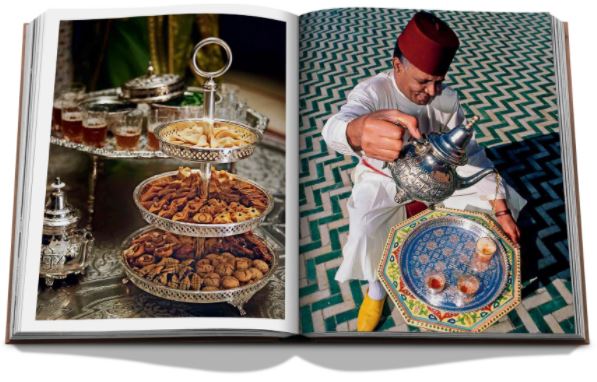
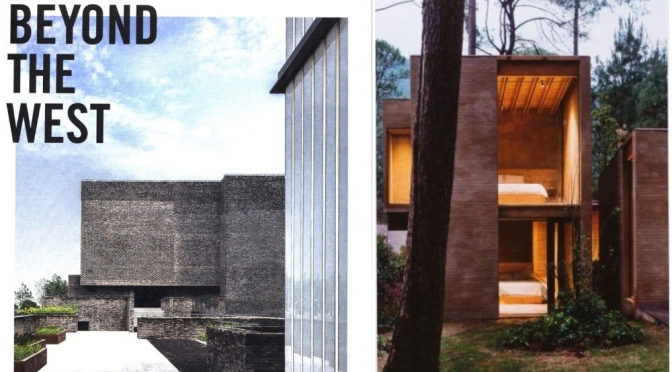
The Art of Earth Architecture demonstrates the wide-ranging applications and sustainability of this building material, while presenting a manifesto for its ecological significance. Featuring raw-earth masterpieces, monumental structures, and little known works, the book includes the temples and palaces of Mesopotamia, the Great Wall of China, large-scale urban developments in Tenochtitlan in Mexico, the medinas of Morocco, and housing in Marrakech and Bogota.
For almost ten thousand years, unbaked earth has been used to build remarkable structures, from simple dwellings to palaces, temples, and fortresses both grand and durable. Jean Dethier spent fifty years researching this landmark global survey, which spans five continents and 250 sites.
This definitive reference features many UNESCO World Heritage sites and contains essays on the historical, technical, and cultural aspects of raw-earth construction from twenty experts in the field, as well as hundreds of photographs, illustrations, and architectural drawings.

Jean Dethier has dedicated his life to the research, safeguarding, and development of earth structures around the world. Dethier worked at the Centre Pompidou as a curator of influential architectural exhibits for thirty years. Winner of the prestigious Grand Prix national de l’architecture, he sat on the jury of the 2016 Terra Award, the first international prize for contemporary earthen structures.
Edward Hopper’s world-famous, instantly recognizable paintings articulate an idiosyncratic view of modern life, unfolding in a world of lonely lighthouses, gas stations, movie theaters, bars and hotel rooms. With his impressive subjects, independent pictorial vocabulary and virtuoso play of colors, Hopper’s work continues to this day to color our memory and imaginary of the United States in the first half of the 20th century.
oil paintings. These paintings testify to the artist’s great interest in the effects of color and his mastery in depicting light and shadow, at work whether the artist was painting alienated figures in dreamlike interiors or desolate American landscapes.

Bela do Mundo will offer one book from its “The Collection” per day to all readers who subscribe the day before to which they intend to address the “Drive-Thru” of Livraria Lello.
This is a true act of “Love in the Times of Cholera” by Livraria Lello and her team towards their readers, their city, which is their world. A way to give the community some comfort and some encouragement in these difficult times.

BBC Radio 4 “Books And Authors” Talks To Maggie O’Farrell on her new novel, “Hamnet”
On a summer’s day in 1596, a young girl in Stratford-upon-Avon takes to her bed with a fever. Her twin brother, Hamnet, searches everywhere for help. Why is nobody at home?
Monocle 24 speaks with Gill Saunders and Margaret Timmers about their upcoming book ‘The Poster’ from Thames & Hudson in partnership with the V&A.
Museum, this book is the perfect resource for all those who appreciate one of the most popular art forms.
art lover Wilhelm Hansen, the masterpieces of 19th-century French painting in this volume represent the very best of French impressionism.
He began his career at GQ as an intern in 1979 and has since played a pivotal role in reshaping men’s fashion during his nearly forty-year tenure at the magazine. From discovering new designers, distilling the latest men’s trends, and extolling fashion advice and critiques in his popular online video series GQ Rules, to Channing Tatum wearing a “JIM F&%#ING MOORE” T-shirt, Moore’s influence and impact on men’s style is unequivocal.
Alexander von Humboldt might not be a name you know, but you can bet you know his ideas. Back when the United States were a wee collection of colonies huddled on the eastern seaboard, colonists found the wilderness surrounding them scary.
episode, we learn how Humboldt—through science and art—inspired a key part of America’s national identity.
Since it first opened its doors in Rio de Janeiro in 1870, Granado has remained true to its founding mission: to concoct local, natural remedies and cosmetics, crafted from flora of Brazil. Such a formula is responsible for Granado’s endurance through time and its current standing as Brazil’s oldest pharmacy and apothecary.
Today, Granado has three boutiques in Paris and a significant online presence in Europe; but the story of Granado’s rise begins with the tale of one man’s singular vision. At a time when medicines used toxic substances such as mercury and arsenic, José Antonio Coxito Granado began to develop natural alternatives that would quickly revolutionize the world of pharmaceuticals in Brazil. In a text enlivened by more than 200 images that capture the bright colors, botanical terrain, and vibrant aesthetics of Rio, writer Hermés Galvao traces the brand’s history, from its modest roots to its time as the Official Pharmacy of the Brazilian Imperial Family and its eventual growth into a global brand under a new family’s ownership. Featuring an illustrious cast of characters and overlapping with some of the most influential eras in Brazilian history, the story of Granado is a tale as rich as the land that yields its products.