

Few experiences can beat diving into a pool in the fresh air, swimming with blue skies above you. Whether it’s a dip into a busy and bustling city pool on a sweltering summer day, or taking the plunge in icy waters, the lido provides a place of peace in a frenetic world.
The book begins with a history of outdoor pools – their grand beginnings after the buttoned-up Victorian era, their falling popularity in the 20th century, and the newfound appreciation for the outdoor pool, or lido, and outdoor swimming in the 21st century.
Journalist and architectural historian Christopher Beanland picks the very best of the outdoor pools around the world, including the Icebergs Pool on Bondi Beach, Australia; the 137m seawater pool in Vancouver, Canada; Siza’s concrete sea pools in Porto, Portugal; the restored art deco pool in Saltdean, UK, and the pool at the Zollverein Coal Mines in Essen, Germany. The book also features lost lidos and the fascinating history behind the architecture of the pools, along with essays on swimming pools in art, and the importance of pools in Australia. In addition there are interviews with pool users around the globe about why they swim. The book is illustrated throughout with beautiful colour photography, as well as archive photography and advertising.
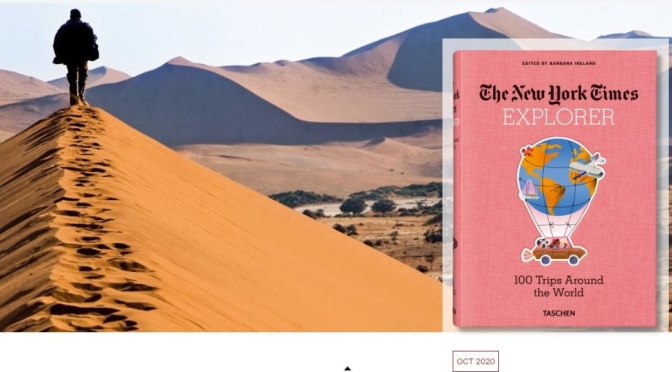
 NYT Explorer. 100 Trips Around the World takes travel beyond the obvious with adventures in exotic places and new perspectives in familiar ones, all based on the distinguished travel journalism of The New York Times. Each journey features a first-person narrative and postcard-perfect photography, capturing the unique personality of the destination—as well as practical information to help get you on your way.

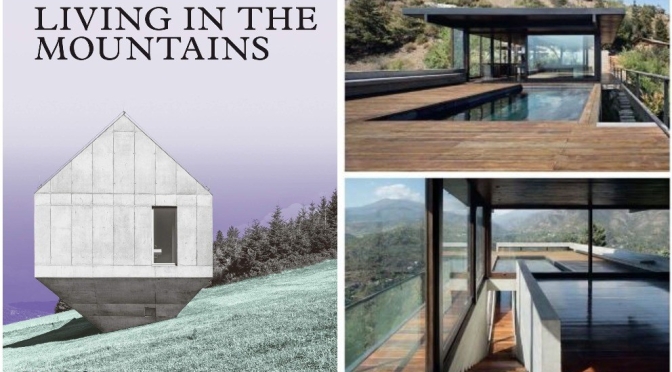
 Whether snow-capped, rocky, or covered with verdant forest, the sublime wilderness of mountains has inspired humans for millennia. Offering respite from urban living and a profound connection to nature, mountain landscapes also present unique challenges that have resulted in innovative, resourceful, and beautiful residential architecture. Living in the Mountains is the definitive global tour, showcasing the finest examples of architect-designed homes, whether furnished with impressive views, offering protection from harsh environments, or simply reveling in their extraordinary altitude.


 Boomers Daily