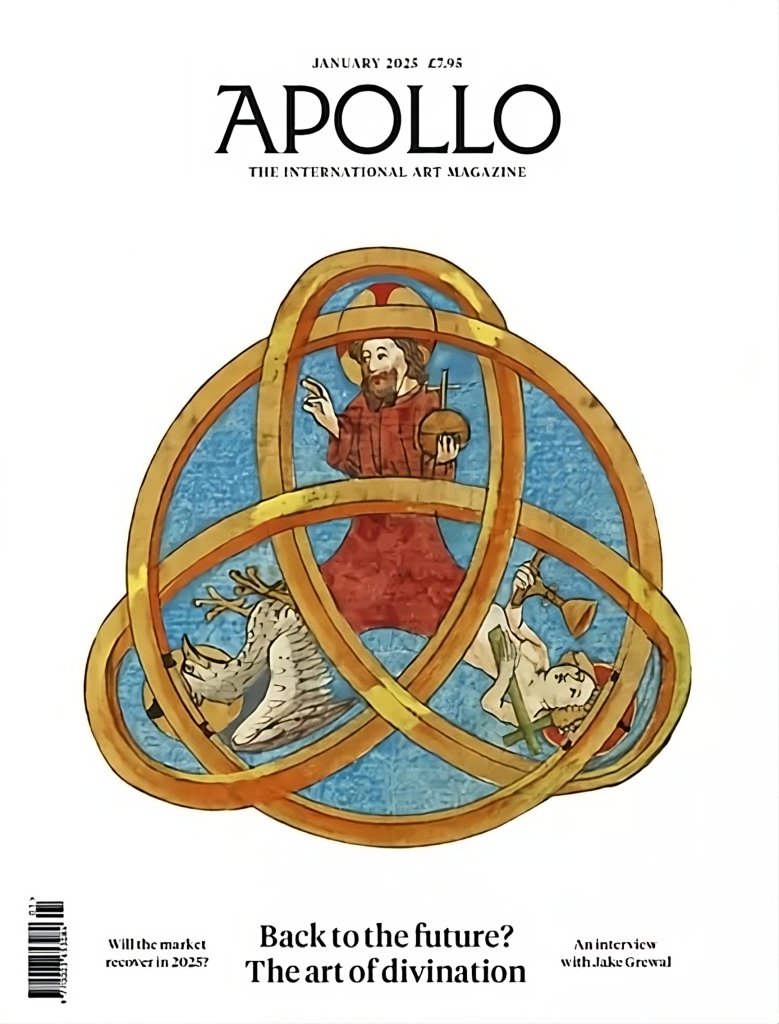
The author of ‘A Chance Meeting’ talks to Apollo about the reissue of her dazzlingly original account of more than a century of artistic endeavour in the United States
The designer’s wallpaper patterns are so familiar that they’re in danger of being taken for granted – but there’s still plenty to discover if we look more closely
THE ART NEWSPAPER (January 17, 2025): This week: the Los Angeles wildfires. The Art Newspaper’s West Coast contributing editor in LA, Jori Finkel, tells our associate digital editor, Alexander Morrison, about the devastation in Southern California, and its effect on artists and institutions.
The World Monuments Fund (WMF), the independent organisation devoted to safeguarding global heritage has released its biennial World Monuments Watch, a list of 25 sites that are potentially threatened. The aim of the list is, according to the WMF to “mobilise action, build public awareness, and demonstrate how heritage can help communities confront the crucial issues of our time”. Ben Luke talks to John Darlington, the director of projects for WMF Britain, who also reflects on the future of the organisation’s project to train Syrian refugees in stonemasonry skills, in the wake of the change in government in Syria. And this episode’s Work of the Week is All About Painting in Colour: An Illustrated Book, a portfolio in two volumes made by the leading artist of the late Edo period in Japan, Katsushika Hokusai. The last of his drawing manuals, made by the artist at the very end of his life, it features in a new book, Hokusai’s Method. We talk to Ryoko Matsuba, one of the authors of the new book.
Hokusai’s Method, with texts by Kyoko Wada and Ryoko Matsuba, is published by Thames and Hudson. It is out on 23 January in the UK, and priced £35, and on 4 February in the US, priced $45.
The Art Newspaper’s book The Year Ahead 2025, an authoritative guide to the year’s unmissable art exhibitions, museum openings and significant art events, is still available to buy at theartnewspaper.com for £14.99 or the equivalent in your currency. Buy it here.
THE ART NEWSPAPER (January 10, 2025): A 2025 preview: Georgina Adam, our editor-at-large, tells host Ben Luke what might lie ahead for the market. And Ben is joined by Jane Morris, editor-at-large, and Gareth Harris, chief contributing editor, to select the big museum openings, biennials and exhibitions.
Exhibitions:
Site Santa Fe International, Santa Fe, US, 28 Jun-13 Jan 2026; Liverpool Biennial, 7 Jun-14 Sep; Folkestone Triennial, 19 Jul-19 Oct; Ruth Asawa: A Retrospective, San Francisco Museum of Modern Art, 5 Apr-2 Sep; Museum of Modern Art (MoMA), New York, 19 Oct-7 Feb 2026; Gabriele Münter, Guggenheim Museum, New York, 7 Nov-26 Apr 2026; Musée d’Art Moderne de Paris, 4 Apr-24 Aug; Elizabeth Catlett: a Black Revolutionary Artist, Brooklyn Museum, New York, until 19 Jan; National Gallery of Art (NGA), Washington DC, 9 Mar-6 Jul; Art Institute of Chicago, US, 30 Aug-4 Jan 2026; Ithell Colquhoun, Tate Britain, London, 13 Jun-19 Oct; Abstract Erotic: Louise Bourgeois, Eva Hesse, Alice Adams, Courtauld Gallery, London, 20 Jun-14 Sep; Michaelina Wautier, Kunsthistorisches Museum, Vienna, 30 Sep-25 Jan 2026; Radical! Women Artists and Modernism, Belvedere, Vienna, 18 Jun-12 Oct; Dangerously Modern: Australian Women Artists in Europe, Art Gallery of South Australia, Adelaide, 24 May-7 Sep; Art Gallery of New South Wales, Sydney, 11 Oct-1 Feb 2026; Lorna Simpson: Source Notes, Metropolitan Museum of Art, New York, 19 May-2 Nov; Amy Sherald: American Sublime, SFMOMA, to 9 Mar; Whitney Museum of American Art, New York, 9 Apr-Aug; National Portrait Gallery, Washington DC, 19 Sep-22 Feb 2026; Shahzia Sikander: Collective Behavior, Cincinnati Art Museum, 14 Feb-4 May; Cleveland Museum of Art, US, 14 Feb-8 Jun; Cantor Arts Center, Stanford, US, 1 Oct-25 Jan 2026; Jenny Saville: The Anatomy of Painting, National Portrait Gallery, London, 20 Jun-7 Sep; Linder: Danger Came Smiling, Hayward Gallery, London, 11 Feb-5 May; Arpita Singh, Serpentine Galleries, London, 13 Mar-27 Jul; Vija Celmins, Beyeler Collection, Basel, 15 Jun-21 Sep; An Indigenous Present, ICA/Boston, US, 9 Oct-8 Mar 2026; The Stars We Do Not See, NGA, Washington, DC, 18 Oct-1 Mar 2026; Duane Linklater, Dia Chelsea, 12 Sep-24 Jan 2026; Camden Art Centre, London, 4 Jul-21 Sep; Vienna Secession, 29 Nov-22 Feb 2026; Emily Kam Kngwarray, Tate Modern, London, 10 Jul-13 Jan 2026; Archie Moore, Queensland Gallery of Modern Art, 30 Aug-23 Aug 2026; Histories of Ecology, MASP, Sao Paulo, 5 Sep-1 Feb 2026; Jack Whitten, Museum of Modern Art, New York, 23 Mar-2 Aug; Wifredo Lam, Museum of Modern Art, Rashid Johnson, Solomon R. Guggenheim Museum, New York, 18 Apr-18 Jan 2026; Adam Pendleton, Hirshhorn Museum and Sculpture Garden, Washington DC, 4 Apr-3 Jan 2027; Marie Antoinette Style, Victoria and Albert Museum, London, 20 Sep-22 Mar 2026; Leigh Bowery!, Tate Modern, 27 Feb- 31 Aug; Blitz: the Club That Shaped the 80s, Design Museum, London, 19 Sep-29 Mar 2026; Do Ho Suh, Tate Modern, 1 May-26 Oct; Picasso: the Three Dancers, Tate Modern, 25 Sep-1 Apr 2026; Ed Atkins, Tate Britain, London, 2 Apr-25 Aug; Turner and Constable, Tate Britain, 27 Nov-12 Apr 2026; British Museum: Hiroshige, 1 May-7 Sep; Watteau and Circle, 15 May-14 Sep; Ancient India, 22 May-12 Oct; Kerry James Marshall, Royal Academy of Arts, London, 20 Sep-18 Jan 2026; Kiefer/Van Gogh, Royal Academy, 28 Jun-26 Oct; Anselm Kiefer, Ashmolean Museum, Oxford, 14 Feb-15 Jun; Anselm Kiefer, Van Gogh Museum, Stedelijk Museum, Amsterdam, 7 Mar-9 Jun; Cimabue, Louvre, Paris, 22 Jan-12 May; Black Paris, Centre Pompidou, Paris, 19 Mar-30 Jun; Machine Love, Mori Art Museum, Tokyo, 13 Feb-8 Jun
Donald Trump’s election as President of the United States anoints him as “Disruptor in Chief”, a vital role with world-historical significance. Trump’s ascension to this position was presaged in Ayn Rand’s stupendous novel Atlas Shrugged (1957), whose central character, John Galt, confronts a similarly sclerotic America, which he sets out systematically to disrupt in a radical, transformative manner. This highly controversial novel is important in illuminating what is at stake at the cultural level in the struggle to come, and in emphasising the scale and direction of the challenges facing Trump, his administration and his supporters. Atlas Shrugged is also valuable because, together with Rand’s earlier novel The Fountainhead (1943), it offers in compelling fictional form a powerful, necessarily hyperbolic, statement of the philosophical values that must be reasserted to make America great again.
If Hillbilly Elegy was compulsory reading for observers of American politics wanting to understand Trump’s first presidency, Walter Isaacson’s biographical portrait of Elon Musk is mandatory holiday reading for those wanting to understand how Donald J. Trump turned so many critics into passionate supporters and won a resounding presidential vote in 2024, and to gauge how his nation-reshaping policies might play out over the next four years.
THE ART NEWSPAPER (December 20, 2024): It is the final episode of 2024 and so, as always, we review the year, looking at the top stories, the big issues and the best art.
Host Ben Luke is joined by The Art Newspaper’s contemporary art correspondent, Louisa Buck, our art market editor, Kabir Jhala, and Ben Sutton, our editor in the Americas.
Under discussion, among much else: the growing faultlines between institutions and artists in relation to Gaza; the big museum stories, from Saudi Arabian funding to attacks on artworks and restitution; a market roundup; culture and the climate emergency; and the panel’s exhibitions and biennials of the year.
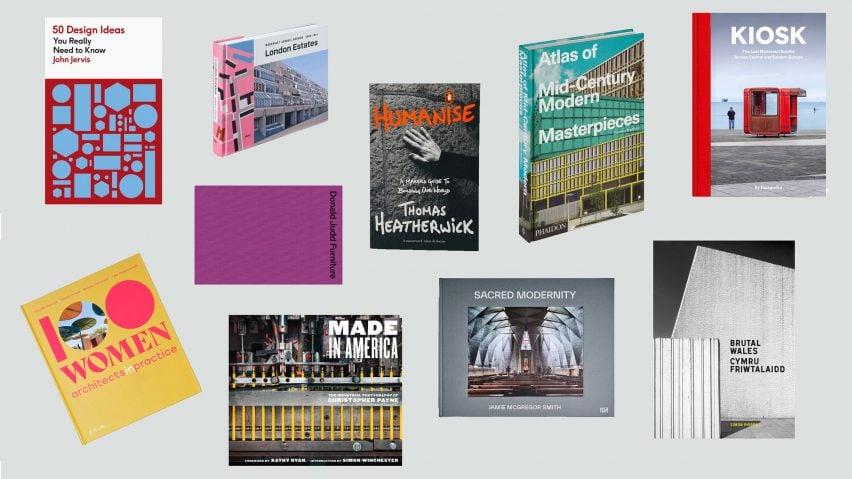
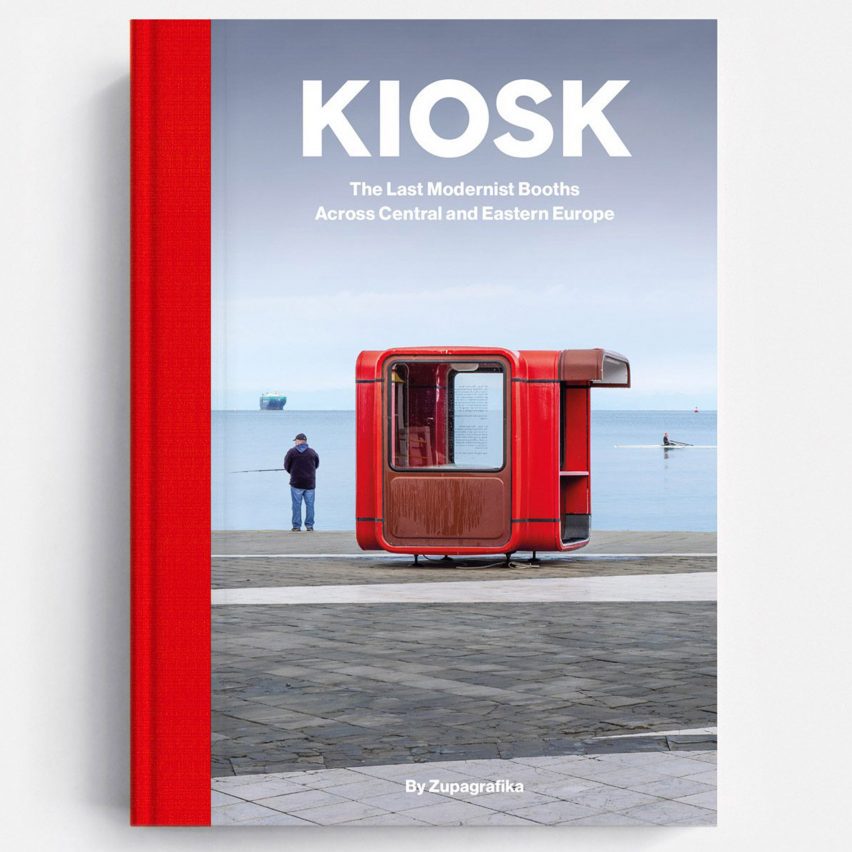
Simply named Kiosk, this book features photos of more than 150 modernist, modular kiosks that brighten streets across central and eastern Europe.
Authors David Navarro and Martyna Sobecka aimed to draw attention to the surviving, unusual structures that were constructed in factories in the Eastern Bloc from the 1970s to the 1990s.
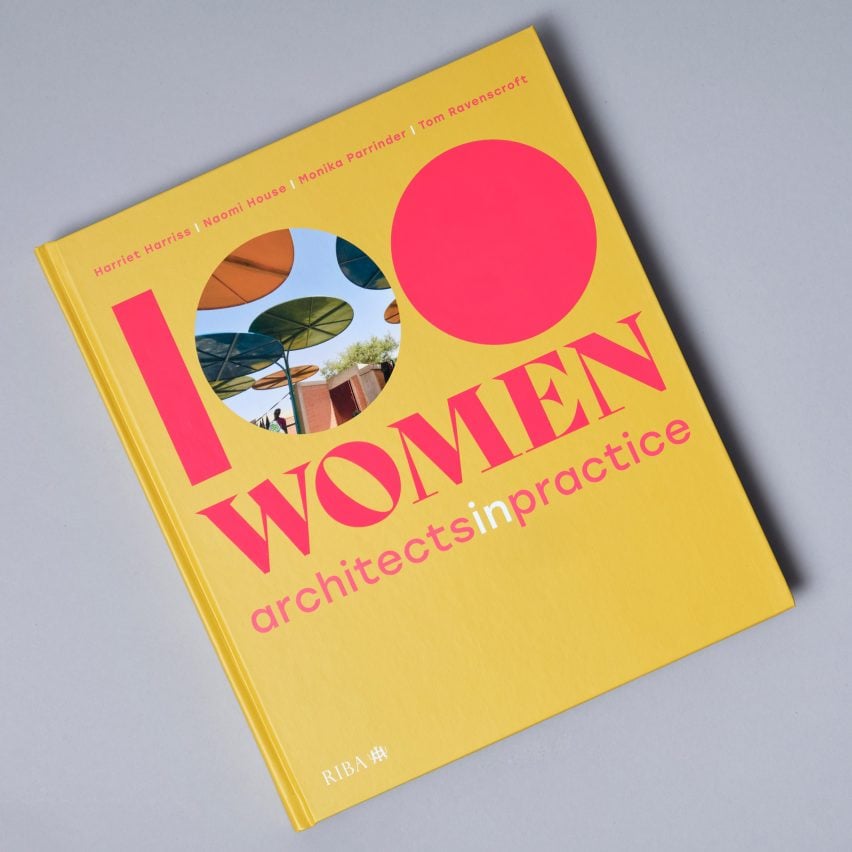
Written by academics Harriet Harriss, Naomi House, Monika Parrinder and Dezeen editor Tom Ravenscroft, 100 Women: Architects in Practice showcases the work of architects from 78 different countries.
The book contains interviews with some of the world’s best-known architects including Liz Diller, Tatiana Bilbao, Mariam Issoufou Kamara and Lina Ghotmeh, along with numerous women who have not yet received extensive global attention.
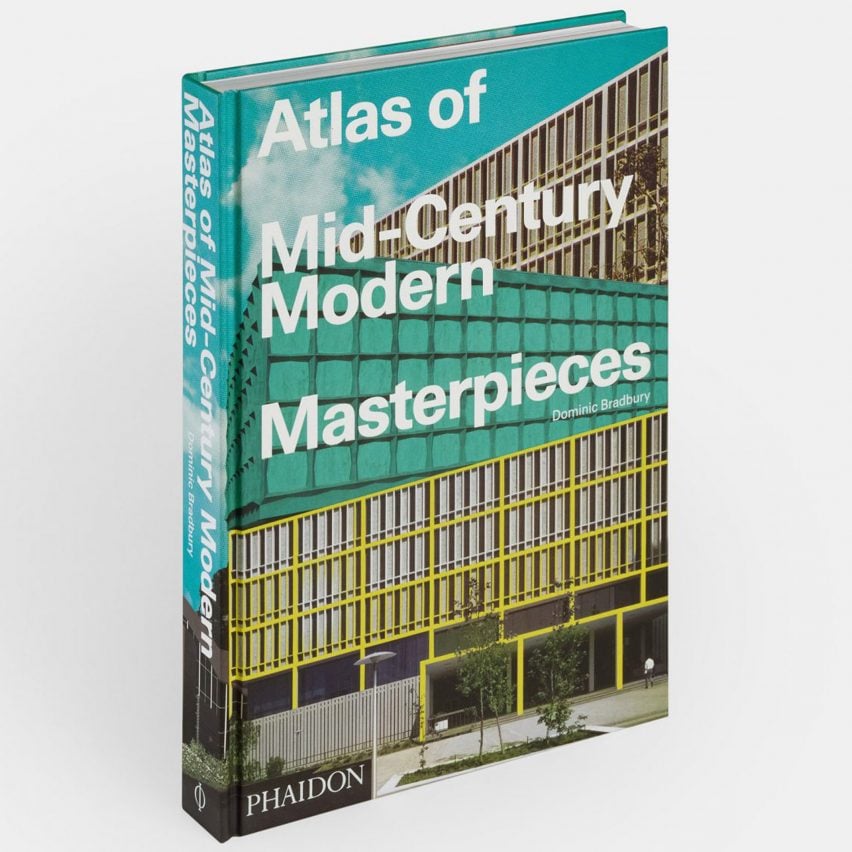
The book not only contains many of the key buildings created by the movement’s trailblazers but also those designed by more under-represented architects.
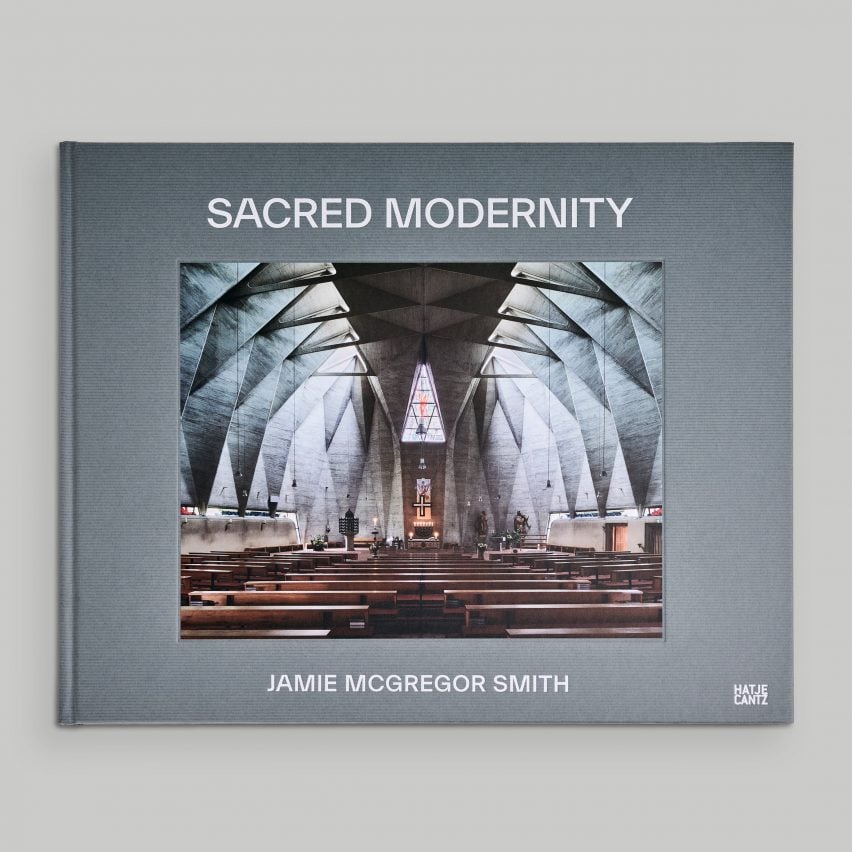
Sacred Modernity aimed to showcase the “unique beauty and architectural innovation” of brutalist churches across Europe.
The book contains 139 photographs of 100 churches taken by photographer Jamie McGregor Smith over five years, along with essays by writers Jonathan Meades and Ivica Brnic.
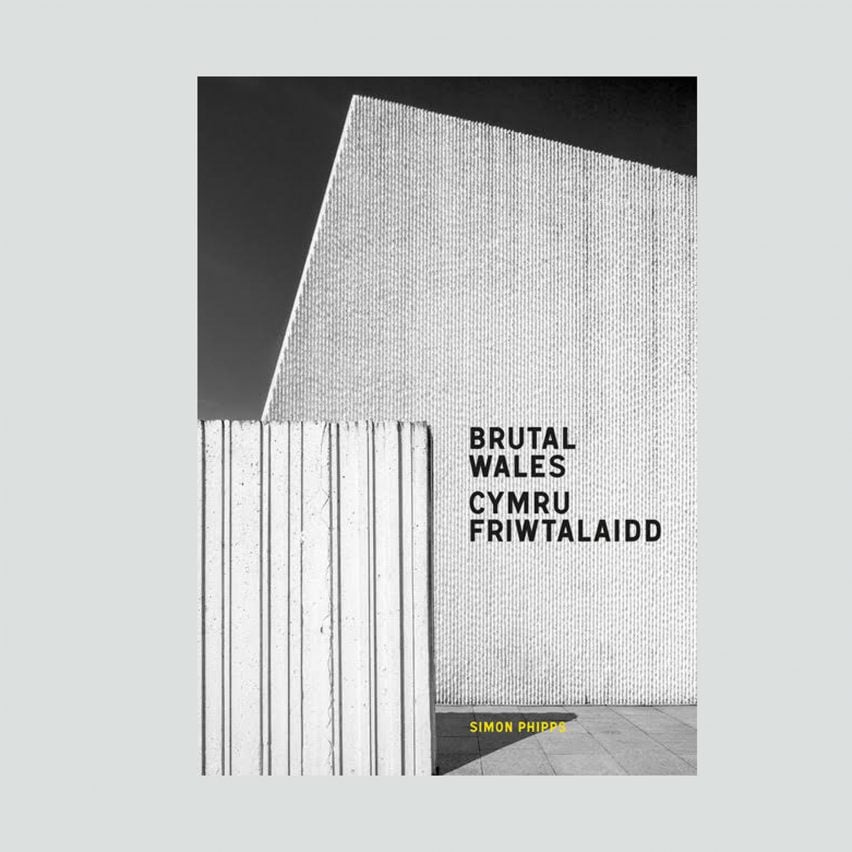
Simon Phipps’ follow up to his Brutal North and Brutal London books, Brutal Wales highlights architecture in the brutalist style across the country.
Alongside photography of 60 buildings, the book has explanatory texts in both Welsh and English, as well as an introduction by social historian John Grindrod.
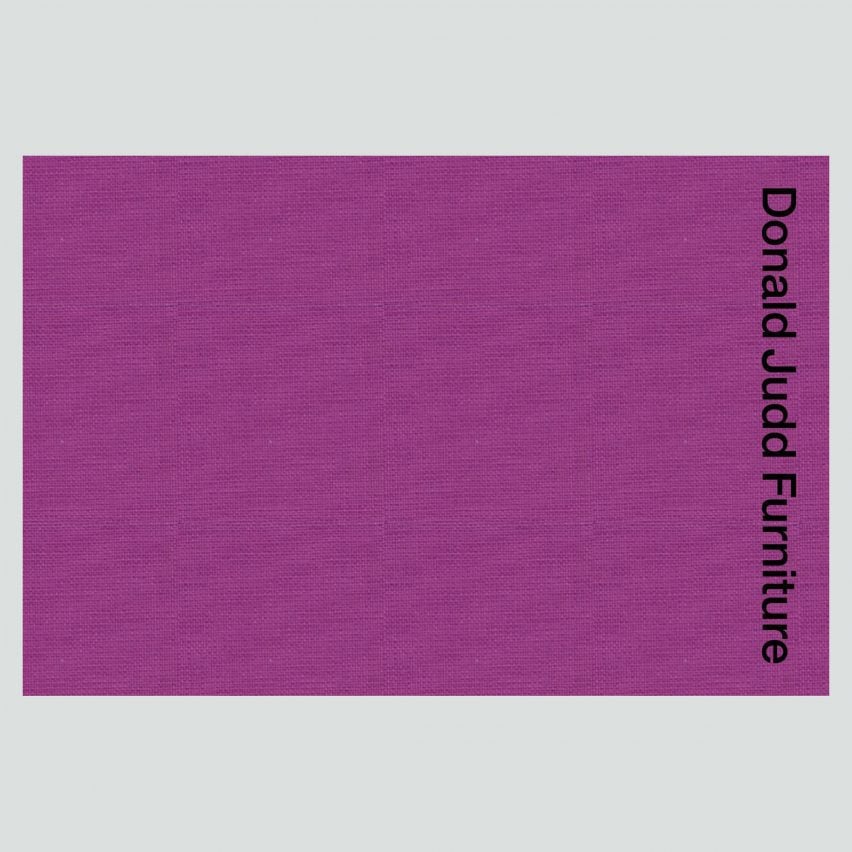
The Donald Judd Furniture book contains photos of all the furniture pieces created by the artist for his New York and Marfa, Texas, properties that remain in production.
Along with the photos, the book contains archival sketches by Judd, newly commissioned drawings of each piece and several essays by the artist.
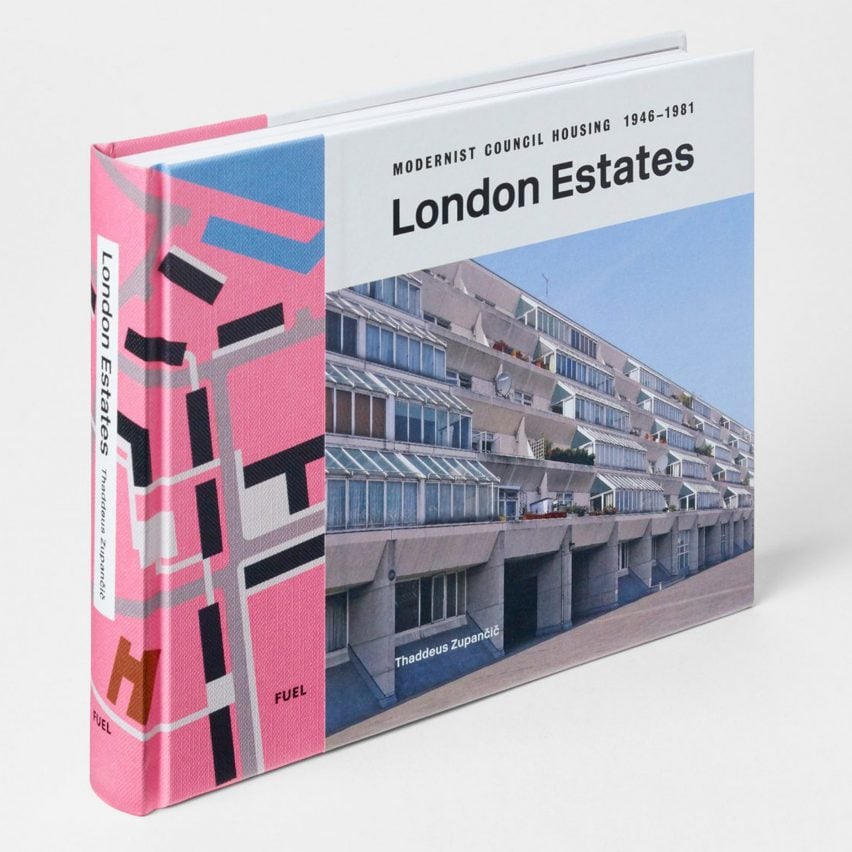
London Estates documents the modernist council housing built in the UK capital in the post-war period.
Described by publisher Fuel as “the most comprehensive photographic document of council housing schemes in the capital”, the book was photographed by Thaddeus Zupančič.
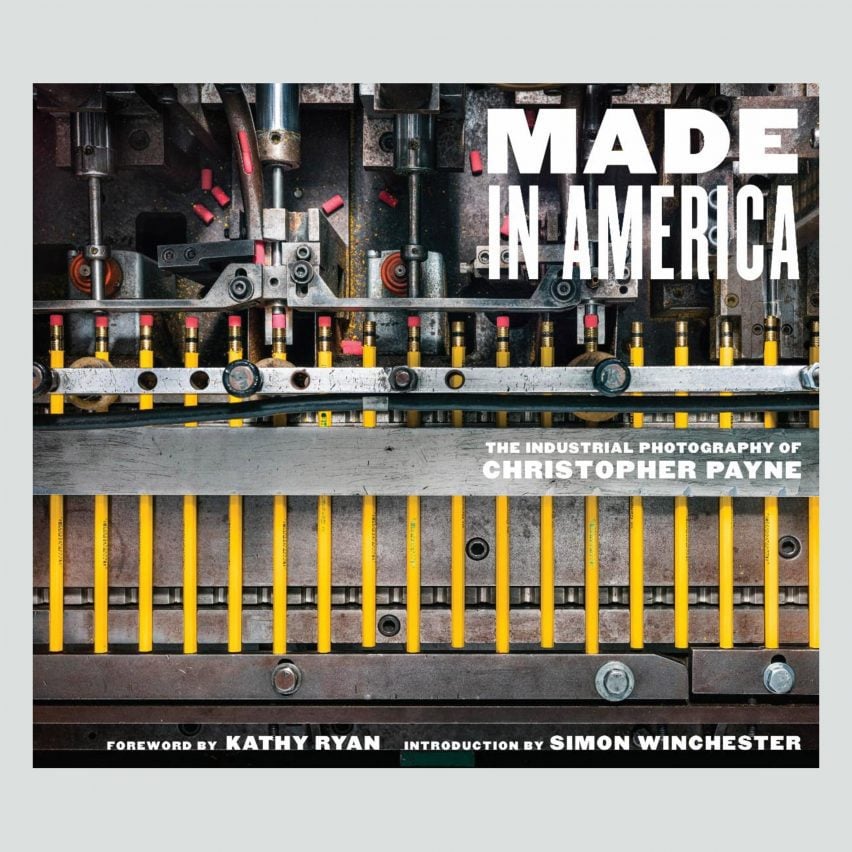
Photographer Christopher Payne’s Made in America book contains images taken over the past decade in the USA’s factories.
Payne created the book as a way of helping to preserve the legacy of industry in America, while documenting the skill of workers who are featured in the photography.
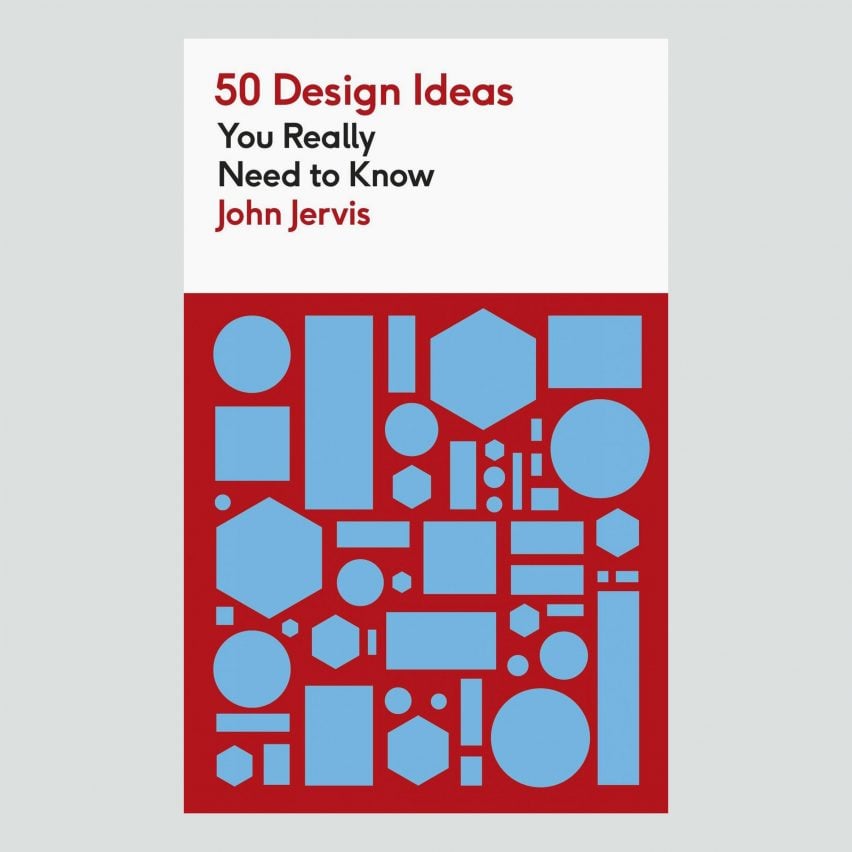
The latest book in the 50 ideas series, 50 Design Ideas You Really Need to Know contains essays tracking the evolution of design from the 19th century to today.
Written by John Jervis, the book aims to make a broad range of design concepts accessible to a wide audience.
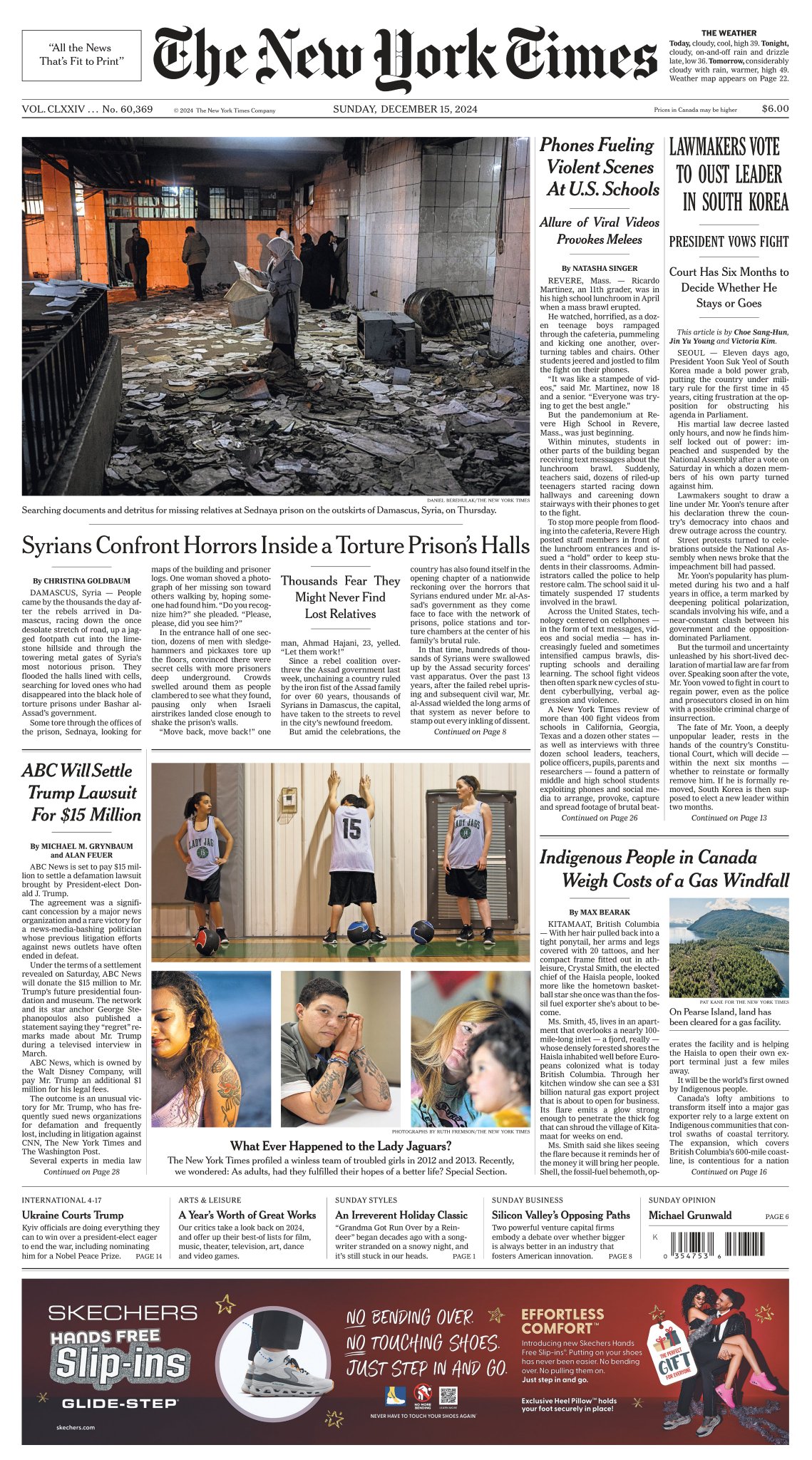
When we met them a dozen years ago, they were teenagers in trouble, playing for a basketball team that always lost. Did they find a way to win at life?
Gas Could Mean Billions for Indigenous People in Canada. Some Fear a Cost.
New export terminals along the rugged Pacific coastline have reignited a generations-old debate over identity and environmental stewardship.
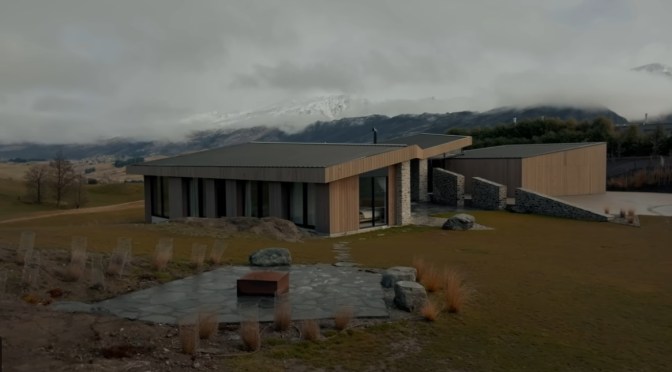
The Local Project (December 15, 2024): Located in the Wakatipu Basin on New Zealand’s South Island, Kārearea House by RTA Studio, which takes inspiration from the region’s majestic native falcons, is the most breathtaking home shaped by nature.
00:00 – Introduction to the Most Breathtaking Home 01:12 – The Location Centred Brief 02:36 – Approaching the Home 03:09 – Walkthrough of the House 04:11 – Restrained Interior Styling 05:44 – The Kitchen Design and Appliances 07:21 – A Balanced Material Palette 08:29 – Curating The Views 09:21 – Proud Moments
What defines it, however, is the site’s staggering 360-degree views to The Remarkables, Coronet Peak and the Crown Range, and the architects’ response to these multifaceted aspects. “We’ve done a few houses in this area and, over the years, we’ve developed an approach that’s firstly about identifying the significant views,” says Richard Naish, founder of RTA Studio.
Though Naish acknowledges that the perspectives are a gift, he believes good architecture is more about the control and release of views. This philosophy underscored RTA Studio’s approach to crafting the most breathtaking home shaped by nature. The roof lines played heavily into this idea; designed to follow the contours of the land and echo the surrounding topography, the roof dips in parts and soars in others, creating views both vast and precise.





 Boomers Daily