
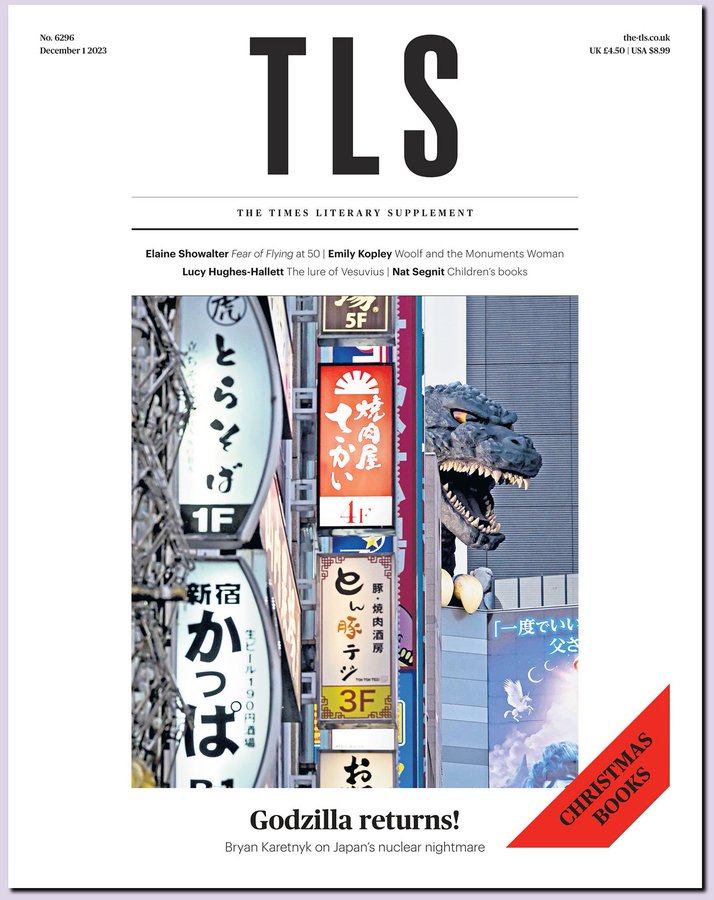

Times Literary Supplement (December 1, 2023): The new issue features Godzilla returns! – Japan’s nuclear nightmare; Fear of flying at 50; Woolf and the Monuments woman; The lure of Vesuvius, Christmas Books and more…

Times Literary Supplement (December 1, 2023): The new issue features Godzilla returns! – Japan’s nuclear nightmare; Fear of flying at 50; Woolf and the Monuments woman; The lure of Vesuvius, Christmas Books and more…
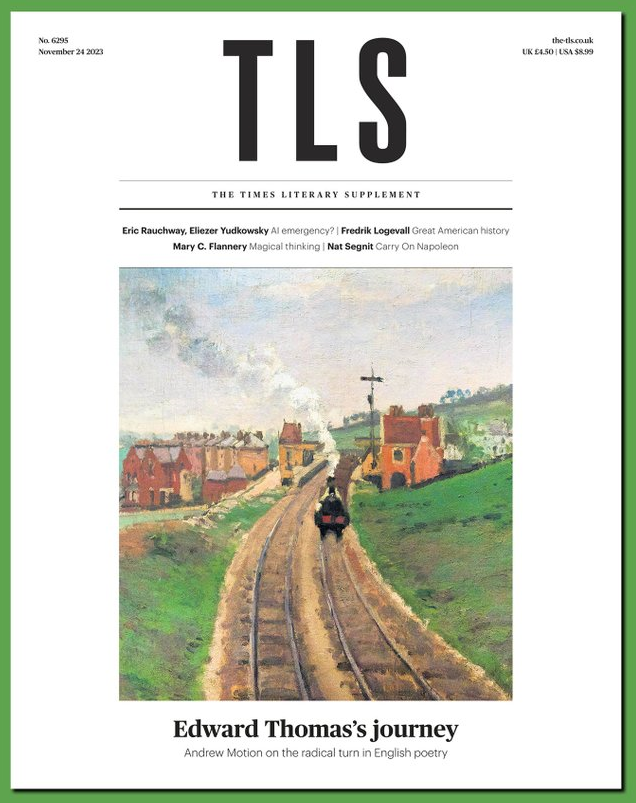
Times Literary Supplement (November 22, 2023): The new issue features Edward Thomas’s journey – The radical turn in English poetry; An AI emergency; Great American history; Magical thinking; Carry On Napoleon, and more…
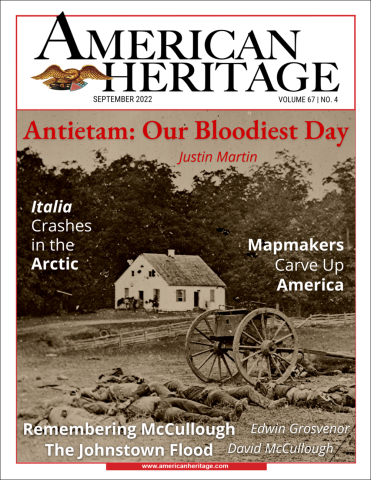
In September 1862 the South hoped to end the war by invading Maryland just before the mid-term elections. But its hopes were dashed after the bloodiest day in American history. By Justin Martin
In the hills above Johnstown, the old South Fork dam had failed. Down the Little Conemaugh came the torrent, sweeping away everything in its path. By David McCullough
He became the dean of American historians after learning his craft working for five years on the staff of American Heritage. By Edwin S. Grosvenor
By artfully illustrating the boundaries of colonial powers, mapmakers in the 1700s helped define what our New World would become. By Neal Asbury, Jean-Pierre Isbouts
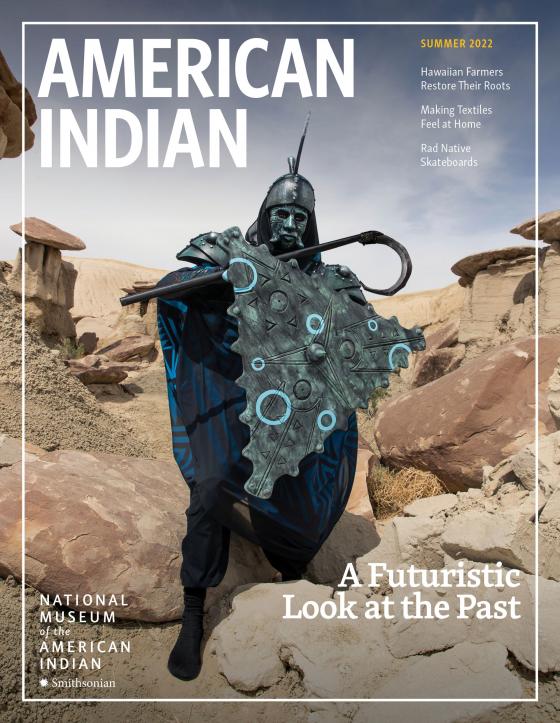
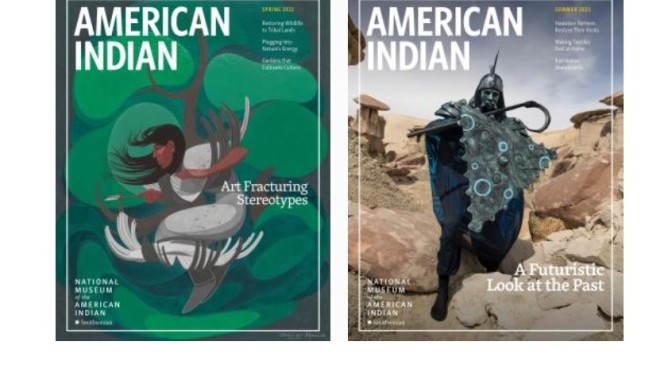
Watching Over the Past: Virgil Ortiz’s Futuristic Creations Are Perpetuating Cochiti Pueblo Pottery-Making Traditions
Virgil Ortiz still remembers the outings he took as a 6-year-old boy with his mother to creeks throughout their Pueblo of Cochiti in New Mexico. There, they would gather clay to mold into pots and storytellers—seated comical human or animal figures. His father was a drum maker and his mother and grandmother were both potters. He remembers giving prayers of thanks to Mother Earth for providing clay, a medium through which they could express themselves. “I was surrounded by art every day,” says Ortiz.
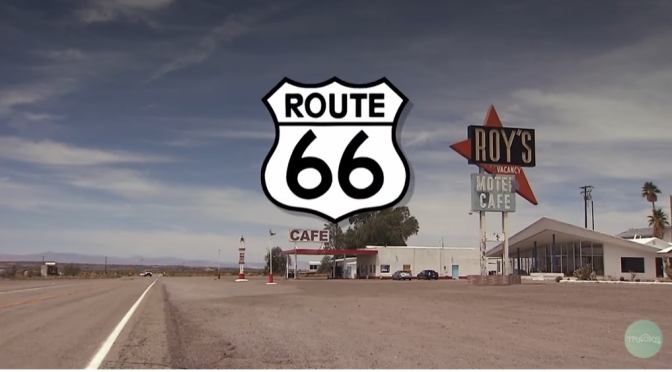
The historic ‘Mother Road’ of America is Route 66. It has connected Chicago and Los Angeles across eight states and four time zones since it was opened almost 80 years ago. It now provides a nostalgic and entertaining journey through a dramatic and exciting period of American history.
From Chicago in the east to Los Angeles in the west, there is only one direction in songs, novels, and for Route 66 lovers. This fabled route snakes its way through the gorges of the city at Lake Michigan before becoming a rural road for about 4000 kilometres across “Small-town America.” In many parts, Route 66 still looks like a museum from the 1930s and 1950s. This three-part series delves into the rich and historic route that has come to resemble a piece of American history, geography, and faded American ambitions from the past.
Read by Shane Morris. – Chief Tecumseh was a great Native American warrior chief who was leader of a large tribal confederacy which opposed the United States during Tecumseh’s War. Although his efforts to unite Native Americans ended with his death in the War of 1812, he became an iconic folk hero in American, Indigenous, and Canadian history.
Tecumseh was a Shawnee chief, warrior, diplomat, and orator who promoted resistance to the expansion of the United States onto Native American lands. He traveled widely, forming a Native American confederacy and promoting tribal unity.
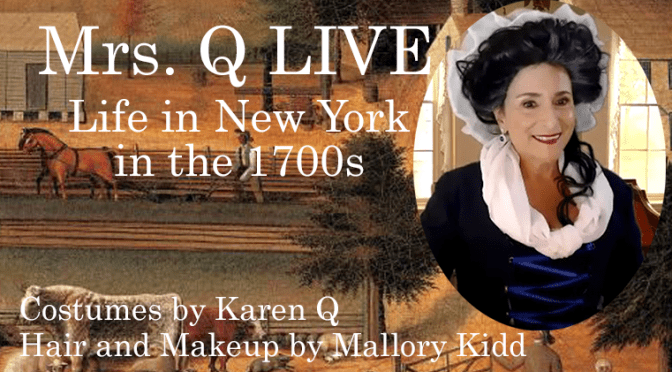
New York City LIVE: Downtown Manhattan in the American Revolution with Karen Q’s Patriot Tours.
Karen Q is a Revolutionary War and Founding Era historian. She is the author of Theodosia Burr: Teen Witness to the Founding of a New Nation, 21st Century Imprints, Lerner Books. She also appears in area Revolutionary War reenactments as “Mrs. Q”. Karen is a regular cast member of the Travel Channel’s *Mysteries at the Museum* and has appeared on more than twenty episodes. You can see a full list of episodes here.
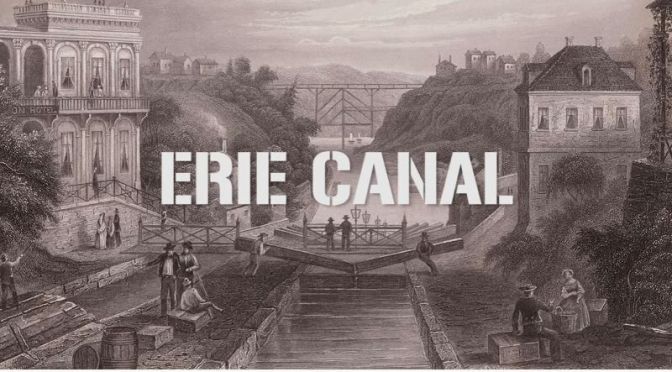
The Erie Canal is a 363-mile waterway that connects the Great Lakes with the Atlantic Ocean via the Hudson River in upstate New York. The channel, which traverses New York state from Albany to Buffalo on Lake Erie, was considered an engineering marvel when it first opened in 1825.
The Erie Canal provided a direct water route from New York City to the Midwest, triggering large-scale commercial and agricultural development—as well as immigration—to the sparsely populated frontiers of western New York, Ohio, Indiana, Michigan and points farther west. The canal transformed New York City into the young nation’s economic powerhouse, and in 2000 the U.S. Congress designated the Erie Canal a National Heritage Corridor.
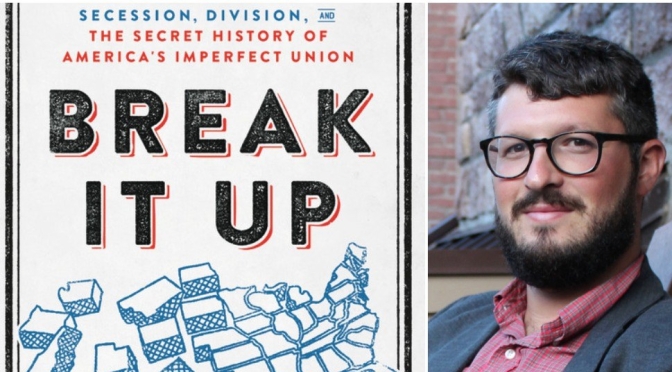
“Disunion—the possibility that it all might go to pieces—is a hidden thread through our entire history,” the journalist and historian Richard Kreitner writes in Break It Up: Secession, Division, and the Secret History of America’s Imperfect Union.
“Our refusal to recognize this, like patients who insist, against all evidence, that they are not ill, has been a major cause of our political dysfunction and social strife. Secession is the only kind of revolution we Americans have ever known and the only kind we’re ever likely to see.” On this episode of The World in Time, Lewis H. Lapham and Kreitner start at the beginning of the United States of America and trace this history of disunion up to the present. Lewis H. Lapham speaks with Richard Kreitner, author of “Break It Up: Secession, Division, and the Secret History of America’s Imperfect Union.”
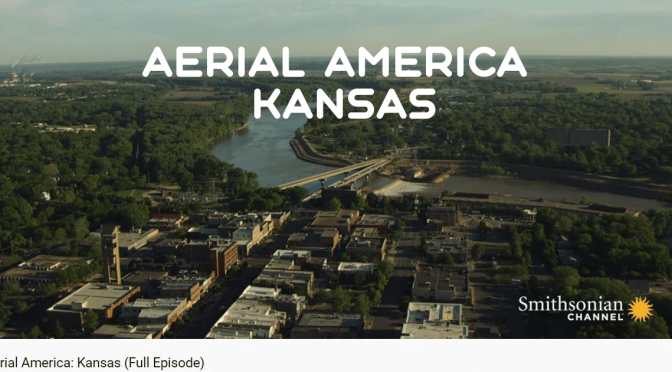
There’s more to Kansas than its wide-open spaces and endless skies might indicate. From aviation pioneers to civil rights heroes fought back. and from Laura Ingalls Wilder documenting life on the prairie and a fictional young girl dreaming of a life “Over the Rainbow”, enjoy this soaring tour through the Sunflower State.
From the Series: Aerial America: Kansas https://bitly.com/2vXnKyU

 Boomers Daily