Recorded February 14, 2020 at the Columbia Museum of Art.
Daniel Finamore, curator of It’s Alive! Classic Horror and Sci-Fi Art from the Kirk Hammett Collection talks about the exhibition and where these posters fit into the canon of art history. Finamore is the curator of Maritime Art and History at the Peabody Essex Museum. Best known as lead guitarist of the famed rock band Metallica, Kirk Hammett is also an obsessive collector of visually arresting horror and sci-fi film art and has dedicated the last three decades to creating one of the world’s most important collections.
It’s Alive! features more than 100 pieces of graphic art, many hailing back to the days of Boris Karloff and Bela Lugosi, that have seeped into the public imagination and reflected society’s deepest fears and anxieties for nearly a century. Not only do these objects explore the power of graphic art in its own right, they have inspired Hammett’s work throughout his own artistic career.
Organized by the Peabody Essex Museum, Salem, Massachusetts.
Federico Fellini’s films were bright, surprising and above all, fun. His films are a testament to an extraordinary imagination, but also a deep love of an art form that is often overlooked: comics!
In this video essay, BFI producer Nic Wassell speaks to Fellini experts to draw out the links between the great director’s love of American and Italian comics and the surreal, joyful imagery found in his films.
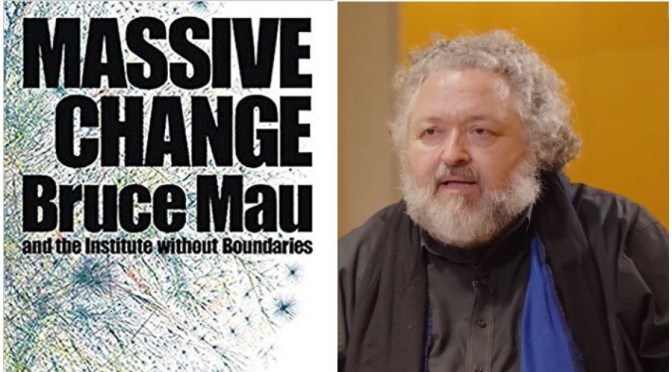
Meet the influential Canadian “design guru”, Bruce Mau, in this short video. Mau, who is the author of quintessential publications on architecture and design, shares his thoughts on how we can bring the book into the technological environment without losing its beauty and richness.
“I think it’s such a brilliant technology that if it didn’t exist today – if somehow we got to the present through technology and computers before the book – we would have to invent the book,” Maus says of the discussion surrounding the alleged ‘death of the book’. The book, he continues, is such a brilliant technology, that no computer can match: “It never crashes, it sequences narrative, which is one of the most important things we need to do to understand the world.”
Mau shares how he is working on a technology platform for books because he realized that “when we moved the book from the physical book to the digital book, we left behind the beauty of the book. We left behind the culture of the book and the experience of the book. We just took the text.” The true experience of the book, he feels, should be better incorporated into the technological environment, while adding the capacity and reach that technology offers.
Bruce Mau (b. 1959) is a Canadian designer. Mau began as a graphic designer but has later extended his creative talent to the world of architecture, art, films, conceptual philosophy and eco-environmental design. From 1985-2010, Mau was the creative director of Bruce Mau Design (BMD), and in 2003 he founded the Institute Without Boundaries in collaboration with the School of Design. In 2010, he went on to co-found The Massive Change Network in Chicago. Mau is the recipient of prestigious awards including the Chrysler Award for Design Innovation in 1998, the American Institute of Graphic Arts Gold Medal in 2007, the Philadelphia Museum of Art’s Collab Design Excellence Award in 2015, and the Cooper Hewitt 2016 National Design Award for Design Mind – for his impact on design theory, design practice and public awareness. In 1998, Mau designed a widely circulated 43 point manifest called ‘The Incomplete Manifesto for Growth’, which assists its users in forming and assessing their design process. Mau is also the author of iconic books such as ‘S, M, L, XL’ (1995) with Rem Koolhaas: an architecture compendium that quickly became a requisite addition to the shelves of creatives. In June 2020, he will publish ‘MC24’, which features essays, observations, project documentation, and design work by Mau and other high-profile architects, designers, artists, scientists, environmentalists, and thinkers of our time.
Bruce Mau was interviewed by Marc-Christoph Wagner in connection with The World Around conference (https://theworldaround.com/) in New York City in January 2020.
Elizabeth Warren, Bernie Sanders, Joe Biden, Amy Klobuchar and Pete Buttigieg fiercely attacked Mike Bloomberg on his first Democratic debate appearance. Senator Warren led the assault, challenging the former New York mayor to release women at his company from non-disclosure agreements they signed while settling lawsuits. Bloomberg defended his record, saying: ‘In my company, lots and lots of women have big responsibilities.’ Here are the key clashes from the ninth Democratic presidential debate in Las Vegas
Though Gandhi’s projects are dramatically different in form, such consideration of their remote, subarctic backdrop connects them to one another — they “look like they could only be in Nova Scotia,” he says.
EVERY FEW DAYS, the Canadian architect Omar Gandhi migrates between Toronto, his hometown, and Halifax, the capital of Nova Scotia, where he opened his eponymous firm in 2010. A year and a half ago, Gandhi added New Haven to his weekly peregrinations — he was teaching a seminar at the Yale School of Architecture called Where the Wild Things Are, after Maurice Sendak’s 1963 children’s book.
For the final project of the semester, the professor took his class to the wind-swept island of Cape Breton (a glove-shaped appendage separated from Nova Scotia’s main peninsula by the narrow Strait of Canso) to visit Rabbit Snare Gorge — his 2013 project with the New York-based architecture firm Design Base 8 — a slender cabin that stretches 43 feet tall, like a 16th-century Mannerist portrait. Touring the surrounding plot, a 47-acre wooded slope bisected by the creek that gives the house its name, Gandhi, 40, asked his students to conceive a “campus of creatures” — a set of structures that, as he described it when we met at his Halifax studio last summer, “have an attitude and respond and look like they move.”
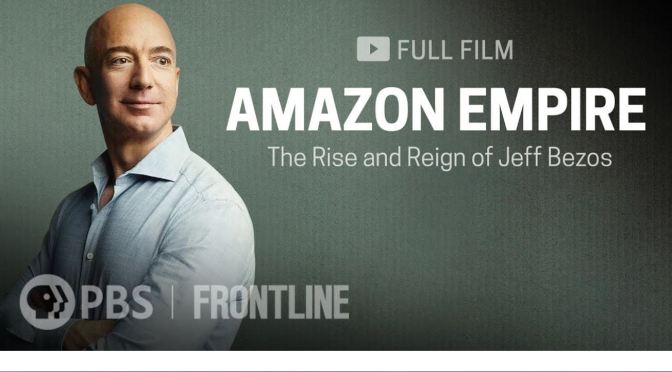
An inside look at how Amazon CEO Jeff Bezos built one of the largest and most influential economic forces in the world — and the cost of Amazon’s convenience.
Jeff Bezos is not only the richest man in the world, he has built a business that is without precedent in the history of American capitalism. His power to shape everything from the future of work to the future of commerce to the future of technology is unrivaled. As politicians and regulators around the world start to consider the global impact of Amazon — and how to rein in Bezos’ power — FRONTLINE investigates how he executed a plan to build one of the most influential economic and cultural forces in the world.
Feb.18 — In the series “EVs: The Brink of Change”, Bloomberg’s Alix Steel breaks down electric vehicles – what’s in them, how they work, their range, and cost of certain models.
News, Views and Reviews For The Intellectually Curious

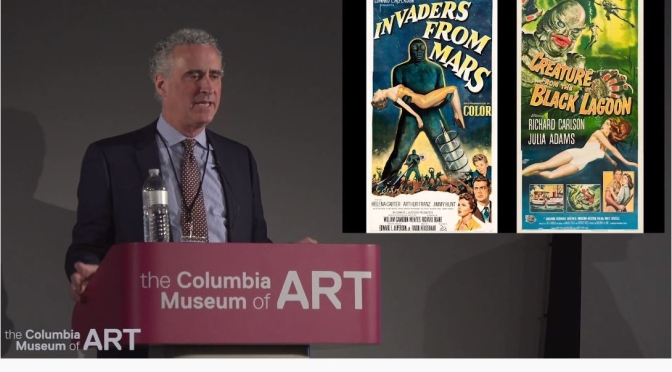
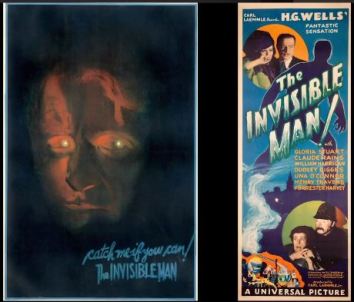 of art history. Finamore is the curator of Maritime Art and History at the Peabody Essex Museum. Best known as lead guitarist of the famed rock band Metallica, Kirk Hammett is also an obsessive collector of visually arresting horror and sci-fi film art and has dedicated the last three decades to creating one of the world’s most important collections.

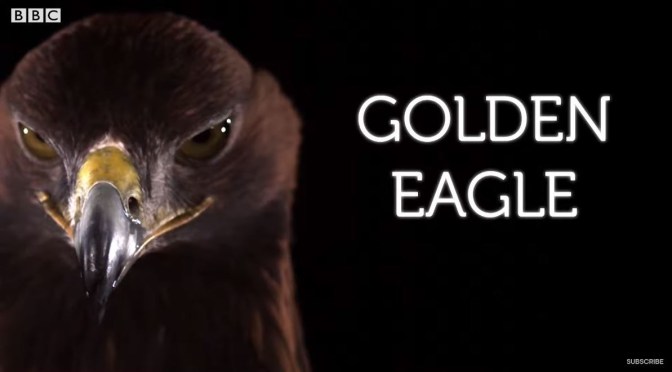
 How do feathers work? See just how the Golden Eagle carries its massive frame through the air in stunning slow motion.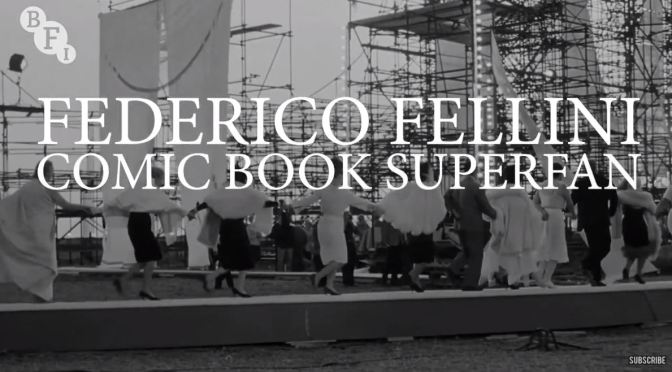






 For the final project of the semester, the professor took his class to the wind-swept island of

 Boomers Daily