
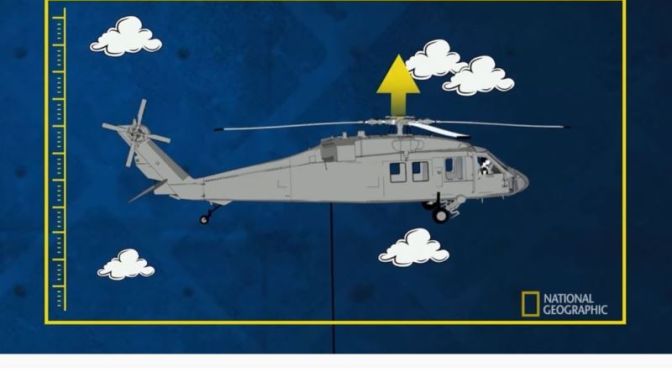
The science required for a helicopter to achieve flight is a lot more complicated than it might seem.
Category Archives: Technology
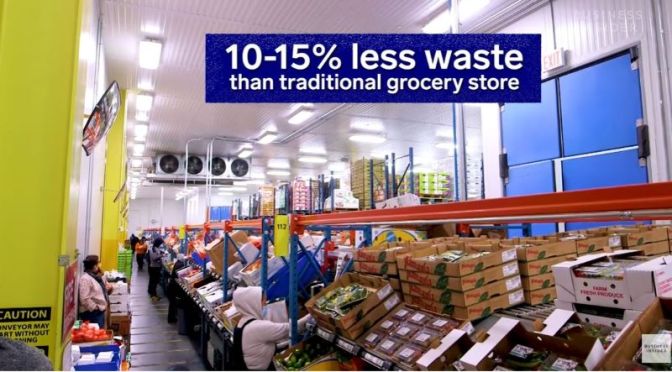
Online Shopping: How 3 Million Grocery Items Are Delivered Each Day (Video)
Each week, e-grocer FreshDirect delivers 100,000 grocery boxes direct to customers’ doors. It all happens from its Bronx warehouse, the size of 11 football fields. Using an advanced AI system, temperature controls, nine miles of conveyor belt, and a fleet of delivery trucks, the company is able to cut out three steps in the normal grocery store supply chain. Business Insider visited the warehouse to see how the company moves 3 million grocery items a week in the face of unprecedented pandemic demand.

Sailboat Racing: ’36th America’s Cup’ Analysis
If there’s one hard fact in a sea of uncertainty, this is the team that needs to be beaten to win the America’s Cup, the current Defender representatives, Emirates Team New Zealand. Their new second boat took many by surprise as it was rolled out into the open for the first time. This is a bold, aggressively styled AC75 that is a long way from their first boat. Such a big departure has raised plenty of questions so, in our Defender analysis Matt Sheahan explains what this means for both the Kiwis and the competition.
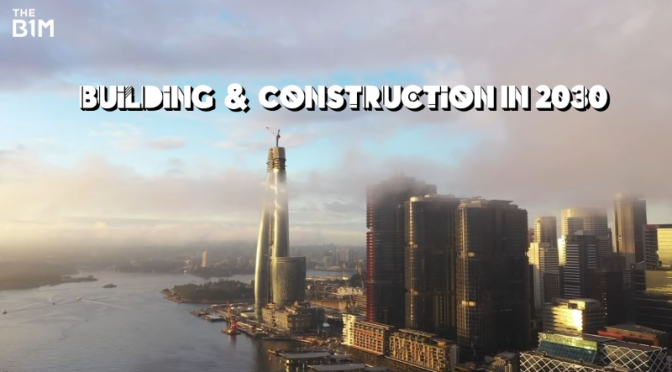
Future Of Cities: ‘Building & Construction In 2030’
Automation is widespread, sustainability is critical, carbon emissions are heavily restricted and our buildings are made in factories. Welcome to the construction industry of 2030.

Ocean Transport: ‘Are Renewable Ships Possible?’
The shipping industry plays a critical role in the global economy, carrying approximately 90% of the total tonnage of world’s traded goods. Shipping propulsion has changed radically since the mid-19th century, from the renewable energy of sail power, to the coal power of steamships, to the predominance of heavy fuel oil and marine diesel oil. But renewable energy technologies could transform the global shipping fleet again, at all levels and scales.

Extreme Locations: ‘How Living At The South Pole, Antarctica Works’ (Video)
The South Pole, also known as the Geographic South Pole or Terrestrial South Pole, is one of the two points where Earth’s axis of rotation intersects its surface. It is the southernmost point on the surface of Earth and lies on the opposite side of Earth from the North Pole.
Antarctica, the southernmost continent and site of the South Pole, is a virtually uninhabited, ice-covered landmass. Most cruises to the continent visit the Antarctic Peninsula, which stretches toward South America. It’s known for the Lemaire Channel and Paradise Harbor, striking, iceberg-flanked passageways, and Port Lockroy, a former British research station turned museum. The peninsula’s isolated terrain also shelters rich wildlife, including many penguins.

Media: ‘The Law At The Center Of The Big Tech Debate In Congress’ (WSJ)
Leaders in government and tech want to rewrite a law that governs the internet. WSJ explains Section 230, how it shaped the modern internet, and what lawmakers and tech executives want to change.
Photo illustration: Carlos Waters/WSJ

Technology Podcast: Concerns Over Facial Recognition Technology

Scientists have grave concerns over ethical and societal impacts of facial-recognition technology. In this surveillance special, we dig into the details.
In this episode:
03:24 Standing up against ‘smart cities’
Cities across the globe are installing thousands of surveillance cameras equipped with facial recognition technology. Although marketed as a way to reduce crime, researchers worry that these systems are ripe for exploitation and are calling for strict regulations on their deployment.
Feature: Resisting the rise of facial recognition
17:44 The ethics of researching facial recognition technology
Despite concerns surrounding consent and use, researchers are still working on facial recognition technology. Can this sort of work be justified? We hear some of the debates going on in academia about this field of research.
Feature: The ethical questions that haunt facial-recognition research
25:02 What do researchers actually think?
Nature surveyed 480 researchers who have published papers on facial recognition, AI and computer science. The results revealed that many researchers think there’s a problem.
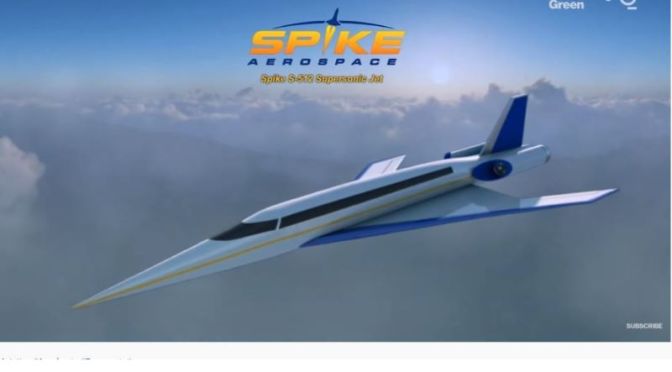
Air Travel: ‘Flight Of The New Concordes – A New Supersonic Era’ (Video)
The Concorde took its last flight in 2003, making commercial supersonic travel a thing of the past. In recent years, however, a number of companies have been laying the groundwork for a new supersonic era.

The Future Of Driving: Designing ‘The Apple Car’
Every time Californian tech giant Apple puts out a new product, it makes headlines around the world. That was true of its early home computers – the first to use a recognizably modern user interface – and it was even more true of the iPod, which singlehandedly revolutionized the music industry. Not to mention the very smartphone you’re probably watching this video on.
But the world’s biggest and best-loved technology company isn’t done yet. For several years, now Apple engineers have secretly been eyeing up transportation as the next industry ripe for their unique brand of scorched-earth disruption. So today we’re asking the question – when will we see the Apple Car?
 Boomers Daily