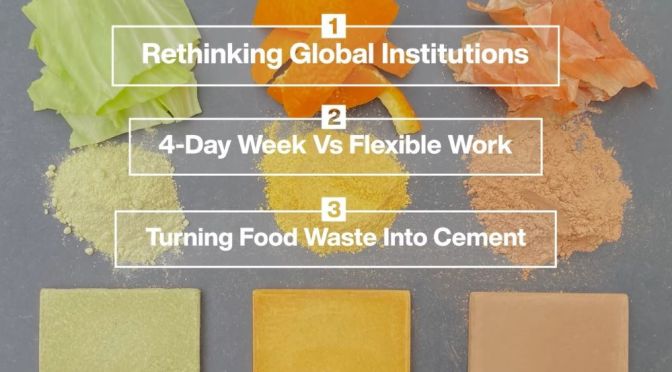
This week the World Economic Forum are highlighting 4 top stories – rethinking global institutions, 4-day week vs flexible work, turning food waste into cement and income loss for UK mothers.
The World Economic Forum is the International Organization for Public-Private Cooperation. The Forum engages the foremost political, business, cultural and other leaders of society to shape global, regional and industry agendas. We believe that progress happens by bringing together people from all walks of life who have the drive and the influence to make positive change.
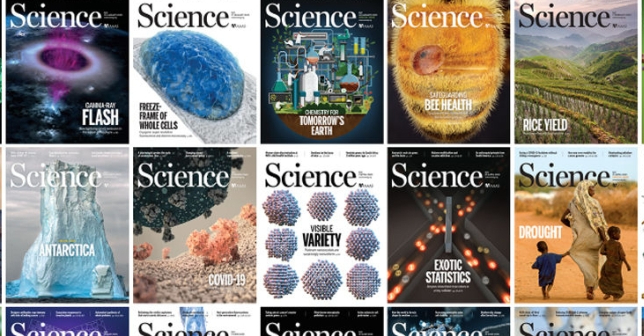
COVER: Humanity’s actions have committed us to a warming climate and limited our options for mitigation. Although there is no turning back, some paths are still open to avoid catastrophic climate change and reduce its impacts. We must act now to drastically reduce greenhouse gas emissions and change our approaches to growing food, consuming products, and managing ecosystems to avoid a dire future. See page 1392.
This week’s @TheTLS, featuring our annual Summer Books feature; Michele Pridmore-Brown on transhumanism; @zoesqwilliams on the Oxford chumocracy; a newly discovered response to the Wilde trials by George Egerton; Claire Lowdon on the new Ottessa Moshfegh – and more pic.twitter.com/ZrOwuzsqQ2
Times Literary Supplement for June 24, 2022: @TheTLS, featuring our annual Summer Books feature; Michele Pridmore-Brown on transhumanism; @zoesqwilliams on the Oxford chumocracy; a newly discovered response to the Wilde trials by George Egerton; Claire Lowdon on the new Ottessa Moshfegh – and more.
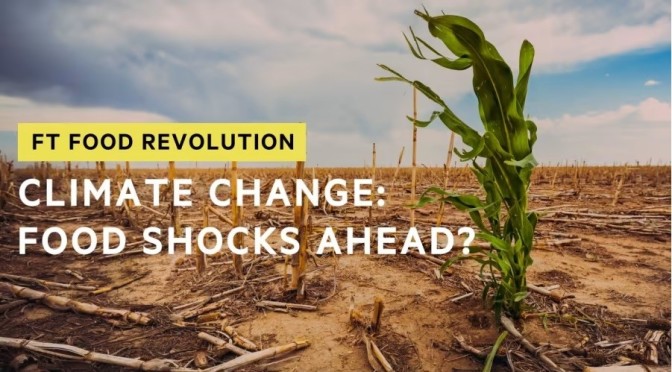
Recent crises such as the pandemic and Russia’s invasion of Ukraine have thrown the vulnerability of supply chains, and with them, food supplies, into sharp focus. But as the FT’s Camilla Hodgson reports, a landmark UN report says climate-related shocks such as extreme weather events will become more common and severe and could further upend food supply chains. But what can we do about it?
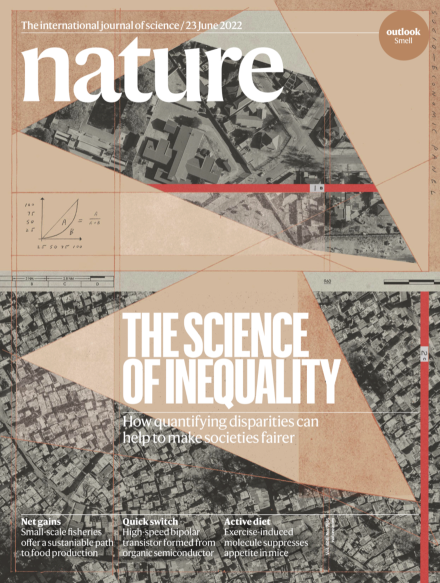
To study inequality is to confront a world of contrasts: excessive wealth next to palpable poverty; sickness abutting health. The COVID pandemic has exposed and worsened many such disparities. This week, Nature presents a special collection of articles focusing on the researchers trying to quantify and reduce inequality. Whether they are measuring the effects of the pandemic or testing interventions to lift people out of poverty, the message is simple: gathering the right information will help to mitigate the harm caused by inequality.
CNBC Marathon revisits General Motors’ shift into the electric vehicle market. GM is one of the largest automakers in the world with a range of models falling under its four brands, Chevy, Buick, Cadillac, and GMC.
Chapters: 00:00 Why GM’s all-electric future is a big gamble (Published September 2021) 15:17 The rise of electric boats (Published April 2022) 27:13 Why GM says its Ultium platform will drive EV dominance (Published May 2022)
The automaker made its name selling gas burning cars but in January 2021, it made a stunning announcement. The company said it “aspires to eliminate tailpipe emissions from new light-duty vehicles by 2035.” This means that GM intends to stop selling gas-burning cars. General Motors says it wants to lead electric vehicle sales in North America by 2025, and vows that its new Ultium battery platform will drive that dominance.
Not only are cars going electric but so are boats. General Motors recently invested $150 million in one start-up, Pure Watercraft, to build an electric pontoon boat. And several others are working to bring their own battery-powered offerings to market. CNBC Marathon brings together the best of CNBC on YouTube.
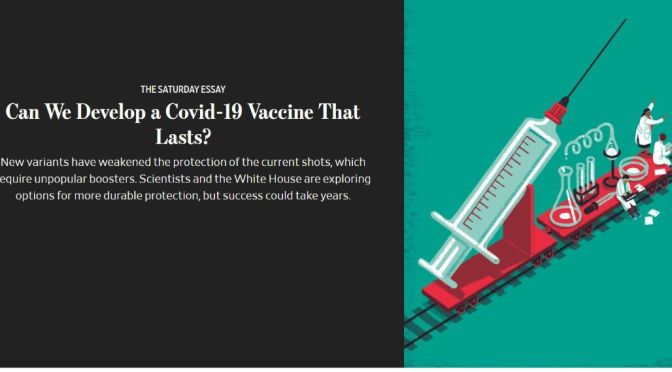
“Roughly two and a half years into the pandemic, White House officials and health experts have reached a pivotal conclusion about Covid-19 vaccines: The current approach of offering booster shots every few months isn’t sustainable.
Though most vaccines take years to develop, the Covid shots now in use were created in record time—in a matter of months. For health authorities and a public desperate for tools to deal with the pandemic, their speedy arrival provided a huge lift, preventing hospitalizations and deaths while helping people to escape lockdowns and return to work, school and many other aspects of pre-Covid life.”
This week: why is Tate rejecting an archive of material relating to Francis Bacon, 18 years after acquiring it?
Our London correspondent Martin Bailey tells us about his recent scoop that Tate is returning a thousand documents and sketches said to have come from the studio of Francis Bacon to Barry Joule, a close friend of the artist, who donated them to Tate in 2004. We then discuss the material with Martin Harrison, the pre-eminent Bacon scholar and editor of the catalogue raisonné of Francis Bacon’s work published in 2016, and to Sophie Pretorius, the archivist at the Estate of Francis Bacon, who went through the Barry Joule archive item by item. Victoria Munro, the director of the Alice Austen House Museum in New York, discusses this still too-little-known photographer, and her documentation of immigration to the United States and the lives of queer women in the 19th and early 20th centuries. And this episode’s Work of the Week is Weißes Bild (1994), a painting by the late Luxembourg-born artist Michel Majerus, now on view at Art Basel—Aimee Dawson, acting digital editor, is at the fair and talks to Giovanni Carmine, curator of the Unlimited section, in which the painting appears.
Sophie Pretorius’s essay Work on the Barry Joule Archive is in the book Francis Bacon: Shadows published by the Estate of Francis Bacon and Thames and Hudson.
For more on the Alice Austen House Museum, visit aliceausten.org. The podcast My Dear Alice is out in the autumn.
A previously unidentified population of polar bears documented on the southeast coast of Greenland uses glacier ice to survive despite limited access to sea ice.





 Boomers Daily