
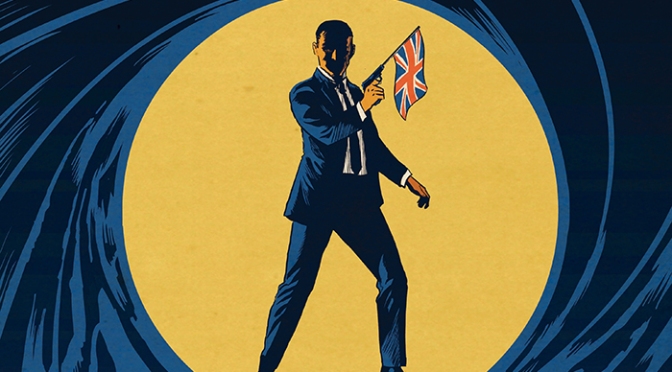
From a Variety.com online interview (January 17, 2020):
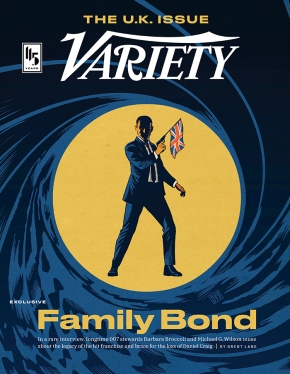 “He brought flesh and blood to the character,” she says. “Bond in the novel is a silhouette. Daniel has given him depth and an inner life. We were looking for a 21st-century hero, and that’s what he delivered. He bleeds; he cries; he’s very contemporary.”
(On Daniel Craig)
“For better or worse, we are the custodians of this character,” says Barbara Broccoli, who oversees the franchise with her half-brother Michael G. Wilson. “We take that responsibility seriously.”
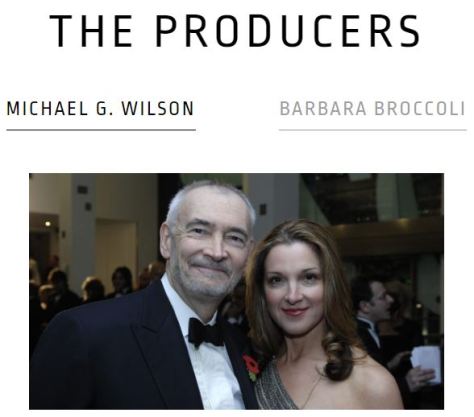
It’s an arrangement that was first hammered out by Broccoli’s father, the producer Albert “Cubby” Broccoli, when John F. Kennedy was president and the Twist was all the rage. Miraculously, that pact has prevailed through the decades and generations, enduring everything from corporate mergers and bankruptcies to shifting consumer tastes and geopolitical upheavals. The elder Broccoli died in 1996. but not before ceding control to his two children with the 1995 release of “GoldenEye,” a film that proved a sexist superspy, conceived by novelist Ian Fleming in the 1950s, still had a role to play in post-Cold War cinema.




 David Remnick has appeared as the guest of Terry Gross on “Fresh Air” a number of times over the years, talking about Russia, Muhammad Ali, and other subjects. Hosting “Fresh Air” for nearly forty-five years, Gross is a defining voice of NPR, and is perhaps the most celebrated interviewer of our time.






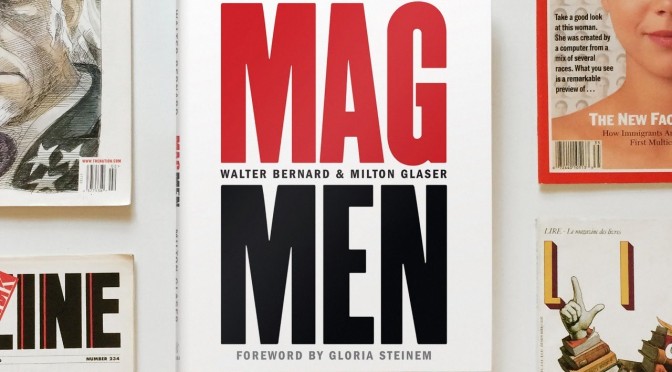
 For more than fifty years, Walter Bernard and Milton Glaser have revolutionized the look of magazine journalism. In Mag Men, Bernard and Glaser recount their storied careers, offering insiders’ perspective on some of the most iconic design work of the twentieth century. The authors look back on and analyze some of their most important and compelling projects, from the creation of New York magazine to redesigns of such publications as Time, Fortune, Paris Match, and The Nation, explaining how their designs complemented a story and shaped the visual identity of a magazine.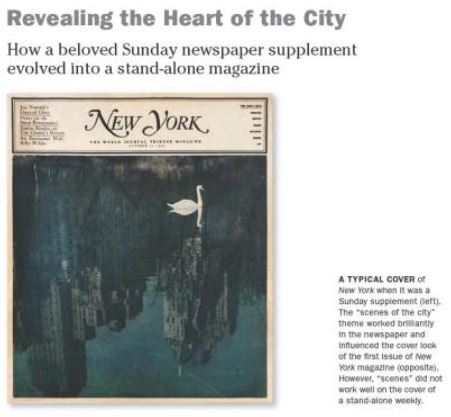

 Many people (41 percent) indicated that they believed that news has become less reliable than in the past; a similar number (44 percent) said they believed there has been no change; and 15 percent said they thought news is more reliable now.

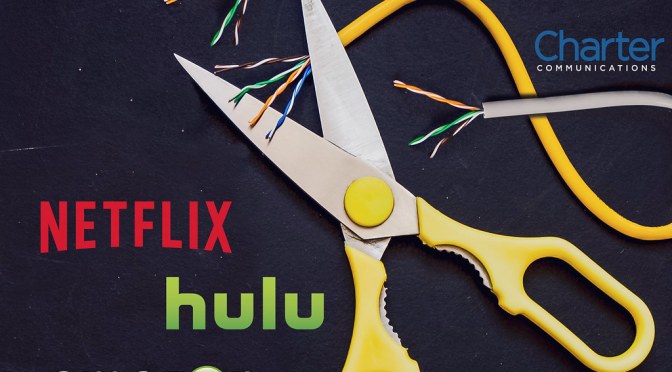
 Baby boomers remain the base of traditional PayTV. Even with the quickening decline of bundled TV services,
  The traditional video marketplace is no more. Driven by a combination of technologies including high-speed internet access, billions of mobile devices, and falling prices for high-resolution displays, television as we have known it for decades is undergoing a radical reinvention, one that will reshape the media ecosystem. Just in the last few months, game-changing streaming services have been announced or launched from industry giants including Disney and NBCUniversal, spurred in part by billion-dollar investments from newer entrants such as Netflix, Google, and Apple.
 Boomers Daily