From the American Journal of Clinical Nutrition (April 22, 2020):
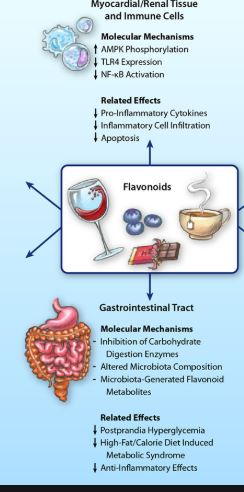 Our findings imply that higher long-term dietary intakes of flavonoids are associated with lower risks of ADRD and AD in US adults.
Our findings provide new evidence that diets higher in flavonols, anthocyanins, and flavonoid polymers are associated with a lower risk of developing ADRD. These associations were sustained after accounting for a variety of potential confounders including key nutrients related to ADRD risk and overall diet quality. Similar findings were seen with AD risk for flavonols and anthocyanins but the association with flavonoid polymers was no longer statistically significant.
Along with improvements in healthcare and medical technology, the aging of the baby boom generation will result in an unprecedented rise in the number of older Americans (1, 2). Currently, there are >50 million Americans aged ≥65 y, and that is projected to more than double by 2060 (3). A consequence of this increase in older adults is the escalation of age-related diseases (4, 5). Alzheimer disease (AD) and related dementias (ADRD), a group of symptoms in which there is progressive deterioration in cognitive function severe enough to interfere with a person’s daily living activities, are regarded as among the most significant public health challenges largely affecting adults aged >65 y (6). AD is the most common form of dementia, making up ∼60–80% of dementia cases. Currently, 5.8 million Americans are living with AD, and by 2050 that is projected to escalate to 14 million (7).
Read full study



 President Trump’s preferred coronavirus treatment is the focus of a new study suggesting it could cause more harm than good, but not everybody agrees. We discuss the fallout as trials around the world are paused and countries diverge over policy advice.
 A bar in the Swiss Alps. A megachurch in South Korea. Scientists are focusing on certain superspreading events that might be responsible for an outsized portion of coronavirus cases.






 Interview with Dr. Nicole Lurie on rapid vaccine development, including new tools to facilitate vaccine testing and manufacturing and persistent challenges.

 Boomers Daily