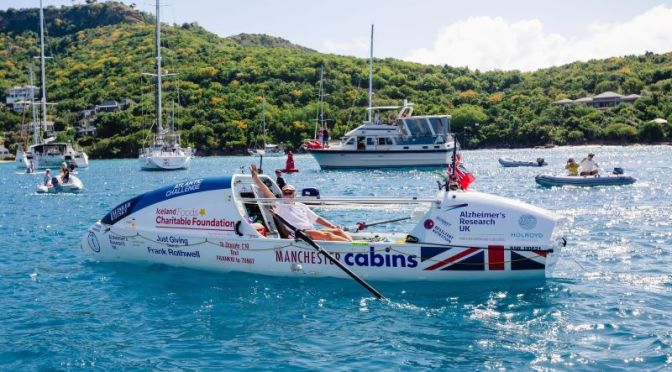
Frank Rothwell, 70, from Oldham, Scotland set off from Canary Island La Gomera on December 12 and crossed the finish line in Antigua in the Caribbean on Saturday – reuniting with Judith, his wife of 50 years, with time to spare until Valentine’s Day.
He said crossing the finish line was a “completely euphoric moment” as he fundraised more than £648,000 for Alzheimer’s Research UK in tribute to his brother-in-law Roger, who died with Alzheimer’s aged 62 during his row.
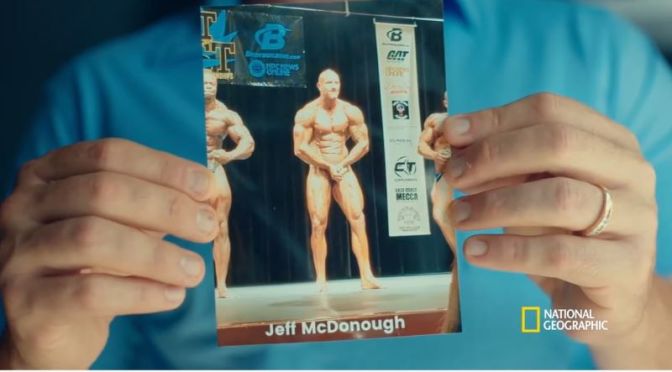
Heart failure or other heart complications are often brought on by steroids and other performance-enhancing drugs. A former bodybuilder tells his story and begins the road to recovery.
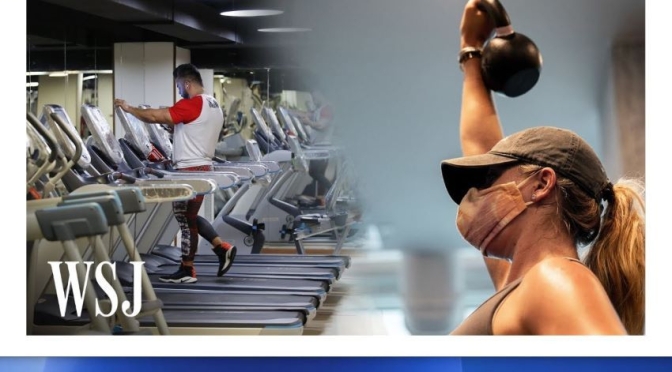
How might the coronavirus pandemic transform the fitness industry? To find out, WSJ spoke with the CEO of Planet Fitness, an independent gym owner, and an industry analyst to learn about what we can expect for the future of fitness.
From a Wall Street Journal article (April 18 2020)
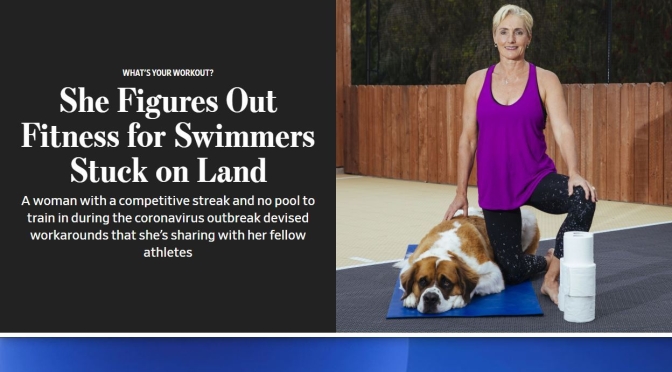
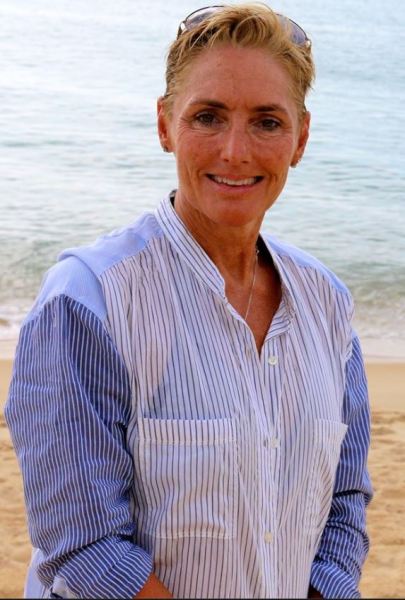
A physical therapist based in Santa Barbara, Calif., Ms. Godges is used to seeing injuries that result when swimmers start training on land. “We are great at cardio, but we aren’t used to pounding our joints. Gravity is not forgiving. We need to give our bodies time to adapt.”
With pools closed over concerns about coronavirus transmission, Arlette Godges is adapting to being a fish on land.
The 55-year-old U.S. Masters swimmer was in the pool five days a week training for the UANA Pan American Masters Championships in Medellín, Colombia. The June competition has been postponed. “I was feeling so strong,” she says. “Now I have to challenge myself with other things so I don’t become a slug and lose motivation.”
As gyms are closed and many of us are stuck at home, it’s an opportune time for home fitness platforms. We speak to Bruce Smith, founder of Hydrow, while Jason de Savary of London’s Core Collective talks about the gym’s new CCTV platform.
Bruce Smith, CEO & Founder
Life-long entrepreneur and rower, Head of the Charles winner, coached the US Lightweight Eight to a Bronze medal at the 2015 World Rowing Championships and former Executive Director of Community Rowing – Boston.
Every aspect of Hydrow is engineered by rowing experts to elevate your experience. From computer-controlled resistance to revolutionary Live Outdoor Reality™ technology, Hydrow delivers an effective and enjoyable workout that brings the river home to you.
Exercise physiologists are healthcare professionals that work with patients who are deconditioned or have a variety of different health complications. They work with pulmonary and cardiac patients, as well as competitive athletes with a wide range of fitness issues.
Penn Medicine’s Christopher J. Kusmiesz, MS describes his role as “assessing a patient’s fitness level and providing recommendations and guidance so they can improve and reach their health and fitness goals.”
Exercise physiologists at Penn uses patient test results, recommendations from their cardiologist and the patient’s own goals to create an exercise program that is unique to each patient.
From a New York Times online article (Feb 27, 2020):
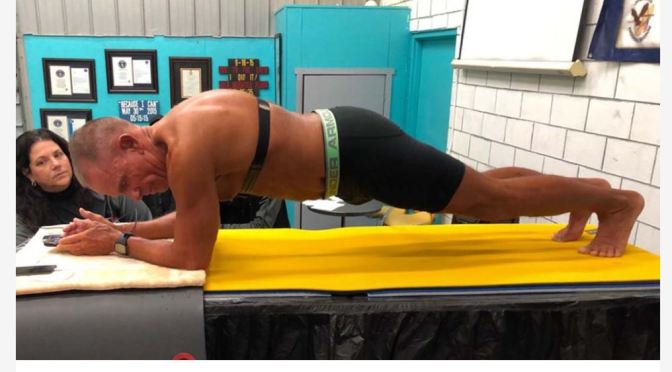
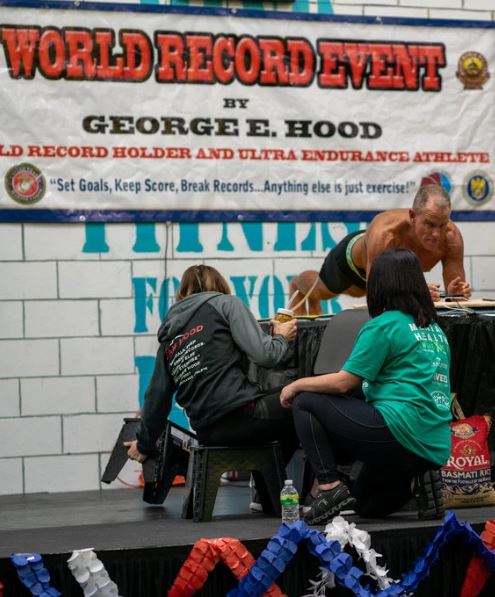
Mr. Hood, a former Marine and Drug Enforcement Administration agent, held a plank for eight hours, 15 minutes and 15 seconds. Photo by Josef Holic
Mr. Hood, a former Marine and Drug Enforcement Administration agent, held the plank on Feb. 15 for more time than an average day’s work.
The plank is a feat of static, but strenuous, exercise. The torso is sustained in a horizontal position, anchored by the toes on one end and the forearms on the other. The abdominal and thigh, back and arm muscles are among those firing away, turning most of the human body into a gravity-defying platform.
George E. Hood, a 62-year-old retiree from Naperville, Ill., strapped a heart monitor band across his chest, attached a catheter to his body, climbed onto a custom-built table covered with a lambskin and dialed up a curated rock ’n’ roll playlist on his phone.
And then he raised himself into a plank — and held the position for eight hours, 15 minutes and 15 seconds to set a Guinness World Record.
From a Journal of Epidemiology & Community Health online release:
The 10 year CVD (cardiovascular disease) incidence increased significantly across the baseline SMI (skeletal muscle mass index) tertiles (p<0.001). Baseline SMM (Skeletal muscle mass) showed a significant inverse association with the 10 year CVD incidence (HR 0.06, 95% CI 0.005 to 0.78), even after adjusting for various confounders. Additionally, participants in the highest SMM tertile had 81% (95% CI 0.04 to 0.85) lower risk for a CVD event as compared with those in the lowest SMM tertile.
Background Skeletal muscle mass (SMM) is inversely associated with cardiometabolic health and the ageing process. The aim of the present work was to evaluate the relation between SMM and 10 year cardiovascular disease (CVD) incidence, among CVD-free adults 45+ years old.
Methods ATTICA is a prospective, population-based study that recruited 3042 adults without pre-existing CVD from the Greek general population (Caucasians; age ≥18 years; 1514 men). The 10 year study follow-up (2011–2012) captured the fatal/non-fatal CVD incidence in 2020 participants (50% men). The working sample consisted of 1019 participants, 45+ years old (men: n=534; women: n=485). A skeletal muscle mass index (SMI) was created to reflect SMM, using appendicular skeletal muscle mass (ASM) standardised by body mass index (BMI). ASM and SMI were calculated with specific indirect population formulas.
The global population is ageing at an unprecedented speed, especially in Europe. As a concept, ageing is considered a continuous process starting from birth and is accompanied by various physiological changes and a number of comorbidities1 2 that affect health and quality of life.3 4 Skeletal muscle mass (SMM)4 alterations are among these physiological changes.
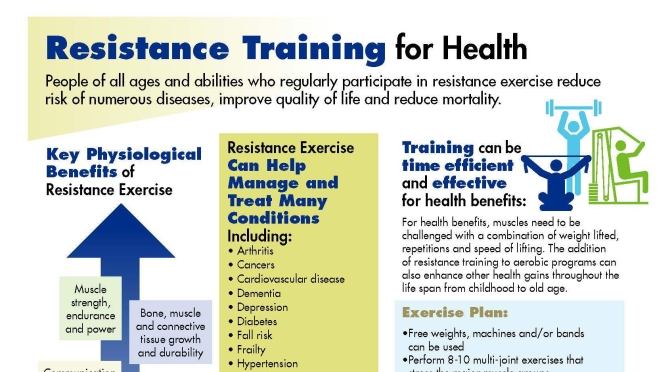
SMM tissue decline, as a part of these physiological changes, starts in middle age (or even earlier, in the 30s) and progresses in more advanced age.5 It has been shown that SMM declines with a rate of more than 3% per decade starting from the age of 30+.6 Half of the human body’s mass is actually SMM and it has an active role in numerous metabolic pathways.5 7 SMM decline is related, among others, to various disability patterns, poor mental health and increased mortality.5 7 8 In addition, well documented studies have shown that SMM alterations are related to cardiovascular health,9 10 even different muscle morphology.11 Recently, Srikanthan et al12 reported the importance of muscle tissue in relation to cardiovascular disease (CVD) and total mortality in stable CVD patients.
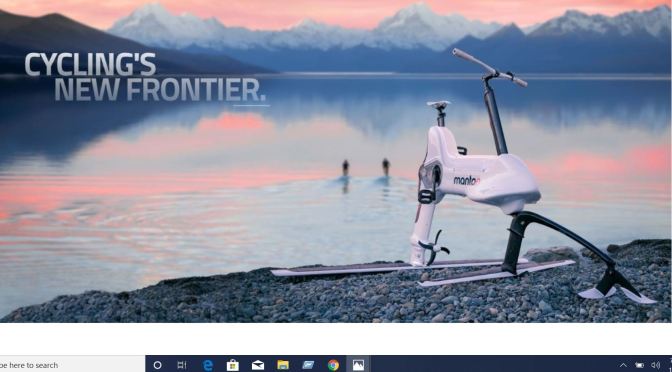
Jan.06 — At CES in Las Vegas, a New Zealand company is showing off a new way to get moving on water. The Manta5 Hydrofoiler XE-1 is a bike with an electric engine that lets the user pedal around on water.


 A physical therapist based in Santa Barbara, Calif., Ms. Godges is used to seeing injuries that result when swimmers start training on land. “We are great at cardio, but we aren’t used to pounding our joints. Gravity is not forgiving. We need to give our bodies time to adapt.”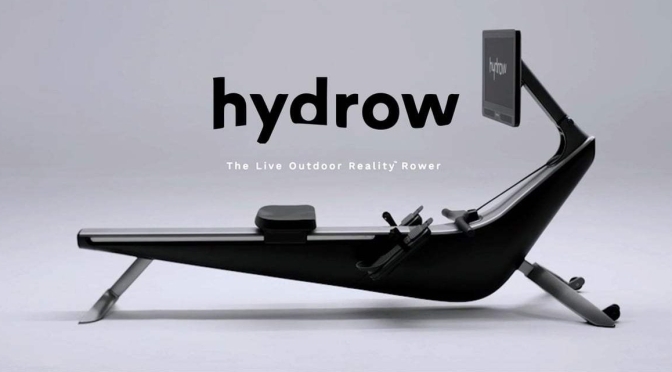
 As gyms are closed and many of us are stuck at home, it’s an opportune time for home fitness platforms. We speak to Bruce Smith, founder of Hydrow, while Jason de Savary of London’s Core Collective talks about the gym’s new CCTV platform.
 Life-long entrepreneur and rower, Head of the Charles winner, coached the US Lightweight Eight to a Bronze medal at the 2015 World Rowing Championships and former Executive Director of Community Rowing – Boston.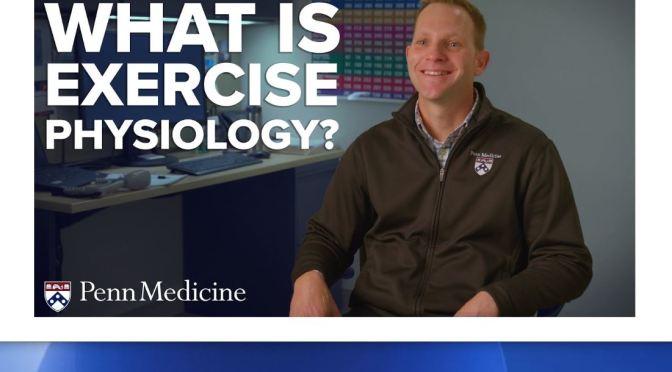
 The 10 year CVD (cardiovascular disease) incidence increased significantly across the baseline SMI (skeletal muscle mass index) tertiles (p<0.001). Baseline SMM (Skeletal muscle mass) showed a significant inverse association with the 10 year CVD incidence (HR 0.06, 95% CI 0.005 to 0.78), even after adjusting for various confounders. Additionally, participants in the highest SMM tertile had 81% (95% CI 0.04 to 0.85) lower risk for a CVD event as compared with those in the lowest SMM tertile.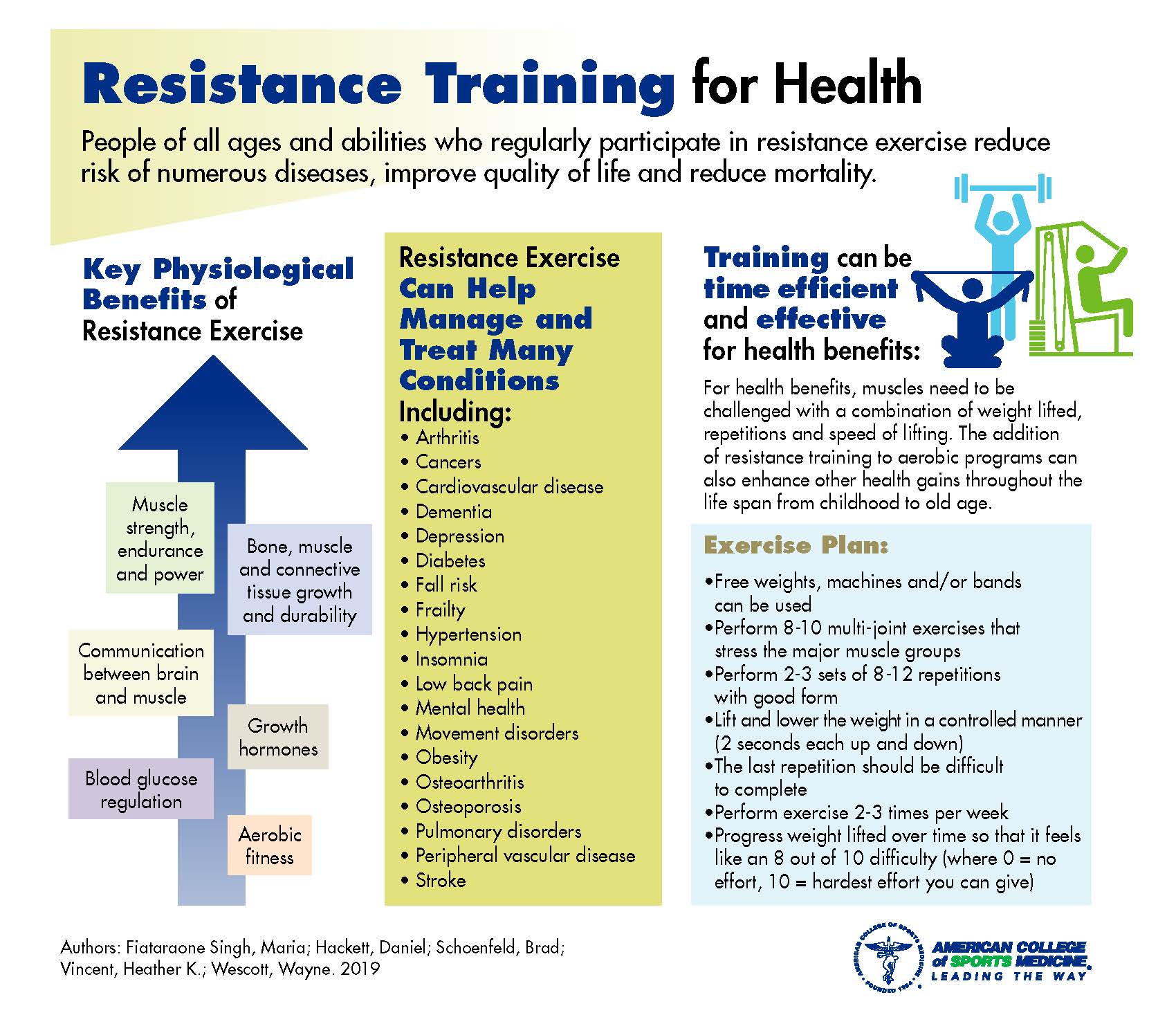
 Boomers Daily