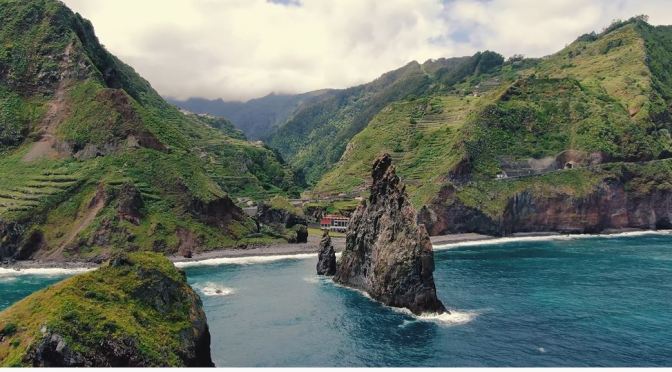
Living Walks – Madeira Islands, Portuguese Arquipélago da Madeira, archipelago of volcanic origin in the North Atlantic Ocean, belonging to Portugal. It comprises two inhabited islands, Madeira and Porto Santo, and two uninhabited groups, the Desertas and the Selvagens. The islands are the summits of mountains that have their bases on an abyssal ocean floor. Administratively, they form the autonomous region of Madeira. The regional capital, Funchal, is located on Madeira Island.
Madeira Island, the largest of the group, is 34 miles (55 km) long, has a maximum width of 14 miles (22 km) and a coastline of about 90 miles (144 km), and rises in the centre to Ruivo Peak (6,106 feet [1,861 metres] above sea level). The greater part of the interior above 3,000 feet (900 metres) is uninhabited and uncultivated; communities of scattered huts are usually built either at the mouths of ravines or upon slopes that descend from the mountains to the coast.
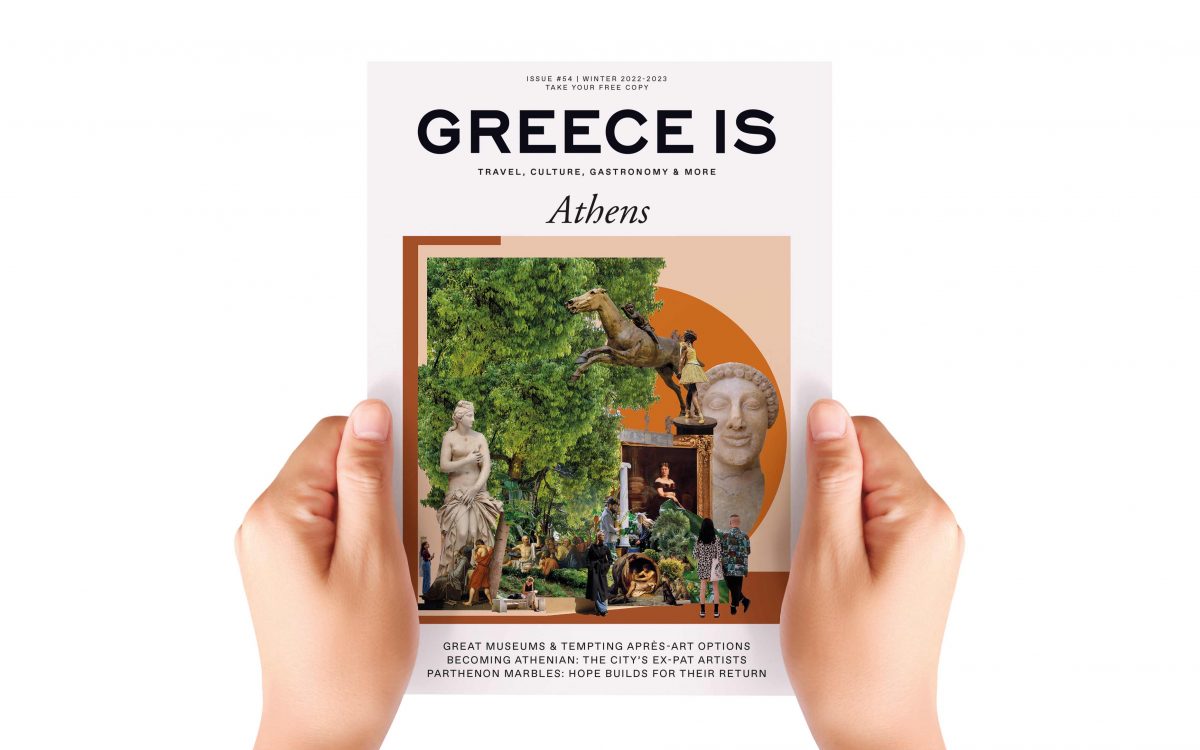
This year, Athens was crowned Europe’s Leading Cultural City Destination at the World Travel Awards, and in this 143-page magazine, culture takes center stage. We guide you to Athens’ major museums and the neighborhoods around them; learn what life is like for the many artists who in recent years have sought their way from abroad to create homes and studios here; trace ancient philosophers’ favorite haunts in and around the Athenian Agora; present museum tours tailored specifically to children; discover the local dining scene through a historic lens as renowned Greek writer Christos Choumenidis presents five traditional and contemporary restaurants with their unique stories to tell; and check in on the development of the never-more-hot campaign for the return of the Parthenon marbles.
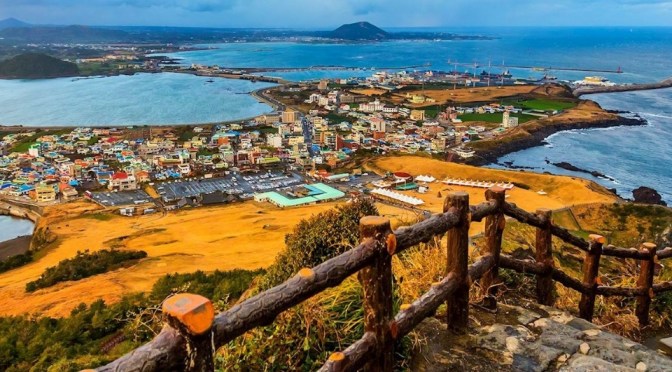
Jeju province encompasses the South Korean island of Jeju in the Korea Strait. It’s known for its beach resorts and volcanic landscape of craters and cavelike lava tubes. Hallasan Mountain, a dormant volcano, features hiking trails, a crater lake at the 1,950m summit and nearby Gwaneumsa Temple. The Geomunoreum Lava Tube System includes 7km-long Manjanggul Cave, created centuries ago when Hallasan was still active.
Monocle’s editorial director Tyler Brûlé brings us a festive programme while our Christmas market takes place at Midori House. Featuring Monocle’s Andrew Tuck, Emma Nelson, Andrew Mueller and Guy De Launey.
After the midterm elections, abortion rights advocates hope to harness public support for the long term, while abortion foes look to advance new laws in sympathetic courts and legislatures.
In high schools across the country, students are being placed in military classes without electing them on their own. “The only word I can think of is ‘indoctrination,’” one parent said.
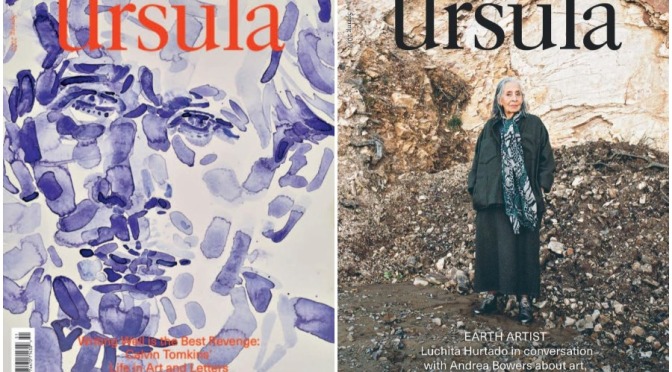
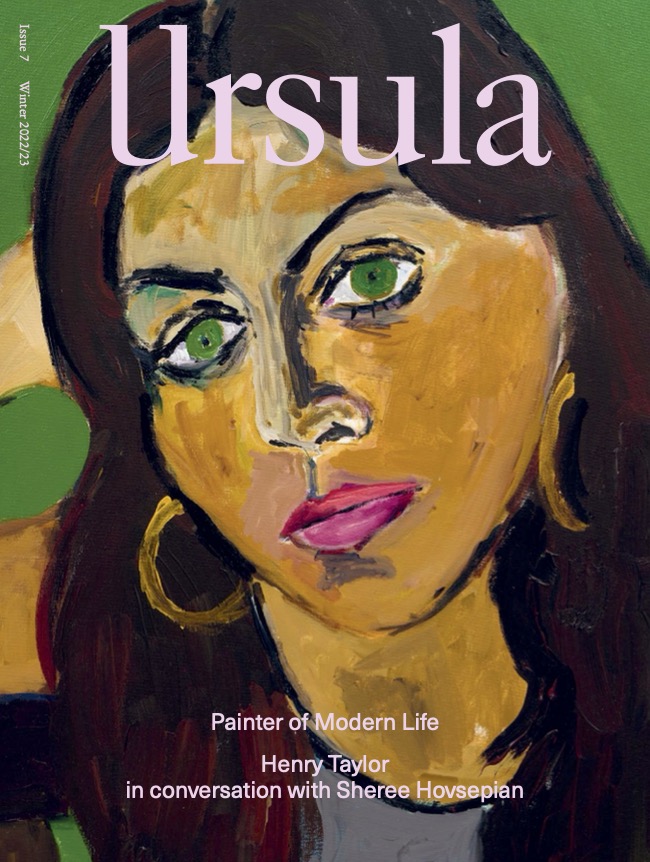
Ursula (Winter 2023) is the art magazine of Hauser & Wirth, featuring essays, profiles, films, interviews, original portfolios, and photography by some of the most thought-provoking writers and artists in the world.
For our first film in a new series focusing on some of the world’s best emerging and established artist-makers, we take you inside the studio of Akiko Hirai
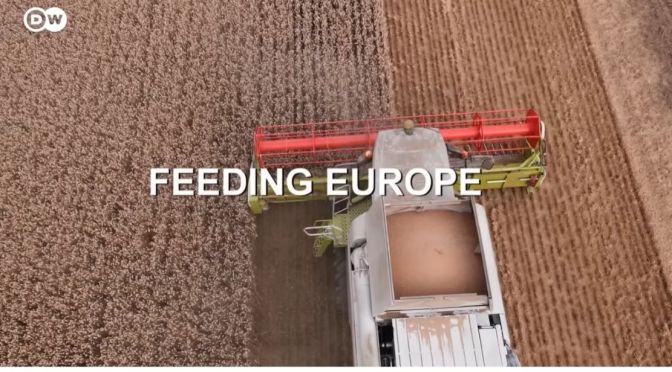
DW Documentary (December 10, 2022) – Is sustainable agriculture possible in Europe? From Spain’s “plastic sea” of greenhouses, to farmer suicides in France, the organics boom and high-tech production, it’s clear that Europe’s agricultural sector is in a period of extreme flux. And it needs to change: Agricultural landscapes are shaped by the history of our continent and inextricably bound up with its identity.
But farmers are struggling. They’re under constant pressure to produce more, at lower prices and can no longer hold out against the stiff competition. Most European farms are still family-run businesses, but it’s the large-scale enterprises that benefit from EU subsidies. These companies practice intensive farming, which we now know has a detrimental effect on biodiversity and human health.
This kind of agricultural system is also very bad for soil quality and is now seen as obsolete. With every crisis that occurs, its shortcomings become more evident. The pace of climate change now requires rapid responses to crucial questions: How to sustainably feed more than 500 million Europeans? What steps can be taken to stem the catastrophe resulting from the dramatic rise in meat consumption (up 60 per cent in 60 years) and its associated intensive production of cereal crops?
Solutions are presenting themselves, and many farmers have already seized the initiative. Throughout the European continent, they are the main drivers of a vital 21st century agricultural revolution: a return to traditional farming methods, intelligent or urban agriculture, fewer mass imports, research into in-vitro meat and meat substitutes. These are just some of the approaches being explored by European farmers in a bid to protect biodiversity, the landscape and the health of human beings.
News, Views and Reviews For The Intellectually Curious











 Boomers Daily