
From iScience / Cell.com (June 26, 2020):
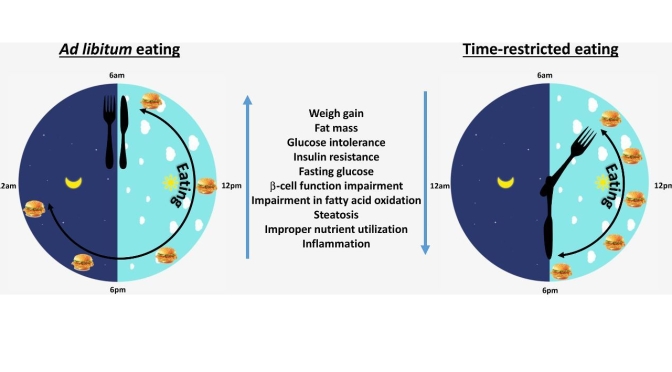
 …the beneficial effects of TRE are dose dependent, with greater reductions in body weight, fat mass, and improvement in glucose tolerance when a 9-h protocol was implemented versus 12 and 15 h. The optimal TRE time frame to recommend for people has not been tested. Clear improvements have been noted after 6-, 8-, 9-, and 10-h protocols. It is likely that the greater time restriction would result in greater weight losses, which may maximize the metabolic benefits.
Eating out of phase with daily circadian rhythms induces metabolic desynchrony in peripheral metabolic organs and may increase chronic disease risk. Time-restricted eating (TRE) is a dietary approach that consolidates all calorie intake to 6- to 10-h periods during the active phase of the day, without necessarily altering diet quality and quantity.
TRE reduces body weight, improves glucose tolerance, protects from hepatosteatosis, increases metabolic flexibility, reduces atherogenic lipids and blood pressure, and improves gut function and cardiometabolic health in preclinical studies. This review discusses the importance of meal timing on the circadian system, the metabolic health benefits of TRE in preclinical models and humans, the possible mechanisms of action, the challenges we face in implementing TRE in humans, and the possible consequences of delaying initiation of TRE.

 Butterflies are one of the world’s most beloved insects. From butterfly gardens to zoo exhibitions, they are one of the few insects we’ve encouraged to infiltrate our lives. Yet, what has drawn us to these creatures in the first place? And what are their lives really like? In this groundbreaking book, New York Times bestselling author and science journalist Wendy Williams reveals the inner lives of these “flying flowers”—creatures far more intelligent and tougher than we give them credit for.

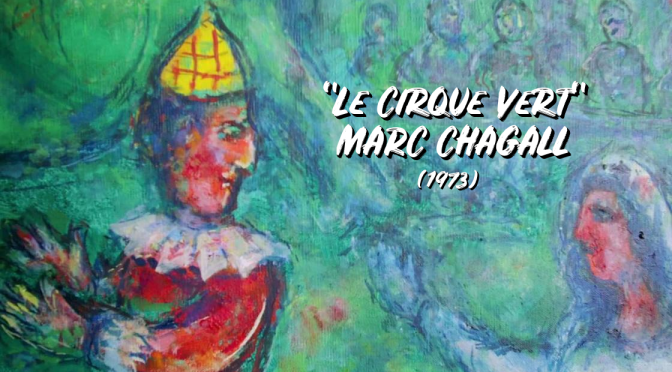
 As a child, Marc Chagall would marvel at the traveling acrobatic troupes that passed through his Village. The animals, dancers and musicians of the circus seemed to conjure a distinct joy that would consistently manifest itself throughout the artist’s career. In this episode of Expert Voices, discover how Chagall was able to uniquely translate this fascination to canvas as Edith Eustis delves into the deep greens and brilliant reds of Marc Chagall’s Le Cirque Vert. Painted in 1973, this work captures the magical allure of the spectacle and incorporates many of the artist’s most iconic motifs. Le Cirque Vert will be offered as a highlight of Sotheby’s Impressionist & Modern Art Evening Sale in New York.
 Kimberly Prather, an atmospheric chemist at the University of California, San Diego, who studies how ocean waves disperse virus-laden aerosols, joins host Sarah Crespi to talk about how she became an outspoken advocate for using masks to prevent coronavirus transmission. A related insight she wrote for Science has been downloaded more than 1 million times.



 From the anatomical features of Da Vinci to the fractured features of modernist portraiture, the human head has reigned supreme in Art History. Enter Jean Michel Basquiat – the consummate draftsman for a new age. Discover how Basquiat revolutionized the genre and captured the manic core of the human condition through his masterwork Untitled (Head), 1982, to be offered as a highlight of Sotheby’s Contemporary Art Evening Auction in New York. Encapsulating the incredible dexterity that defines the very best of the artist’s works, and extraordinary for its use of India ink under the oilstick to lend depth and contrast to the composition, Untitled (Head) is a heroic depiction that reflects the explosive talent and brilliance of its author.
 Boomers Daily