
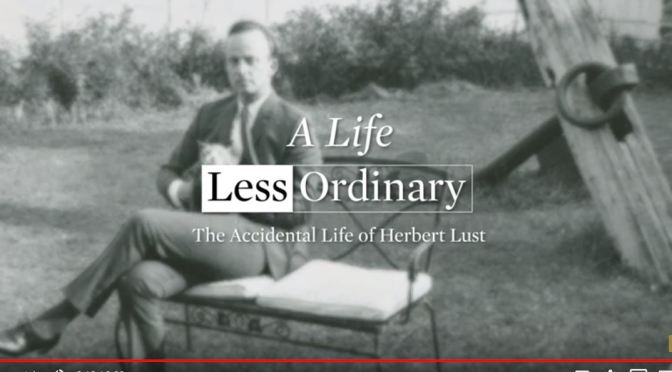
Looking back on nearly a century-long life, Herbert Lust can’t help but feel lucky. He has one of the finest collections of works by artists including Alberto Giacometti, Robert Indiana and Hans Bellmer, among others. But he didn’t just collect these influential artists — he learned from them, challenged them and perhaps most importantly, he had the chance to befriend them. In this episode of A Life Less Ordinary, Lust recounts a life of eccentric curiosity, from his youth in rural Indiana to his career as an investment banker and eventually to his status as one of the leading collectors of art in New York. The close relationships he formed with artists would transform the way Lust perceived and collected art, and today offer us a rare, intimate view into the minds of 20th century icons.


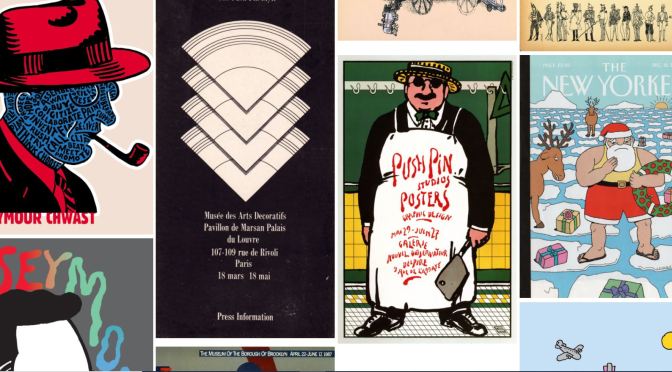
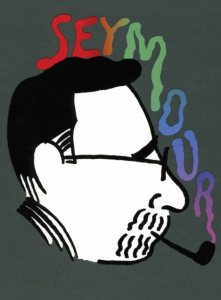 Seymour’s art was postmodern long before the term was coined. Yet it was resolutely modern in its rejection of the nostalgic and romantic representation, as in the acolytes of Norman Rockwell, that had been popular in mainstream advertising magazines at the time. Instead of prosaic or melodramatic tableau, Seymour emphasized clever concept. What makes the very best of his art so arresting, and so identifiable, is the tenacity of his ideas—simple, complex, rational, and even absurd ideas.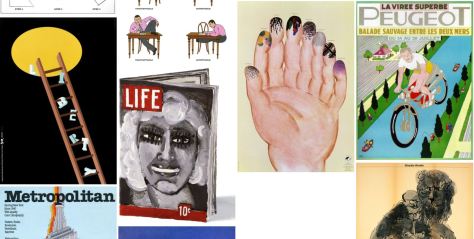

 …the Yō no Ie re-imagines a life in suburban-rural areas, rather than urban-suburban. This reflects quiet yet significant social changes – or rather, shifts in life priorities of people and how they define happiness. In the 20th century, when society was excited about economic growth, everyone dreamed of living in cities, working at big companies by navigating a world of fierce competition, either spending an eye-popping amount of money on a small urban condo that quickly became a norm, or traveling hours to commute from a more affordable home in rapidly sprawling suburbs.
 The 1963 Sting Ray production car’s lineage can be traced to two separate GM projects: the Q-Corvette, and perhaps more directly, Mitchell’s racing
  Boomers Daily