

From a Sleep Review Magazine online release:
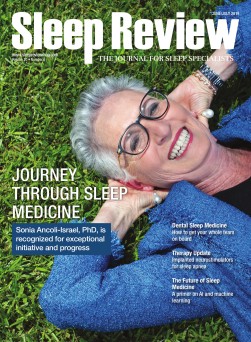 The current study points to the role of norepinephrine, a neurotransmitter that signals arousal and stress in the central nervous system. This chemical is present in low levels in the brain while we sleep, but when production ramps up it arouses our nerve cells, causing us to wake up and become alert. The study showed that norepinephrine also acts on a specific receptor, the beta2 adrenergic receptor, which is expressed at high levels in microglia. When this chemical is present in the brain, the microglia slip into a sort of hibernation.
New research shows that immune cells called microglia—which play an important role in reorganizing the connections between nerve cells, fighting infections, and repairing damage—are primarily active during sleep.
The findings, which were conducted in mice and appear in the journal Nature Neuroscience, have implications for brain plasticity, diseases like autism spectrum disorders, schizophrenia, and dementia, which arise when the brain’s networks are not maintained properly, and the ability of the brain to fight off infection and repair the damage following a stroke or other traumatic injury.
To read more: http://www.sleepreviewmag.com/2019/10/during-sleep-immune-cells-rewire/?ref=cl-title
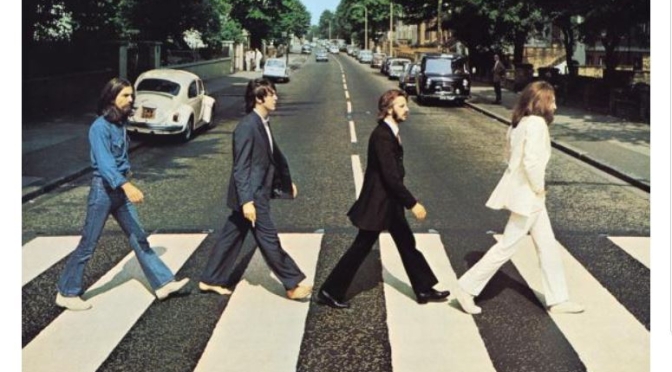
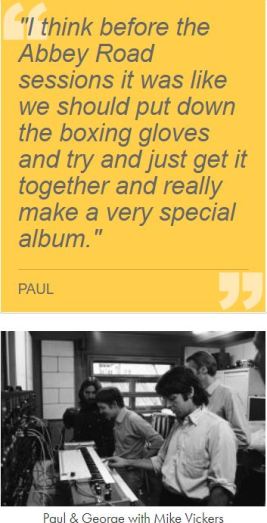 “Abbey Road” was the Beatles’ last word—the final recordings by the most popular and influential artists of the nineteen-sixties. Now, on the occasion of its fiftieth anniversary, “Abbey Road” has been expertly remixed by Giles Martin, George Martin’s son and protégé, and reissued in a super-deluxe edition that comes with an archive of studio outtakes and a hundred-page book of essays and liner notes that chronicle how the recordings were made. “The Beatles are good even though everybody already knows that they’re good,” the classical composer Ned Rorem observed in 1968, alluding to how the band’s immense popularity confounded the usual notions of discriminating taste. If anyone needs to be reminded of this, this new edition of “Abbey Road” should do the trick.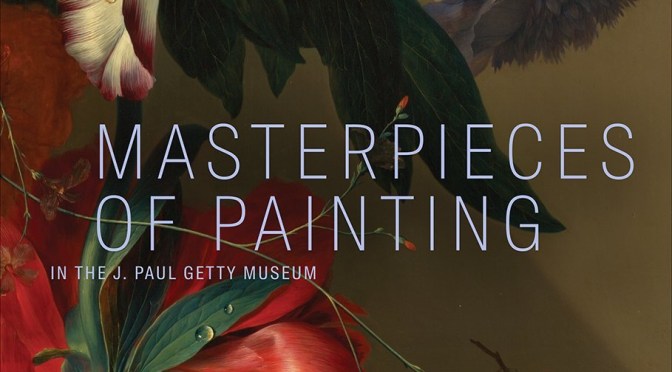
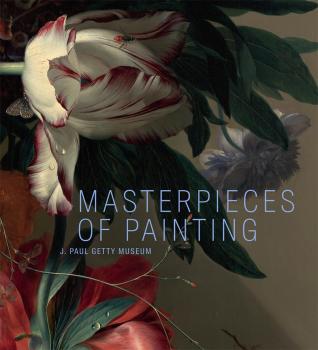 Masterpieces of Painting surveys more than one hundred of the most exquisite and significant paintings displayed in the museum’s famed, daylight-suffused galleries. Vibrant full-color illustrations and engaging descriptions of these masterworks reveal their fascinating histories and cultural, social, and religious meanings. Sure to enchant and edify all art lovers, this book is a spellbinding tour through the history of Western painting.
 Rooted in a passion for the Italian Renaissance as well as Dutch and Flemish Baroque works, the original collection of J. Paul Getty (1892–1976) has been transformed over four decades to include seminal pieces by celebrated masters such as Masaccio, Titian, Parmigianino, Cranach, El Greco, Rubens, van Dyck, Rembrandt, Poussin, Canaletto, Fragonard, Turner, Manet, Degas, Renoir, Monet, van Gogh, Cézanne, and Ensor.
 Listen to the latest from the world of science, with Nick Howe and Shamini Bundell. This week, a milestone in quantum computing, and rethinking early mammals.
 The prototype revealed that using artificial intelligence and machine learning to examine certain combinations of vital signs and other biomarkers could strongly
 From the outside, the Cowboy e-bike is a sleek bike. It features a seamless triangle-shaped aluminum frame, integrated lights and a low-key Cowboy logo near the saddle. The handlebar is perfectly straight like on a mountain bike. The only sign that this is an e-bike is that the frame is much larger below the saddle.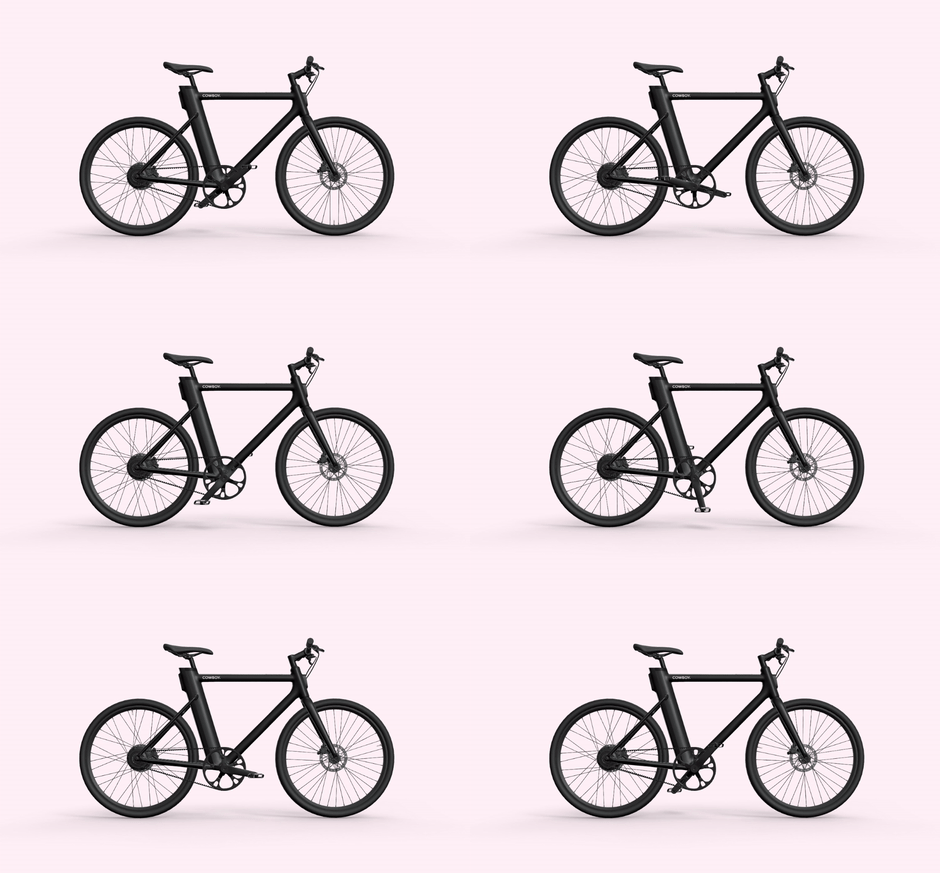

 Customers who liked the original Lume tailgate kitchen will find a larger version in the LT540 No. 1/Pure spec trailers, but those looking for a more all-weather solution will be able to enjoy indoor cooking with the new Nordic floor plan, which pulls the kitchen inside across the front wall. To accommodate it, Lume pushes the double bed back toward the bumper and eliminates the front sofa standard on the No. 1 and Pure models.
 Last year, Dutch startup Lume wowed the world by topping its
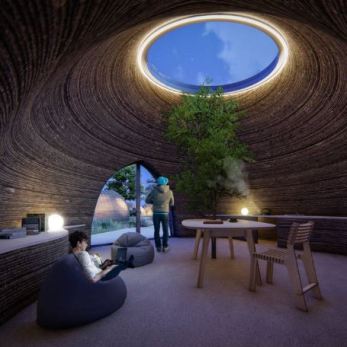 Designed by MC A and engineered and built by WASP, TECLA will be the first house to be entirely 3D printed using locally sourced clay – a biodegradable and recyclable ‘km 0 natural’ material which will effectively make the building zero-waste. It will be built to adapt to multiple environments, and it will be suitable for self-production through the use of WASP’s innovative Maker Economy Starter Kit. This approach will limit industrial waste and offer a unique sustainable model that will boost the national and local economy, improving the wellbeing of communities. Furthermore, the scheme will significantly accelerate the construction process as the 3D printer will produce the entire structure at once.
 The top 10 most commonly administered antibiotics in the ER for nonadmitted patients were:
 Boomers Daily