
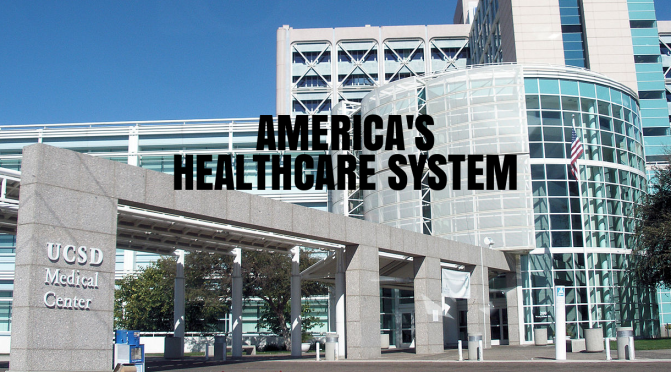
From a Scientific American online article:
 Health care is a big business, and our system reimburses hospitals and health care workers for caring for the sickest people rather than healthiest ones. This process depletes healers’ energy and often causes them to become exhausted and sick. That means all of us who work in or study to work in health care are at risk. To break this vicious cycle, we need self-scrutiny and willingness to change.
Health-professions students and workers live in chronically stressful environments—responsible for an increasingly sick population, which they are expected to repeatedly rescue from failure. To heal others, our health care professionals need healing themselves.
American medical students, physicians and nurses: There’s good news and bad news.
The bad news is that our health care system and many of its workers are sick. The good news is that we can heal them. We should waste no time in starting.
To read more: https://blogs.scientificamerican.com/observations/american-health-care-is-sick-and-its-workers-are-too/
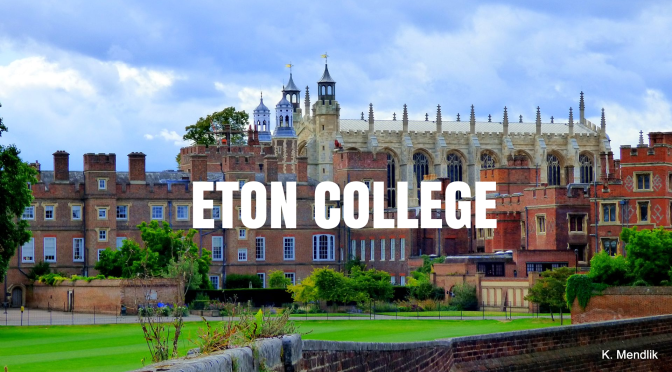
 James Wood: These Etonians
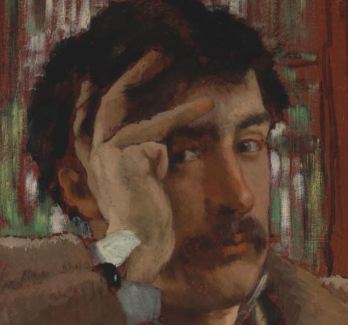 Tissot consistently defied convention in both his professional and personal life. His contributions to the academy and the avant-garde are documented by participation at diverse venues such as the Paris Salon as well as London’s Royal Academy and the Grosvenor and Dudley Galleries. This exhibition explores his multifaceted career with a fresh perspective and original scholarship and will also question where and how Tissot should be situated in narratives of the nineteenth-century canon.




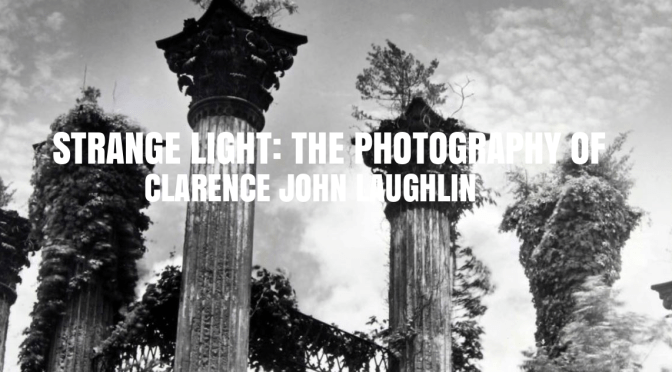
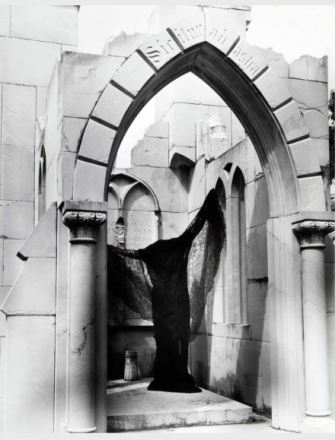 Dubbed “The Father of American Surrealism,” Clarence John Laughlin (American, 1905-1985) was the most important Southern photographer of his time and a singular figure within the burgeoning American school of photography. Known primarily for his atmospheric depictions of decaying antebellum architecture that proliferated his hometown of New Orleans, Laughlin approached photography with a romantic, experimental eye that diverged heavily from his peers who championed realism and social documentary.
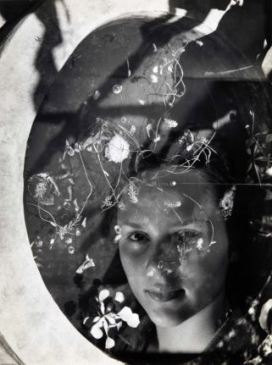 The exhibition surveys Laughlin’s signature bodies of work made between 1935 and 1965, emphasizing his inventiveness, artistic influences, and deep connection to the written word. The High began collecting Laughlin’s work in 1974 and Strange Light: The Photography of Clarence John Laughlin is the first major presentation of Laughlin’s photographs by the High Museum following a landmark acquisition of his work in 2015.
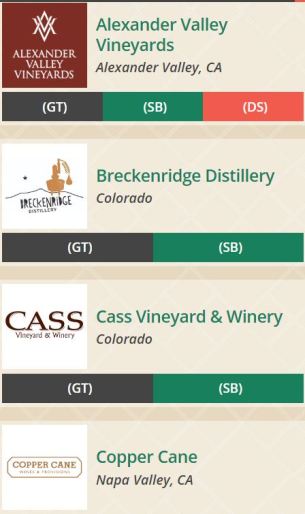 The Breckenridge Wine Classic is a premier destination event where master winemakers, culinary greats, and our distinguished guests gather to play, wine, and dine in beautiful Breckenridge, CO. Experience more than 100 food artisans, wineries, breweries, distilleries, epicurean purveyors, and locally-made products at this ultimate food and wine experience. Whether you are a full-fledged foodie or an emerging gourmand, you are sure to find more than one event to whet your appetite at the Wine Classic. There is something for everyone – from food and wine tastings, to seminars and luncheons, to outdoor adventures with food & wine influences, there are tastes and temptations at every turn.
 “What is memory without forgetting?” asks Oliver Hardt, a cognitive psychologist studying the neurobiology of memory at McGill University in Montreal, Canada. “It’s impossible,” he says. “To have proper memory function, you have to have forgetting.”
 A nanotube microprocessor: Scientists are looking beyond silicon, by constructing a computer chip using carbon nanotubes.
 “Fans of intelligent historical fiction will be enthralled by a story so original and so fully imagined. Meek shows the era as alien, which it is, and doesn’t falsify it by assimilating it to ours. But his characters are recognisably warm and human”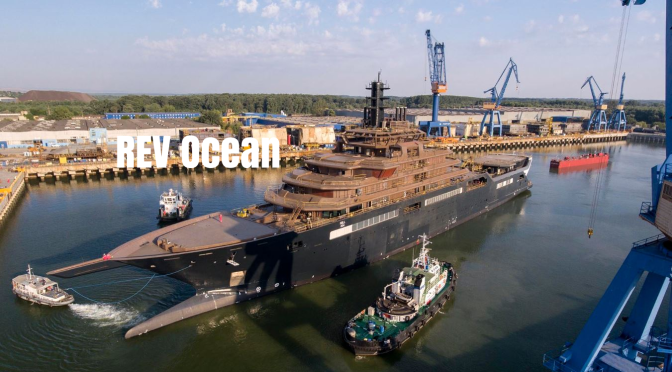
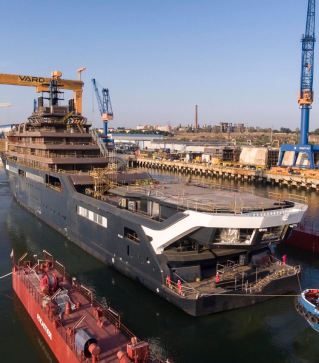 REV Ocean will be equipped for conducting missions that cover the entire marine ecosystem. It will be used by scientists and innovators for ‘solutions’ oriented research that explore issues such as the impact CO2 emissions have on the ocean, plastic pollution, and unsustainable fishing. REV Ocean will be an inclusive global vehicle for testing and proliferating ocean solutions. The vessel is 182.9 meters long and will have the capacity of holding 55 scientists and 35 crew. Equipment onboard includes scientific trawls, sonar systems, laboratories, auditorium and classrooms, moonpool, AUV and submarine, an ROV with 6000 meters depth capacity, and advanced communication equipment.
 Boomers Daily