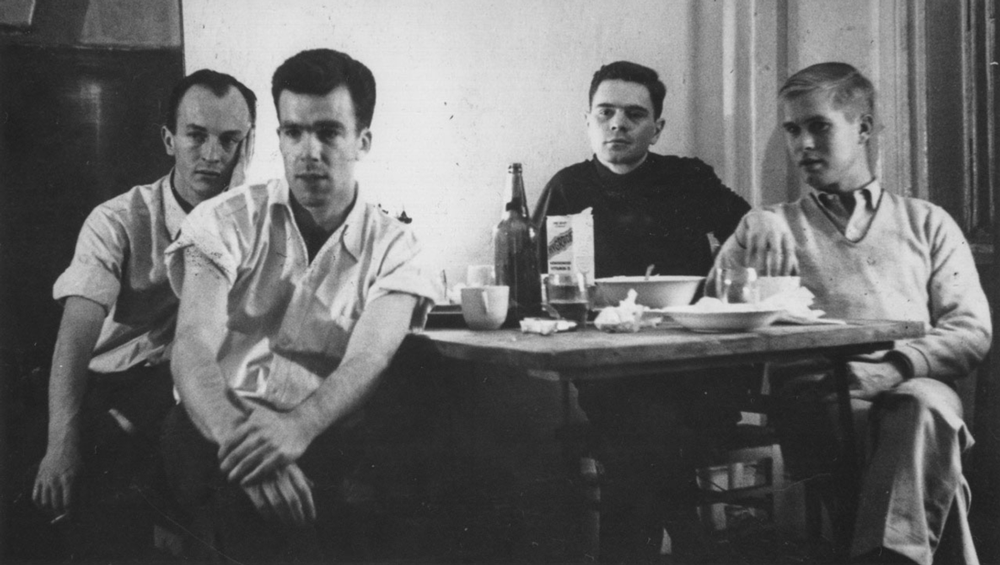
James Schuyler on Frank O’Hara: “I still can see Frank, standing on that street corner outside a pastry shop, holding a neatly tied-up box of God knows what—éclairs, perhaps.”
James Schuyler was born in Chicago in 1923, grew up in Washington, D.C., and East Aurora, New York, and spent most of his adult years in New York City and Southampton, Long Island. Although he is perhaps less widely known than the fellow New York School poets with whom he is associated, John Ashbery, Frank O’Hara, Barbara Guest, and Kenneth Koch, he published six full-length books of poetry during his lifetime—beginning with Freely Espousing, published by Doubleday and Paris Review Editions in 1969—as well as two novels, and a third written in collaboration with Ashbery. In 1981 he won the Pulitzer Prize for his collection The Morning of the Poem (1980). Mental illness plagued him intermittently, and there were times when his life threatened to veer out of control, but friends repeatedly rallied around him, and the years before his death in 1991 were happy and productive.
Javier Cercas on the Art of Fiction: “Hell, to me, is a literary party.”
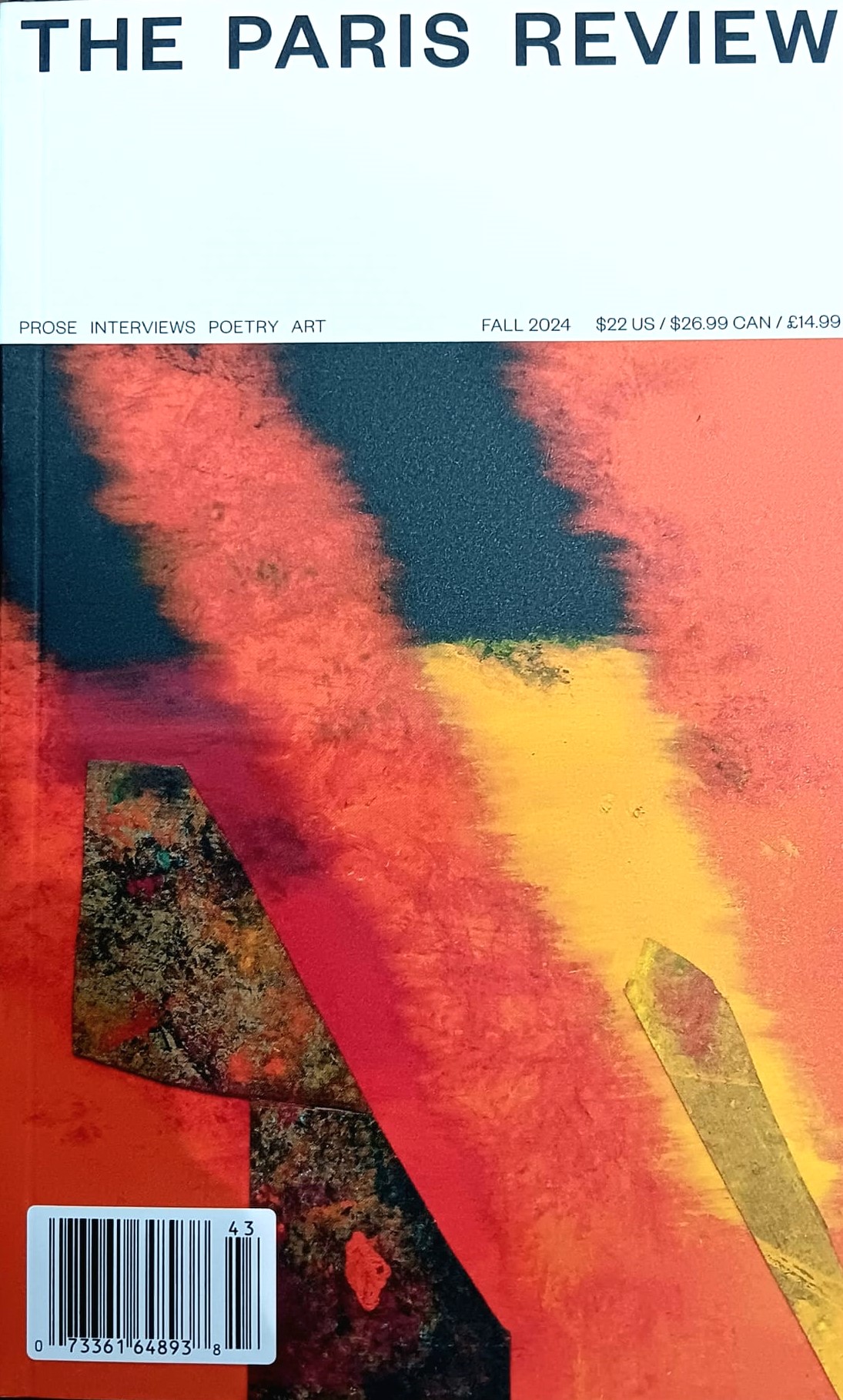
Prose by Josephine Baker, Caleb Crain, Marlene Morgan, Morgan Thomas, and Fumio Yamamoto.
Poetry by Hannah Arendt, Matt Broaddus, Sara Gilmore, Benjamin Krusling, Mark Leidner, James Richardson, and Margaret Ross.
Art by Ayé Aton and Ron Veasey, and cover by Sterling Ruby.
Charles Quest-Ritson marvels at Friar Park’s ‘Henley Matterhorn’ in the superb Oxfordshire garden created by the late Beatle George Harrison and his widow, Olivia
How to time travel to spring
Now is the time to plan next year’s colourful garden display. John Hoyland advises what to plant and where for best results
Put a smile on your garden
John Hoyland hails a welcome resurgence in the popularity of pelargoniums, a stalwart that lights up the summer garden
Sing on, sweet bird
The soothing notes of Britain’s thrushes have long provided a reassuring soundtrack to our lives. Mark Cocker tunes in
Bravery beyond belief
As the Royal Humane Society marks its 250th anniversary, Rupert Uloth recounts a host of incredible life-saving feats
‘Without fever there is no creation’
Henrietta Bredin examines how the colourful life of Puccini was reflected in the melodramatic plot lines of his greatest operas
Rachel Podger’s favourite painting
The leading violinist chooses an inspiring, uplifting masterpiece with a beautiful depth of colour
Happiness in small things
The challenges facing female farmers in Africa put life in perspective for Minette Batters
The great indoors
Amelia Thorpe has the pick of planters and accessories to make the most of your houseplants
Civic splendour
John Goodall is heartened by the restoration of St Mary’s Guildhall, a symbol of Coventry’s great 14th-century prosperity
The legacy
Kate Green applauds the work of Sir Arthur Hobhouse, founding father of our national parks
Let’s get to the bottom of this
Is it a blessing or a curse to find a well on your property? Deborah Nicholls-Lee tests the water
I was on fire for you, where did you go?
David Profumo is in his element as he teases Atlantic salmon from Iceland’s low, clear waters
The good stuff
Hetty Lintell turns over a new leaf with autumn-inspired jewellery
Interiors
It’s show time! Amelia Thorpe seeks Design Week inspiration
Get your cob on
Prepare to be amazed by maize as Tom Parker Bowles savours those golden corn kernels in mouth-watering Mexican style
Foraging
Do you know a damson from a bullace? John Wright revels in the plum job of explaining it all
The colour revolution
The 19th-century development of new paints was a green light for artists, finds Michael Prodger
Colour vision
Rob Crossan catches up with the most famous and enduring face of our television screens
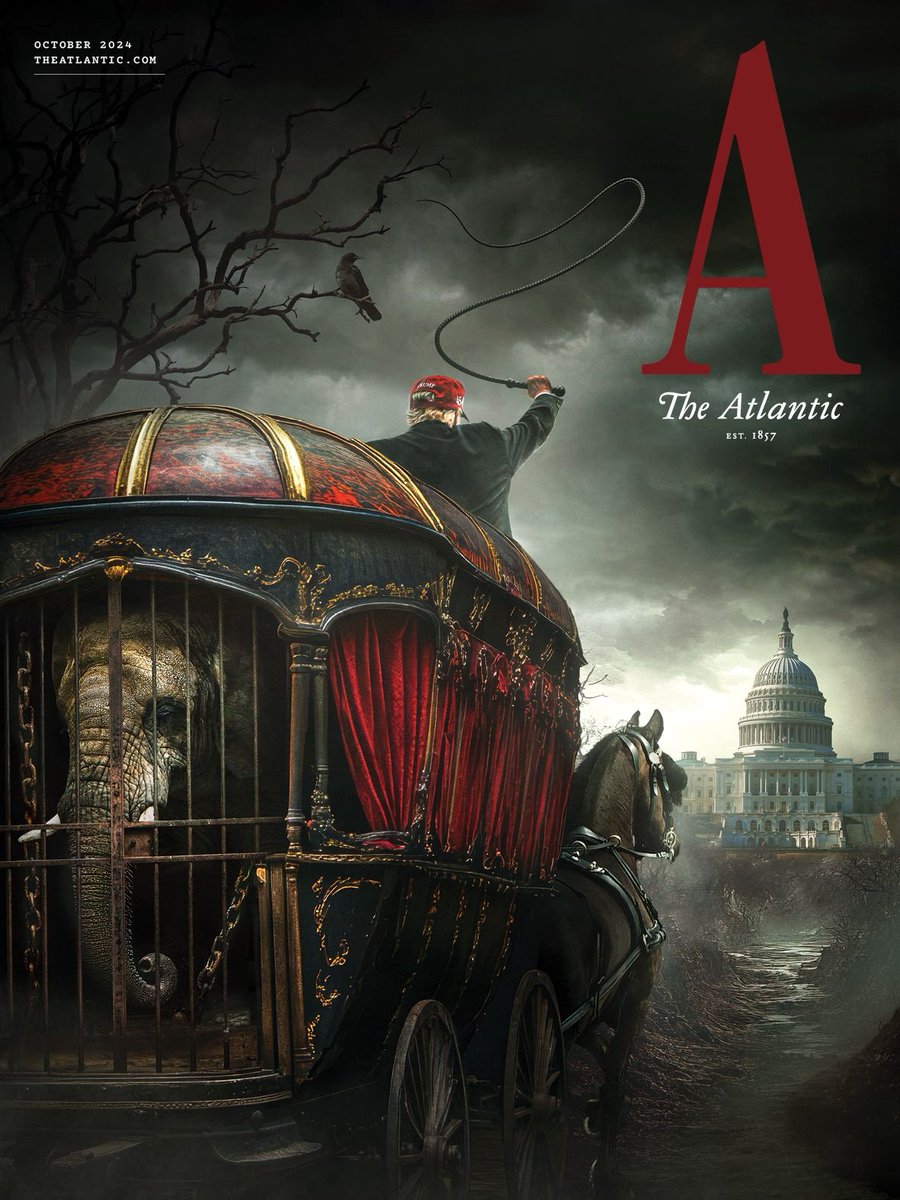
The Atlantic Magazine – September 9, 2024: The latest issue features Trump’s antidemocratic actions, and the Republican politicians who bent to his will
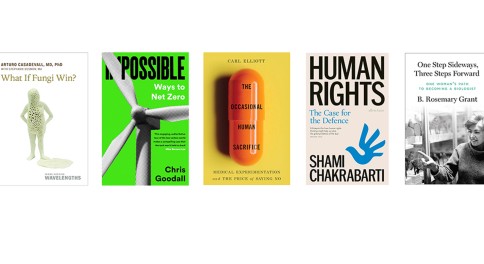
Earth’s largest organism, the ‘Humongous Fungus’, thrives under the floor of Malheur National Forest in Oregon. Sprung from a tiny spore 8,000 years ago, it weighs an estimated 31,500 tonnes spread over 10 square kilometres, sucking in nutrients from trees. Fungi are regarded as being more closely related to animals than to plants. “Fungi and humans share nearly 50% of their DNA,” observes epidemiologist Arturo Casadevall, in his brilliant book exploring the properties of fungi that are both fruitful and deadly to humans.
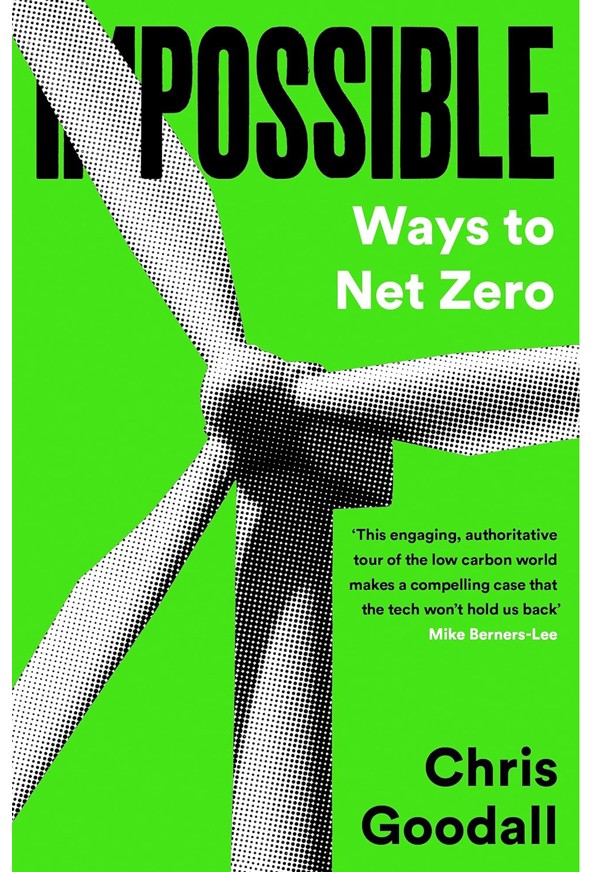
Possible: Ways To Net Zero
Chris Goodall Profile (2024)
Net-zero carbon emissions by 2050 are the global goal. China leads the world in installing wind- and solar-energy capacity, comments businessperson and environmental writer Chris Goodall, in this realistic but hopeful analysis of the technological and attitudinal challenges that all nations face in achieving net zero. The UK laundry company Oxwash — founded in 2018 by a university student tired of broken washing machines — provides services fuelled by renewable electrical power and gas from anaerobic digesters of farm waste.
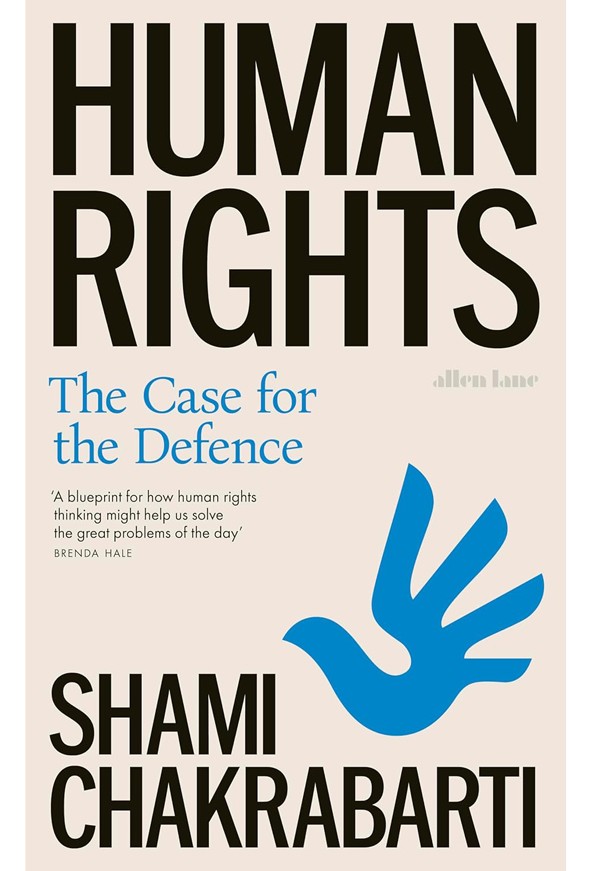
Human Rights: The Case For The Defence
Shami Chakrabarti Allen Lane (2024)
International agreements on fundamental human rights, such as entitlement to a fair trial and free speech, are now under threat in Europe, the United States and elsewhere. Shami Chakrabarti, a human-rights lawyer and former director of the UK National Council for Civil Liberties, considers how to defend these rights. How can “global inequality, conflict, climate catastrophe and the new and under-governed continent of the Internet” be tackled without global values and higher laws, or ways to enforce them?
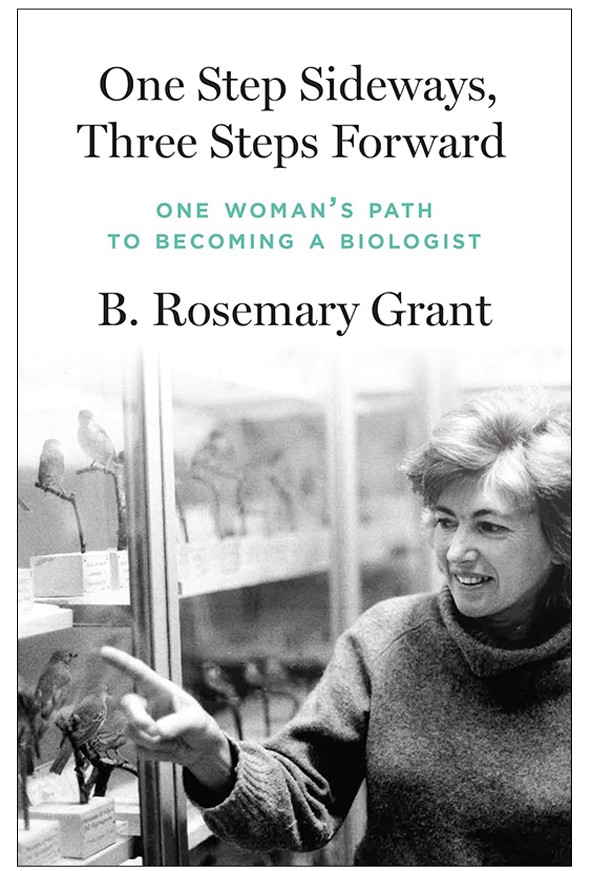
One Step Sideways, Three Steps Forwards: One Woman’s Path to Becoming A Biologist
Rosemary Grant Princeton Univ. Press (2024)
A scientific life “requires critical thinking, following exceptions to your pet theory, respect for others and strong ethical values”, concludes evolutionary biologist Rosemary Grant. Her memoir tells of a girl fascinated by birds and fossils, who later formed a celebrated team with her biologist husband Peter. While raising a family, the couple studied Darwin’s finches in the Galapagos Islands, Ecuador, for six months each year from 1973 to 2012. They revealed visible natural selection in a bird’s lifetime — contrary to Charles Darwin’s initial thinking.
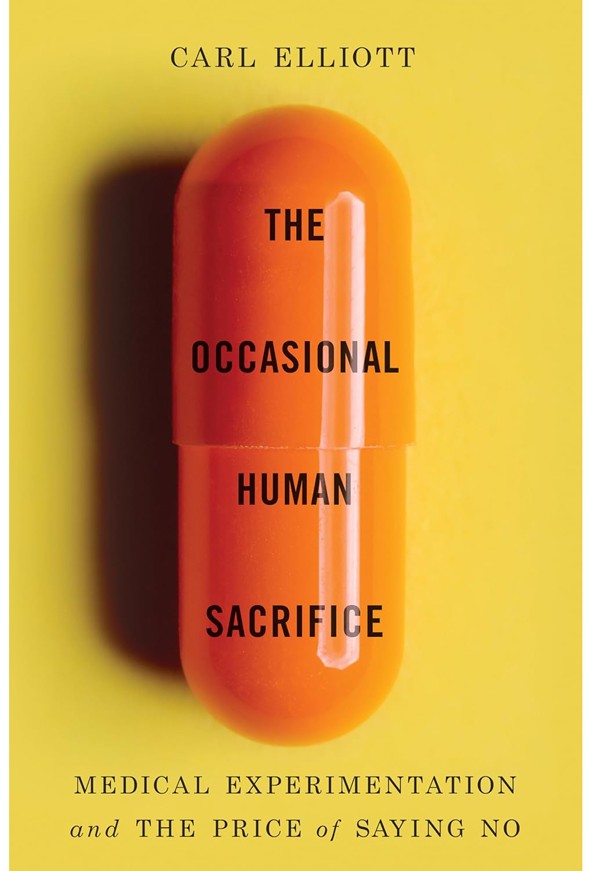
The Occasional Human Sacrifice: Medical Experimentation and the Price of Saying No
Carl Elliott W. W. Norton (2024)
Bioethicist Carl Elliott’s analysis of medical malpractice begins grippingly: “Let me present my credentials as a coward.” He then lists the times he failed to object to mistreatments as a medical student, followed by his frustrating campaign to publicize a case of suicide at his university in which a psychiatrist enrolled a patient in a dubious drug study. These experiences illuminate six historical cases of “occasional human sacrifice” caused by people’s alleged consent to participate in programmes that they did not comprehend.
“In the Dark” Reports on the Lack of Accountability for a U.S. War Crime
The podcast investigates the events in Haditha, Iraq, and compiles a database to show the inherent problem of the military judging its own members. By Willing Davidson
Are Your Morals Too Good to Be True?
Scientists have shattered our self-image as principled beings, motivated by moral truths. Some wonder whether our ideals can survive the blow to our vanity. By Manvir Singh
Russia’s Espionage War in the Arctic
For years, Russia has been using the Norwegian town of Kirkenes, which borders its nuclear stronghold, as a laboratory, testing intelligence operations there before replicating them across Europe. By Ben Taub
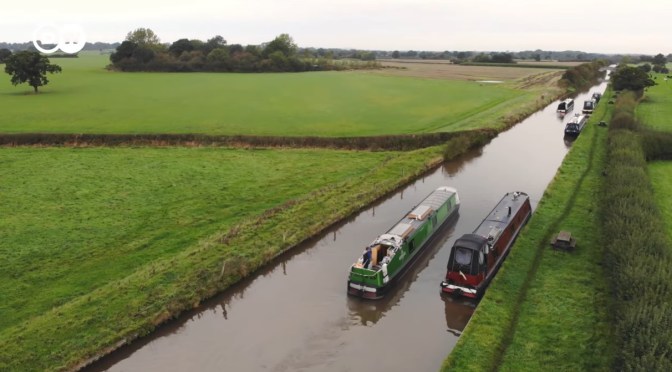
DW Euromaxx (September 7, 2024): Paul and Anthony Smith-Storey sold their house to buy a narrowboat and travel the canals of North West England full-time.
Has radically changing their surroundings made them truly happier, and what can we learn from them? You’ll find out in our new series ‘Living Differently.’
CHAPTERS: 00:00 Intro 00:55 Inside Paul and Anthony’s narrowboat 02:36 How much does it cost them? 04:21 Tips for a lifestyle change
THE NEW YORK TIMES MAGAZINE (September 7, 2024): The latest issue features Caity Weaver on the tyranny of the American penny; Jordan Kisner on the future of the Shakers; Dan Kaufman on NAFTA and politics; and more.
Since its passage in 1993, the trade agreement has played an outsize role in presidential elections — which now often hinge on the three Rust Belt states it helped to hollow out.
Bali: A long-distance hike through the Indonesian island’s forested interior Ireland: Exploring the ancient landscapes of the Burren, County Clare New Mexico: Meet the rangers protecting the US state’s wealth of parks and monuments Morocco: Itineraries to experience the country’s bohemian cities, desert villages and more Athens: A layer cake of ancient and modern, the Greek capital overflows with intrigue Oxford: Rambling gardens and cosy bookshops in England’s ‘city of dreaming spires’ Cascais: Historic mansions, museums and moreish seafood on the Portuguese Riviera Ticino: Mediterranean and Alpine cuisines intermingle in this southerly Swiss canton Jamaica: The island’s best hotels, from secluded mountain cabins to intimate beachside escapes
News, Views and Reviews For The Intellectually Curious










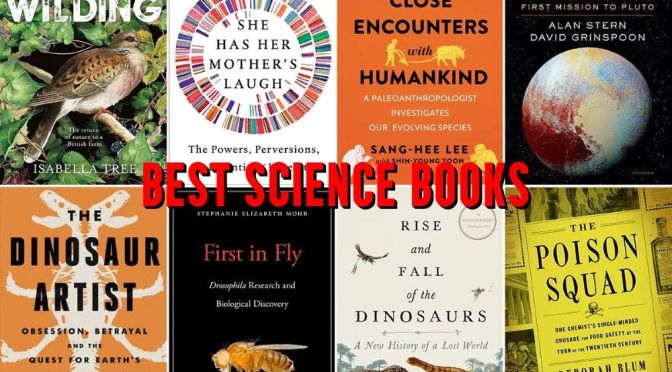
 Nature Magazine (September 9, 2024): Consider the finches: Books in brief. Andrew Robinson reviews five of the best science picks…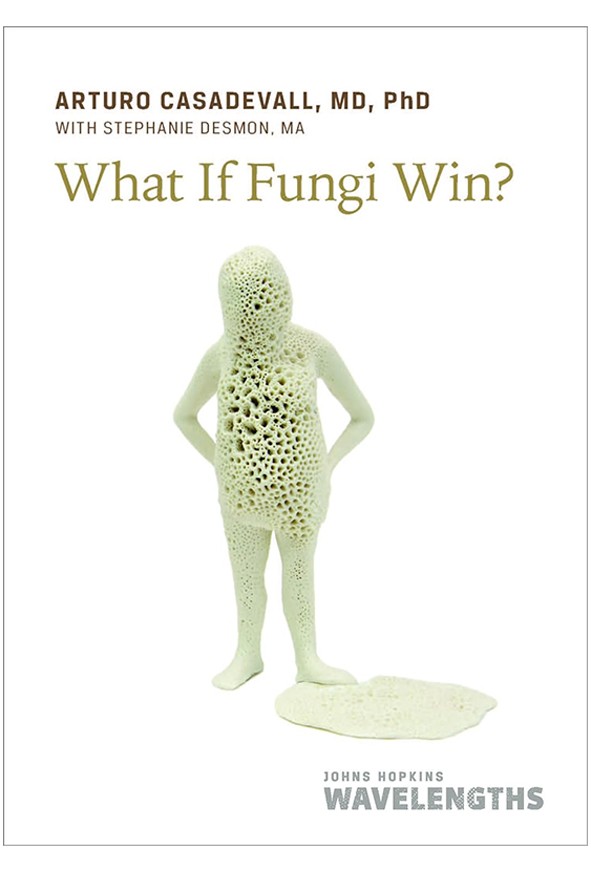









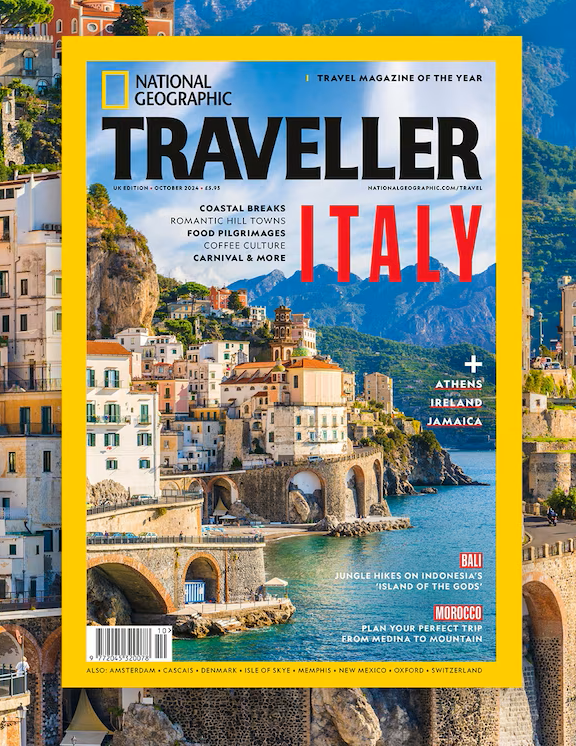
 National Geographic Traveller Magazine (September 6, 2024): The October 2024 issue
 Boomers Daily