

Tag Archives: Previews
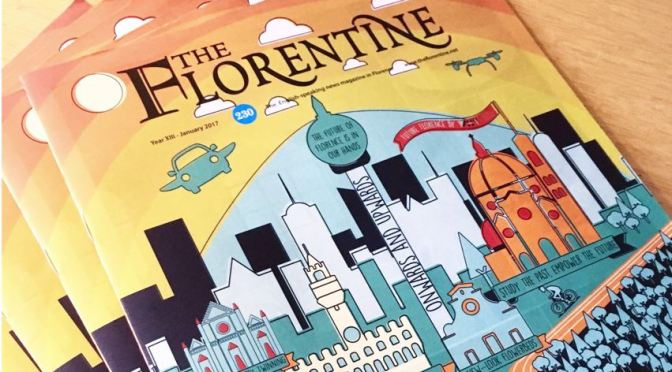
Previews: The Florentine Magazine – July/Aug 2022
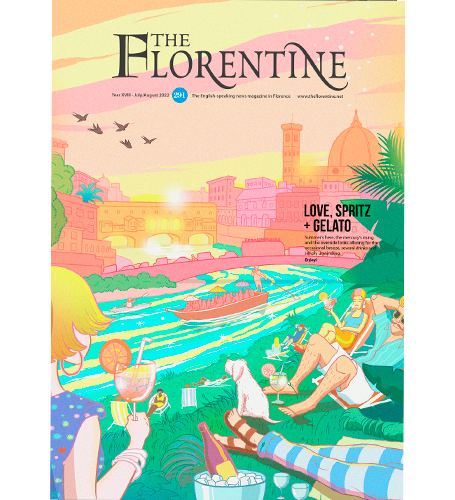
The Florentine July/August 2022
Love, Spritz + Gelato
My forearms are sticking to the desk as I type this month’s letter. It’s an irksome feeling that’s offset by last night’s joy of dancing wildly at a wedding and an afternoon dip in a kind friend’s swimming pool. Summer in Florence is an intoxicating mix of sweat, fun and gelato. While many of us escape to our countries of origin for as long as we can, there’s something undeniably alluring about these sun-streaked months in Tuscany. Just think back to movies such as Stealing Beauty and Under the Tuscan Sun before fast forwarding to recent Netflix films Toscana and Love & Gelato. Stereotypes aside—and there are far too many to mention in these productions (Netflix, we’re here if you fancy delving deeper into our city and region!)—summer in Florence never stops working its inexplicable magic. Yes, the wall of heat and buzz of mosquitoes may be draining during the day, but the night brings boundless pleasures, from movie nights by the Uffizi to exhibitions at just-reopened Forte di Belvedere, refreshing beers beside the Arno and brilliantly oddball cultural moments such as a wheat threshing festival in the hills (find out more about that gem on page 16).
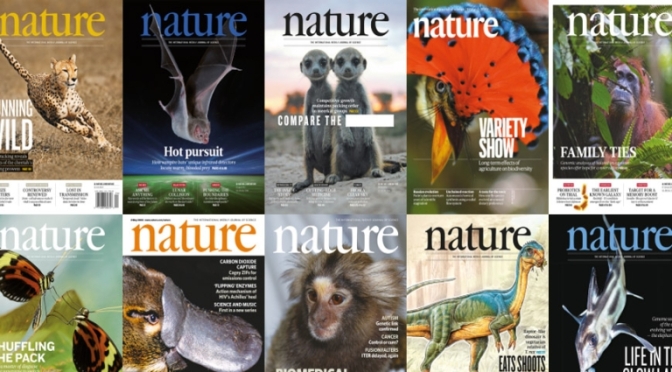
Cover Preview: Nature Magazine – June 30, 2022
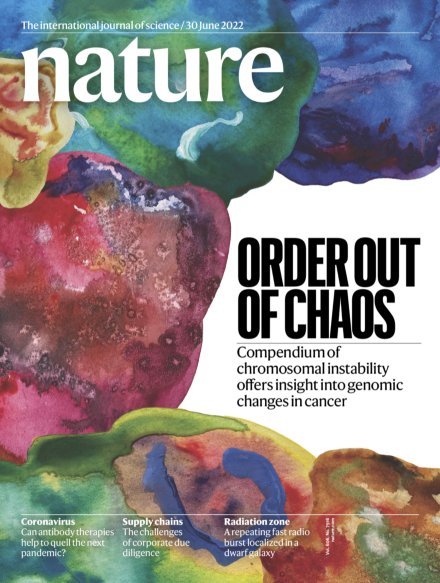
Order out of chaos
The cover shows an artistic representation of various cancer cells. The large-scale gains, losses and rearrangements of DNA seen in chromosomal instability are a typical feature of cancer — but there is no comprehensive framework to decode the causes of this genomic variability and their possible links to disease. In this week’s issue, Florian Markowetz, Geoff Macintyre and their colleagues present such a framework with a compendium of 17 signatures of chromosomal instability that can be used to predict how tumours might respond to drugs and that help to identify future therapeutic targets. The team created the compendium by examining 7,880 tumours representing 33 types of cancer. In a separate paper, Nischalan Pillay and colleagues examined 9,873 cancers to generate
Preview: New Scientist Magazine – July 2, 2022
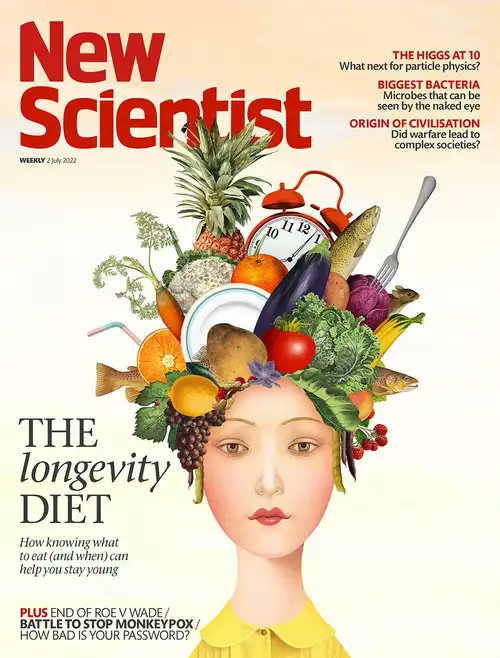
How readily should we swallow the idea of diets that delay ageing?
The promise of a new diet that can add as much as a decade to your life is certainly tempting – and might well be proven to work – but for now should be swallowed with a pinch of salt

Preview: New York Times Magazine – July 3, 2022
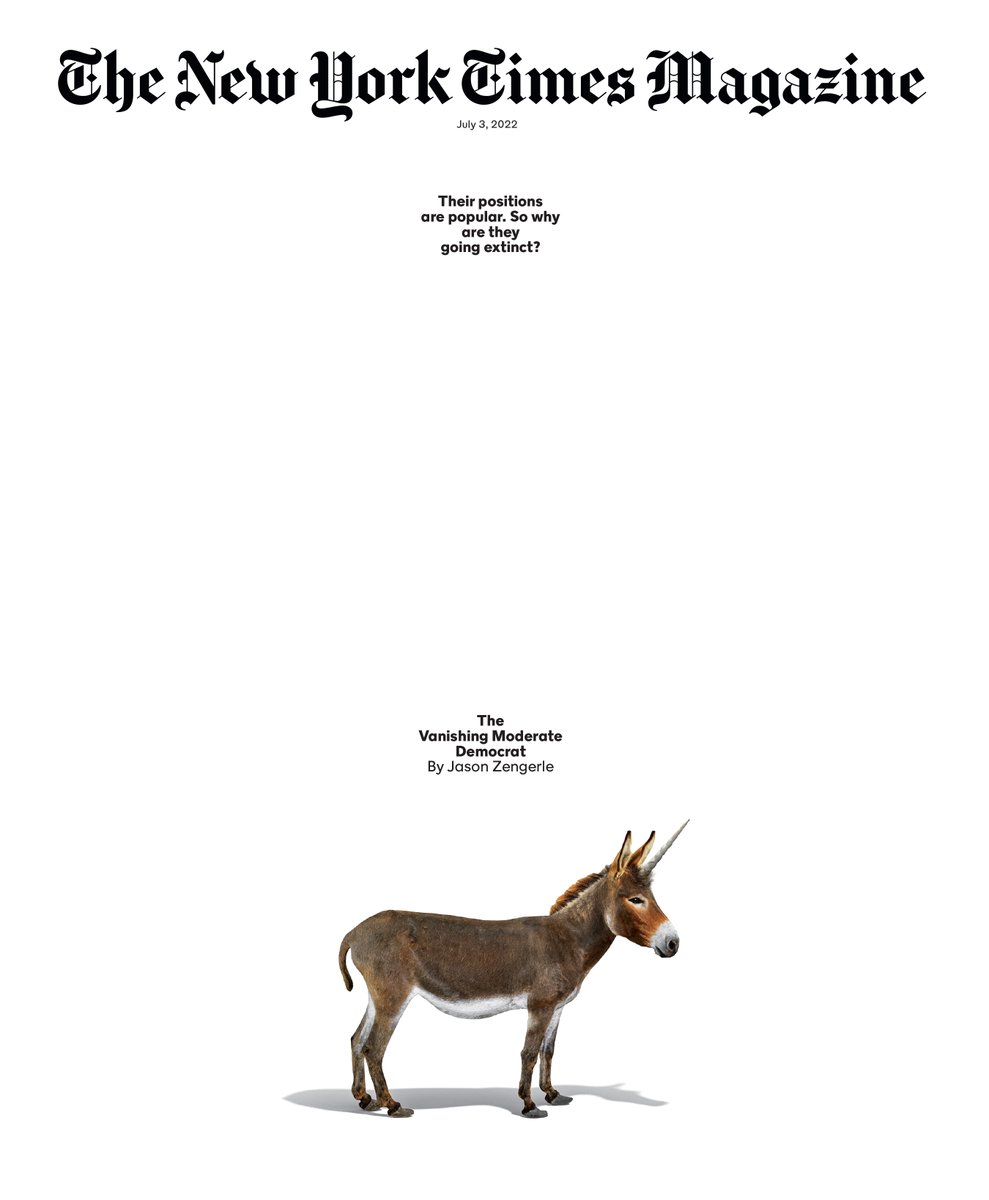
The Vanishing Moderate Democrat
Their positions are popular. So why are they going extinct?

Preview: Times Literary Supplement – July 1, 2022
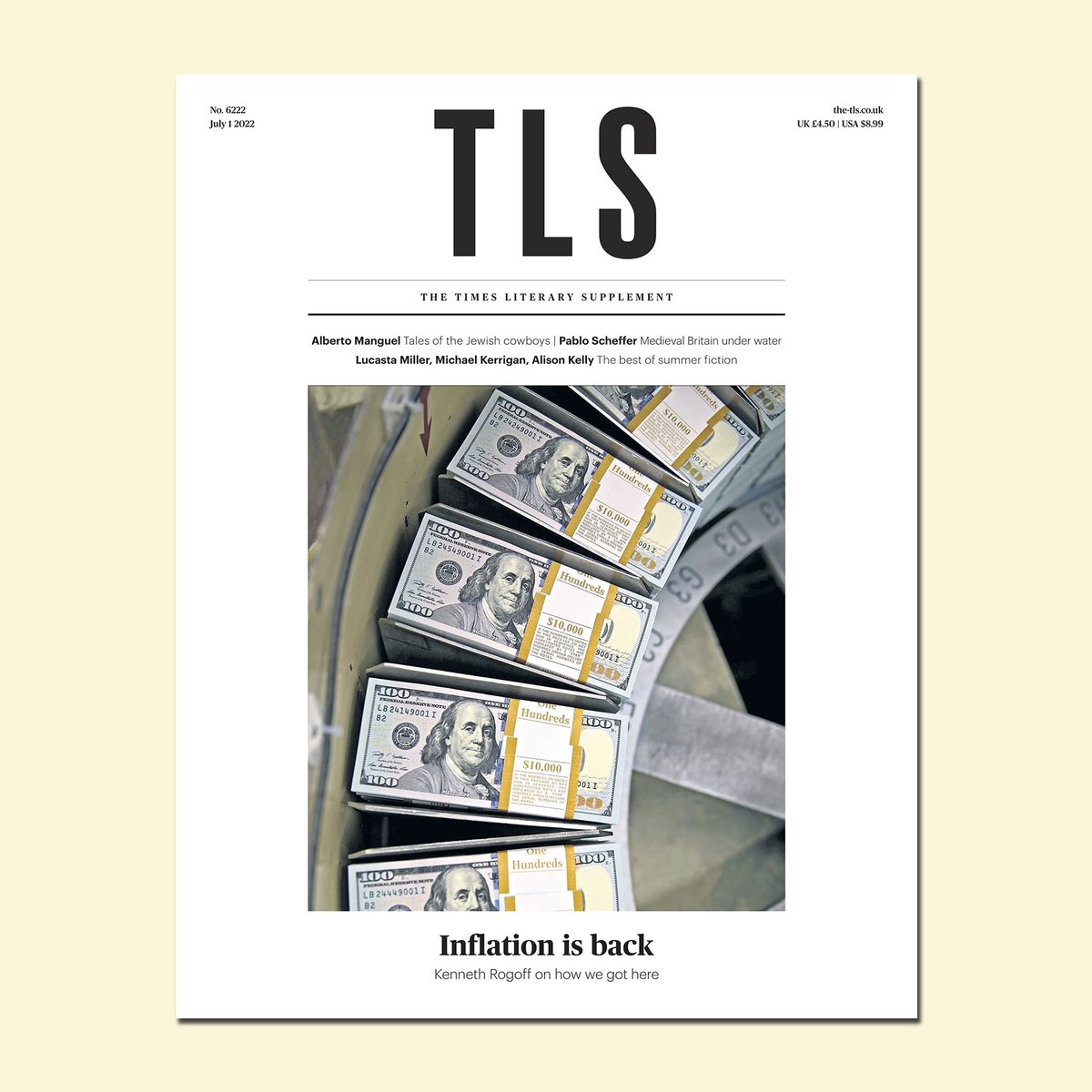
@TheTLS – July 1, 2022. Featuring Kenneth Rogoff on inflation; @KuperSimon on the Tour de France; @natsegnit on the ultrawealthy; Terry Eagleton on Geoff Dyer; @amyhawk_ on Hong Kong; @scheffer_pablo on climate change in medieval literature – and more.
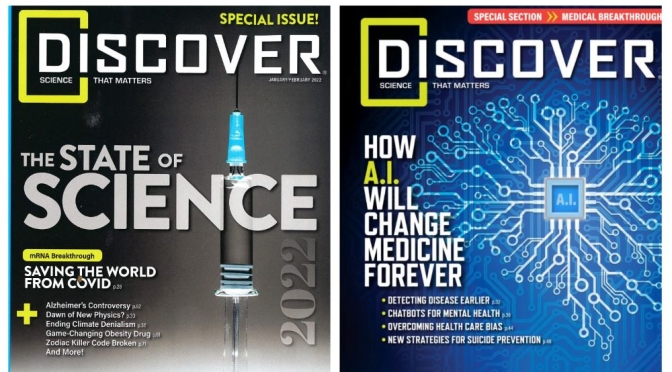
Cover Preview: Discover Magazine – July/Aug 2022

Preview: The American Scholar – Summer 2022
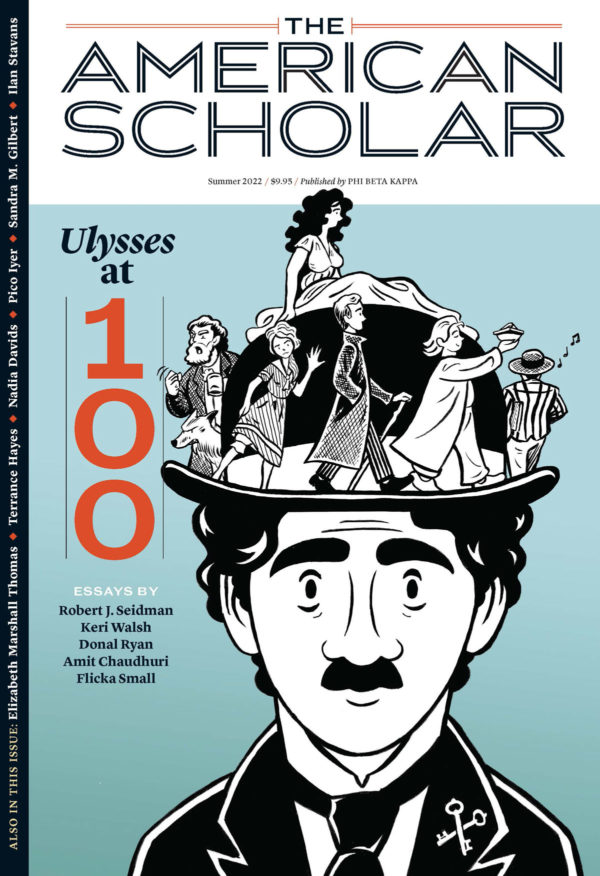
COVER STORY
Ulysses at 100
by Our Editors
Is there a novel more revered—and more famously unread—than James Joyce’s Ulysses? Despite its complexities, this love letter to Dublin, published a century ago, is a very readable chronicle of everyday life and everyday struggles. It’s a book about marriage, sex, religion, food, art, loneliness, companionship, and so much else. It’s a book, that is, about life. We hope that the following essays will send you on a quest to discover, or rediscover, this most staggering of epics.
A Remembrance of Places Both Empty and Full
The divine, stark photographs of Robert Adams
by Megan Craig
FICTION
How to Solve the Mystery of the Slope and the Line
by Cassandra Garbus

Preview: History Today Magazine – July 2022
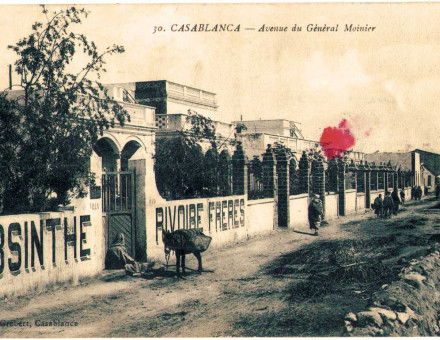
Under the Influence
Alcohol was part of daily life in the colonial Maghreb. In 1913 the French banned alcohol in Tunisia, revealing a deep distrust of local drinks and their Jewish and Muslim makers.

An Irish Cuba?
During the worst year of the Troubles, the British government became alarmed at the implications of a Soviet embassy opening in Dublin.
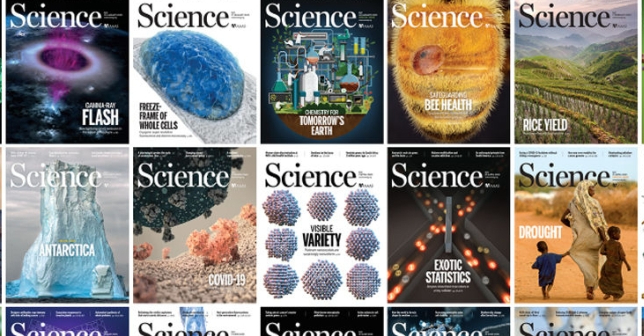
Cover Preview: Science Magazine – June 24, 2022

COVER: Humanity’s actions have committed us to a warming climate and limited our options for mitigation. Although there is no turning back, some paths are still open to avoid catastrophic climate change and reduce its impacts. We must act now to drastically reduce greenhouse gas emissions and change our approaches to growing food, consuming products, and managing ecosystems to avoid a dire future. See page 1392.
Illustration: Myriam Wares
Our climate future
Time to act
CAROLINE ASH
The matter of a clean energy future
JAMES MORTON TURNER
 Boomers Daily