

March 6, 2023: A selection of three essential articles read aloud from the latest issue of The Economist. This week, how to cure obesity, Ron DeSantis’s foreign policy doctrine (10:53) and why hype can help and hinder entrepreneurs (17:00).
Tag Archives: Obesity
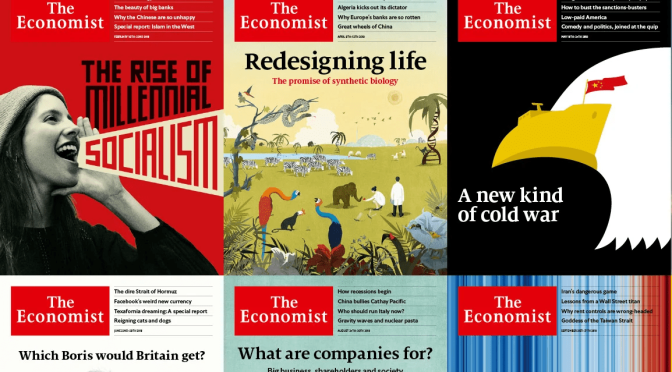
Previews: The Economist Magazine – March 4, 2023


This week’s worldwide cover celebrates the new drugs promising an end to the world’s obesity epidemic. They could bring riches for their makers, savings for health systems and better lives for millions.
New drugs could spell an end to the world’s obesity epidemic
The long-term effects must be carefully studied. But the excitement is justified
The new Brexit deal is the best Britain can expect. Support it

Both the Tories and the Democratic Unionist Party should get behind the new agreement with the EU
Delta force
Is Bangladesh’s admired growth model coming unstuck?

A development superstar faces malign politics and rising corruption
The tech slump is encouraging venture capital to rediscover old ways

Small, profitable firms in strategic industries are now all the rage
Reports: Tufts Health & Nutrition – March 2023
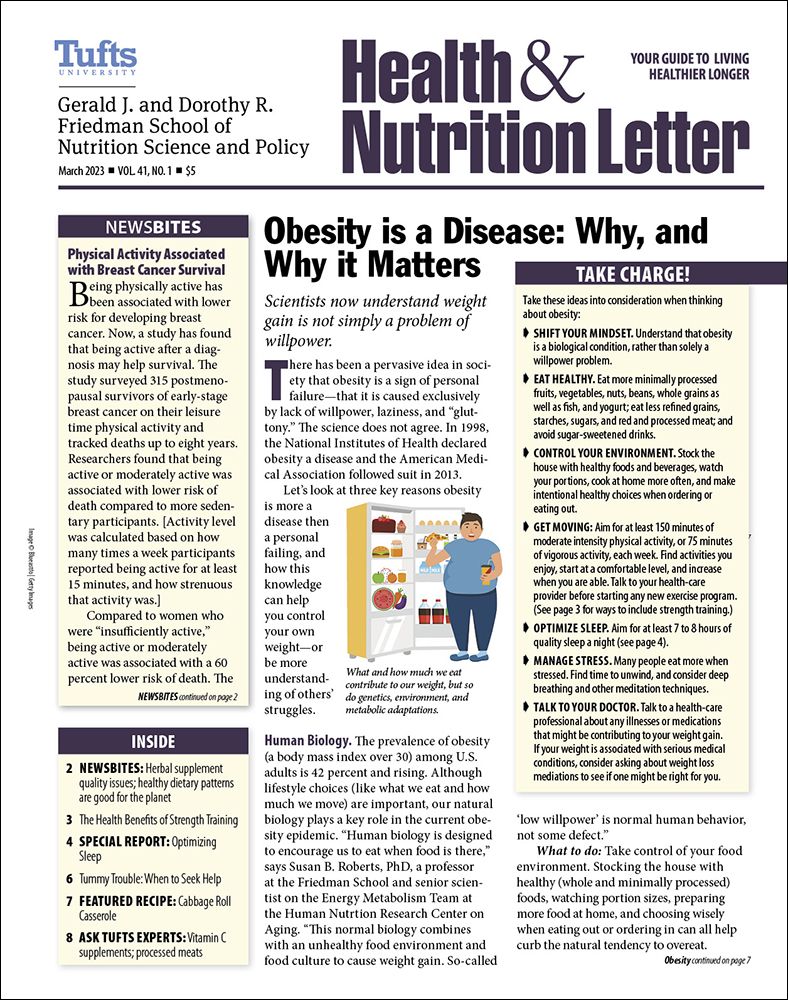

Tufts Health & Nutrition Letter (March 2023):
- Obesity is a Disease: Why, and Why It Matters
- News Bites
- The Health Benefits of Strength Training
- Special Report: Optimizing Sleep
- Tummy Trouble: When to Seek Help
- Featured Recipe: Cabbage Roll Casserole
- Ask Tufts Experts: Vitamin C supplements; Processed Meats
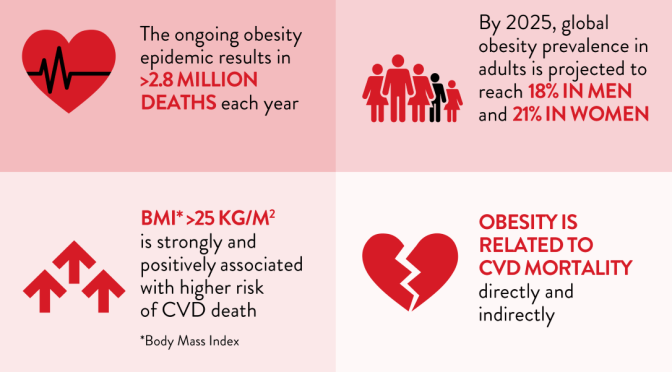
Infographic: Obesity And Cardiovascular Disease
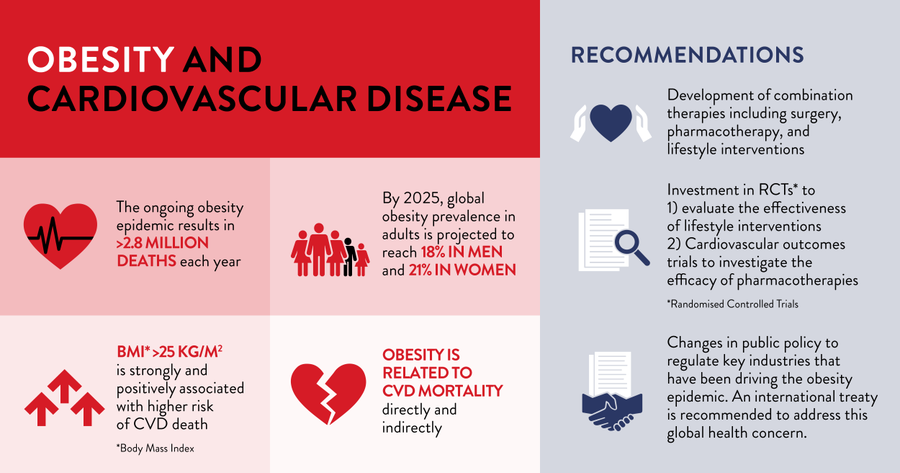
Our new position paper with @worldheartfed summarises the relationship between obesity and cardiovascular disease (#CVD) mortality.

World Obesity Federation (January 2023) – The ongoing obesity epidemic represents a global public health crisis that contributes to poor health outcomes, reduced quality of life, and >2.8 million deaths each year. Obesity is relapsing, progressive, and heterogeneous. It is considered a chronic disease by the World Obesity Federation (WOF) and a chronic condition by the World Heart Federation (WHF).
People living with overweight/obesity are at greater risk for cardiovascular (CV) morbidity and mortality. Increased adiposity (body fat), particularly visceral/abdominal fat, is linked to CV risk and CV disease (CVD) via multiple direct and indirect pathophysiological mechanisms. The development of CVD is driven, in part, by obesity-related metabolic, endocrinologic, immunologic, structural, humoral, haemodynamic, and functional alterations.
Learn more: http://bit.ly/3THvOZa
Cardiometabolic Health: 93% Of U.S. Adults Fail Test
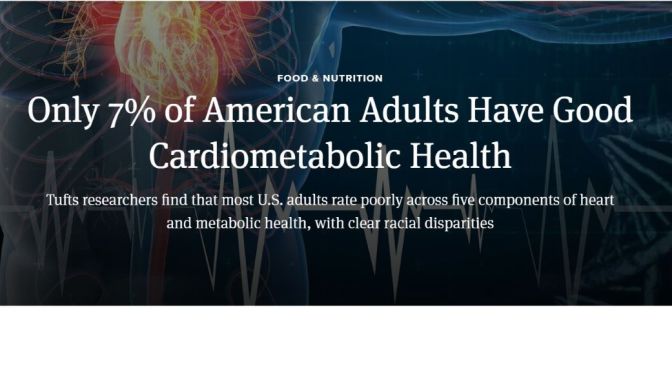
Less than 7% of the U.S. adult population has good cardiometabolic health, a devastating health crisis requiring urgent action, according to research led by a team from the Friedman School of Nutrition Science and Policy at Tufts University in a pioneering perspective on cardiometabolic health trends and disparities published in the July 12 issue of the Journal of the American College of Cardiology. Their team also included researchers from Tufts Medical Center.
Researchers evaluated Americans across five components of health: levels of blood pressure, blood sugar, blood cholesterol, adiposity (overweight and obesity), and presence or absence of cardiovascular disease (heart attack, stroke, etc.). They found that only 6.8 percent of U.S. adults had optimal levels of all five components as of 2017-2018.
Brain Health: The Benefits Of Intermittent Fasting
Although intermittent fasting is most widely known as a weight-loss strategy, emerging research suggests that it could have benefits for brain health and cognition. But does it actually work, are there any drawbacks and how long would you have to fast to see benefits? WSJ’s Daniela Hernandez breaks down what’s known and what’s not about the neuroscience of intermittent fasting.
Timeline: 0:00 Could intermittent fasting help our brains work better and longer? 0:31 How long would you have to fast to see any potential cognitive benefits? 1:04 How intermittent fasting could affect your ability to focus 2:27 Potential mood-related benefits of intermittent fasting 2:48 How intermittent fasting can affect brain health 4:03 Potential drawbacks of intermittent fasting
Cognitive Decline: Obesity & Poor Diet Are Top Risks


Science: How The Lack Of Sleep Makes You Hungrier
Did you know that not getting enough zzz’s can actually make you hungrier? According to sleep scientist Matt Walker, the relationship between what you eat and your sleep is a two-way street. Here’s why understanding it can help you improve your overall health.
Sleep — we spend one-third of our lives doing it, but what exactly do we get out of it? And how can we do it better? In this TED series, sleep scientist Matt Walker uncovers the facts and secrets behind our nightly slumber. (Made possible with the support of Oura) Check out more episodes on TED.com: https://go.ted.com/sleepingwithscience


 Boomers Daily