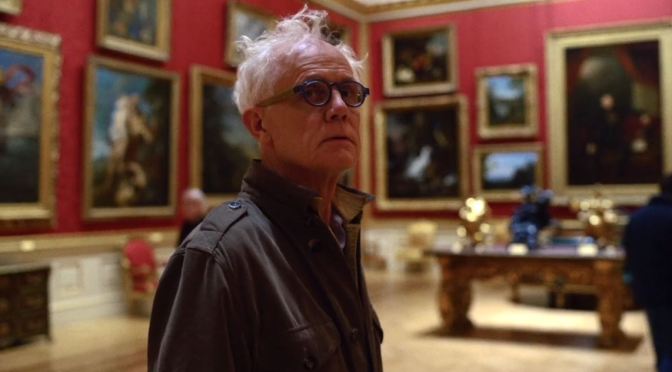
If you want to understand what Paddy Renouf does, Google the word flâneur — we certainly had to before speaking to him. The creation of French author Charles Baudelaire, the flâneur, he wrote, was “a passionate spectator,” or a man who wanders the streets soaking in culture at every level.
In Renouf’s case, the streets are London, and the spectating is done on behalf of Sheikhs, celebrities and C-Suite executives from the top brands of the world. And here’s the best part about it: it’s his full-time job, one he began thinking about while in the midst of building a traditional career.
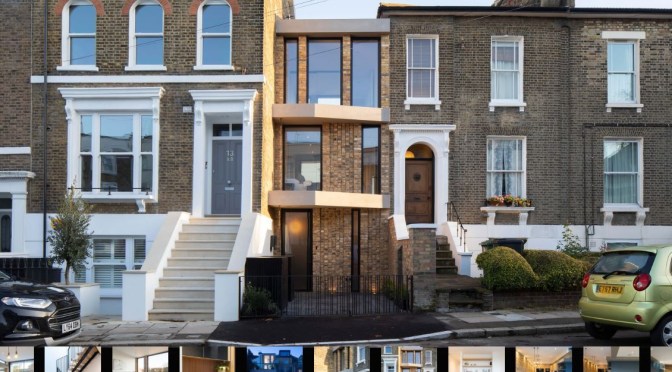
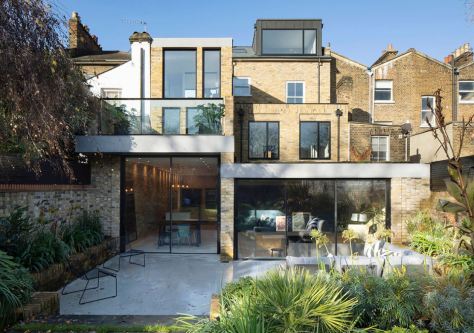
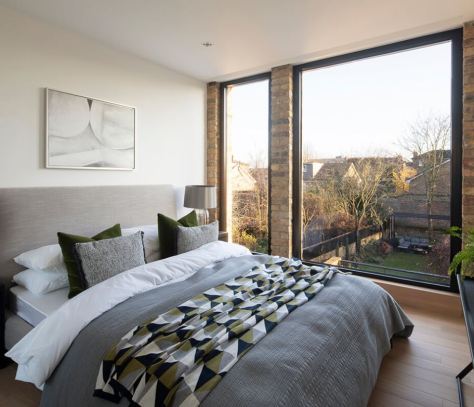
The Coach House, is a four bedroom new build infill house.
A triple height light well brings light deep into the heart of the narrow plot which unexpectedly opens out to create a spacious open plan living space which engages with the large rear garden.
Terra Mundo is a truly unique and luxurious dining experience set over three courses inspired by three distinctly earthly environments of forest, fire and ocean. Exquisite pairings of delicious food and stunning drinks are enhanced through musical soundscapes and 360-degree immersive projections bringing you the tastes, sights and sounds of Terra Mundo.
WHAT’S INCLUDED?
A delicious welcome drink
Three courses of fine dining
Perfectly-paired drinks for each course
Tantalising appetisers and amuse bouche
One hour show of fully visuals and musical soundscapes
“Simplicity in architecture can sometimes only be achieved by the most complex of means.”
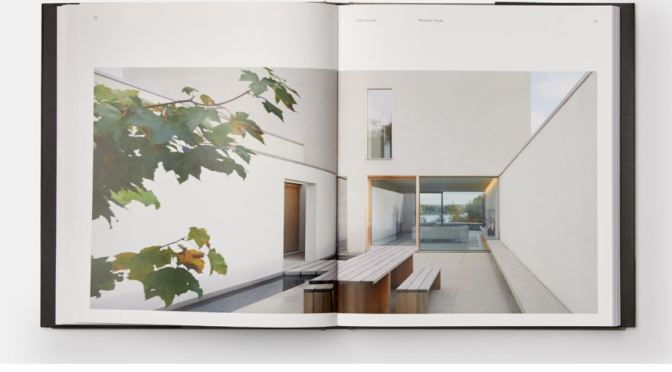
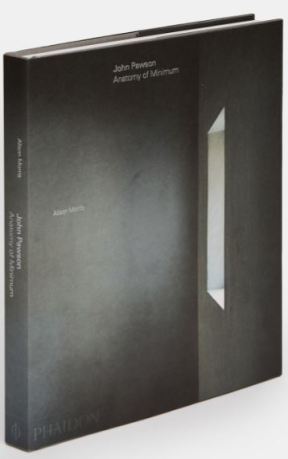
British architectural designer John Pawson has, in a career spanning over three decades, created an inimitable body of work characterized by its distillment of the fundamental ingredients of architecture into their most elemental, elegant expressions.
His design practice, which began primarily with residential commissions, now extends to churches, museums, ballet sets, textiles, kitchenware and furniture. Despite his minimalist approach, Pawson is sensitive to the intimate rituals of daily life and his buildings are far from austere: instead, they elegantly make the case for the clarity and freedom to be found in the act of reduction.
In a new book published by Phaidon, writer Alison Morris explores Pawson’s most recent projects, shedding light on his working process and influences accompanied by stunning photographs, drawings and imagery from his personal journal.
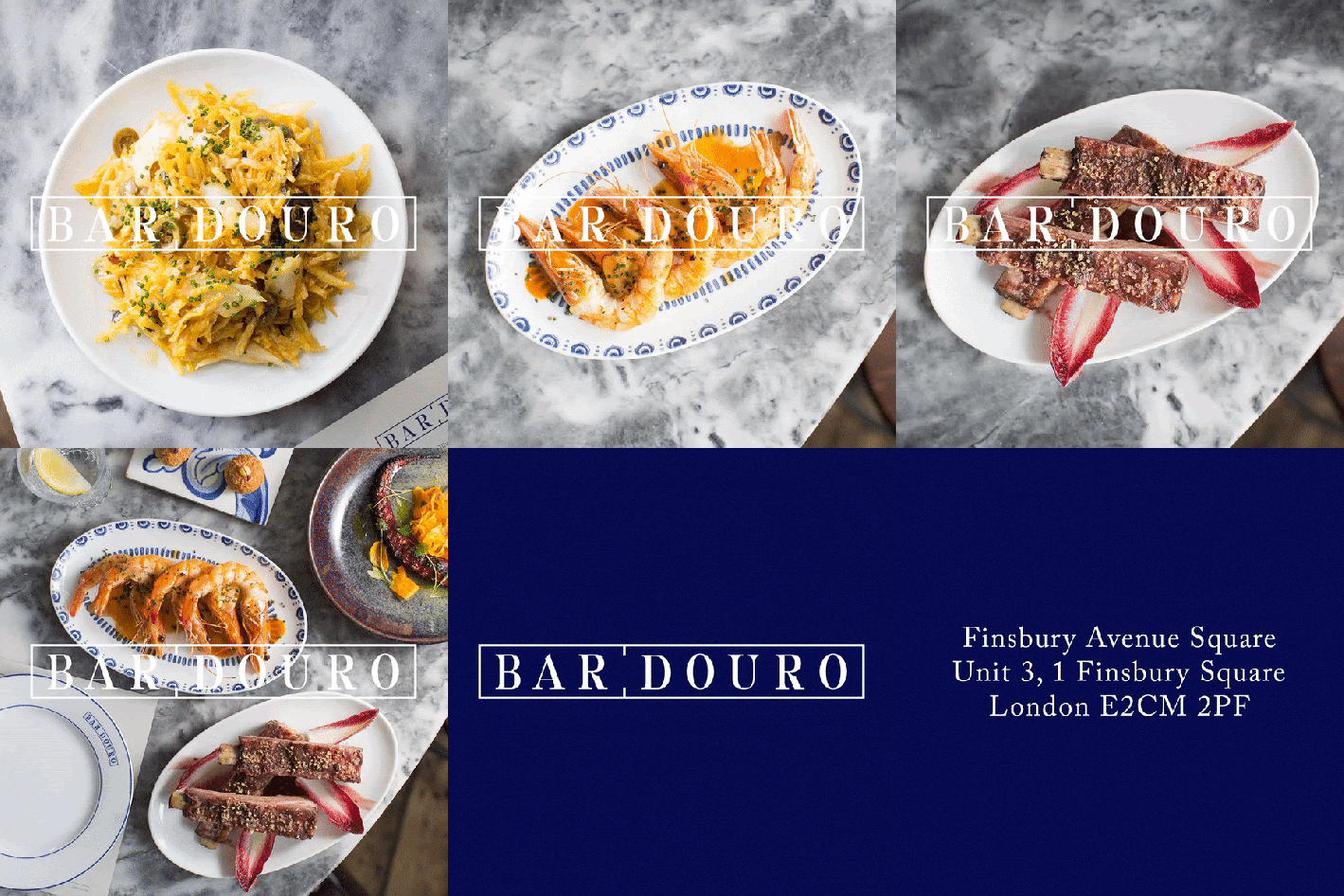
Occupying a railway arch in London’s buzzing Flat Iron Square, Bar Douro was created as a way to bring authentic Portuguese food to London. With ties to Portugal traced back through the family, Bar Douro has matched exquisite Portuguese wines with all the tradition of local Portuguese food. The atmospheric 30-cover marble counter-top dining space offers an intimate window to the best of Portuguese culinary heritage.
When designer Richard Found discovered the dream plot on which to build his serene contemporary retreat overlooking a lake, he didn’t bet on what happened next. In the grounds stood a derelict 18th-century gamekeeper’s cottage, which was immediately spot-listed by Historic England. “It changed the whole dynamic of what I thought would be a straightforward new-build project, and became a far more arduous planning exercise.”…
House Proud is a series of videos created by the Telegraph which showcase some of Britain’s most idiosyncratic, quirky, unusual and unforgettable homes. A celebration of British eccentricity and imagination, in each film the owner gives us an intimate guided tour and tells us the story of their unique property.
In GQ’s on-going quest to road test the contenders for the 2020 Car Awards, chef Paul Ainsworth takes a trip down memory lane in a brand new old-school British roadster.
Morgan PlusSix First Edition Moonstone Roadster 2020
The winners of the Car Awards, in association with Michelin, will be revealed on 3 February, 2020. Full coverage will appear in the March issue of GQ, on sale 6 February. For more information visit: GQ.co.uk
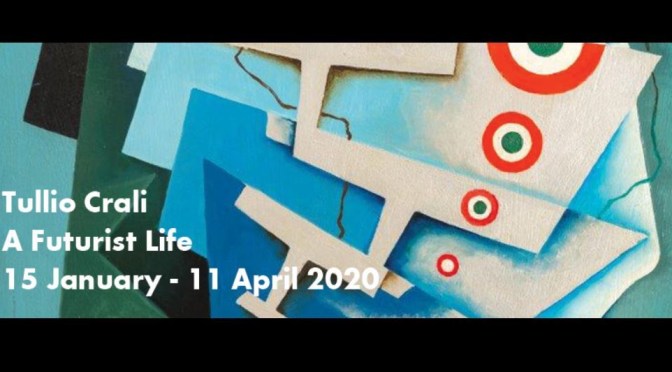
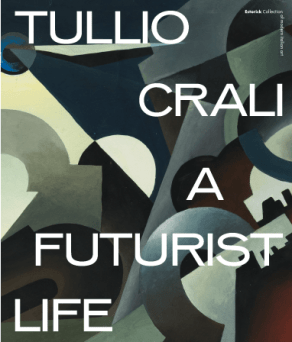
London – For Tullio Crali (1910-2000) Futurism was not just a school of painting, but an attitude to life itself. Reflecting the movement’s enthusiasm for the modern world, his imagery embraced technology and the machine as important sources of creative inspiration. However, with its particular focus on “the immense visual and sensory drama of flight”, Crali’s work is most closely associated with the genre of ‘aeropainting’, which dominated Futurist research during the 1930s.
Crali discovered Futurism when he was just fifteen years old. An immediate convert, he officially joined the movement in 1929 and quickly developed his own distinctive interpretation of its artistic principles. Despite incorporating recognisable details such as clouds, wings and propellers, Crali’s thrilling
Tullio Crali – Jonathan Monoplane 1988
imagery challenged conventional notions of realism by means of its dynamic perspectives, simultaneous viewpoints and powerful combination of both figurative and abstract elements.
As a result of his talent, versatility and unshakable commitment to Futurist ideas, Crali swiftly became one of the movement’s key representatives. He continued to be its staunchest advocate during the post-war era, remaining faithful to Futurism’s aesthetic tenets throughout his life.
Featuring rarely seen works from the 1920s to the 1980s, this exhilarating exhibition covers every phase of the artist’s remarkably coherent career, including iconic aeropaintings, experimental works of visual poetry and mixed-media reliefs, as well as examples of ‘cosmic’ imagery dating from the 1960s, inspired by advances in space exploration. Also featured are a large number of Crali’s famous Sassintesi: enigmatic compositions of stone and rock, ‘sculpted’ by natural forces.
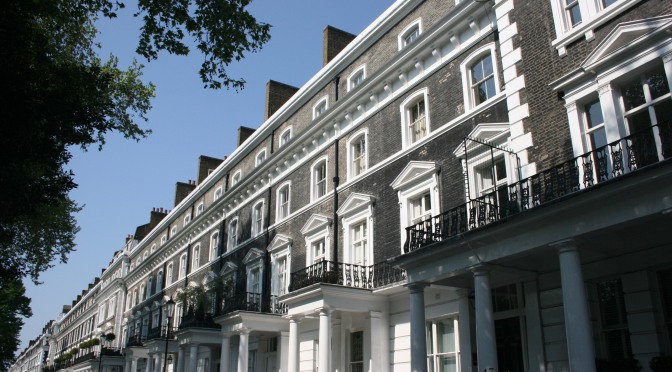
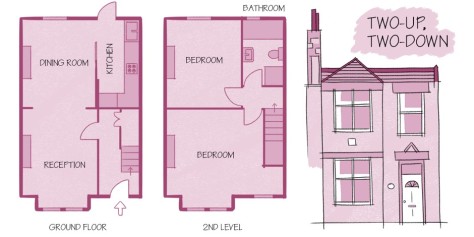
From the outside, London’s row houses have an eclectic variety of ornament, and they range in scale from palatial to boxy. But inside, they are pretty much all configured the same way. That’s because from the late 17th century up until the First World War, most residential buildings here cleaved very close to a model found across English cities: the terraced house, known in its most condensed, emblematic form as the “two-up, two-down.”
For a city that’s long been the repository of vast commercial, imperial, and industrial wealth, this might seem a very modest template. However, it is one that can be easily scaled up, points out Edward Denison, associate professor at the Bartlett School of Architecture and author of The Life of the British Home: An Architectural History.
“What’s extraordinary, in London in particular, is that you can find very grand houses in places such as Carlton House Terrace, with vast rooms and very high ceilings, that are still essentially two-up, two-downs with extra floors added,” says Denison. “Then you go to working-class terraced housing in places like Greenwich, and find a very different scale and quality of fittings, but essentially the same configuration.
In London, some 12,000 fireworks lit up the capital’s skyline, with 100,000 tickets being bought for the event. Big Ben’s chimes sounded the start of the display, despite them being silent this year while renovation work is completed.
News, Views and Reviews For The Intellectually Curious



 British architectural designer John Pawson has, in a career spanning over three decades, created an inimitable body of work characterized by its distillment of the fundamental ingredients of architecture into their most elemental, elegant expressions.
 approach, Pawson is sensitive to the intimate rituals of daily life and his buildings are far from austere: instead, they elegantly make the case for the clarity and freedom to be found in the act of reduction.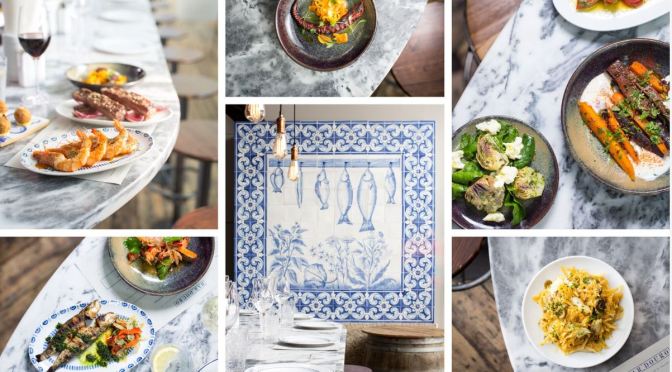






 London – For Tullio Crali (1910-2000) Futurism was not just a school of painting, but an attitude to life itself. Reflecting the movement’s enthusiasm for the modern world, his imagery embraced technology and the machine as important sources of creative inspiration. However, with its particular focus on “the immense visual and sensory drama of flight”, Crali’s work is most closely associated with the genre of ‘aeropainting’, which dominated Futurist research during the 1930s.

 Boomers Daily