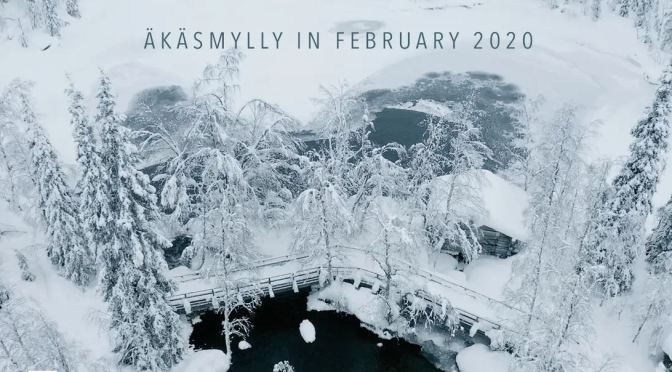
Filmed and Edited by: Timo Oksanen
Visited this idyllic place again on February 21st 2020 and shot the snow covered fairytale sceneries with my DJI Mavic 2 Pro drone.
Music: Runar Blesvik – Hidden World

Filmed and Edited by: Timo Oksanen
Visited this idyllic place again on February 21st 2020 and shot the snow covered fairytale sceneries with my DJI Mavic 2 Pro drone.
Music: Runar Blesvik – Hidden World
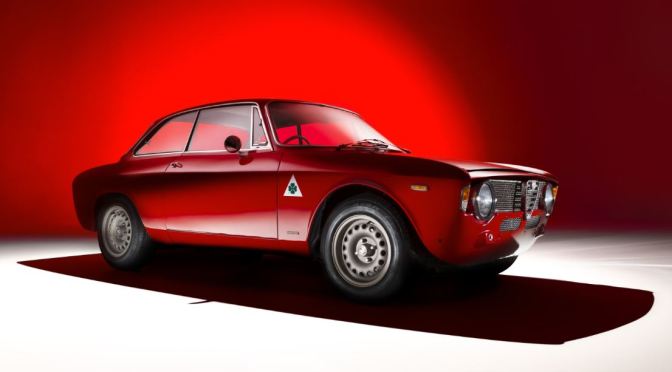
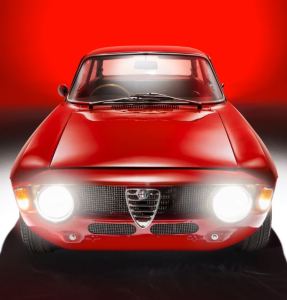 The Alfa Romeo GTA is a coupé automobile manufactured by the Italian manufacturer Alfa Romeo from 1965 to 1971. It was made for racing (Corsa) and road use (Stradale).
In 1962, the successor for the very popular Giulietta series was introduced. This car was the Alfa Romeo Giulia, internally called the “Series 105”. The coupé of the 105 series, used the shortened floorpan from the Giulia Berlina and was designed by Bertone. The name of the car evolved from Giulia Sprint GT to Giulia Sprint and to GTJ (Junior) and GTV (Veloce) in the late 1960s.
From Wikipedia
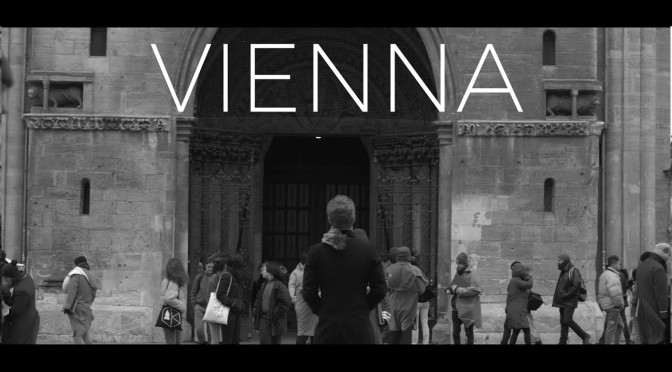
Our Vienna Travel Guide! So many layers to this wonderful Austrian city and we barely had time to scratch the surface. Vienna is one of those cities that offers something for everyone; culture, food, adventure.
Vienna is polished on the surface but dig a little deeper and there’s so much more to discover. Beyond the incredible museums, cathedrals, and markets, this Austrian city is an exciting year-round destination for all travelers.
Filmed and Edited by: ADRIEN MAUDUIT (Night Lights Films)
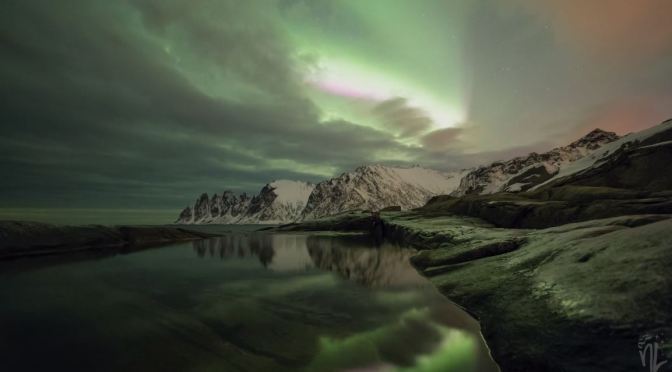
Believe it or not, we didn’t have that much of a winter. Even in Arctic Norway! Since November, 13 consecutive extra-tropical cyclones have brushed the coast of Norway affecting even the coldest places of the country. As a consequence, lots of positive temperatures and rain on top of the snow, somehow destroying the typical arctic wonderland.
However in between the lukewarm rainstorms, the cold came back and allowed for short periods of freezing temperatures and snow. In these moments it was important for me to get out there whenever I could and capture all I could get. Cold also meant clearer skies and as a result aurora. Nonetheless it was never as easy as that because of the solar minimum we are at. It means lower auroral activity and fewer big shows.
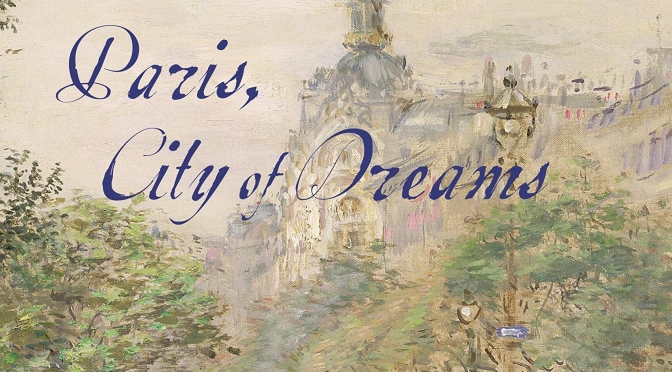
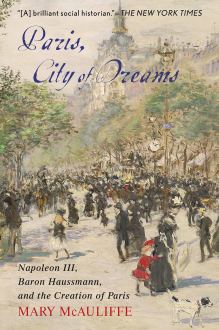 Paris, City of Dreams traces the transformation of the City of Light during Napoleon III’s Second Empire into the beloved city of today. Together, Napoleon III and his right-hand man, Georges Haussmann, completely rebuilt Paris in less than two decades—a breathtaking achievement made possible not only by the emperor’s vision and Haussmann’s determination but by the regime’s unrelenting authoritarianism, augmented by the booming economy that Napoleon fostered.
Acclaimed historian Mary McAuliffe vividly recaptures the Paris of Napoleon III, Claude Monet, and Victor Hugo as Georges Haussmann tore down and rebuilt Paris into the beautiful City of Light we know today.
McAuliffe follows the lives of artists such as Edouard Manet, Berthe Morisot, and Claude Monet, as well as writers such as Emile Zola, Gustave Flaubert, and the poet Charles Baudelaire, while from exile, Victor Hugo continued to fire literary broadsides at the emperor he detested.
McAuliffe brings to life a pivotal era encompassing not only the physical restructuring of Paris but also the innovative forms of banking and money-lending that financed industrialization as well as the city’s transformation. This in turn created new wealth and lavish excess, even while producing extreme poverty. More deeply, change was occurring in the way people looked at and understood the world around them, given the new ease of transportation and communication, the popularization of photography, and the emergence of what would soon be known as Impressionism in art and Naturalism and Realism in literature—artistic yearnings that would flower in the Belle Epoque.
Napoleon III, whose reign abruptly ended after he led France into a devastating war against Germany, has been forgotten. But the Paris that he created has endured, brought to vivid life through McAuliffe’s rich illustrations and evocative narrative.
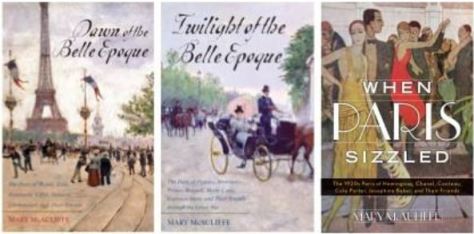
Mary McAuliffe holds a PhD in history from the University of Maryland, has taught at several universities, and has lectured at the Smithsonian Institution, the Barnes Foundation, and the Frick Pittsburgh. She has traveled extensively in France, and for many years she was a regular contributor to Paris Notes. Her books include Clash of Crowns, Dawn of the Belle Epoque, Twilight of the Belle Epoque, When Paris Sizzled, and Paris on the Brink. She lives in New York City with her husband.
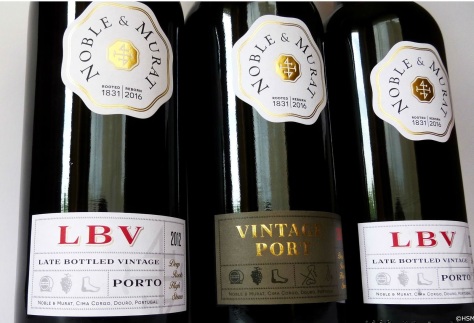
 Antonio Taveira’s family breathes new life into the illustrious Noble & Murat brand whose tradition as a port house started over a century and half ago in 1831 as one of the first bottlers to mention “LBV” on their label.
The family has a long history of precision hand-harvesting, distinguished sourcing and methodical vinification. For decades they have provided grapes for Taylor’s, Croft, Sandeman’s among others, but now they have decided to keep the best grapes for their own wines.
 Hotel Torni (“Hotel Tower”) is a historical hotel located in Helsinki, Finland, and a part of the Sokos Hotels hotel chain. When opened in 1931, it became the tallest building in Finland, a position it maintained until the completion of the new Neste headquarters in neighboring Espoo in 1976.
It remained the tallest building in Helsinki until 1987. The interior of the building was completely renovated in 2005. It is located in central Helsinki, the so-called Helsinki Design District.
The hotel was designed by architects Jung & Jung in 1928, and has 14 stories. It is allegedly the place where the murder of the Mata Hari-like Minna Craucher was planned in 1932.
The hotel served the needs of air defense during the Second World War, when members of the Finnish women’s paramilitary organization Lotta Svärd kept watch for enemy bombers. Immediately after the cessation of the war, Hotelli Torni served as the headquarters of the Allied Control Commission monitoring Finnish compliance with the obligations of the Moscow Armistice. It became known as a center of culinary excellence.
From Wikipedia
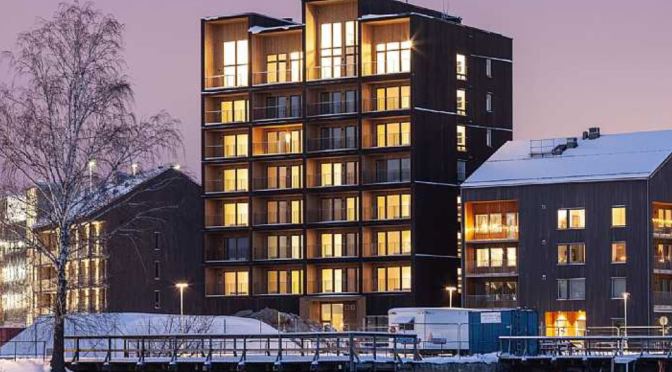
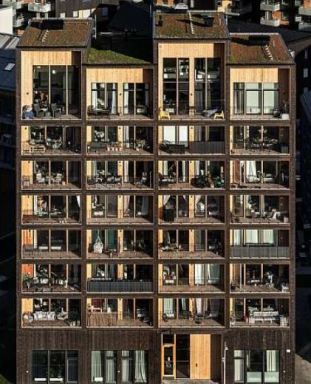 The Tall Timber Building residence has become a landmark and, during construction, became Sweden’s tallest solid wooden building in the new district of Kajstaden at Lake Mälaren in Västerås. All parts of the building consist of cross-laminated wood, which includes the walls, joists and balconies as well as the lift and stairwell shafts.
Kajstaden – Tall Timber Building is an important landmark for sustainable construction and a reference project that shows that conversion to climate conscious architecture is possible. Through research projects and several active wood projects, C.F. Møller Architects has focused on innovation as well as developing and implementing multi-storey buildings with solid wood frames. In Kajstaden, an active decision was made to prioritise industrial timber techniques for the building material to influence and take responsibility for the impact of the construction industry on the environment and climate change. A crucial advantage of wood, unlike other building materials, is that the production chain for the material produces a limited amount of carbon dioxide emissions. Instead, it is part of a closed cycle, where carbon is retained in the frame of the building.

Research also shows that buildings with a wooden frame make a positive contribution to human health and well-being- thanks to better air quality and acoustic qualities.
Directed and shot by: Enrique Pacheco
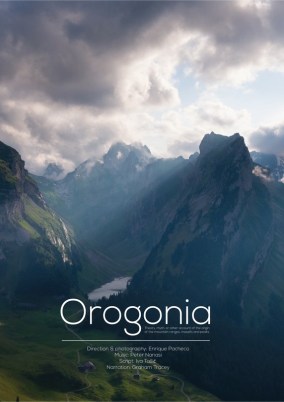 Script: Iva Tasic
Music: Peter Nanasi
Narration: Graham Tracey
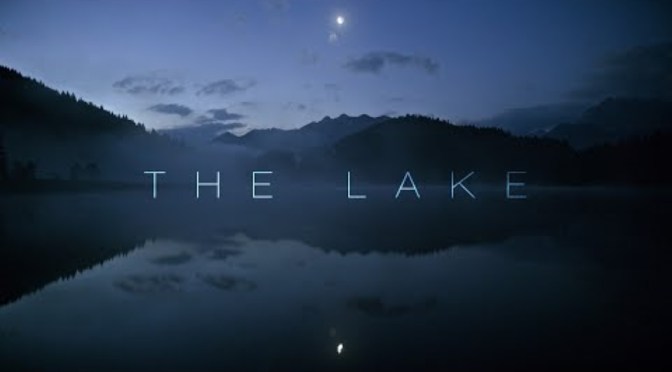
A philosophical journey passing through the stunning scenery of boundless European highlands, and leading to the heart of the deepest yearning of humankind.
Official selection in the following festivals: Maine Outdoor Film Festival, International Festival of Outdoor Films, Premio Leggimontagna – Cortomontagna, Nuovi Mondi Mountain Film Festival, Festival Gollut. Won 2nd prize in Short Documentary category at Finisterra Arrabida Film Festival.




 Boomers Daily