Situated within the Surrey Green Belt in Hampshire, the sustainable three-bedroom house responds to its surrounding natural environment and creates minimal visual impact. Aggregate foundations, locally sourced flint, and a CLT timber structure shape the contemporary design, blending it harmoniously into its picturesque setting, and also proving that it’s possible to recycle, re-source, and reduce impact in construction.
Japanese designer Yuma Kano has creatively worked with forest debris to create ForestBank, a new type of wood that looks to minimise waste.
This pioneering material design makes use of debris from the forest floor that would normally be considered worthless for furniture construction. Formed out of small trees, foliage, bark, seeds, and soil, ForestBank seeks to determine the full value of our local woodlands and in turn it creates an artistic and aesthetically pleasing material out of unutilised debris.
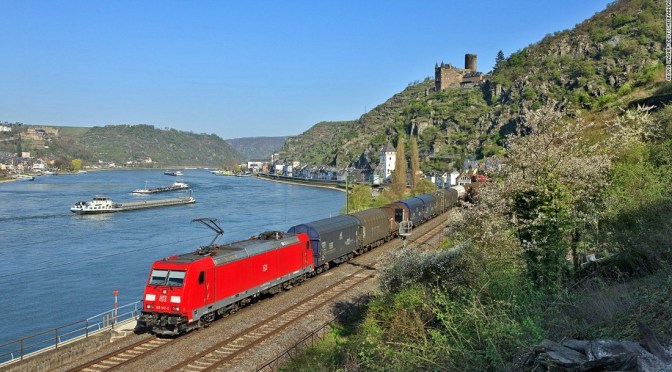
DW Travel – Castles, palaces, vineyards, and a romantic river valley: experience a train journey along the Rhine with DW’s Hannah Hummel. It is considered the most beautiful train route in Germany!
RIVER RHINE VALLEY
The West Rhine Railway is one of the most beautiful and famous railway lines in Germany. It runs from Cologne via Bonn and Koblenz to Mainz. Its most recognisable part is from Koblenz to Bingen where the trains run directly along the Rhine and its numerous bends. This part of the valley even is part of the World Heritage. Famous trains as the Rhinegold used to run here, however since the high speed line between Cologne and Frankfurt is in operation the majority of long distance trains take this shorter and faster line instead. There are still many trains running on the Rhine Railway including hourly long distance trains.
Bukhara is an ancient city in the central Asian country of Uzbekistan. It was a prominent stop on the Silk Road trade route between the East and the West, and a major medieval center for Islamic theology and culture. It still contains hundreds of well-preserved mosques, madrassas, bazaars and caravanserais, dating largely from the 9th to the 17th centuries.
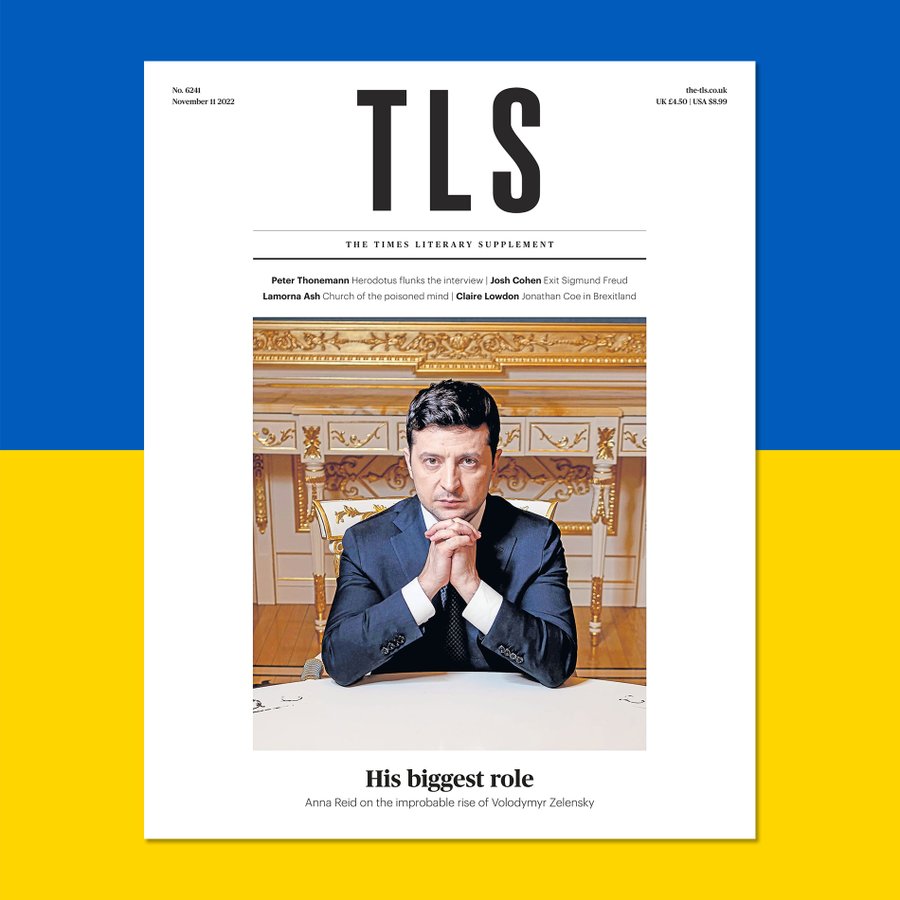
This week’s @TheTLS , featuring Anna Reid on Zelensky; @pwilcken on a divided Brazil; @james_waddell on manuscript collectors; @LamornaAsh on Tammy Faye; @LinahAlsaafin on Qatar; and Peter Thonemann on how Herodotus would fare in today’s academic job market … – and more.
We give you the latest on the war as Russia ramps up its attacks on Ukraine’s infrastructure and Volodymyr Zelensky lays out conditions for “genuine” peace talks. Plus: the US midterm elections and what the results mean for Ukraine, a flick through today’s papers and a check-in from Dubai Design Week.
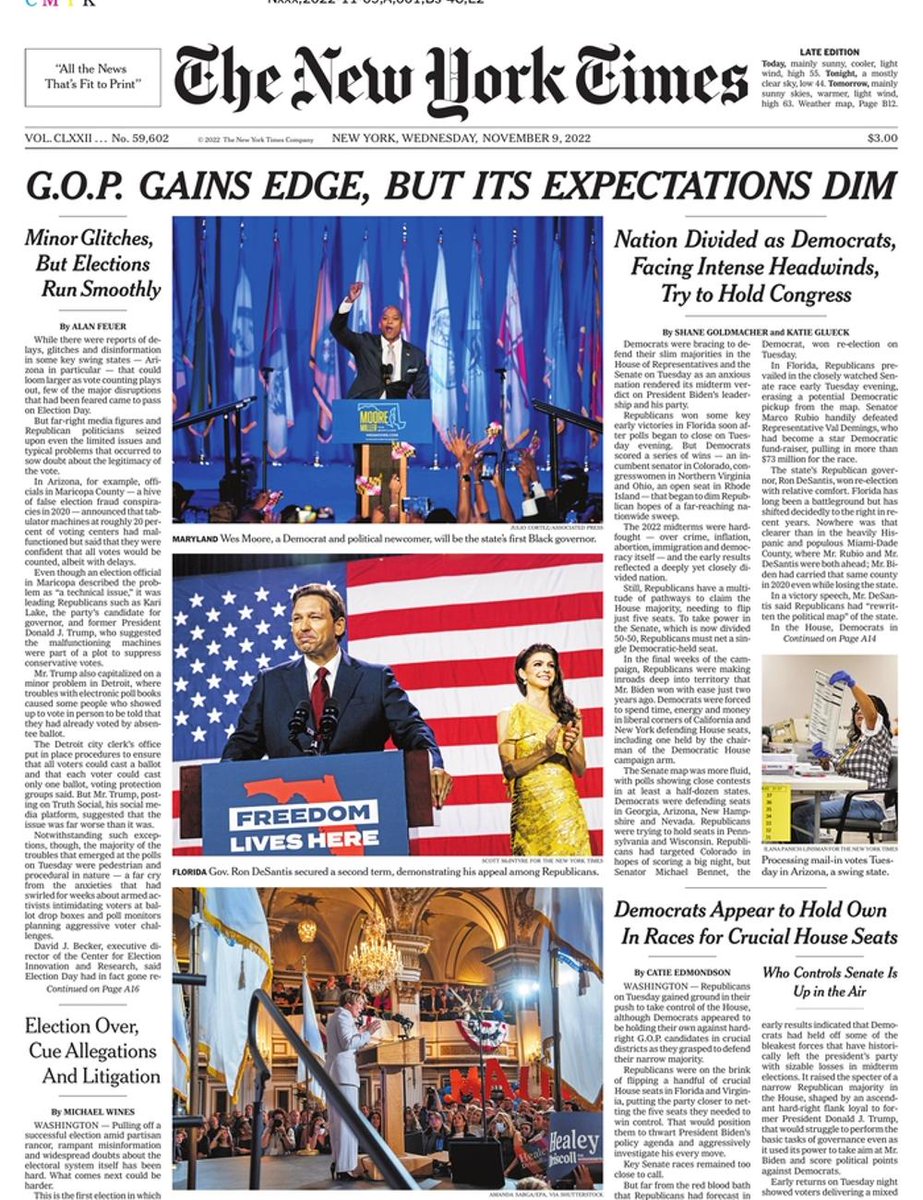
Republicans picked up momentum in their drive for the House majority, but Democrats held crucial seats, dashing projections of a blood bath, and claimed a key Senate seat in Pennsylvania.
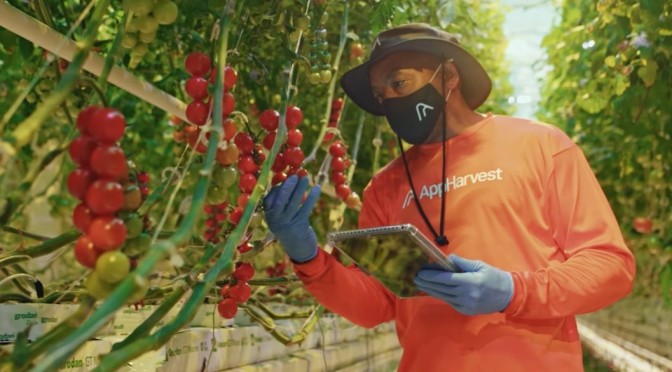
Business Insider – AppHarvest is exploring the future of indoor farming and agriculture technology by using up to 90% less water, human-assisting AI, and the power of the sun for reliable food growth. Alongside local education efforts, AppHarvest’s main focus is to provide US consumers with sustainable, reliable produce so that we can all enjoy a healthier, more vibrant planet in the future.
Sotheby’s – Head of contemporary Art, David Galperin reflects upon how Willem De Kooning makes the impossible possible in Collage (1950) one of De Kooning’s most pivotal abstract paintings, which has been in the private hands for more than seven decades. Undoubtedly, Collage is a key painting within De Kooning’s color abstraction series, marking the beginning of a style that would define his work for decades to come.
Willem de Kooning was a Dutch-American abstract expressionist artist. He was born in Rotterdam and moved to the United States in 1926, becoming an American citizen in 1962. In 1943, he married painter Elaine Fried.
News, Views and Reviews For The Intellectually Curious
















 Boomers Daily