
From a Cereal Magazine online article
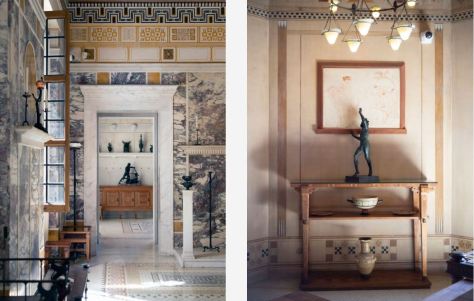
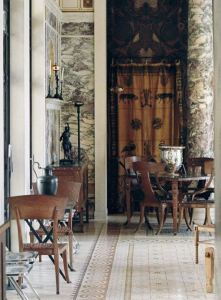 Throughout, the attention to detail is meticulous: mosaic floors of mythical beasts; intricately painted ceilings of interlocking wooden beams. The walls of the Andron, traditionally the male quarters of an ancient Greek household, are streaked with three types of Tuscan marble: ochre Siena, mauve Fleur de Pêcher, and grey-white Carrara. In Mrs Reinach’s bathroom, an immense bathtub weighing one tonne is balanced on two lion paws. Above its ornamental bronze taps, a low-relief frieze depicts the chariot of Demeter. From every window stretches a panorama of glittering blue.
“THE GREEK SPIRIT WAS FOR HIM BOTH DREAM AND REALITY, MEMORY AND PRESENT…”
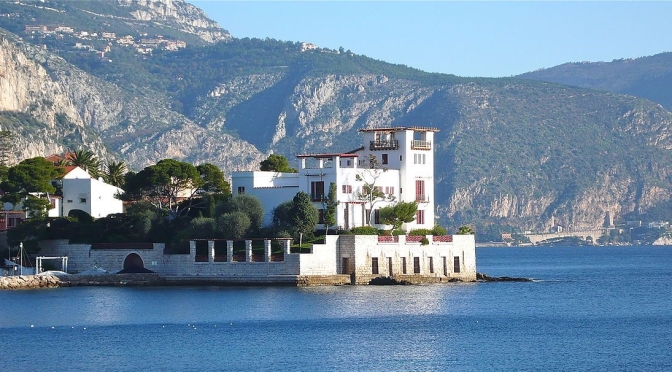
The descent is steep, winding, and impossibly verdant for mid-winter. It is a clear blue day in the aptly named Beaulieu-sur-Mer, a pastel-hued seaside village on the outskirts of Nice. The road is lined with climbing vines and succulents, the air redolent of pine trees in the heat. Then, after a short drive alongside a golden bay, it appears, perched atop a promontory, jutting defiantly from the Côte d’Azur.




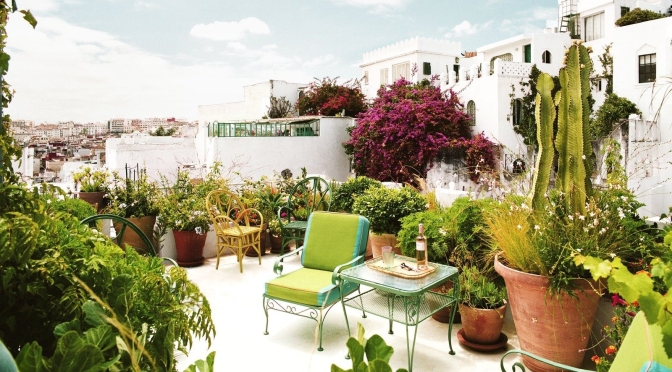
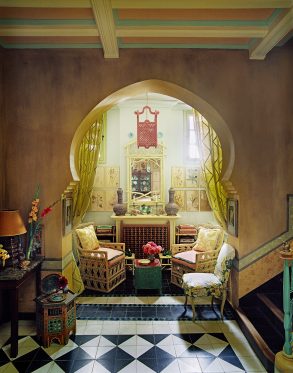 “Tangier is the crossroads of so many civilizations,” says AD100 talent Frank de Biasi of the evocative Moroccan port city that he and his partner, the multifaceted designer Gene Meyer, have made their home. “There’s a central energy here,” he explains, “where the Atlantic meets the Mediterranean, where Europe meets Africa. It’s a psychic point like no other place.”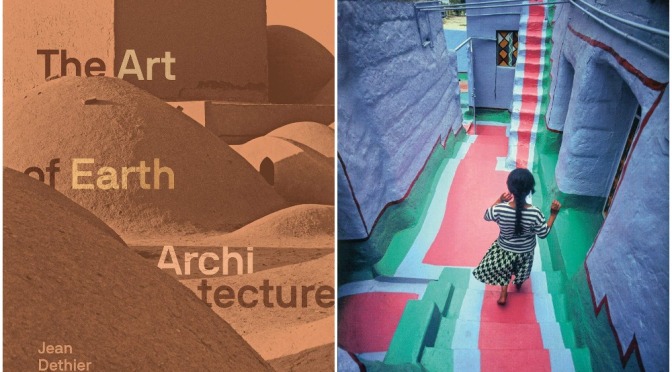
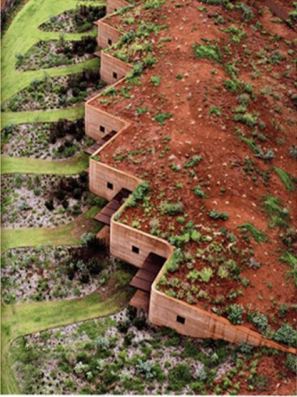 The Art of Earth Architecture demonstrates the wide-ranging applications and sustainability of this building material, while presenting a manifesto for its ecological significance. Featuring raw-earth masterpieces, monumental structures, and little known works, the book includes the temples and palaces of Mesopotamia, the Great Wall of China, large-scale urban developments in Tenochtitlan in Mexico, the medinas of Morocco, and housing in Marrakech and Bogota.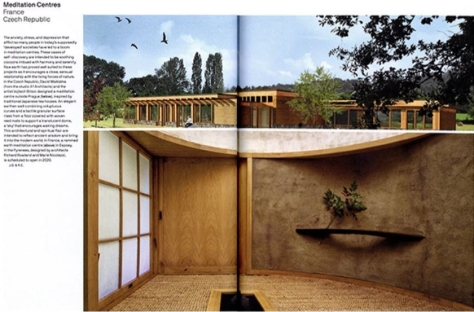


 Boomers Daily