
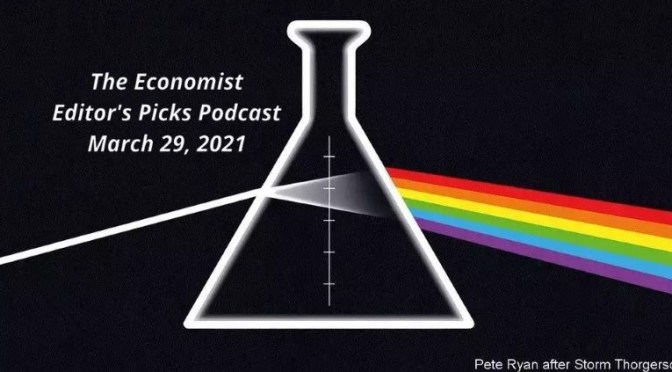
A selection of three essential articles read aloud from the latest issue of The Economist. This week: science after the pandemic, Rwanda: paragon or prison? (9:10) And Herbie goes electric (33:55)
Category Archives: Technology
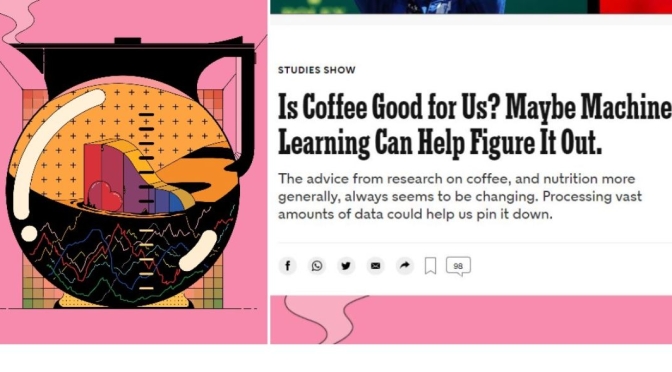
Studies: ‘Coffee’ – Machine Learning Review Shows Benefits Of Drinking It
“It may be good for you,” says Dariush Mozaffarian, dean of the Friedman School of Nutrition Science and Policy at Tufts University. “I think we can say with good certainty it’s not bad for you.” (Additives are another story.)
After the link appeared between coffee intake and a reduced risk of heart failure in the Framingham data, Kao confirmed the result by using the algorithm to correctly predict the relationship between coffee intake and heart failure in two other respected data sets. Kosorok describes the approach as “thoughtful” and says that it “seems like pretty good evidence.”

Should you drink coffee? If so, how much? These seem like questions that a society able to create vaccines for a new respiratory virus within a year should have no trouble answering. And yet the scientific literature on coffee illustrates a frustration that readers, not to mention plenty of researchers, have with nutrition studies: The conclusions are always changing, and they frequently contradict one another.

Naval Warfare: The New British ‘Dreadnought Class Submarine’ (Video)
The Dreadnought class of submarines will replace Britain’s existing fleet of Vanguards when they enter service from the early 2030s. Built by BAE and Rolls-Royce, the Dreadnought will have a payload of 16 nuclear missiles and torpedoes.

Infographic: Future Of Healthcare Is Digital




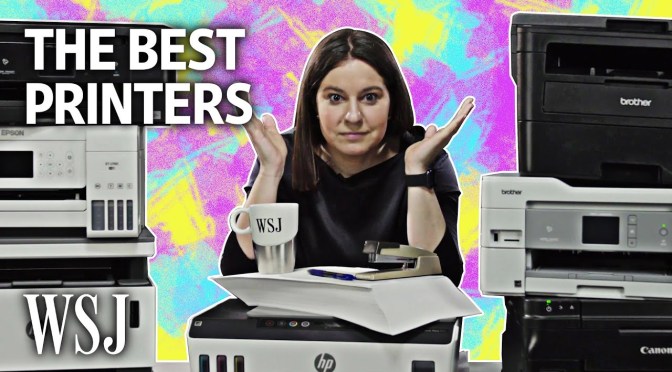
Technology: Ranking 10 Printers That Save On Ink
Printers are still the worst but at least new ink-tank printers help you save money on ink. WSJ’s Joanna Stern survived testing 10 home printers from Epson, HP, Brother and Canon to tell you which are worth buying. Personal Technology With Joanna Stern
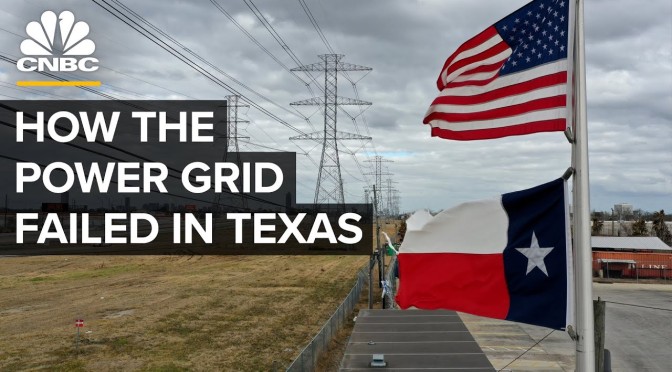
Analysis: How The Power Grid Failed In Texas (Video)
Texas had a rough winter in 2021. In mid-February, with temperatures dropping to the single digits, demand for electricity hit a record high throughout Texas. Supply ran short, causing the state’s electric grid operator to implement rolling power outages.
At the height of the crisis, more than 4.5 million customers lost power. The freak winter storm caused neighboring states such as Louisiana, Oklahoma, Arkansas and Kansas to also impose rolling blackouts. Texas residents shivered in the cold, as outages lasted for days at a time. They lost access to water. Some resorted to turning on their cars in their garages to keep warm then died due to carbon monoxide poisoning.
The historic breakdown was a wake-up call — if the power grid in Texas was so fragile, what about the rest of the United States? The U.S. has faced a 67% increase in weather-related power outages since 2000, according to data from Climate Central. Part of the problem is an aging infrastructure. Most of today’s power grid was built in the 1950s and ’60s, with the hopes that it would last for 50 years.
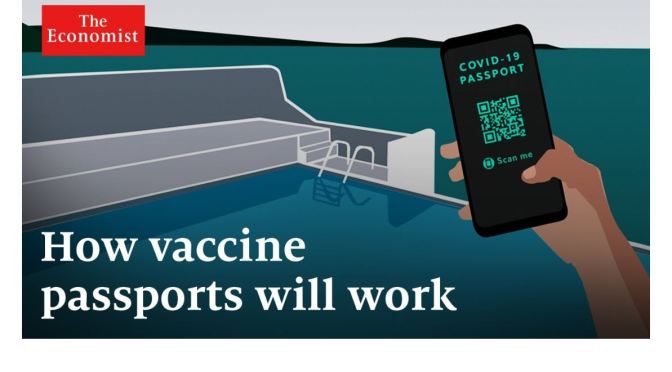
Video Analysis: How Vaccine Passports Can Kick-Start The Economy
Vaccine passports are likely to become a feature of everyday life as lockdowns are lifted across the world. But as “green passes” kick-start economies, what are the potential drawbacks? Read more of our coverage on coronavirus : https://econ.st/397Mkxq
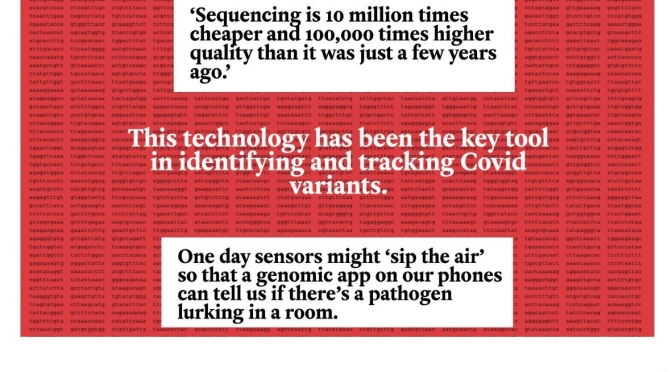
Biotechnology: ‘Genome Sequencing – Unlocking The Covid Code’ (NY Times)
The advent of commercial genome sequencing has recently, and credibly, been compared to the invention of the microscope, a claim that led me to wonder whether this new, still relatively obscure technology, humming away in well-equipped labs around the world, would prove to be the most important innovation of the 21st century.

And unexpectedly, Covid-19 has proved to be the catalyst. “What the pandemic has done is accelerate the adoption of genomics into infectious disease by several years,” says deSouza, the Illumina chief executive. He also told me he believes that the pandemic has accelerated the adoption of genomics into society more broadly — suggesting that quietly, in the midst of chaos and a global catastrophe, the age of cheap, rapid sequencing has arrived.
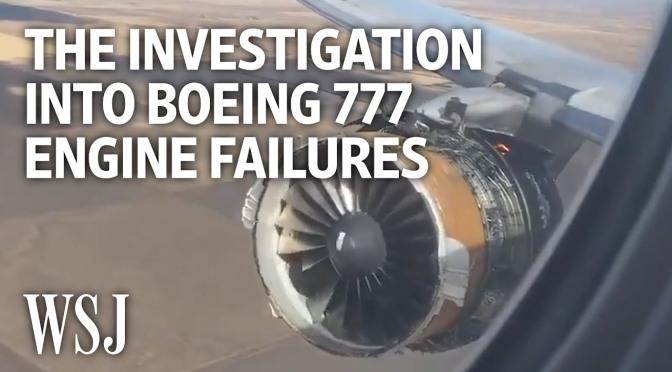
Analysis: The Catastrophic Failures Of The Boeing 777 Aircraft Engines (Video)
A type of Pratt & Whitney engine on Boeing 777s has failed catastrophically three times in a three-year span. Federal investigators are trying to figure out why.
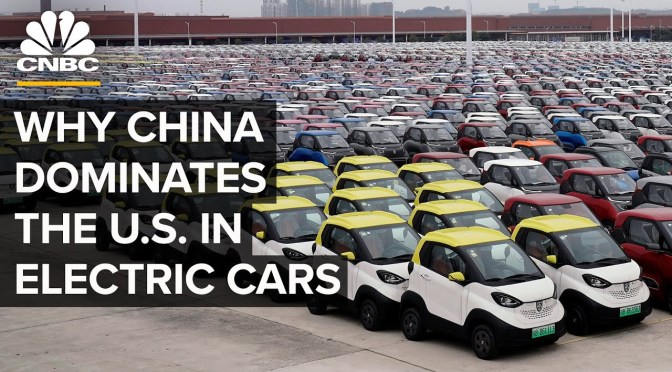
Analysis: Why China Is Dominating The U.S. In Electric Cars (Video)
The global electric vehicle market is heating up and China wants to dominate. The country has invested at least $60 billion to support the EV industry and it’s pushing an ambitious plan to transition to all electric or hybrid cars by 2035. Tesla entered the Chinese market in 2019 and has seen rapid growth.
China sold roughly one million more EVs than the U.S. in 2020. But there are signs the U.S. is getting more serious about going electric. President Joe Biden announced a goal to reach net-zero emissions by 2050 and investments in green infrastructure. Watch the video to find out how China came to dominate the market and whether it’s too late for the U.S. to catch up.
 Boomers Daily