
Bury your nose in tales of neurosyphilis, gender identity, the medical mysteries of sleep disorders, and more. JAMES DOLBOW
The Nocturnal Brain: Nightmares, Neuroscience and the Secret World of Sleep
Inspired by the legendary book The Man Who Mistook His Wife for a Hat by the late Oliver Sacks, neurologist and sleep scientist Guy Leschziner tells the curious true stories of his patients, their fascinating sleep disorders, and the neuroscience behind each. Also like the works of Sacks, The Nocturnal Brain is written with considerable introspection and wonder about each patient’s case, taking you on a journey from the first patient encounter, to diagnosis, and through treatment. The unusual and often bizarre cases will keep you intrigued and immersed, and make this unique book one you will find yourself looking forward to making time to read.
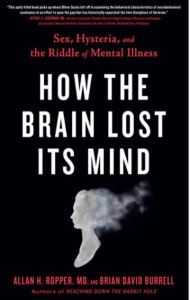 How The Brain Lost Its Mind: Sex, Hysteria, and the Riddle of Mental Health
In this mindful reflection on American and European pasts, authors Allan H. Ropper and Brian Burrell, also the writers of Reaching Down the Rabbit Hole, address our modern concept of mental illness by reviewing the interesting true story of the syphilis epidemic of the 19th century. This little known and fascinating history of neurosyphilis—how it was handled by society and medicine and how it shaped today’s understanding of mental illness—helps address not only why many stigmas exist, but why so many have persisted. This book will take you on an incredible journey through the puzzling diagnosis, eclectic treatments, and lasting social effects of the neurosyphilis epidemic of the 1800s, as well as offer important insight into the difference between diseases of the brain and the mind. This book is perfect for any scientist, psychologist, or historian with even the smallest interest in medical history or mental health theory.
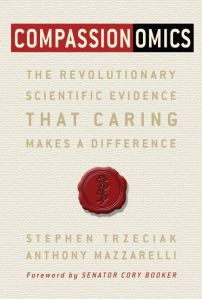 Compassionomics: The Revolutionary Scientific Evidence that Caring Makes a Difference
It is no secret that today’s medical atmosphere scarsely resembles anything similar to that of 50 years ago. Many have argued that this is in large part due to a lack of compassion in the modern medical system. If this is the case, where have we gone wrong, and is there scientific evidence to support that compassion is even beneficial to healthcare, personal relationships, and professional lives? These questions are raised and explored by authors Stephen Trzeciak and Anthony Mazzarelli through the telling of true stories of medical providers and patients that help demonstrate the incredible effect of the human connection. Coupled perfectly with these gripping stories are easily readable summaries of decades of research studying the effects of compassion as well as its implications in our lives. Addressing topics from healthcare cost to provider burnout, from caring for others to caring for ourselves, this evidence-based analysis of the importance of compassion is a must-read for anyone interested in the social science and psychology of the care we give in all settings of our lives.
To read more: https://www.the-scientist.com/news-opinion/opinion–the-best-neuroscience-books-of-2019-66863


 With just four tables, a few counter seats and no reservations, getting a spot at Kiln can be a challenge. But it is one that is absolutely worth the wait.

 Middle East and Africa hospitality awards, is a 36-room renovation of a pair of historic buildings in downtown Cape Town, South Africa.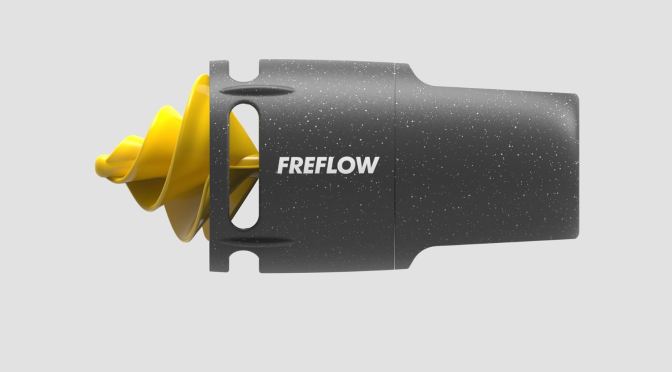
 The conical 3 blade Archimedes turbine channels air or water from up to 60 degrees of the central axis, making it far more efficient than traditional turbine designs, ideal for natural power generation when out in the wilderness.


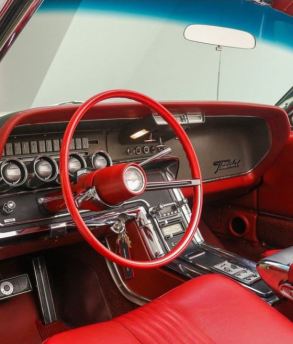 The revised model was initially offered as a hardtop, convertible, Sports Roadster with dealer-installed tonneau cover and wire wheels, and Landau with vinyl roof, simulated landau irons, and wood grain interior appointments. Total 1964 sales were excellent: 92,465, up nearly fifty per cent from the previous year, but with only 50 Sports Roadster kits were sold from the factory. The 1964 Thunderbird was the only car of this generation to have the word ‘Thunderbird’ spelled out on the front hood instead of a chrome Thunderbird emblem. The only transmission available was the Cruise-O-Matic MX 3 speed automatic.
 The fourth generation of the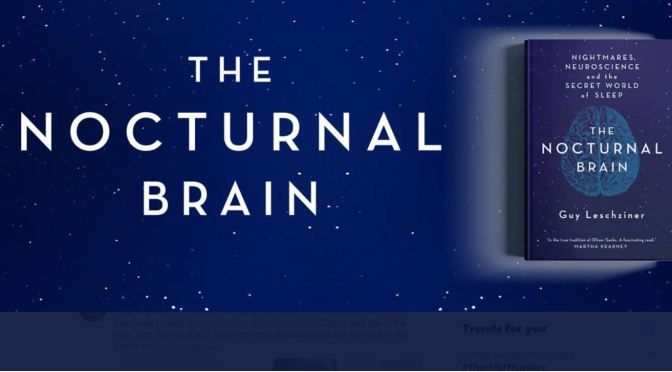

 During this decade, as in previous decades, Caltech scientists and engineers reinvented the landscape of scientific endeavor: from the first detection of gravitational waves and the discovery of evidence for a ninth planet in the solar system; to bold missions to explore and understand the solar system; to the development of new methods to see inside the body and the brain and understand the universe around us; to the invention of devices to improve human health, some taking inspiration from nature; to the initiation of a transformative new effort to support research into the most pressing challenges in environmental sustainability.
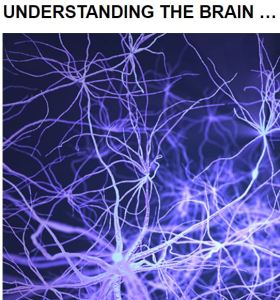 Though the brain orchestrates how we experience the world, many questions remain about its complex workings. During the past 10 years, Caltech scientists have discovered how the brain recognizes
  As modern technology advances, so do the possibilities for treating medical conditions that were previously considered untreatable. Caltech researchers used an electrode array to help a paralyzed patient

 This volume presents a large variety of sophisticated solutions for mini houses in terms of architectural style, construction method and interior design. Whether portable or prefabricated, newly built or reused, rural or urban, they all meet the highest technological and sustainable standards to literally reduce their owners’ ecological footprint.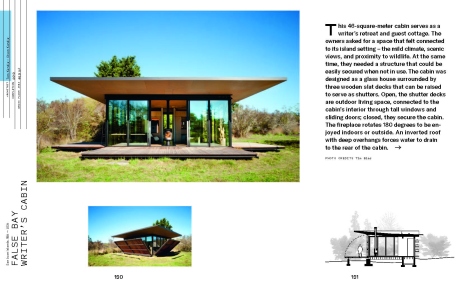
 Boomers Daily