
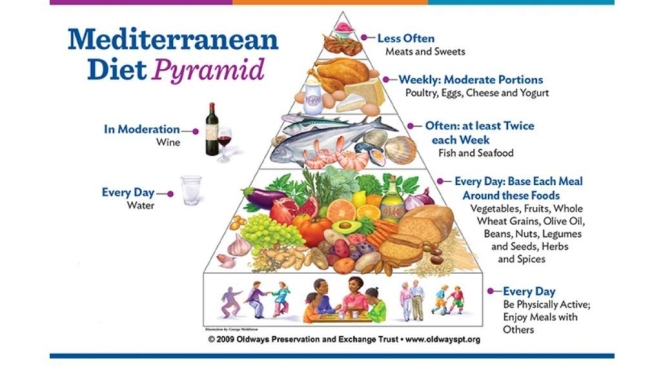
From BMJ Journal “Gut” study (February 17, 2020):
 We observed that increased adherence to the MedDiet modulates specific components of the gut microbiota that were associated with a reduction in risk of frailty, improved cognitive function and reduced inflammatory status.
Objective Ageing is accompanied by deterioration of multiple bodily functions and inflammation, which collectively contribute to frailty. We and others have shown that frailty co-varies with alterations in the gut microbiota in a manner accelerated by consumption of a restricted diversity diet. The Mediterranean diet (MedDiet) is associated with health. In the NU-AGE project, we investigated if a 1-year MedDiet intervention could alter the gut microbiota and reduce frailty.
Design We profiled the gut microbiota in 612 non-frail or pre-frail subjects across five European countries (UK, France, Netherlands, Italy and Poland) before and after the administration of a 12-month long MedDiet intervention tailored to elderly subjects (NU-AGE diet).
Results Adherence to the diet was associated with specific microbiome alterations. Taxa enriched by adherence to the diet were positively associated with several markers of lower frailty and improved cognitive function, and negatively associated with inflammatory markers including C-reactive protein and interleukin-17. Analysis of the inferred microbial metabolite profiles indicated that the diet-modulated microbiome change was associated with an increase in short/branch chained fatty acid production and lower production of secondary bile acids, p-cresols, ethanol and carbon dioxide. Microbiome ecosystem network analysis showed that the bacterial taxa that responded positively to the MedDiet intervention occupy keystone interaction positions, whereas frailty-associated taxa are peripheral in the networks.
Conclusion Collectively, our findings support the feasibility of improving the habitual diet to modulate the gut microbiota which in turn has the potential to promote healthier ageing.

 This small device may change how doctors identify and manage patients with atrial fibrillation, an irregular heart rhythm that increases risk of stroke.
 The association between poor overall sleep quality and greater consumption of added sugars observed in the current study aligns with previous findings that intakes of confectionary and sugar‐sweetened beverages were higher in middle‐aged Japanese women reporting poor, compared with good, sleep quality.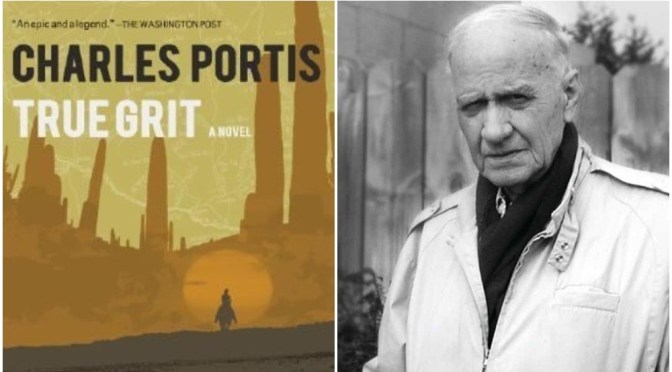
 Charles Portis, Elusive Author of ‘True Grit,’ Dies at 86 The publicity-shy Mr. Portis earned a modest but devoted readership and accolades as America’s “least-known great writer.”Charles Portis, the publicity-shy author of “True Grit” and a short list of other novels that drew a cult following and accolades as the work of possibly the nation’s best unknown writer, died on Monday at a hospice in Little Rock, Ark.
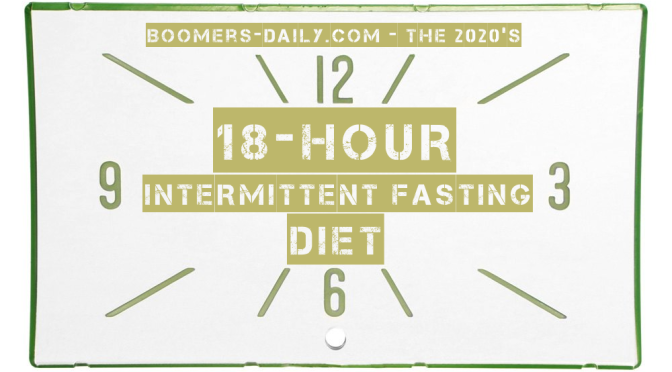
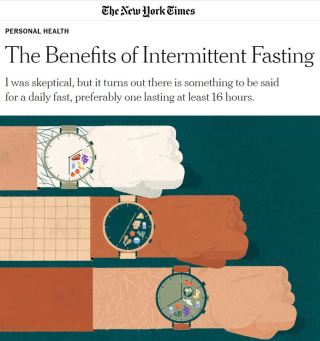 I was skeptical, but it turns out there is something to be said for practicing a rather prolonged diurnal fast, preferably one lasting at least 16 hours. Mark P. Mattson, neuroscientist at the National Institute on Aging and Johns Hopkins University School of Medicine, explained that the liver stores glucose, which the body uses preferentially for energy before it turns to burning body fat.
 The New York Public Library is marking its 125th birthday this year—in part with this list of their favorite books written for adults from the past 125 years, which they hope will “inspire a lifelong love of reading.”

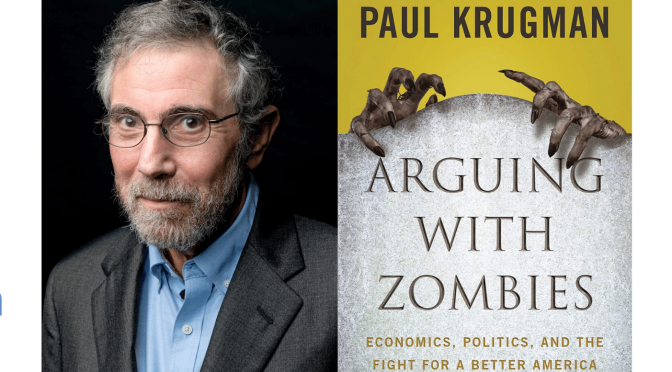
 Bloomberg Opinion columnist Barry Ritholtz interviews economist, bestselling author and New York Times columnist Paul Krugman, whose most recent book is “Arguing With Zombies: Economics, Politics, and the Fight for a Better Future.”
 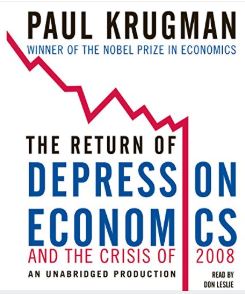 Paul Robin Krugman (born February 28, 1953) is an American economist who is the Distinguished Professor of Economics at the Graduate Center of the City University of New York, and a columnist for The New York Times. In 2008, Krugman was awarded the Nobel Memorial Prize in Economic Sciences for his contributions to New Trade Theory and New Economic Geography. The Prize Committee cited Krugman’s work explaining the patterns of international trade and the geographic distribution of economic activity, by examining the effects of economies of scale and of consumer preferences for diverse goods and services.

 Boomers Daily