
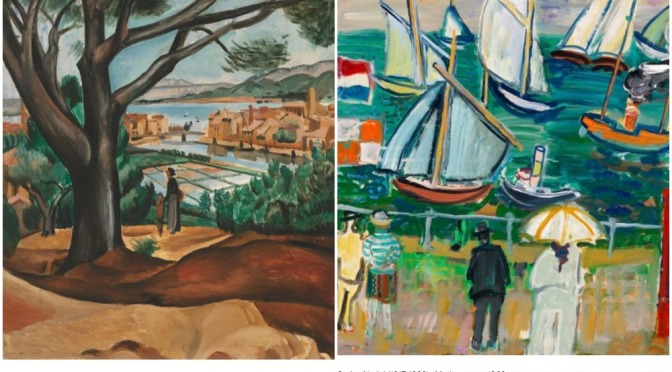
From Christie’s (July 3, 2020):
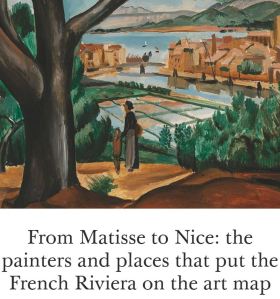 It was the Impressionists, Claude Monet and Pierre-Auguste Renoir, who first discovered the artistic potential of the south coast, finding an unspoilt landscape that perfectly matched their aims. ‘It is so beautiful,’ Monet wrote, ‘so bright, so luminous. One swims in blue air and it is frightening.’
Vincent van Gogh captured the landscape in and around Arles and Saint-Rémy in the final years of his life, while the Master of Aix, Paul Cézanne, used the rugged landscape of his native Provence to radically reconceive the very nature of art-making.
Long before the South of France became synonymous with glamour and sun-drenched seduction — think of Cary Grant and Grace Kelly in the 1955 film To Catch a Thief, or Brigitte Bardot and Alain Delon on the beaches of Saint-Tropez — this corner of Europe attracted a very different kind of tourist.
 Since the turn of the century, the sleepy fishing villages and remote towns of the Provençal hills had lured artists from Paris and beyond — the bright light, dazzling colours and palpable presence of the classical past all serving to inspire and revive jaded spirits.



 Nov 15, 2020 — Jun 27, 2021: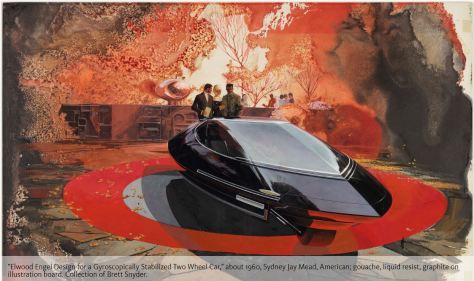

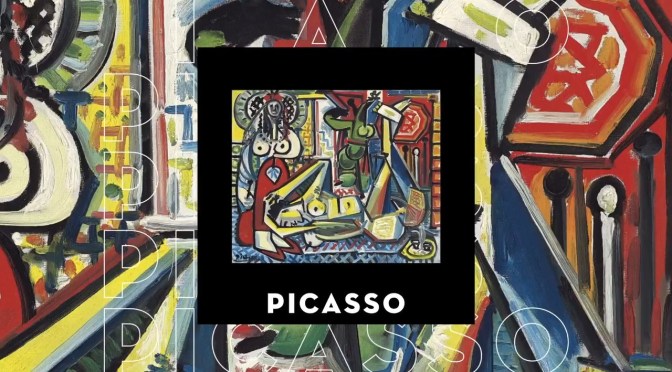
 Between 13 December 1954 and 14 February 1955, Picasso painted a series of fifteen canvases based on Eugène Delacroix’s masterwork Les femmes d’Alger, each of which he assigned an identifying letter from A to O. Together, these paintings constitute Picasso’s single greatest achievement in the decades following the end of the Second World War. They represent his first comprehensive appropriation and thoroughgoing exploration of an important painting by an earlier artist, as well as the most focused analysis he had done since the war years of the female figure set within a specific spatial environment.
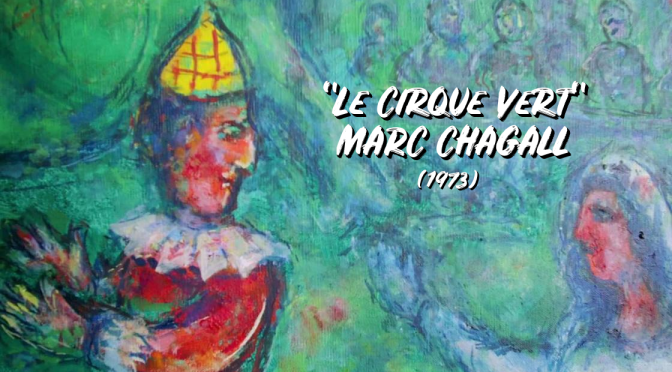
 As a child, Marc Chagall would marvel at the traveling acrobatic troupes that passed through his Village. The animals, dancers and musicians of the circus seemed to conjure a distinct joy that would consistently manifest itself throughout the artist’s career. In this episode of Expert Voices, discover how Chagall was able to uniquely translate this fascination to canvas as Edith Eustis delves into the deep greens and brilliant reds of Marc Chagall’s Le Cirque Vert. Painted in 1973, this work captures the magical allure of the spectacle and incorporates many of the artist’s most iconic motifs. Le Cirque Vert will be offered as a highlight of Sotheby’s Impressionist & Modern Art Evening Sale in New York.
 Boomers Daily