
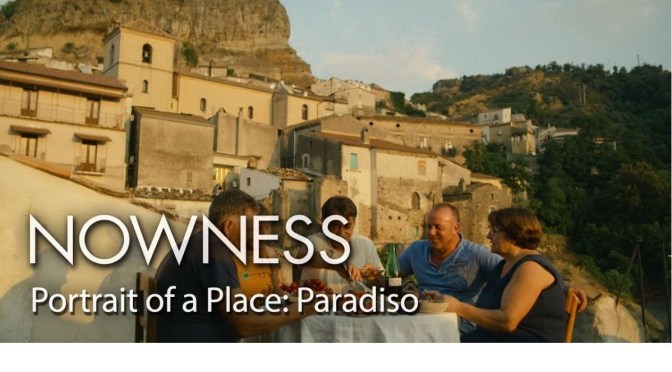
Filmed and Directed by: Jan Vrhovnik
Written by: Ana Kerin
Music by: Nico Casal
Meet Giovanni Mancusou, a small-town Italian man who lives on Italy’s Mediterranean coast. The wisened Calabrian invites the viewer into his sun-washed world of bright orange sun umbrellas, cool blue seas, freshly baked pastries and fresh vegetables.
Directed by Jan Vrhovnik, written by Ana Kerin and music score by Oscar-winning Nico Casal, Paradiso is less story and more a poetic thought piece. Dipping into a snapshot of life for an aging man from Italy, whimsical moments like the swatting of a fly are interspersed with provocative thoughts on life that can only come with the wisdom of an older man who has seen it all.
Giovanni Mancusou was a chance meeting for the team who traveled to Calabria to seek out the very essence of nostalgia. They stumbled upon him in a corner shop and were taken by the poetic way in which he used language to convey a longing for simplicity. Completely improvised, his philosophical musings—weighing heavy with nostalgia and unexpected wisdom—are what punctuate the themes of this memory-inducing short.
A film of contrasts, Paradiso serves to distill the truth in Giovanni’s words. Though momentary, humble and mundane, flashes of true happiness must be savored. Paradiso outlines that to be rich in life, one need only look to nature, a table full of friends and good food: the very essence of a Mediterranean summer.
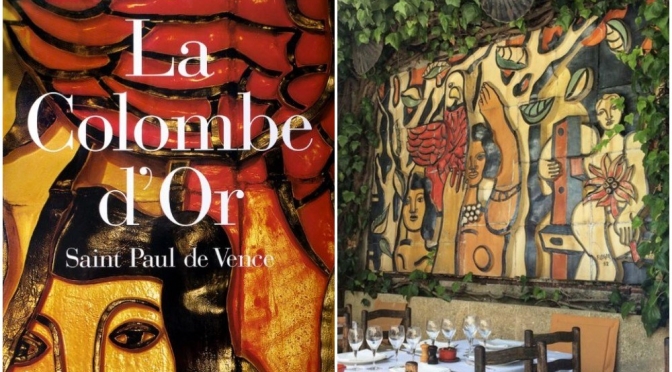
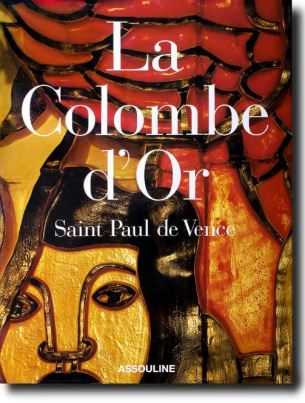 “Provence has a treasure; it’s a Colombe d’Or. It has the precious scent of thyme and nostalgia and the golden colour of olive oil and happy days. The Colombe is a part of my life. For me, it’s a place that’s as full of promise as of magnificent memories. The Colombe is indefinable, inimitable. I’m happy that today a book brings back the atmosphere of this place which is like no other in the world.”
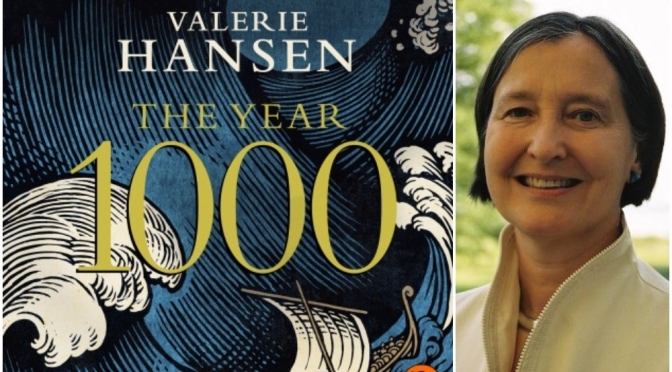
 Valerie Hansen explores these early economic and cultural exchanges and their long-term impact in her new book “The Year 1000: When Explorers Connected the World―and Globalization Began”, which originated as a college course co-taught with Mary Miller, director of the Getty Research Institute. In this episode, Hansen and Miller discuss the state of the world around the year 1000.
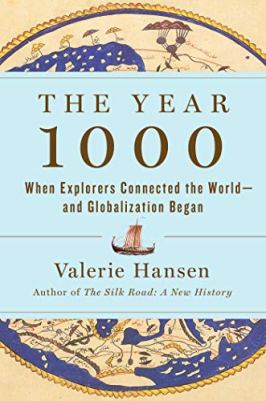 From celebrated Yale professor Valerie Hansen, a groundbreaking work of history showing that bold explorations and daring trade missions connected all of the world’s great societies for the first time at the end of the first millennium.
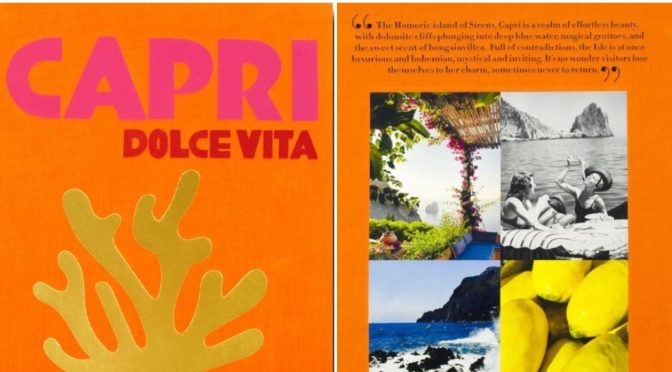
 Capri, a resort island dating back to the height of the Roman Empire, has long been an extraordinary destination full of ancient charm. Cherished by everyone from physician Axel Munthe, who recommended its clean air to his patients as a cure for bronchitis; to film director Jean-Luc Godard as the setting for his 1963 film Contempt; to literary icons, celebrities, poets, and the jet set, Capri boasts a rich Mediterranean spirit and style that encompasses a wealth of beauty, from gardens to villas to caves to the people walking in the lively Piazzetta, where cars are prohibited and the island’s playful attitude runs rampant. Capri Dolce Vita is a look at this fabled corner of the world through the ages and a celebration of paradise on earth.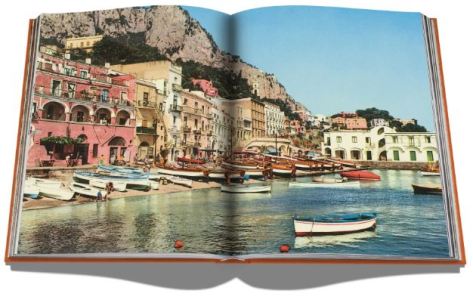
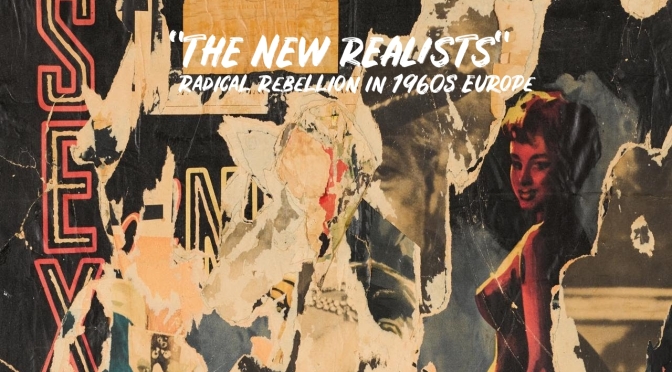
 In the 1960s, while America was being wowed by Pop art, Europe had its own answer to bringing life and art closer together. In this episode of Expert Voices, learn about Nouveau Réalism – a groundbreaking movement in which artists created radical and rebellious sculptures and paintings in protest against the rise of consumerism.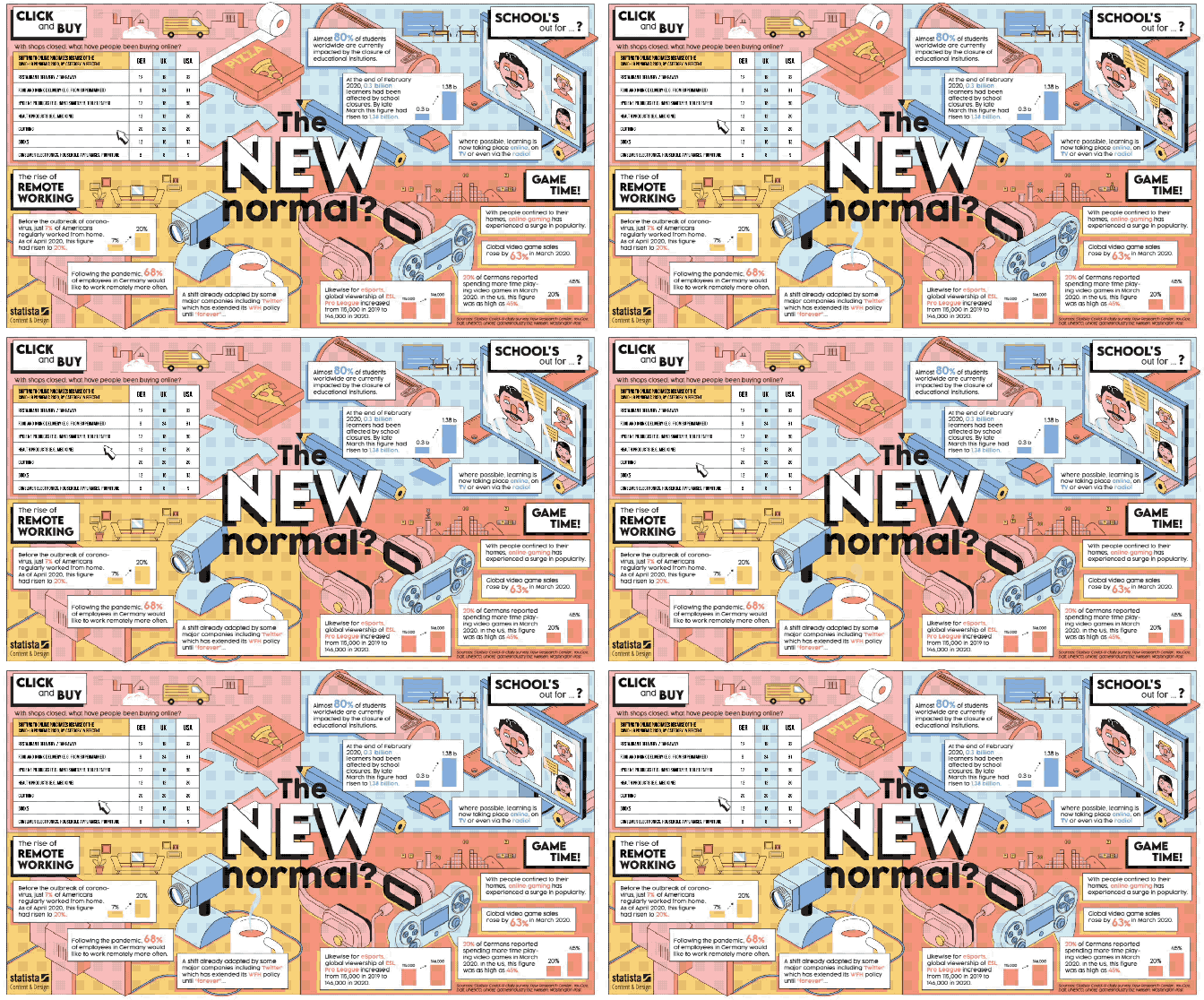

 It is impossible to ignore the ongoing impact the Covid-19 pandemic is having on our lives. This month our infographic shows how some aspects of daily life have changed as a result. The widespread closure of schools, for example, is thought to have affected up to 1.38 billion learners as of late March. Meanwhile, the sudden shift to remote working is one such change expected to have long-lasting effects. Following the pandemic, 68% of Germans have stated they would like to work remotely more often.
 Boomers Daily