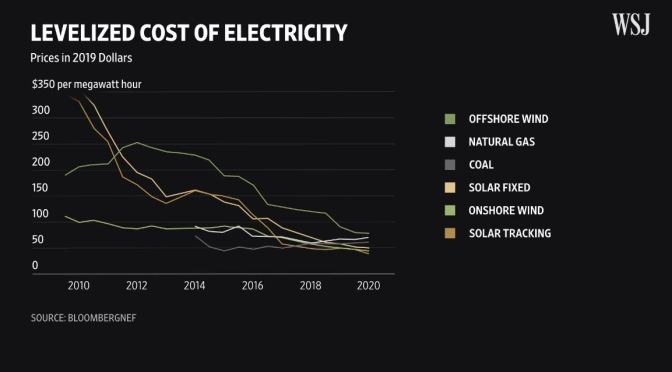
An abundance of fossil fuels combined with advances in technology to harness wind and solar power has sent energy prices crashing around the world. WSJ explains how it all happened at once.
Photo illustration: Carlos Waters/WSJ

An abundance of fossil fuels combined with advances in technology to harness wind and solar power has sent energy prices crashing around the world. WSJ explains how it all happened at once.
Photo illustration: Carlos Waters/WSJ
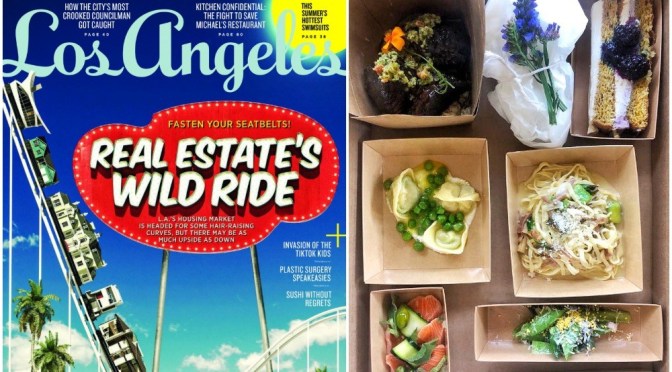
L.A. real estate in the post-pandemic era is about to undergo massive changes as millions work from home, hipster hoods falter amid retail meltdown, and the city’s newest hot spot might be monopolized by the richest man on Earth. Will massive home equity growth come to a crashing halt? Or will the residential market reset to its pre-pandemic self this summer? With millions sheltering in place, here’s what’s hitting home.
***********************
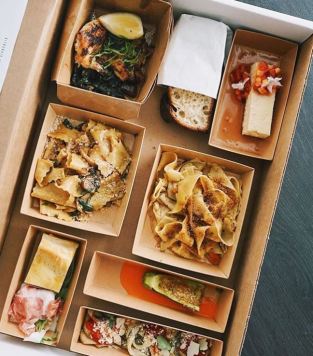 “Initially we just wanted to give people comforting things to feel safe and homey, but now that experience has to evolve,” says Dave Beran, the chef at Santa Monica’s Dialogue and Pasjoli. In May he offered an at-home take on Pasjoli’s famed pressed duck, an elaborate affair that, at the restaurant, involves a fowl carcass being crushed tableside in a turn-of-the century gadget to yield a juice that’s made into a savory sauce. The $155 take-home version for two includes seared duck breast, salad with crispy duck skin bits, duck leg confit bread pudding, rice pudding for dessert, and an instructional video and ingredients for making the sauce at home.
 In the first of a new series of The Monocle Weekly, Andrew Mueller hosts a panel discussion with leading academics and analysts in urbanism and sociology, taking a deeper look at the changing make-up of our cities and social structures.
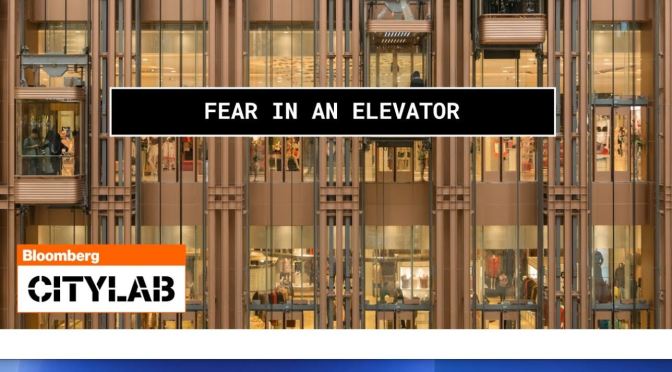
As offices and businesses around the world slowly begin to reopen, the spotlight turns to one of the most traditionally uninteresting forms of transportation: the elevator. Modern cities are intrinsically reliant on these vertical transports which, in light of the global pandemic, can carry new risk factors.
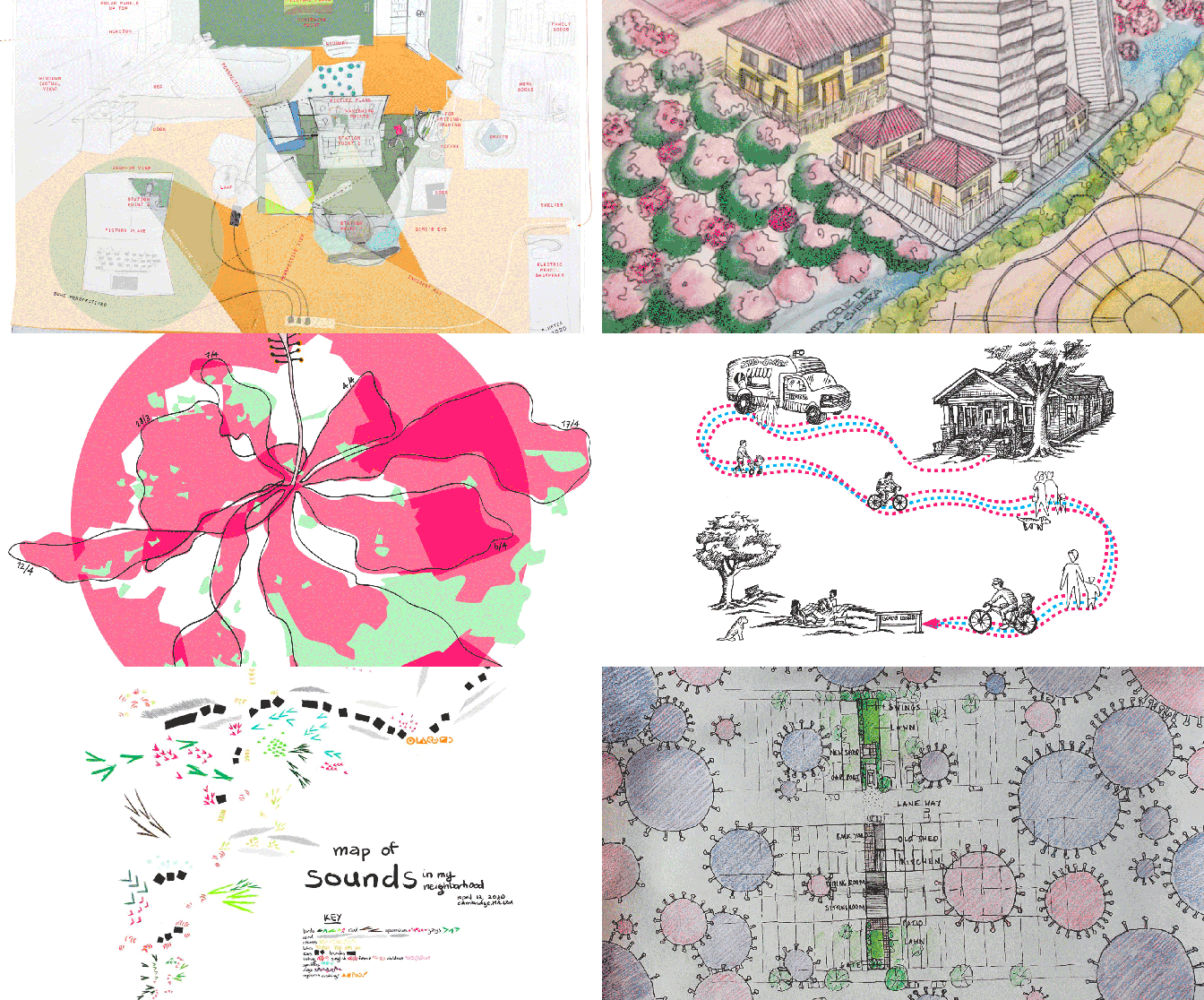
Through homemade maps, CityLab readers shared perspectives and stories from a world transformed by the coronavirus pandemic.
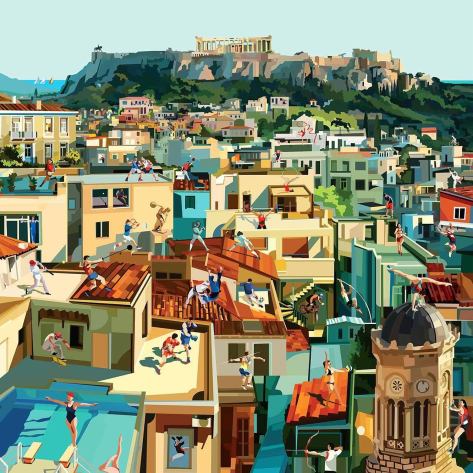
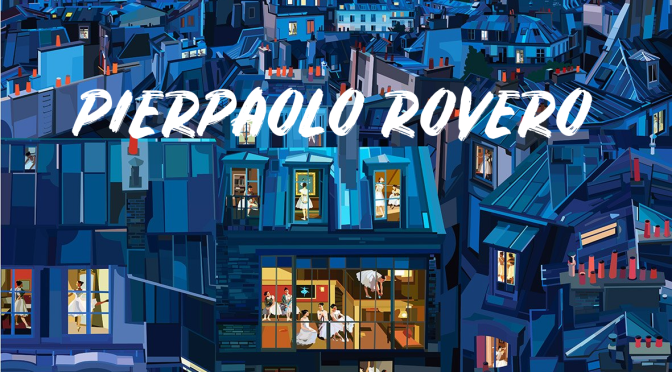
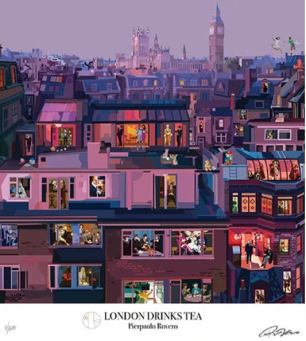 “Imagine all the people” is a project by Turin-based artist and illustrator Pierpaolo Rovero that fantasizes about the way people around the word spend their time in quarantine. Depicting a diverse range of metropolitan panoramas, from New York and Paris, to Jerusalem, to Tokyo, Rovero imagines the citizens of each city indulging in the same activity while stuck at home, allowing viewers to catch glimpses through windows, balconies and skylights.
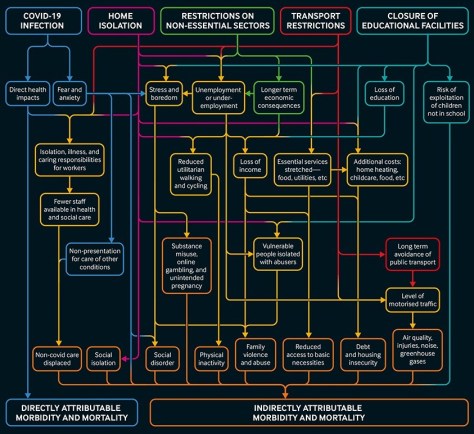

 Monocle’s editor in chief, Tyler Brûlé, discusses the weekend’s top stories with his guests. Topics include how the coronavirus outbreak is being felt in Switzerland, the UK and Japan.
 From Milan: Salone highlights, interviews and a daily running guide.
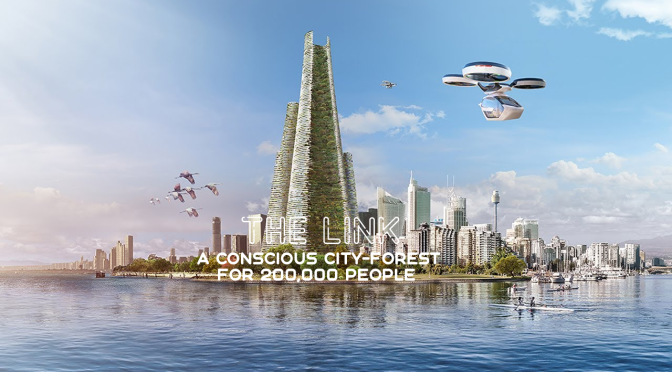
With its 300 floors THE LINK will reach the maximum height of 1200 meters. The project combines sustainability with population density, and it aims to build up a zero-energy city-building. The city-forest is made of 4 main towers, connected one each other, equipped with green areas on each level, natural light and ventilation. 100% green transport systems. The vertical city allows its residents to get into a healthier lifestyle, in connection with natural elements, re-thinking the traditional concept of community and society.
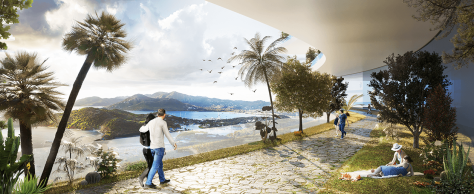
 Architecture firm Luca Curci Architects presents THE LINK, a vertical city for 200,000 people. The project aims to rise above the challenge of population density by successfully combining vertical expansion with economic innovation. A self-sustainable city-forest, that will absorb CO2, produce oxygen for cleaner air and increase urban biodiversity. With interconnected communities’ programs. No suburbs. Less poverty oriented.
Using an urban operating system with an AI (Artificial Intelligence), the vertical city will be able to manage the global city temperature, levels of CO2 and humidity, will control the global lighting system, and will storage extra energy produced by solar panels and other renewable energy resources.


 Boomers Daily