

 NYT Explorer. 100 Trips Around the World takes travel beyond the obvious with adventures in exotic places and new perspectives in familiar ones, all based on the distinguished travel journalism of The New York Times. Each journey features a first-person narrative and postcard-perfect photography, capturing the unique personality of the destination—as well as practical information to help get you on your way.
Whether it’s a culinary adventure in vibrant Mexico City, an historic and meditative train ride through Siberia, or a solo trip to Paris, get your bucket lists ready and share in the discoveries of Explorer a collection of 100 dream destinations—four volumes’ worth of adventures in one—from the Travel pages of The New York Times.
The Times writers offer guidance, from the personal to the practical, along with a wealth of color photographs that capture the catch-your-breath awe of each destination. Motor past pink sands and bougainvillea in Bermuda with Andrew McCarthy, follow Virginia Woolf’s footsteps through the English countryside with Francine Prose, or dare to pilot a boat through the Venice lagoon with Tony Perrottet.
The editor
Barbara Ireland edits the 36 Hours, Explorer, and forthcoming Cultured Traveler series of travel books in collaboration with The New York Times and TASCHEN. A writer and editor based in upstate New York, she is a former deputy Travel editor and deputy Op-Ed page editor at The New York Times. She is a graduate of Cornell University and was a John S. Knight journalism fellow at Stanford University.


 Whether snow-capped, rocky, or covered with verdant forest, the sublime wilderness of mountains has inspired humans for millennia. Offering respite from urban living and a profound connection to nature, mountain landscapes also present unique challenges that have resulted in innovative, resourceful, and beautiful residential architecture. Living in the Mountains is the definitive global tour, showcasing the finest examples of architect-designed homes, whether furnished with impressive views, offering protection from harsh environments, or simply reveling in their extraordinary altitude.
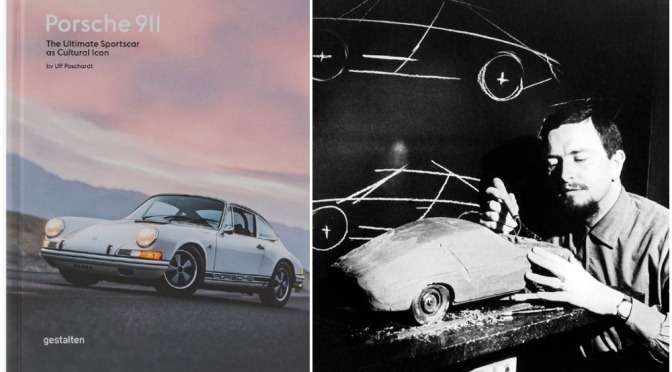
 When Ferdinand Alexander Porsche entered the family business in 1958, he filled an unknown vacuum. An experimental visionary who wanted to challenge tradition, he elevated the design legacy of this famous German brand. From working in the engineering office to craftily creating an icon amongst sportscars, writer Ulf Porschardt reveals how Ferdinand Alexander’s sketches evolved to become a cultural symbol.


 Boomers Daily