

 …a stairway and greenery gently connected the upper and lower floors along a diagonal line, creating a space where all three generations could take comfort in each other’s subtle presence. Not only does the stairway connect the interior to the yard, or bond one household to another, this structure aims to expand further out to join the environs and the city —connecting the road that extends southward on the ground level, and out into skylight through the toplight.
 A two-family home in a quiet residential area of Tokyo. With other houses and apartment buildings pressing around the site, the architectural volume was pushed to the north to take in daylight, ventilation, and greenery of the yard into the living environment by a large glass front southern façade. The layout plan made it possible to preserve the existing persimmon tree beloved by the previous generations. Considering the potential difficulties of going up and down the stairs, the rooms for the older couple were arranged on the 1st floor. The eight cats living with the older couple roam in and outdoors more freely, and encourages the mother to enjoy her hobby of gardening more freely. The younger couple and their child reside on the 2nd and 3rd floors. To avoid the two households being completely separated at the top and bottom, a “stairway-like” structure was designed in the south yard, continuing upward into the building and penetrating the 1st through 3rd floors. Enclosed inside the “stairway” are functional elements, such as bathrooms and a staircase for actual use, with the upper part taking on the look of a semi-outdoor greenhouse with abundant greenery as well as a sun-soaked perch for the cats to enjoy climbing.
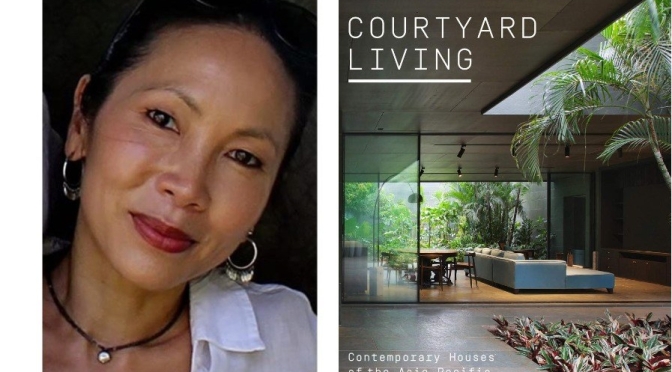
 Charmaine Chan, design editor for ‘South China Morning Post’ believes that courtyards offer an excellent urban solution to domestic solitude. She explains how they can be hubs of community and calm.
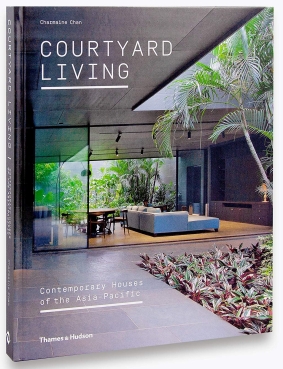 Courtyards have long played an important function in residential design, regulating light, shade, and the use of space. With thousands of years of tradition as inspiration, contemporary architects are now realizing courtyard living afresh. This lavish survey of twenty-five residences across the Asia-Pacific region features homes from Australia, Taiwan, Malaysia, Indonesia, Thailand, the Philippines, Singapore, India, Vietnam, and Sri Lanka.


 second and enlarged edition, here is the foremost guide to the historic camps within America’s spectacular forest preserve, the six million acre Adirondack Park.
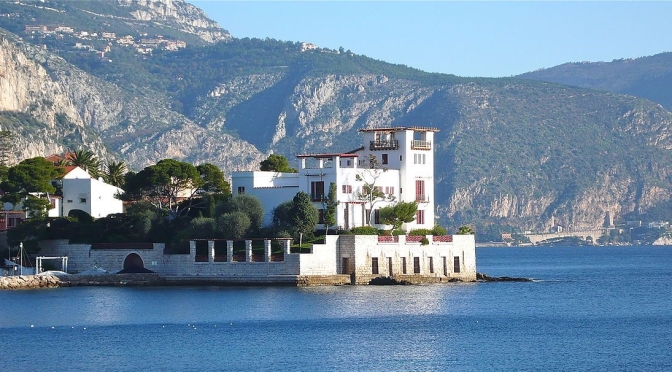
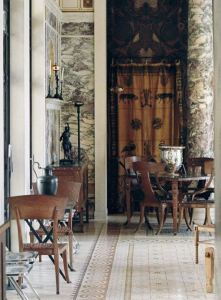 Throughout, the attention to detail is meticulous: mosaic floors of mythical beasts; intricately painted ceilings of interlocking wooden beams. The walls of the Andron, traditionally the male quarters of an ancient Greek household, are streaked with three types of Tuscan marble: ochre Siena, mauve Fleur de Pêcher, and grey-white Carrara. In Mrs Reinach’s bathroom, an immense bathtub weighing one tonne is balanced on two lion paws. Above its ornamental bronze taps, a low-relief frieze depicts the chariot of Demeter. From every window stretches a panorama of glittering blue.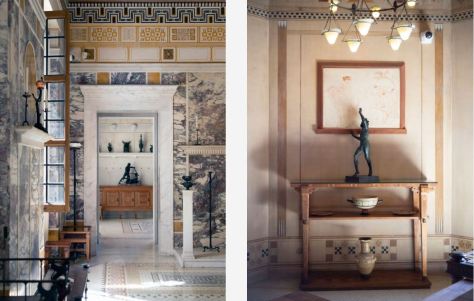
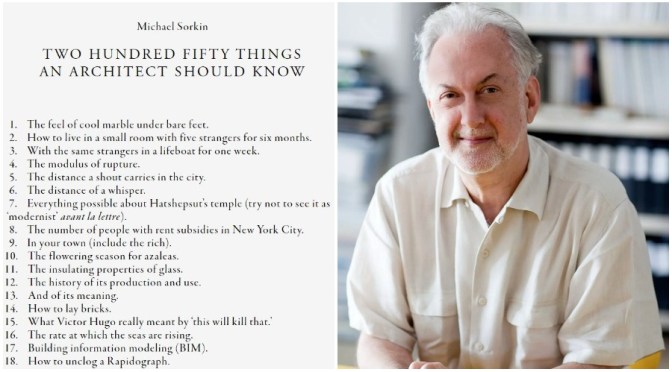
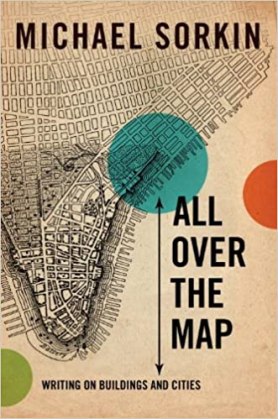 Ultimately he was a humane critic of the contemporary city, a serious, funny and poetic voice defending the powerless against big capital and an articulator of how architecture should be used as a tool of resistance. He is indelibly associated with New York, a city he loved with a fervour despite its faults, and of which he defended every inch as a public good. Number 210 in his list was the medieval German phrase ‘Stadtluft macht frei’ – ‘city air makes you free’. He will survive through his magical writing, which makes us all a little freer.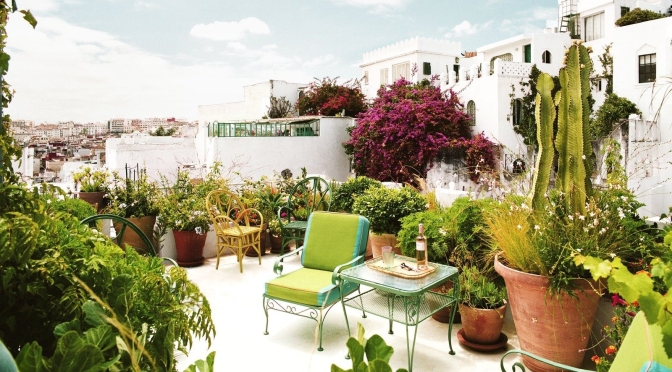
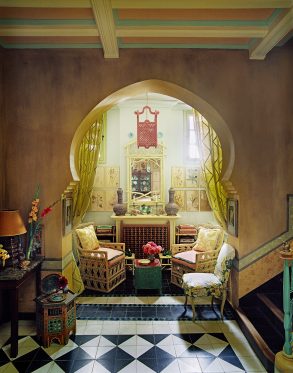 “Tangier is the crossroads of so many civilizations,” says AD100 talent Frank de Biasi of the evocative Moroccan port city that he and his partner, the multifaceted designer Gene Meyer, have made their home. “There’s a central energy here,” he explains, “where the Atlantic meets the Mediterranean, where Europe meets Africa. It’s a psychic point like no other place.”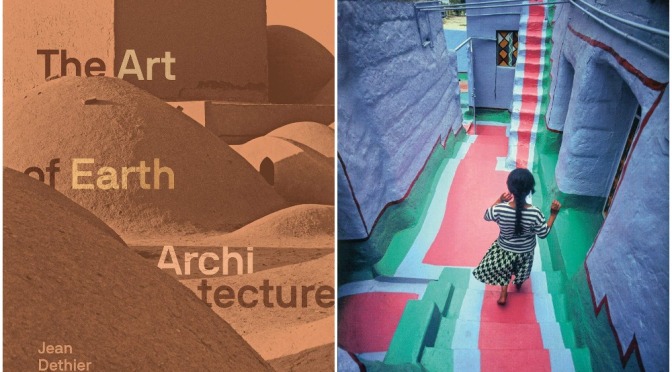
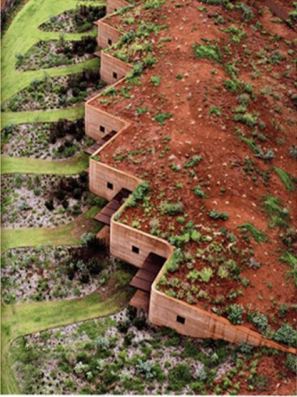 The Art of Earth Architecture demonstrates the wide-ranging applications and sustainability of this building material, while presenting a manifesto for its ecological significance. Featuring raw-earth masterpieces, monumental structures, and little known works, the book includes the temples and palaces of Mesopotamia, the Great Wall of China, large-scale urban developments in Tenochtitlan in Mexico, the medinas of Morocco, and housing in Marrakech and Bogota.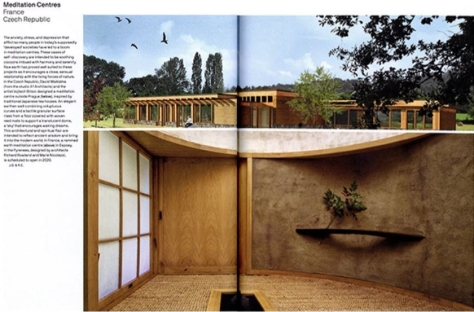
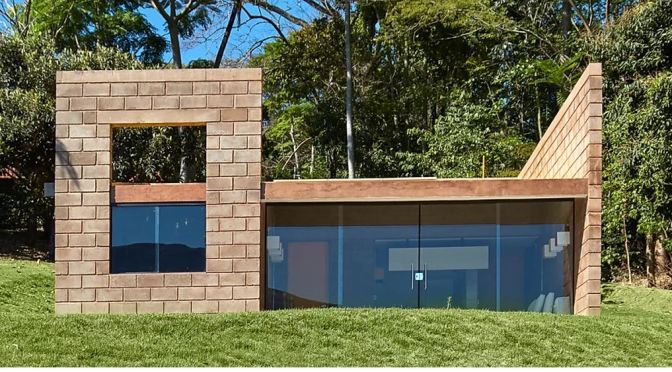
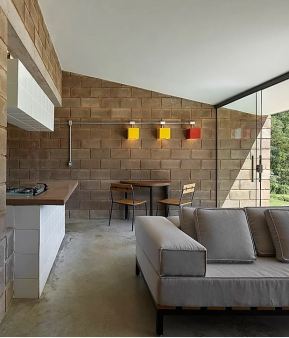 “Our SUSTAINABLE HOME is made of matter and spirit. The raw material, the unused by-products of the mining activity, is the main component: from it we take advantage of its qualities and properties. Finding an ecologically suitable use for this waste determines the unique character of the housing unit. In its spirit, the housing unit intends, in addition to its technical function, to be a home, a place for each person to feel valued, welcomed in their dreams, hopes and desire to live together. Each house, even in its simplicity, must be able to create a sense of pride and self-esteem ”, adds Gustavo Penna.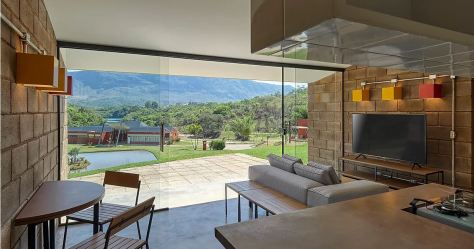

 Boomers Daily