

A selection of three essential articles read aloud from the latest issue of The Economist. This week, how viruses shape the world, (10:25) African-American elites and Black Lives Matter, (18:22) and how misrule by algorithm is failing Britain.

A selection of three essential articles read aloud from the latest issue of The Economist. This week, how viruses shape the world, (10:25) African-American elites and Black Lives Matter, (18:22) and how misrule by algorithm is failing Britain.
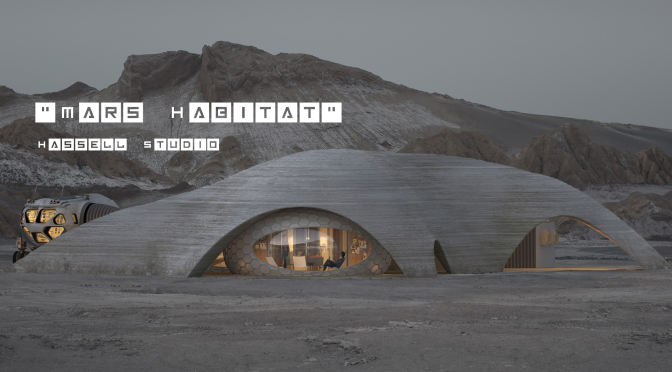
“We set out to design the perfect habitat for space explorers on the red planet as part of NASA’s international 3D Printed Habitat Challenge.“

Our team, in collaboration with structural engineers Eckersley O’Callaghan (EOC), was shortlisted to design the world’s first human home on Mars. In our design, an external shell made from local Martian regolith would be built in advance by autonomous robots before exploration teams arrived to construct the interior – a series of inflatable ‘pods’ containing everything for work and life on Mars.
Our aim was to bring a more human element to space design, typically all about maximum efficiency and performance. Our habitat goes far beyond just ticking the boxes for safety and survival. It’s a home away from home where astronauts can carry out the most important work in the history of space exploration.

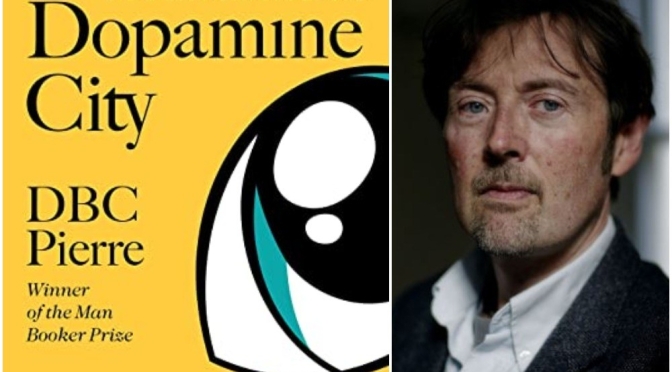
Georgina Godwin talks to DBC Pierre, who won the Booker prize with his debut novel ‘Vernon God Little’. He has gone on to write five more books, including his latest: dystopian satire ‘Meanwhile in Dopamine City’. It is a darkly funny, brilliantly clever and utterly terrifying vision of technology in our near future
DBC Pierre is an Australian writer who wrote the novel Vernon God Little. Pierre was born in South Australia in 1961, before moving to Mexico, where he was largely raised.
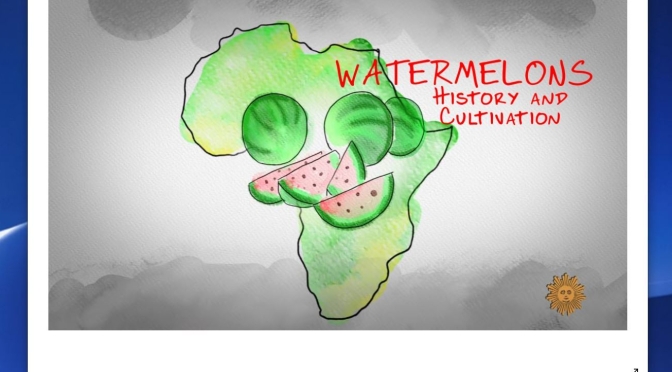
There’s nothing that counteracts the heat of summer quite like a big, sweet, juicy slice of watermelon. Luke Burbank offers up the history and lore behind that thirst-quenching favorite.
Watermelon is a plant species in the family Cucurbitaceae, a vine-like flowering plant originally domesticated in West Africa. It is a highly cultivated fruit worldwide, having more than 1000 varieties. Watermelon is a scrambling and trailing vine in the flowering plant family Cucurbitaceae.
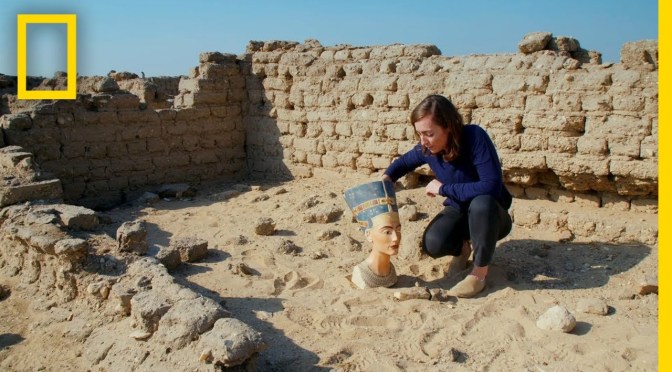
Queen Nefertiti is one of the most famous queens of ancient Egypt, but the location of her tomb is still a mystery.
About Lost Treasures of Egypt: An immersive, action-packed and discovery-led series following International teams of Egyptologists as they unearth the world’s richest seam of ancient archaeology – Egypt’s Valley of the Kings. For a full season of excavations and with unprecedented access to the teams on the front line of archaeology, we follow these modern-day explorers as they battle searing heat and inhospitable terrain to make the discoveries of a lifetime. Using innovative technology and age-old intuition in their quest to uncover the secrets of these ancient sites, can the team’s discoveries re-write ancient history?
Neferneferuaten Nefertiti was an Egyptian queen and the Great Royal Wife of Akhenaten, an Egyptian Pharaoh. Nefertiti and her husband were known for a religious revolution, in which they worshipped one god only, Aten, or the sun disc.

NPR News Now reports: Rioting continues in Portland, new funding approved by the House, and other top news.
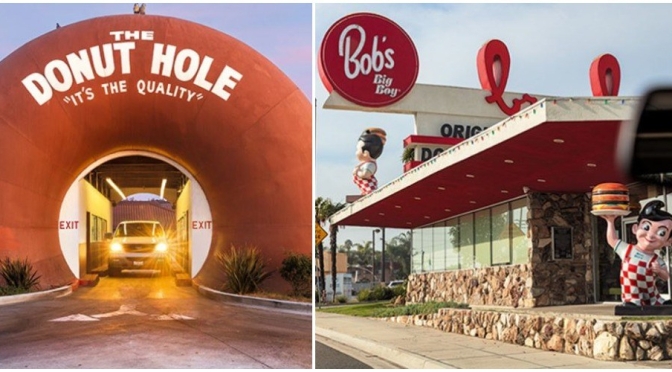
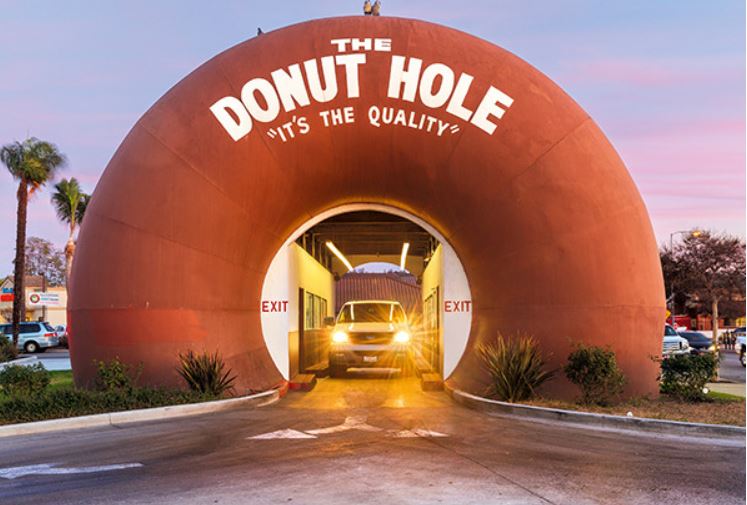
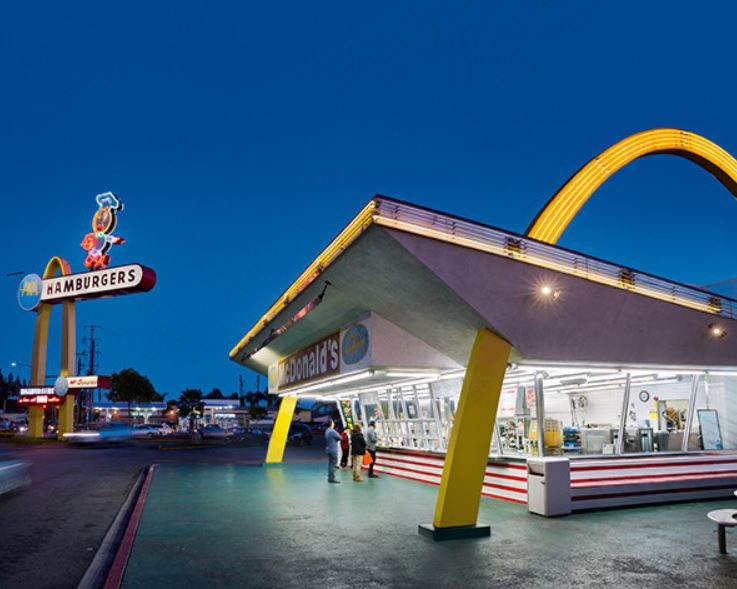
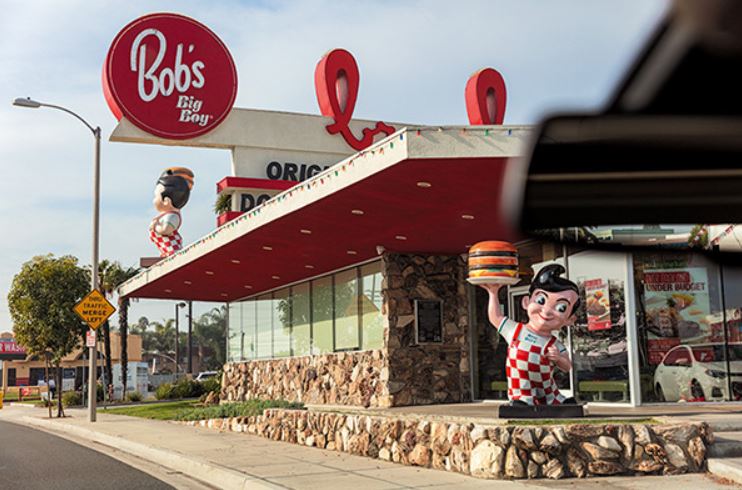
“I love cars and I love Los Angeles for being a city of cars. Over the last decade or so, I have been intrigued by L. A.’s love affair with the automobile, tracing back to a time when cars themselves were objects of beauty.“
“Those cars are no longer on the streets today but the buildings from that era remain. As an architectural photographer, I wanted to capture L. A.’s car-culture-induced optimism and ambition reflected in polychromatic, starspangled coffee shops, gas stations, and car washes, that once lured the gaze of passing motorists.” (Ashok Sinha)
Ashok Sinha is an architectural and fine art photographer whose large-scale photographs capture a sense of place tied to both natural landscapes and built environments. His photographs have been published by editorial outlets such as The New York Times, Architectural Digest, Interior Design, and exhibited at The Museum of the City of New York, the International Center of Photography, and The Royal Photographic Society.
Rwanda is home to abundant nature and wildlife, but the country’s people also make it a vibrant place to visit. Partner Content for Rwanda.
ITALY MAGAZINE (Aug 20, 2020) …you will reach Issogne Castle, in the lower Aosta Valley, one of the most famous manors of the region, noteworthy for its fountain in the form of a pomegranate tree and its decorated portico, a rare example of medieval Alpine painting, featuring a frescoed cycle of scenes of daily life from the late Middle Ages.
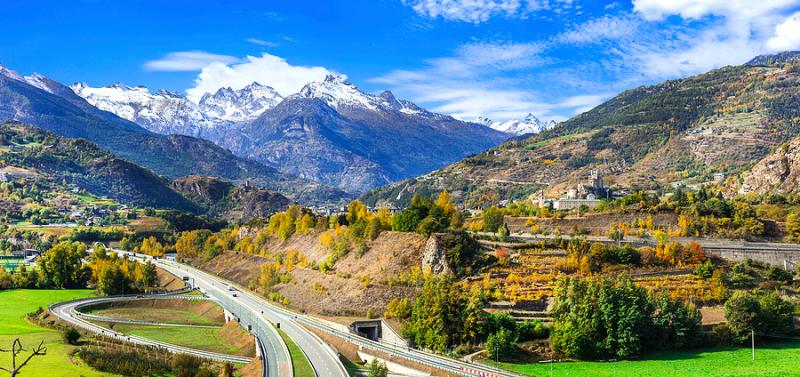
Castles, snow-capped mountains, Roman history and food: a road trip in Aosta Valley, Italy’s smallest region, offers this, plus plenty of fun for the keen driver, who will enjoy the mountain roads with their hairpin bends, climbs and tunnels.
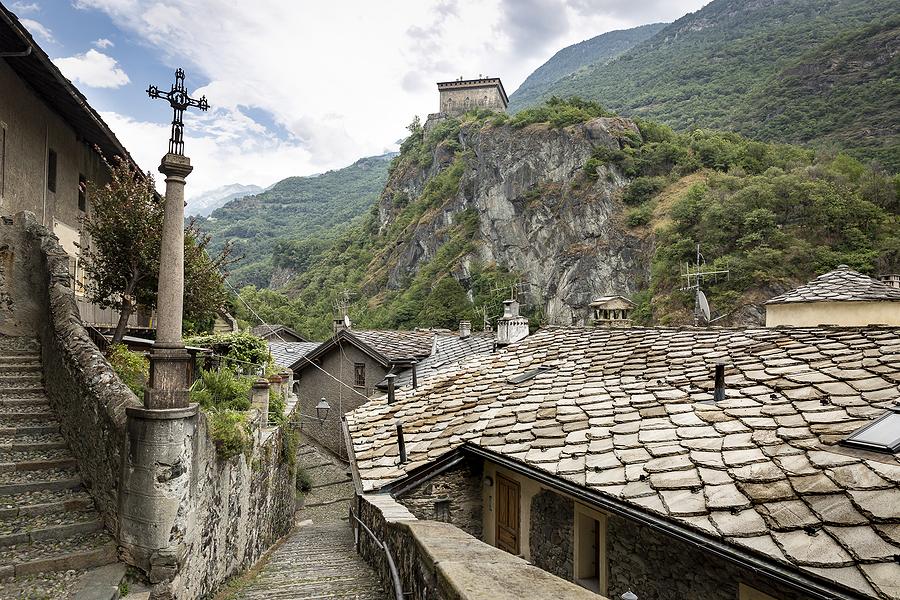
The three-day itinerary we present here starts at Bard Fort, a fortified complex built in the 19th century by the House of Savoy on a rocky prominence above Bard; today, it houses a cultural center and, in the summer, the main courtyard hosts musical and theatrical performances.
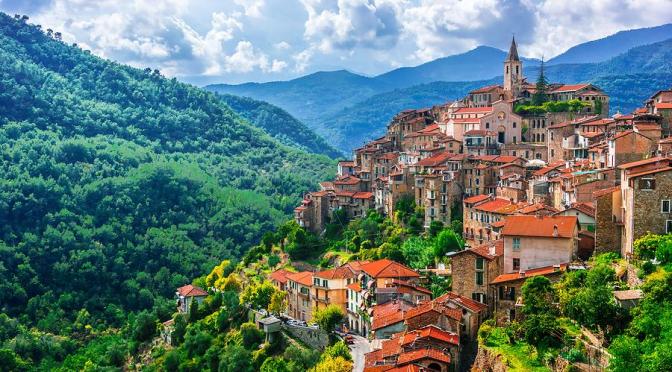
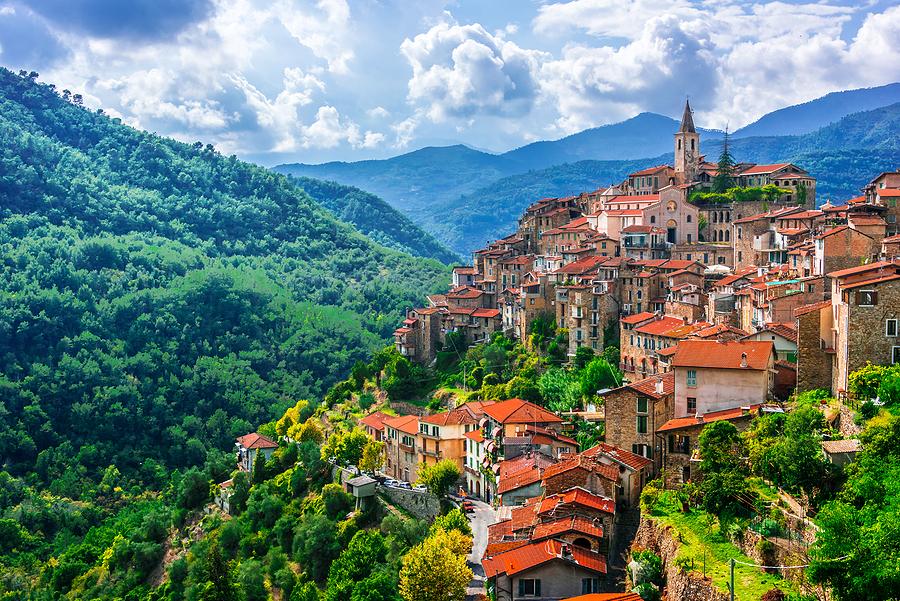
The westernmost part of Liguria is ideal for those looking for a mix of sea and mountains, as a road trip here alternates stretches along the coast with detours into forests, mountains and inland villages. The same variety will be found on the table, with seafood dishes, such as the famous prawns of Sanremo and brandacujùn, a dish typical of Ligurian cuisine made with potatoes and stockfish, and ingredients of the interior, including vegetables, cheeses and goat meat.
This three-day itinerary (about 80 kilometers) starts from the beaches of Ospedaletti and Bordighera (which is only 20 kilometers from France – you can indeed see the French coast from there), two picturesque villages of the Riviera dei Fiori (Coast of Flowers); since Bordighera is built where the Maritime Alps plunge into the sea, it benefits from the Foehn effect which creates a special microclimate that has warmer winters.

The Economist reports: Turkey discovers large gas discovery in the Black Sea, U.S. to require Hong Kong to label exports as “made in China”, and other world news.







 Boomers Daily