

and we traveled all over the continent. We visited Western Australia, South Australia, Northern Territory, and Queensland and at the end of our journey, we went for 8 days to the tiny Pacific nation of Vanuatu.
Filmed in August 2022.

and we traveled all over the continent. We visited Western Australia, South Australia, Northern Territory, and Queensland and at the end of our journey, we went for 8 days to the tiny Pacific nation of Vanuatu.
Filmed in August 2022.
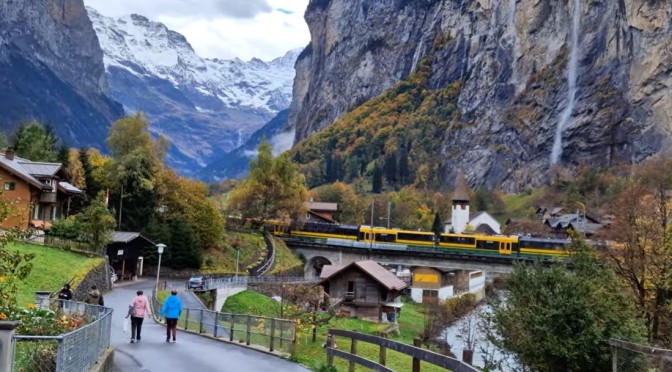
of the most impressive trough valleys in the Alps, between gigantic rock faces and mountain peaks. With its 72 thundering waterfalls, secluded valleys, colourful alpine meadows and lonely mountain inns, the Lauterbrunnen Valley is one of the biggest nature conservation areas in Switzerland.
The very name ‘Lauter Brunnen’ (‘many fountains’) suggests the magnificence of this landscape. There are 72 waterfalls in the Lauterbrunnen Valley, the most famous being the Staubbach Falls. Plunging almost 300 metres from an overhanging rock face, they are one of the highest free-falling waterfalls in Europe. In 1779, Johann Wolfgang von Goethe visited the valley, and was inspired by the roaring waters to write his well-known poem ‘Spirit song over the waters’
Filmed on October 18, 2022
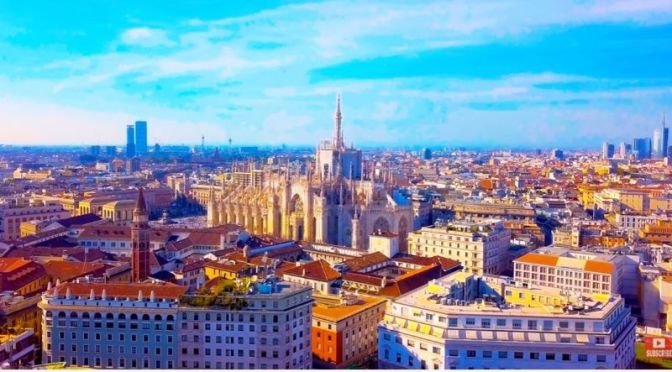
Milan is Italy’s city of the future, a fast-paced metropolis where money talks, creativity is big business and looking good is an art form.
Ruled by the Caesars, Napoléon, the Austro-Hungarians and Mussolini, Milan has an ancient and fascinating history. After the unification of Italy in 1861, it also became an important industrial and cultural centre – a title it still holds today. While it may not have the historic attractions of other Italian cities, it holds its own with art collections old and new, which mark the genius of old masters and provoke new conversations about where the world is headed. Prestigious nights at La Scala, an illustrious literary heritage and a vibrant music scene also do much to debunk the city’s workaholic image.

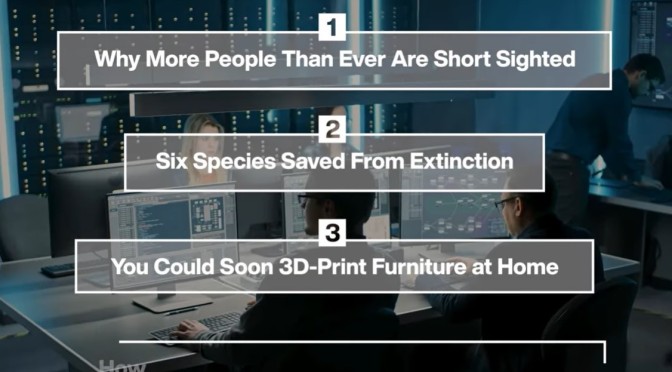
00:16 Why more people than ever are short-sighted – The trend is worst in children and young adults, and half the world’s population could be short sighted by 2050.
01:37 Six species saved from extinction – Recent ecosystem restorations have rescued some species from the brink of extinction.
03:30 You could soon 3D-print furniture at home – Scientists from the Hebrew University of Jerusalem have developed a new wood-based ink that can be used for making 3d printed furniture
04:48 How Dark Data Affects Your Carbon Footprint -Companies generate 3.5 trillion gigabytes of dark data every day. But what is dark data?
The World Economic Forum is the International Organization for Public-Private Cooperation. The Forum engages the foremost political, business, cultural and other leaders of society to shape global, regional and industry agendas. We believe that progress happens by bringing together people from all walks of life who have the drive and the influence to make positive change.

Video timeline: 00:00 – Introduction to the Award Winning Home 00:21 – A Restoration Project 3 Years in The Making 00:58 – Building Aspects From the Ground Up 01:31 – Compatibility Within the Home 01:46 – A Walkthrough of the Historic Section of the Home 02:03 – The Modern Section of the Home 02:18 – Reinterpretations of the Historic Aspects 02:46 – Encouraging Conversation Through Building and Design 03:36 – A Range of Surprising Features 04:45 – Peaceful Curation and Arrangement 05:09 – A Journey With the Client
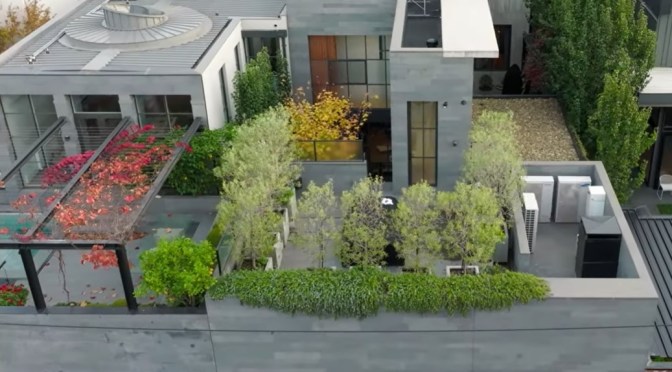
Originally owned by a convent, St Vincent’s Place is comprised of three buildings set side-by-side, situated in the Melbourne precinct of Albert Park. The heritage façade – the only historical element that could be retained in the award winning home – represents a significant contribution to the architecture of the area, presenting a combination of stone and delicate black metalwork. Traversing two design styles in a singular project, B.E Architecture dedicates the front of the home to heritage recreation whilst providing a modern extension.
The front of the award winning home captures a formal entrance and living room and upstairs, a master bedroom and dressing room. A studious approach to restorative design is reflected in the treatment of cornices, skirtings and architraves, as well as doorjambs, doors and flooring. In contrast, the back of the building captures a contemporary interior design including a downstairs pool, onsen and steam room, elevated with tiling and considered lighting.
Several features of St Vincent’s Place indicate the designer’s penchant for aesthetic flair. Inspired by pioneering artist Sigmar Polke, sliced agate doors filter natural light with an array of neutral tones. In addition, a large text piece reading ‘Heaven is a Place Where Nothing Ever Happens’ sparks curiosity from its reference, size and impressive incorporation into the award winning home.
“You do feel the magic of how these elements come together here,” says Broderick Ely, Design Director at B.E Architecture. “We curate, we arrange and manipulate these items so it sits very quietly.” Using the even application of decorative elements, B.E Architecture establishes a coherent and award winning home. St Vincent’s Place is structured to gently guide occupants towards its many hidden gems, enabling the mind to wander in unison with the body.

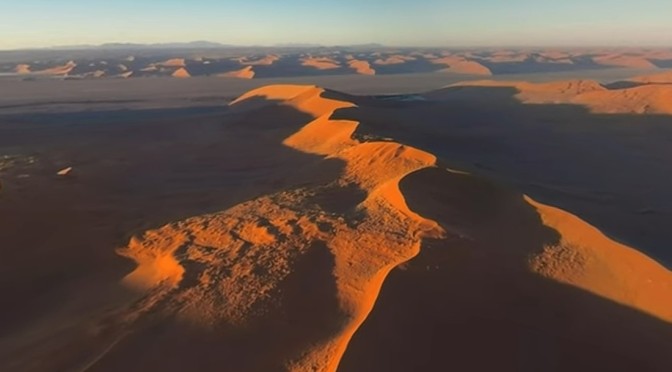
The Namib is arid and is almost totally uninhabited, except for a small number of scattered towns. It is important because of the trade routes that cross it, its mineral deposits, the fisheries of the bordering sea, and its increasing utilization for recreational purposes.

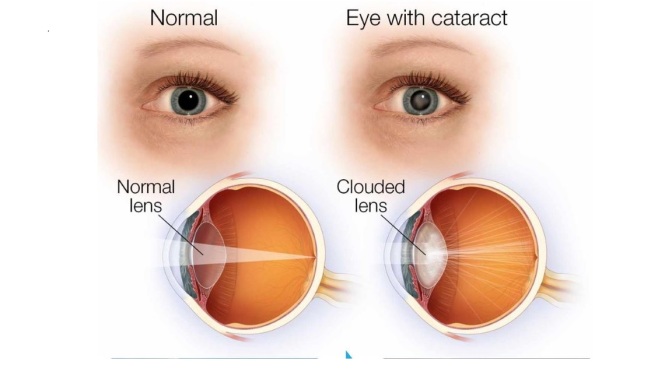
Chapters: 0:00 Intro 0:10 What are cataracts? 0:43 What are the warning signs of cataracts? 2:44 How are cataracts diagnosed? 3:04 Talk to your eye doctor

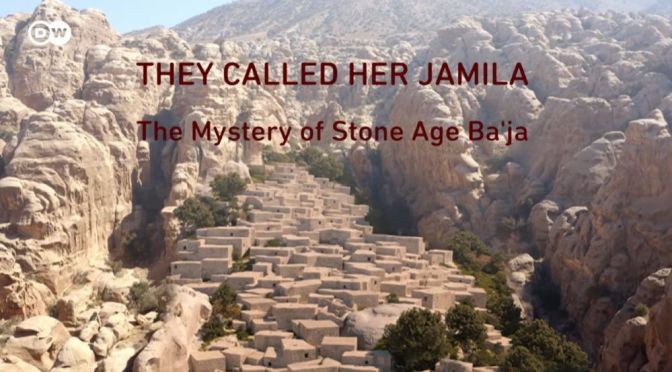
is a famous archaeological site. It was one of the world’s first known settlements, founded some 9,000 years ago. The site has produced magnificent finds including an ancient necklace made of 2,500 beads. What prompted our Neolithic ancestors to settle down? Why did they change their nomadic, hunter-gatherer lives so radically?
As is so often the case in archaeology, it is tombs that tell us the most, while also raising new questions. One of the most magnificent finds at the Ba’ja archaeological site is the richly furnished tomb of a young girl. In 2018, as the excavation team was about to depart, beads emerged from beneath the slab of a nondescript tomb. The team kept working until they finally recovered around 2,500 beads.
Further research showed the beads belonged to an elaborately crafted necklace that had been buried with the girl. The team affectionately christened her Jamila, “the beautiful one.” Jamila’s necklace is a sensation, and has been put on display at the new Petra Museum. There, the entire history of the country is presented, beginning with Ba’ja and humankind’s decision to leave behind the hunter-gatherer lifestyle.
Along with other finds from Ba’ja, Jamila’s finely wrought necklace calls into question much of what we thought we knew about the Stone Age. In recent decades, the burial site in Jordan has helped us see Neolithic people through different eyes. One thing seems clear: They were able to invest time in aesthetics, jewelry and furnishings because their food supply was secure.

editors have consistently begged to visit over the years as they attempt to understand its wholesome hidden depths. Here are 10 things that have us hankering for more.

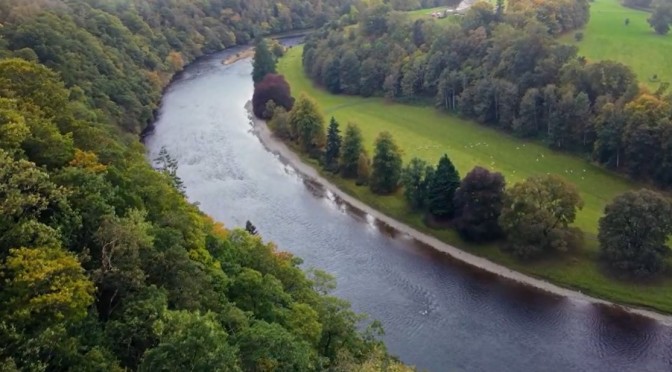
the twin climate and biodiversity crises – reducing flooding, improving river health and restoring the ecosystem. We’re working in England, Scotland, Wales and Northern Ireland to plant and restore river woodland for people and wildlife.
In Scotland, this particularly means fish. Salmon, to be exact. Whole upland river catchments devoid of trees are seeing Scotland’s rivers warm to a point that could see salmon disappear in just 20 years. These fish need clean, cold water to thrive, and river woodland is the way to return it to them. The Woodland Trust is working across river catchments to expand native woodland alongside rivers and burns.
Trees provide shade and cover for young salmon and trout, stabilize riverbanks, slow the flow of water downstream and create wildlife corridors. A key part of this work involves working with landowners to plant and restore river woodland on their land, advising on the initial planting and empowering them to monitor their river woods into the future.
 Boomers Daily