

 This week on Prognosis, we look at one startup that’s trying to redesign care for some of the most vulnerable patients, taking into account the complex realities of their lives. The company is trying to improve care for people and communities the medical system often fails – and it believes that fixing those failures will not only make people healthier, it will also save money.
In America, poverty is linked to shorter lifespans. The wealthiest 1% of Americans live more than a decade longer than the poorest 1%, and the longevity gap has expanded in recent years. The medical community is increasingly examining the role that poverty and difficult social circumstances play in illness. Some people are asking whether the health care system could do more to address the things that influence people’s health beyond their medical care.

 As the US Democratic party takes steps towards choosing who will attempt to win the presidency, Andrew Mueller discusses the candidates’ strengths and weaknesses and asks if they are up to the job.
 Listen to a chat with Julia Adler-Milstein, the author of an editorial that comments on a recent Annals of Internal Medicine study detailing the amount of time clinicians typically spend hunched over their EHRs during a patient visit.
 Wines by Massimo Ferragamo: How Salvatore Ferragamo’s youngest son is succeeding in the wine industry.


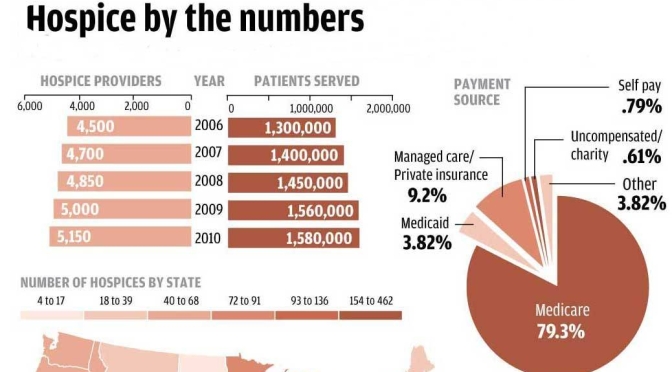
 According to a
 Hear the latest science news, brought to you by Nick Howe and Benjamin Thompson. This week, why stress makes mice turn grey, and how to think about climate change.




 Though a law requiring clinical trial results reporting has been on the books for decades, many researchers have been slow to comply. Now, 2 years after the law was sharpened with higher penalties for noncompliance, investigative correspondent Charles Piller took a look at the results. He talks with host Sarah Crespi about the investigation and a surprising
  Boomers Daily