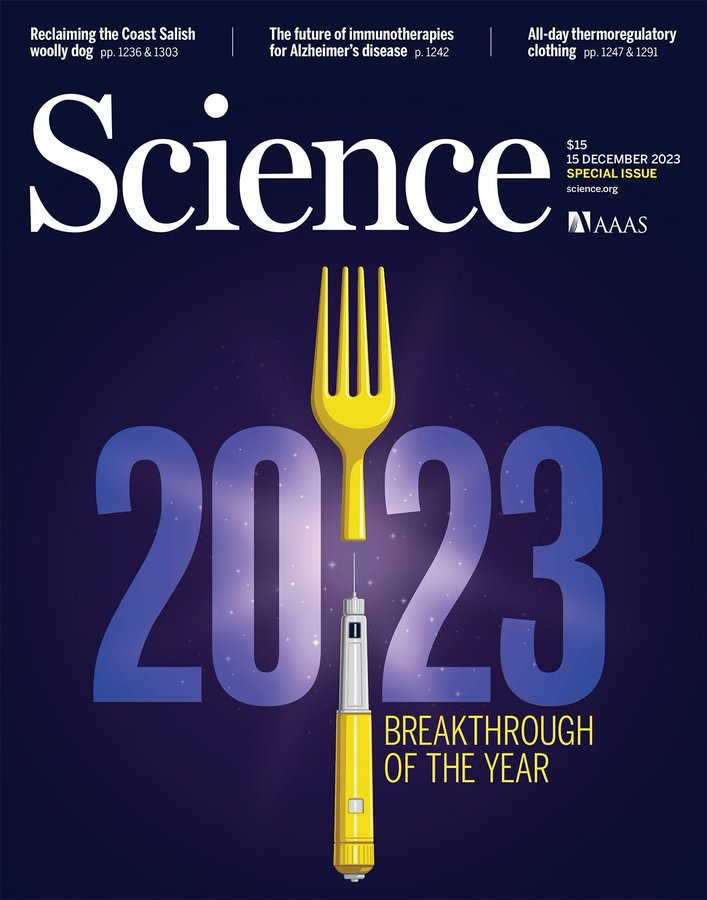
Science Magazine – December 14, 2023: The new issue cover features The 2023 Breakthrough of the Year: Obesity meets its match – Blockbuster weight loss drugs show promise for a wider range of health benefits; Runners-Up: At last, modest headway against Alzheimer’s; and Breakdowns of the Year – What went wrong in the world of Science….
Blockbuster weight loss drugs show promise for a wider range of health benefits
Obesity plays out as a private struggle and a public health crisis. In the United States, about 70% of adults are affected by excess weight, and in Europe that number is more than half. The stigma against fat can be crushing; its risks, life-threatening. Defined as a body mass index of at least 30, obesity is thought to power type 2 diabetes, heart disease, arthritis, fatty liver disease, and certain cancers.
Medicine has had little to offer the tens of millions of people worldwide with Alzheimer’s disease, and the few approved treatments have only targeted symptoms. But in January, U.S. regulators greenlit the first drug that clearly, if modestly, slows cognitive decline by tackling the disease’s underlying biology; a second, related treatment is close behind. Neither comes close to a cure, and both have serious risks, but they offer new hope to patients and families.
Watch: Intermittent fasting can help improve focus and brain health for animals, studies show. We explain how some of these cognitive benefits can also apply to humans. https://t.co/msrfUFoTkn
Although intermittent fasting is most widely known as a weight-loss strategy, emerging research suggests that it could have benefits for brain health and cognition. But does it actually work, are there any drawbacks and how long would you have to fast to see benefits? WSJ’s Daniela Hernandez breaks down what’s known and what’s not about the neuroscience of intermittent fasting.
Timeline: 0:00 Could intermittent fasting help our brains work better and longer? 0:31 How long would you have to fast to see any potential cognitive benefits? 1:04 How intermittent fasting could affect your ability to focus 2:27 Potential mood-related benefits of intermittent fasting 2:48 How intermittent fasting can affect brain health 4:03 Potential drawbacks of intermittent fasting
Every year, as millions of people around the world forge new resolutions to eat healthier and lose weight, US News & World Report releases a conveniently timed ranking of the best diets. A panel of experts in obesity, nutrition, diabetes, heart disease, and food psychology rigorously rate each of 39 diets on seven criteria:
Likelihood of losing significant weight in the first 12 months
Likelihood of losing significant weight over two years or more
Effectiveness for preventing diabetes (or as a maintenance diet)
Effectiveness for preventing heart disease (or for reducing risk for heart patients)
How easy it is to follow
Nutritional completeness
Health risks (like malnourishment, too-rapid weight loss, or specific nutrient deficiencies)
1. Mediterranean diet
Emphasis on fruits, veggies, whole grains, olive oil, beans, nuts, legumes, fish and other seafood. Eggs, cheese, and yogurt can be eaten in moderation. Keep red meats and sugar as treats.
2. DASH (dietary approaches to stop hypertension) diet — TIE
Eat lots of fruits, veggies, lean protein, whole grains, and low-fat dairy. Avoid saturated fats and sugar.
2. Flexitarian diet — TIE
Be a vegetarian most of the time. Swap in beans, peas, or eggs for meats, and consume plenty of fruits, veggies, and whole grains. You can look up more details because there’s actually a full meal plan involving breakfast, lunch, dinner, and two snacks to add up to a total 1500 calories per day. But feel free to also just swap in flexitarian meals ad hoc.
4. Weight Watchers
The first actual paid program on the list, WW uses a points system to guide dieters towards foods lower in sugar, saturated fat, and overall calories while consuming slightly more protein. There are a variety of paid WW plans, with the lowest being about $20 per month.
5. Mayo Clinic diet — TIE
A two-part system, with part one (‘Lose it!’) involving adding a healthy breakfast (i.e. fruits, veggies, whole grains, healthy fats) plus 30 minutes of exercise per day. You’re not allowed to eat while watching TV or consume sugar except what’s naturally found in fruit. Meat is only allowed in limited quantities, as is full-fat dairy. The second phase (‘Live it!’) is basically the first phase but with more flexibility. You aren’t realistically going to cut out sugar forever, and the Mayo Clinic diet acknowledges that. So the long term plan involves lots of whole grains, fruits, veggies, and healthy fats. Less saturated fats and sugar.
“The findings of this study are promising and reinforce what we’ve seen in other studies — fasting diets are a viable option for people who want to lose weight, especially for people who do not want to count calories or find other diets to be fatiguing,” Varady said.
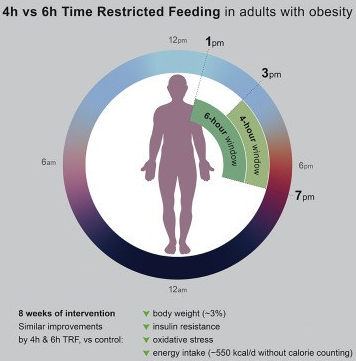
…participants in both daily fasting groups reduced calorie intake by about 550 calories each day simply by adhering to the schedule and lost about 3% of their body weight. The researchers also found that insulin resistance and oxidative stress levels were reduced among participants in the study groups when compared with the control group.
Two daily fasting diets, also known as time-restricted feeding diets, are effective for weight loss, according to a new study published by researchers from the University of Illinois at Chicago.
The study reported results from a clinical trial that compared a 4-hour time-restricted feeding diet and a 6-hour time-restricted feeding diet to a control group.
“This is the first human clinical trial to compare the effects of two popular forms of time-restricted feeding on body weight and cardiometabolic risk factors,” said Krista Varady, professor of nutrition at the UIC College of Applied Health Sciences and corresponding author of the story.
…the beneficial effects of TRE are dose dependent, with greater reductions in body weight, fat mass, and improvement in glucose tolerance when a 9-h protocol was implemented versus 12 and 15 h. The optimal TRE time frame to recommend for people has not been tested. Clear improvements have been noted after 6-, 8-, 9-, and 10-h protocols. It is likely that the greater time restriction would result in greater weight losses, which may maximize the metabolic benefits.
Eating out of phase with daily circadian rhythms induces metabolic desynchrony in peripheral metabolic organs and may increase chronic disease risk. Time-restricted eating (TRE) is a dietary approach that consolidates all calorie intake to 6- to 10-h periods during the active phase of the day, without necessarily altering diet quality and quantity.
TRE reduces body weight, improves glucose tolerance, protects from hepatosteatosis, increases metabolic flexibility, reduces atherogenic lipids and blood pressure, and improves gut function and cardiometabolic health in preclinical studies. This review discusses the importance of meal timing on the circadian system, the metabolic health benefits of TRE in preclinical models and humans, the possible mechanisms of action, the challenges we face in implementing TRE in humans, and the possible consequences of delaying initiation of TRE.
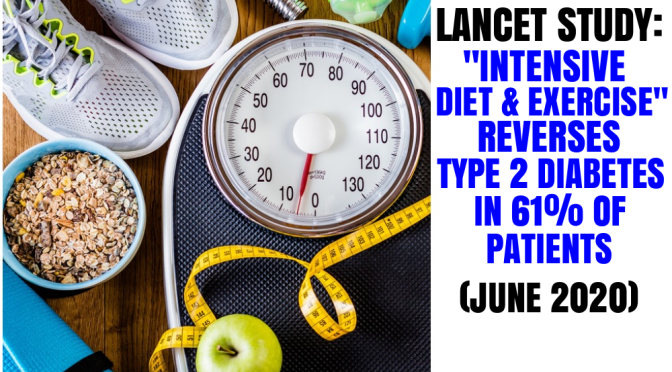
From The Lancet Diabetes & Endocrinology (June 2020):
Our findings show that the intensive lifestyle intervention led to significant weight loss at 12 months, and was associated with diabetes remission in over 60% of participants and normoglycaemia in over 30% of participants. The provision of this lifestyle intervention could allow a large proportion of young individuals with early diabetes to achieve improvements in key cardiometabolic outcomes, with potential long-term benefits for health and wellbeing.
Type 2 diabetes is affecting people at an increasingly younger age, particularly in the Middle East and in north Africa. We aimed to assess whether an intensive lifestyle intervention would lead to significant weight loss and improved glycaemia in young individuals with early diabetes.
.
Between July 16, 2017, and Sept 30, 2018, we enrolled and randomly assigned 158 participants (n=79 in each group) to the study. 147 participants (70 in the intervention group and 77 in the control group) were included in the final intention-to-treat analysis population. Between baseline and 12 months, the mean bodyweight of participants in the intervention group reduced by 11·98 kg (95% CI 9·72 to 14·23) compared with 3·98 kg (2·78 to 5·18) in the control group (adjusted mean difference −6·08 kg [95% CI −8·37 to −3·79], p<0·0001). In the intervention group, 21% of participants achieved more than 15% weight loss between baseline and 12 months compared with 1% of participants in the control group (p<0·0001). Diabetes remission occurred in 61% of participants in the intervention group compared with 12% of those in the control group (odds ratio [OR] 12·03 [95% CI 5·17 to 28·03], p<0·0001). 33% of participants in the intervention group had normoglycaemia compared with 4% of participants in the control group (OR 12·07 [3·43 to 42·45], p<0·0001).
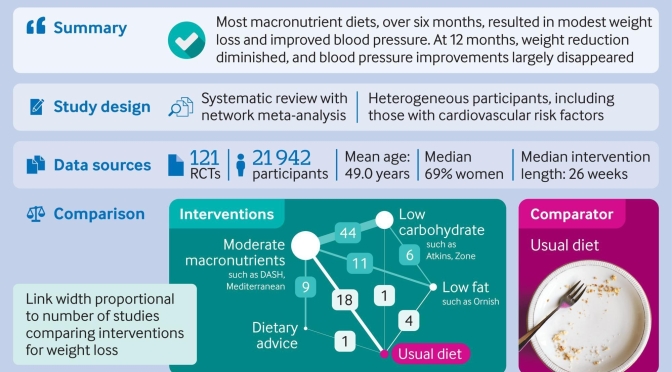
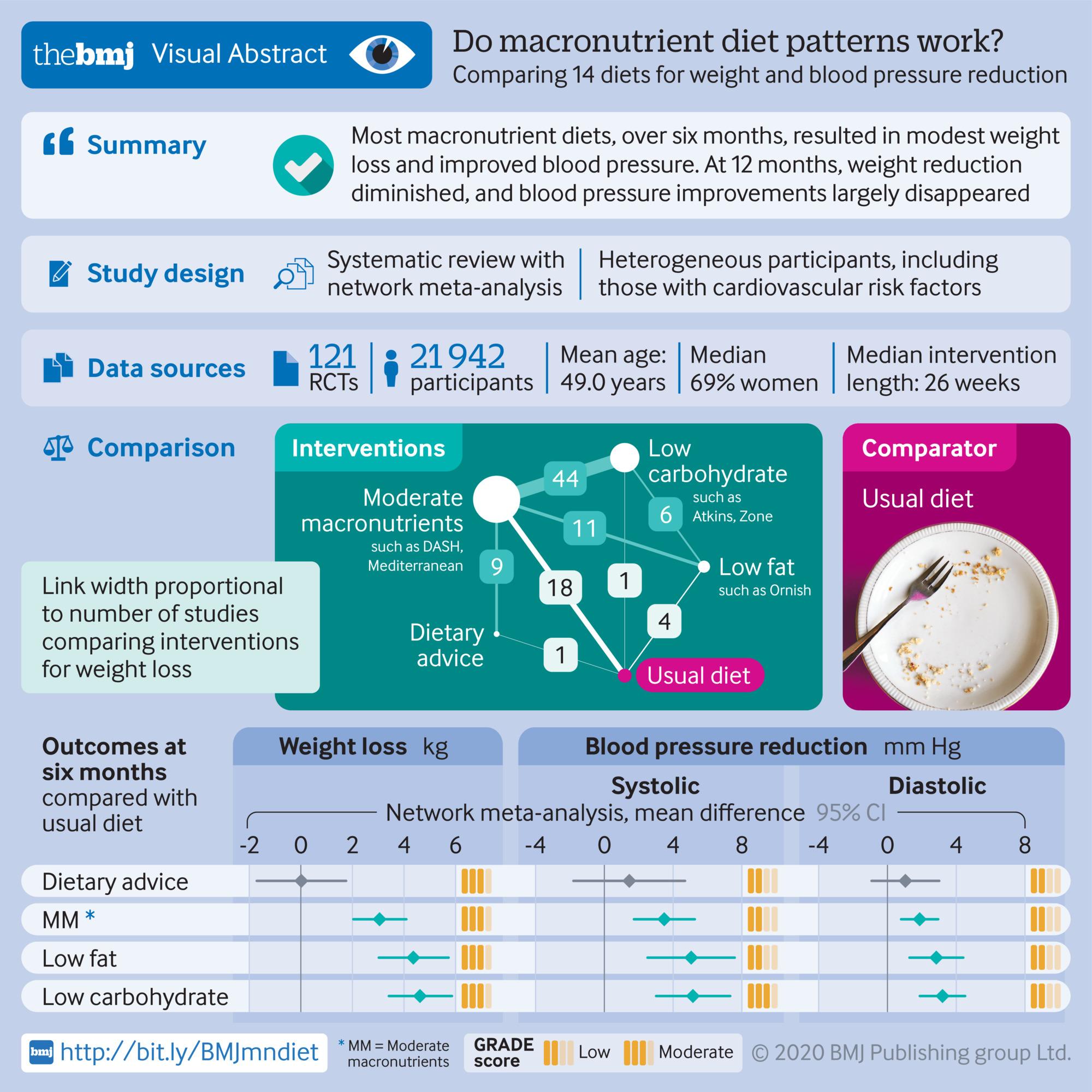
Compared with usual diet, moderate certainty evidence supports modest weight loss and substantial reductions in systolic and diastolic blood pressure for low carbohydrate (eg, Atkins, Zone), low fat (eg, Ornish), and moderate macronutrient (eg, DASH, Mediterranean) diets at six but not 12 months. Differences between diets are, however, generally trivial to small, implying that people can choose the diet they prefer from among many of the available diets (fig 6) without concern about the magnitude of benefits.
Introduction
The worldwide prevalence of obesity nearly tripled between 1975 and 2018.1 In response, authorities have made dietary recommendations for weight management and cardiovascular risk reduction.23 Diet programmes—some focusing on carbohydrate reduction and others on fat reduction—have been promoted widely by the media and have generated intense debates about their relative merit. Millions of people are trying to lose weight by changing their diet. Thus establishing the effect of dietary macronutrient patterns (carbohydrate reduction v fat reduction v moderate macronutrients) and popular named dietary programmes is important.
Biological and physiological mechanisms have been proposed to explain why some dietary macronutrient patterns and popular dietary programmes should be better than others. A previous network meta-analysis, however, suggested that differences in weight loss between dietary patterns and individual popular named dietary programmes are small and unlikely to be important.4 No systematic review and network meta-analysis has examined the comparative effectiveness of popular dietary programmes for reducing risk factors for cardiovascular disease, an area of continuing controversy.
Nathan Pritikin was a college dropout who became an entrepreneur. While doing research for the government during World War II, he observed that populations that had extremely limited food availability because of the war had substantially reduced mortality from cardiovascular disease—something unexpected at a time when cardiovascular disease was thought to be due to stress.
After the war when food became more available CVD death rates went back up, resulting in Pritikin concluding that CVD was related to diet. Pritikin devised his own very low-fat diet that bears his name and the diet is still in use 65 years later.
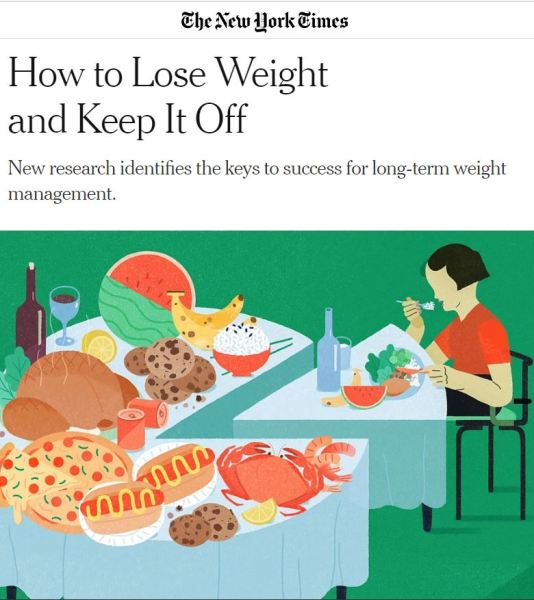
From a New York Times online article (March 16, 2020):
“Maintaining weight loss can get easier over time. Over time, less intentional effort, though not no effort, is needed to be successful. After about two years, healthy eating habits become part of the routine. Healthy choices become more automatic the longer people continue to make them. They feel weird when they don’t.”
Among the useful strategies identified in the new study is to keep lower calorie foods like fruits and vegetables more accessible. “We eat what we see,” Dr. Phelan noted. The corollary is equally important: keep high-calorie, less nourishing foods relatively inaccessible and out of sight if not out of the house entirely.
The new study led by Dr. Phelan, professor of kinesiology and public health at California Polytechnic State University, identified habits and strategies that can be keys to success for millions. Yes, like most sensible weight-loss plans, they involve healthful eating and regular physical activity. But they also include important self-monitoring practices and nonpunitive coping measures that can be the crucial to long-term weight management.











 Two daily fasting diets, also known as time-restricted feeding diets, are effective for weight loss, according to a new study published by researchers from the University of Illinois at Chicago.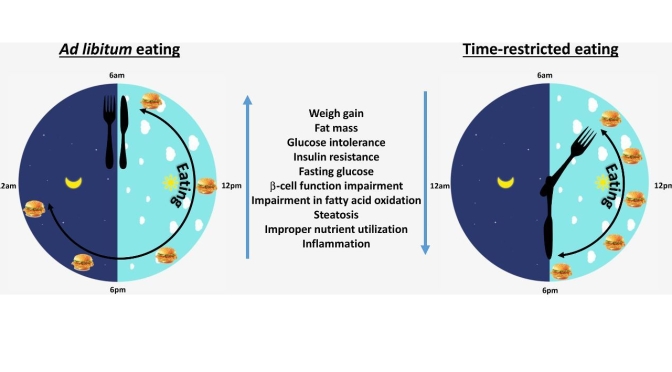
 …the beneficial effects of TRE are dose dependent, with greater reductions in body weight, fat mass, and improvement in glucose tolerance when a 9-h protocol was implemented versus 12 and 15 h. The optimal TRE time frame to recommend for people has not been tested. Clear improvements have been noted after 6-, 8-, 9-, and 10-h protocols. It is likely that the greater time restriction would result in greater weight losses, which may maximize the metabolic benefits.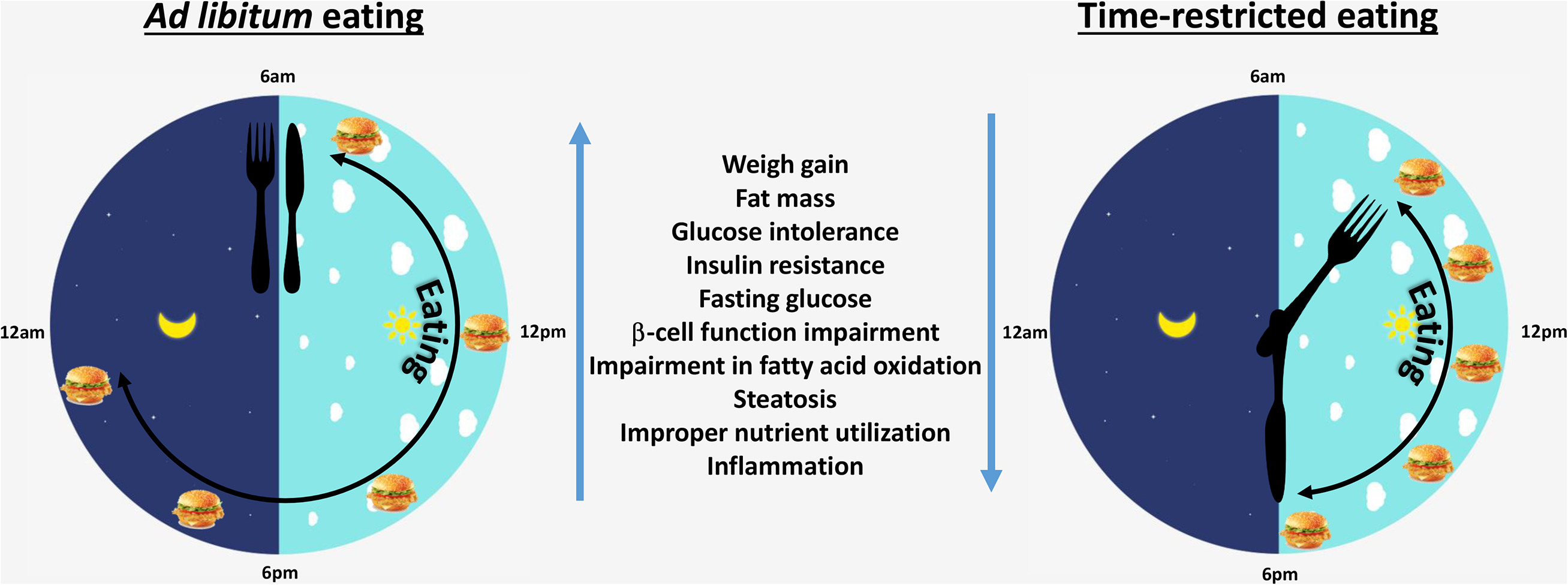


 Nathan Pritikin was a college dropout who became an entrepreneur. While doing research for the government during World War II, he observed that populations that had extremely limited food availability because of the war had substantially reduced mortality from cardiovascular disease—something unexpected at a time when cardiovascular disease was thought to be due to stress.
 “Maintaining weight loss can get easier over time. Over time, less intentional effort, though not no effort, is needed to be successful. After about two years, healthy eating habits become part of the routine. Healthy choices become more automatic the longer people continue to make them. They feel weird when they don’t.”
 Boomers Daily