8K resolution refers to an image or display resolution with a width of approximately 8,000 pixels. 8K UHD is the highest resolution defined in the Rec. 2020 standard. 8K display resolution is the successor to 4K resolution. TV manufacturers pushed to make 4K a new standard by 2017.
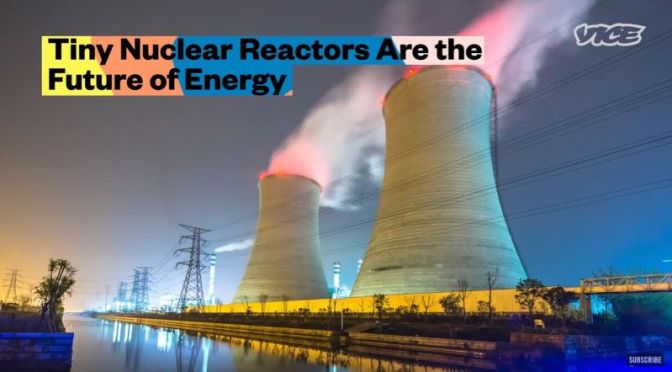
Nuclear energy accounts for nearly 20% of electricity generated in the US, more than wind, solar and hydro combined. But now, new nuclear reactor designs could bring far more widespread use and public acceptance of this powerful form of energy.
X-energy is an American private nuclear reactor and fuel design engineering company. It is developing a Generation IV high-temperature gas-cooled nuclear reactor design.
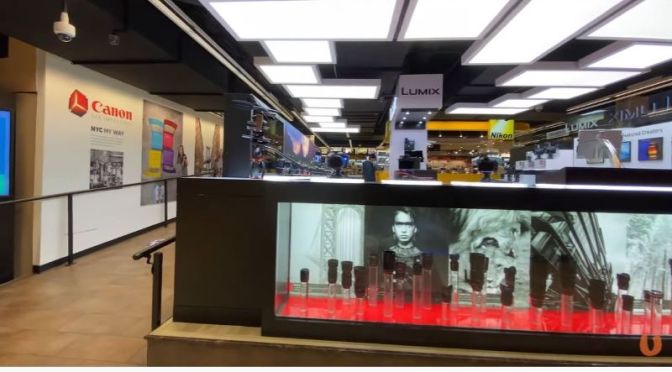
B&H Photo Video (also known as B&H Photo and B&H and B&H Foto & Electronics Corporation) is an American photo and video equipment retailer founded in 1973, based in Manhattan, New York City.[1] B&H conducts business through online e-commerce consumer sales, business to business sales, and its one retail location. Customers engage with B&H via its websites, retail store, phone sales and customer service, email, and chat channels.
B&H stands for Blimie & Herman, the founders of the store. B&H was named the leading online consumer electronics retailer by Consumers Reports for 2018. Newsweek named B&H as one of America’s Top Companies for Customer Service for 2019, with top position in the consumer electronics category based on over 130,000 customer evaluations. In 2018, Forbes named B&H as one of America’s Best Mid-Size Employers. Also in 2018, B&H’s consumer website was recognized as the Best for User Experience of any e-commerce company by the Baymard Institute.
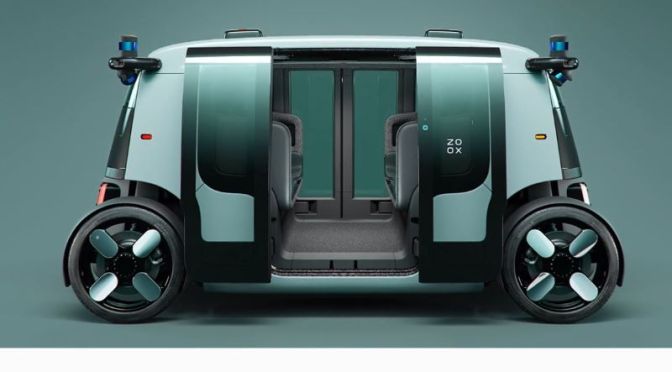
Testing and AR After getting acquired by Amazon in the middle of this year, Zoox unveils its first fully functional, electric autonomous vehicle. The company, which is an independent subsidiary under Amazon, said that this driverless taxi is designed for dense and urban environments.
According to the release, Zoox was founded in 2014 and used a combination of artificial intelligence, robotics, vehicle design, and sustainable energy to reinvent personal transportation. They envision a safer, cleaner, and more enjoyable future for everyone. Zoox robotaxi has a carriage design and can accommodate up to four passengers seated face-to-face. Yes, there isn’t any steering wheel as the taxi is completely driverless. Apart from that, it can reach speeds of up to 75 miles per hour (121 kilometers per hour), as well as offers bidirectional capabilities and four-wheel steering. At only 3.63 meters (12 feet) long, it is compact enough to fit tight spaces and can change directions without the need to reverse. Power comes from a 133 kWh battery, which allows Zoox’s robotaxi to operate for 16 straight hours on a single charge. This battery capacity is one of the biggest available in the market as of date.
Apart from those, the Zoox autonomous taxi is claimed to bear 100 safety features that aren’t found on normal vehicles with drivers. These tech toys include an envelope airbag for carriage seating, touted as an equivalent to a five-star crash safety rating for all four seats. The vehicle also uses a combination of cameras, radar, and LIDAR to have a 270-degree field of view on all four corners of the vehicle, virtually eliminating all blind spots. The Zoox driverless taxi is currently in its testing phase in Las Vegas, San Francisco, and Foster City.
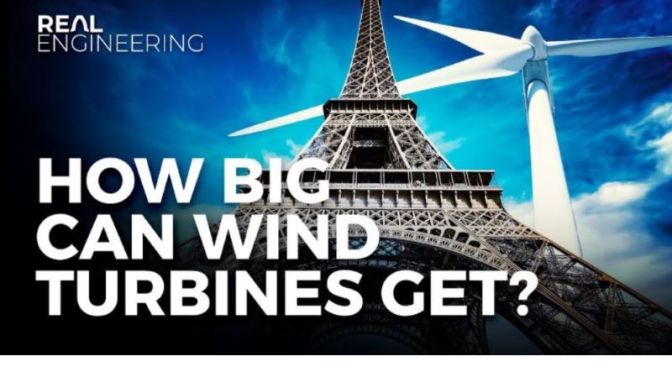
A wind turbine, or alternatively referred to as a wind energy converter, is a device that converts the wind’s kinetic energy into electrical energy. Wind turbines are manufactured in a wide range of vertical and horizontal axis.
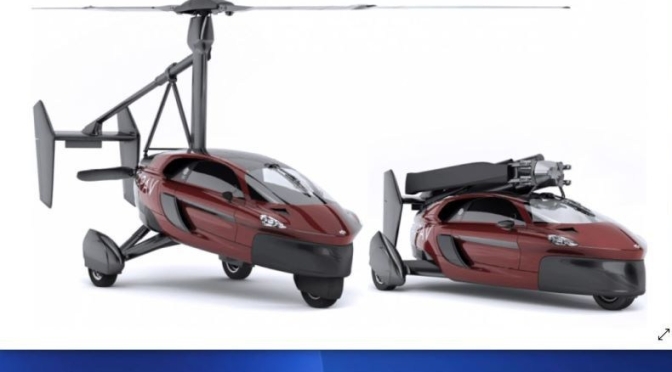
The world’s first-ever commercial flying car was recently unveiled by Dutch vehicle manufacturer PAL-V. Here’s what that means for our roads (and our skies).
Starting with the undercarriage, which PAL-V credits as their main breakthrough. The company was looking for a three-wheeled design that could still be stable when turning at normal road-going speeds.
In 2005, they discovered the work of another Dutch company, Carver, which made 3-wheeled cars that tilted like motorcycles. A hydraulic tilting system like that could eliminate the need for a 4th wheel and also be useful to raise the whole vehicle up, giving it ground clearance for a rear-facing propeller. Then there was the matter of generating lift.
Fixed wing aircraft need air to move over their wings fast enough to stay aloft, otherwise they’ll stall. A fixed wing flying car has to compromise the size and shape of its wings in the name of practicality, meaning its risk of stalling is higher. So PAL-V chose a rotary wing design instead, but rather than make their flying car a helicopter, they decided it should be an autogyro.
“In driving mode the Liberty can go up to 99 miles per hour, and in flight mode its max speed is 112 miles per hour. For comparison’s sake, the average helicopter can go up to about 160 miles per hour.”
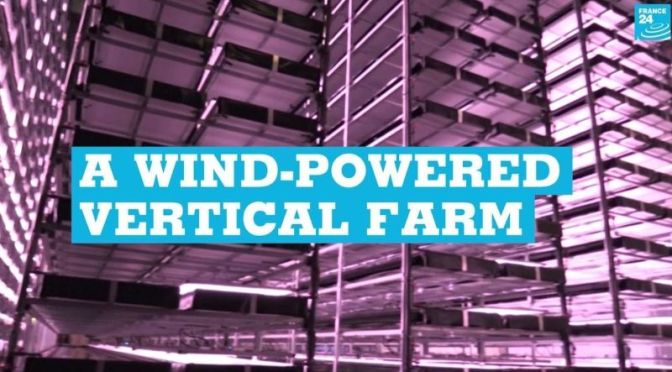
Inside a warehouse in an industrial zone in Copenhagen vast stacks of plants soar almost to the ceiling. In time, this newly opened vertical farm will be one of the largest in Europe, while power from Denmark’s windfarms will ensure it is carbon-neutral, according to the company behind it.
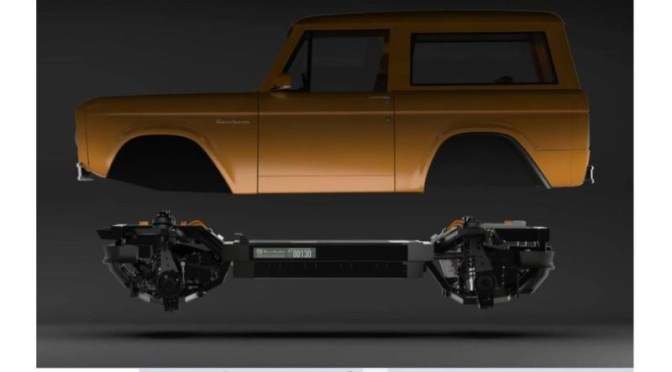
After more than 5 years of engineering and testing and use in all 2020/2021 full vehicle rebuilds, we are now proud to offer electric platforms which are designed to transform four gasoline and diesel vehicle formats each with numerous makes, models and size configurations. Final specifications and full list of available model sizes will be available prior to manufacturing.
Imagine a robot trained to think, respond, and behave using you as a model. Now imagine it assuming one of your roles in life, at home or perhaps at work. Would you trust it to do the right thing in a morally fraught situation?
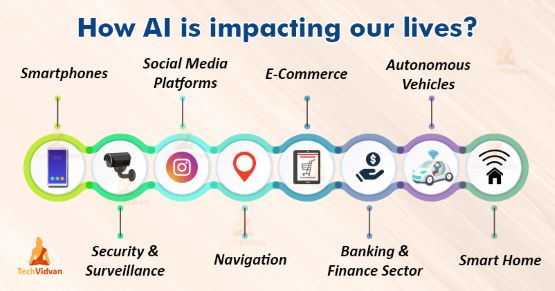
That’s a question worth pondering as artificial intelligence increasingly becomes part of our everyday lives, from helping us navigate city streets to selecting a movie or song we might enjoy — services that have gotten more use in this era of social distancing. It’s playing an even larger cultural role with its use in systems for elections, policing, and health care.




 Boomers Daily