
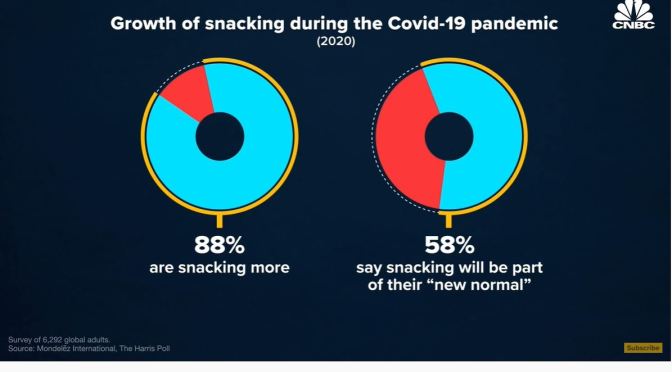
With Americans stuck at home, snack food has become a valuable commodity for the pandemic stressed consumer. North American sales of savory snacks like chips, popcorn, and pretzels climbed to $56.9 billion in 2020. In stressful times, people turn to snacking for comfort and Covid-19 has transformed kitchens across the U.S. into giant vending machines. So, has Covid-19 put an end to the shift to healthier snacks?
Tag Archives: Food

Texas Food: Dry-Rub, Pit Smoked Barbecue (Video)
From a dry rub starring brown sugar, guajillo chiles and smoked paprika to the low & slow mesquite smoke, Boar’s Head NEW Bold PitCraft™ Slow Smoked Turkey Breast brings the taste of real pit BBQ straight to your local deli.
Sponsored by Boar’s Head
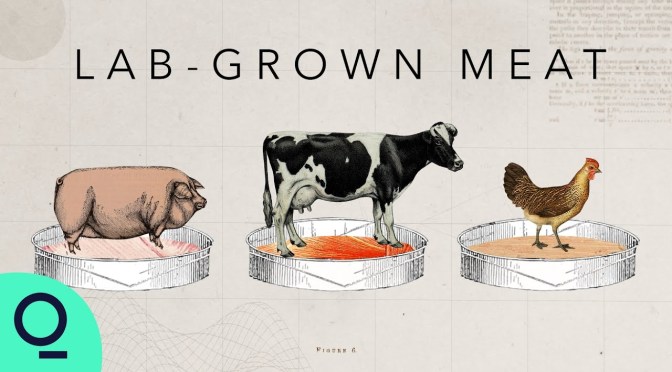
Future Of Food: ‘Lab-Grown Meat’ (Video)
Companies around the world are beginning to commercialize “cultured” meat products, developed by growing animal cells in a lab rather than killing living creatures.
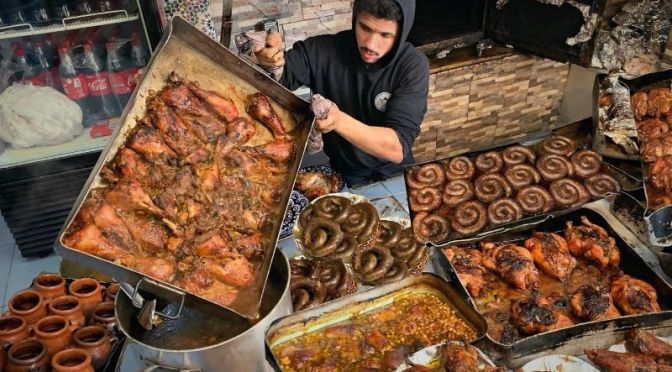
Culinary Travel: ‘Street Food In Oujda, Morocco’
The array of street food in Morocco is quite vast and includes tea time and breakfast sweets, simple snacks, sandwiches, soups, grilled meats and seafood, fried fish and hearty main dishes such as stewed lentils, rotisserie chicken and classic tagines. The recipes below are all foods that can found while walking Moroccan streets and souks.
Oujda is a city in northeast Morocco, near the Algerian border. It’s known for its Great Mosque, built in the late 13th century, with intricate carved wood and mosaic tiling. The mosque is in the old town, or medina, behind ramparts and the imposing Sidi Abdelouahab gate. Numerous shops and souks sell fruit, spices, jewelry and traditional clothing. The Art Gallery of Oujda shows modern and traditional Eastern art.
Morocco, a North African country bordering the Atlantic Ocean and Mediterranean Sea, is distinguished by its Berber, Arabian and European cultural influences. Marrakesh’s medina, a mazelike medieval quarter, offers entertainment in its Djemaa el-Fna square and souks (marketplaces) selling ceramics, jewelry and metal lanterns. The capital Rabat’s Kasbah of the Udayas is a 12th-century royal fort overlooking the water.
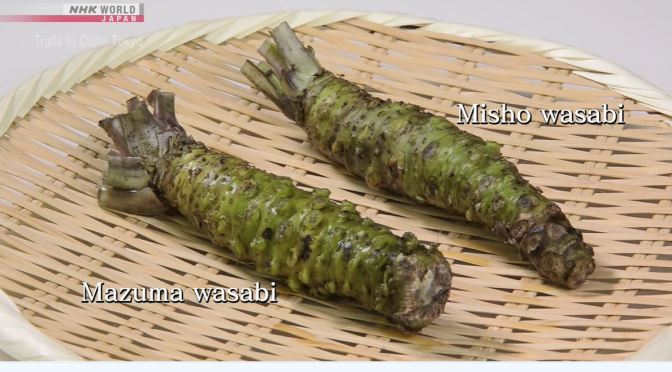
Food Insider: ‘Wasabi – Japanese Horseradish’
See what’s up with wasabi (Japanese horseradish), the root with a pungent punch that plays an important role in Japanese cuisine.
Wasabi or Japanese horseradish is a plant of the family Brassicaceae, which also includes horseradish and mustard in other genera. A paste made from its ground rhizomes is used as a pungent condiment for sushi and other foods.

Analysis: ‘Food Delivery Apps vs Restaurants’ (WSJ)
Demand for food delivery has soared amid the pandemic, but restaurants are struggling to survive. In a fiercely competitive industry, delivery services are fighting to gain market share while facing increased pressure to lower commission fees and provide more protection to their workers. Video/Photo: Jaden Urbi/WSJ
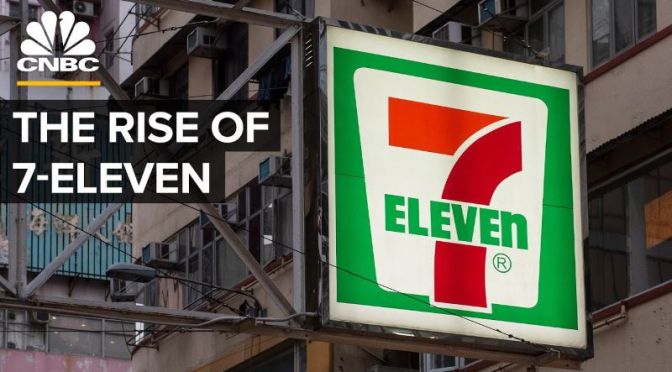
Analysis: Rise Of 7-Eleven Convenience Stores
7-Eleven, home of the 64-ounce Double Gulp and the Pina Colada Slurpee, has helped revolutionize the way we shop at convenience stores. In March 2019, the 90-year-old brand launched its first Evolution Store. Featuring fresh food options and specialty alcohol, the new store concept is aimed at a new generation of consumers. And with consumer behavior changing due to Covid-19, the convenience store industry could be on the verge of a profound change.
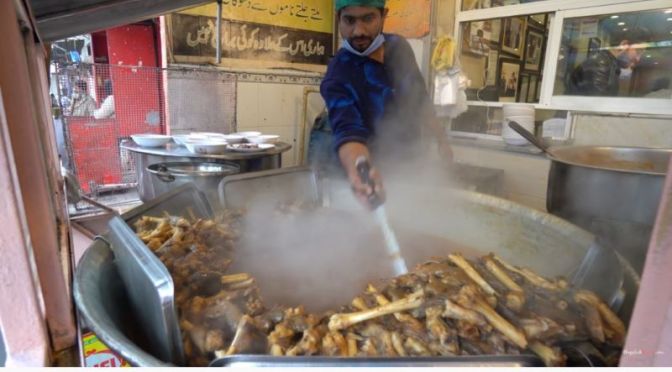
Culinary Travel: Street Food In Lahore, Pakistan
We are in LAHORE PAKISTAN to kick off the PAKISTANI STREET FOOD series! In this video, we will be taking you to eat traditional and famous foods of ancient Lahore. Lahore is home to unique and rich Punjabi cuisine and you can really feel the history as you wind through its ancient Walled City. We will be trying dishes like Halwa Puri, Siri Paye, Lahori Chicken Biryani, and Chicken Tawa. We will also be getting our fill of Pakistani Chai known as Doodh Patti. In between bites, we will be exploring the must-see sights of Lahore, including: Lahore Fort, the Sheesh Mahal (Palace of Mirrors), Badshahi Mosque and the Gawalmandi Food Street.
List of places visited: 1 – Taj Mahal Sweets تاج محل سویٹ 4 Fort Rd, Shahi Mohallah Walled City of Lahore, Lahore, Punjab, Pakistan 2 – Asil Phajja Siri Paye 1168 Chowk Nagazah، Shahi Mohallah Walled City of Lahore, Lahore, Pakistan 3 – Doodh Patti Chai Near Shah Tawa Piece 4 – Lahore Fort, Sheesh Mahal and Badshahi Mosque Fort Rd, Walled City of Lahore, Lahore, Punjab, Pakistan 5 – Waqas Biryani وقاص بریانی Kacha Hall Rd, Garhi Shahu, Lahore, Punjab, Pakistan 6 – Arif Chatkhara 1168-A Chowk Nagazah، Shahi Mohallah Walled City of Lahore, Punjab, Pakistan
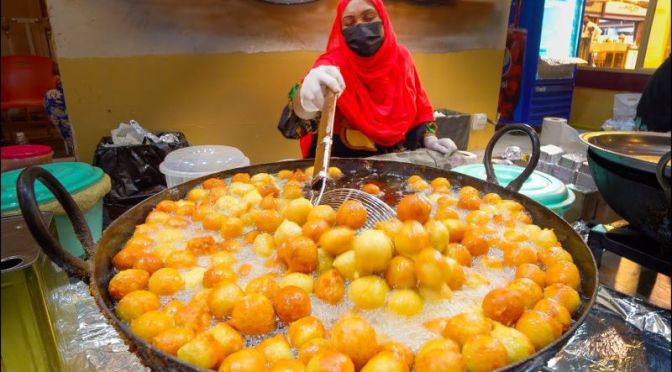
Culinary Travel: ‘Street Food’ In Dubai, UAE (Video)
Dubai is a city and emirate in the United Arab Emirates known for luxury shopping, ultramodern architecture and a lively nightlife scene. Burj Khalifa, an 830m-tall tower, dominates the skyscraper-filled skyline. At its foot lies Dubai Fountain, with jets and lights choreographed to music. On artificial islands just offshore is Atlantis, The Palm, a resort with water and marine-animal parks.
This is our 2nd video from our STREET FOOD in DUBAI series. This time we are taking you to some of the BEST local restaurants and street foods that Dubai has to offer! We are starting the day with a delicious Egyptian hummus with beef and pine nuts and specialty foul (fava beans) at a shop called Foul w Hummus. They serve unlimited bread and a dish of pickles with the dishes. This restaurant has amazing quality food for a good price. Those that can’t afford the food can eat for free. After breakfast, we visited the Public Beach. It is a great place to view the Burj Al Arab, but also locals and tourists visit to swim, surf and enjoy the weather. It was especially nice in December, where it wasn’t too hot. For lunch, we visited a famous restaurant for seafood. Bu Qtair specialized in fish and prawns. The fresh fish and prawns are marinated in a mixture of spices and then are fried. They are served with rice and a curry. Next, we head to the Burj Khalifa (tallest building in the world) which is one of Dubai’s top attraction. The Burj Khalifa has unobstructed views over Dubai, but is quite expensive to enter. We recommend seeing it from the base, which is free and equally awesome. For dinner, we head to a restaurant which has a reputation for having the BEST Pakistani food in Dubai, Ravi Restaurant. There are many dishes to try, but we chose to try their dal fry, mutton Peshawari and chicken tikka. The naan served with the meal was DELICIOUS! Finally for dessert, we wanted to try an Emirati specialty – luqaimat. Luqaimat are small balls of dough which are fried until golden brown. You can get a variety of toppings, but the traditional topping is a thick date syrup and sesame seeds. These are served across the UAE, but we visited the shop in Global Village. This isn’t the most authentic version, but it was interesting to watch the women make this dessert.
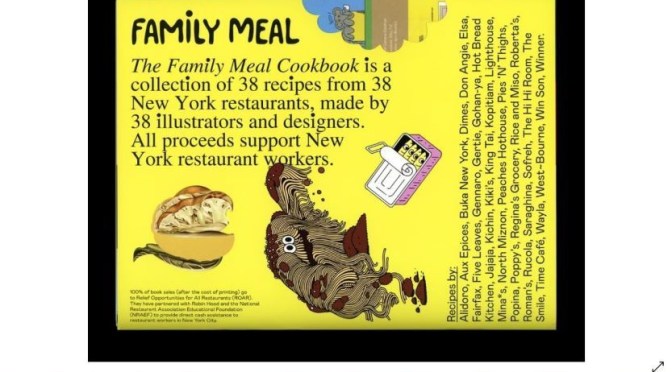
Cook Books: ‘Family Meal’ By Designers/Illustrators (Support NYC Restaurants)

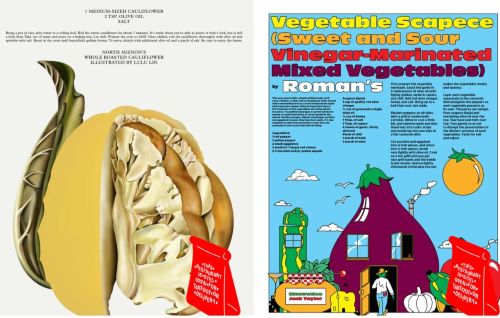
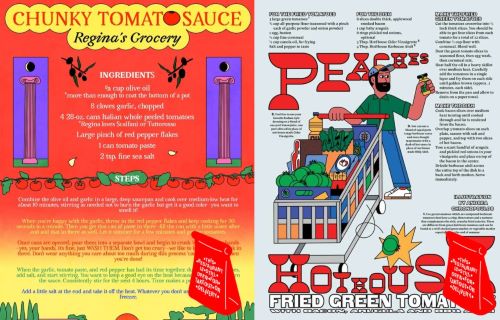
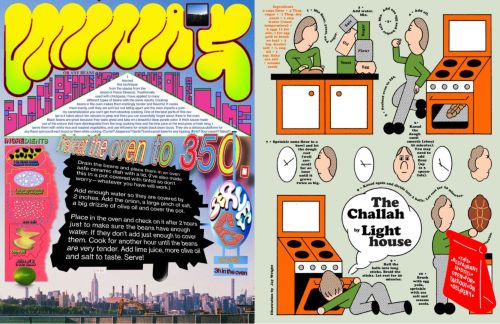
We were a website, and now we’re a cookbook. We’re a project by illustrators and designers to help raise money for New York restaurants and their employees. We’re 38 recipes from 38 restaurants for you to cook at home. And we’re a $20 donation for every book sold to New York City restaurants, through ROAR’s employee relief fund.

 Boomers Daily