The story of the “Atlantis of the North Sea” is one about our impermanence and ultimate futility against the elements. But within it also lies a warning of our potential future in an age of climate change.
In this issue, Kim Tingley on the quest to make the most of our body clocks with “circadian medicine”; Virginia Eubanks on her partner’s PTSD and her struggle as a caregiver; Mark Binelli on Yuval Sharon, the most visionary opera director of his generation; Jake Bittle on the restaurateur who changed America’s energy industry; and more.
Satchin Panda is a professor in Salk’s Regulatory Biology Laboratory. He explores the genes, molecules and cells that keep the whole body on the same biological clock, also known as a circadian rhythm. On this episode of Where Cures Begin, Panda talks about what a biological clock is, how living in sync with your clock can improve your health, and how growing up in India informed his research.
…the beneficial effects of TRE are dose dependent, with greater reductions in body weight, fat mass, and improvement in glucose tolerance when a 9-h protocol was implemented versus 12 and 15 h. The optimal TRE time frame to recommend for people has not been tested. Clear improvements have been noted after 6-, 8-, 9-, and 10-h protocols. It is likely that the greater time restriction would result in greater weight losses, which may maximize the metabolic benefits.
Eating out of phase with daily circadian rhythms induces metabolic desynchrony in peripheral metabolic organs and may increase chronic disease risk. Time-restricted eating (TRE) is a dietary approach that consolidates all calorie intake to 6- to 10-h periods during the active phase of the day, without necessarily altering diet quality and quantity.
TRE reduces body weight, improves glucose tolerance, protects from hepatosteatosis, increases metabolic flexibility, reduces atherogenic lipids and blood pressure, and improves gut function and cardiometabolic health in preclinical studies. This review discusses the importance of meal timing on the circadian system, the metabolic health benefits of TRE in preclinical models and humans, the possible mechanisms of action, the challenges we face in implementing TRE in humans, and the possible consequences of delaying initiation of TRE.
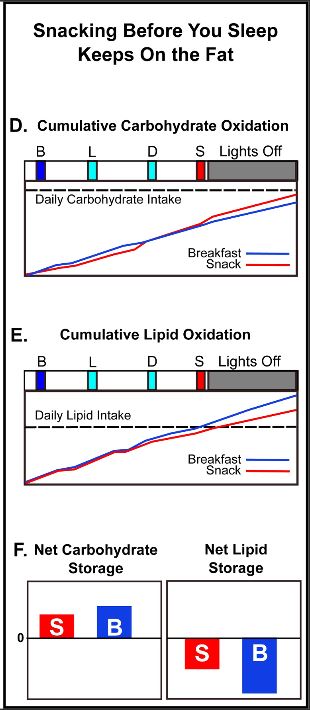
Schematic: Late-evening snacking interacts with the circadian rhythm of metabolism to inhibit LO.
The major finding of this study is that the timing of feeding over the day leads to significant differences in the metabolism of an equivalent 24-h nutritional intake. Daily timing of nutrient availability coupled with daily/circadian control of metabolism drives a switch in substrate preference such that the late-evening Snack Session resulted in significantly lower LO compared to the Breakfast Session.
Developed countries are experiencing an epidemic of obesity that leads to many serious health problems, foremost among which are increasing rates of type 2 diabetes, metabolic syndrome, cardiovascular disease, and cancer. While weight gain and obesity are primarily determined by diet and exercise, there is tremendous interest in the possibility that the daily timing of eating might have a significant impact upon weight management [1–3]. Many physiological processes display day/night rhythms, including feeding behavior, lipid and carbohydrate metabolism, body temperature, and sleep.
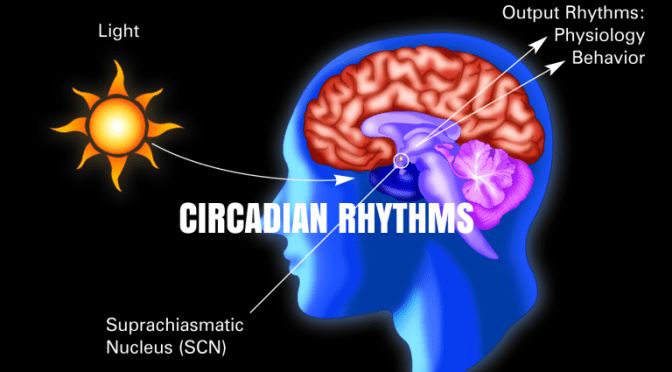
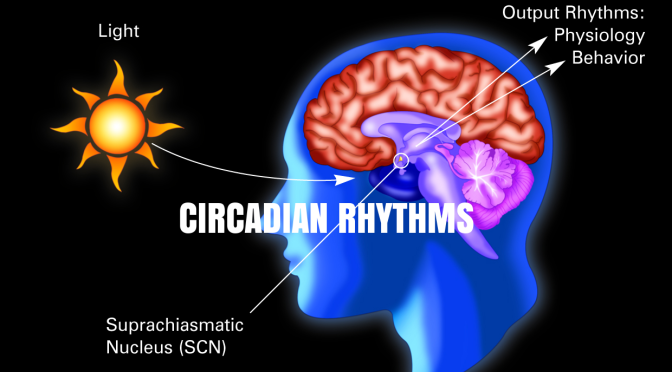
These daily oscillations are controlled by the circadian clock, which is composed of an autoregulatory biochemical mechanism that is expressed in tissues throughout the body and is coordinated by a master pacemaker located in the suprachiasmatic nuclei of the brain (aka the SCN [1,4]). The circadian system globally controls gene expression patterns so that metabolic pathways are differentially regulated over the day, including switching between carbohydrate and lipid catabolism [1,3,5–9]. Therefore, ingestion of the same food at different times of day could lead to differential metabolic outcomes, e.g., lipid oxidation (LO) versus accumulation; however, whether this is true or not is unclear.
From a MedPageToday.com online article (March 2, 2020):
“Dysfunctional sleep likely is by far the most prevalent comorbidity in CVD. This makes it essential to explore the nature of sleep, but this is reliant on the enthusiasm of clinician scientists,” according to the editorialists.
“In modern society, both the quantity and quality of sleep are negatively influenced by factors such as longer hours of work, more shift work, artificial light and cell phones, all leading to self-reported daytime symptoms such as fatigue, tiredness, and sleepiness,”
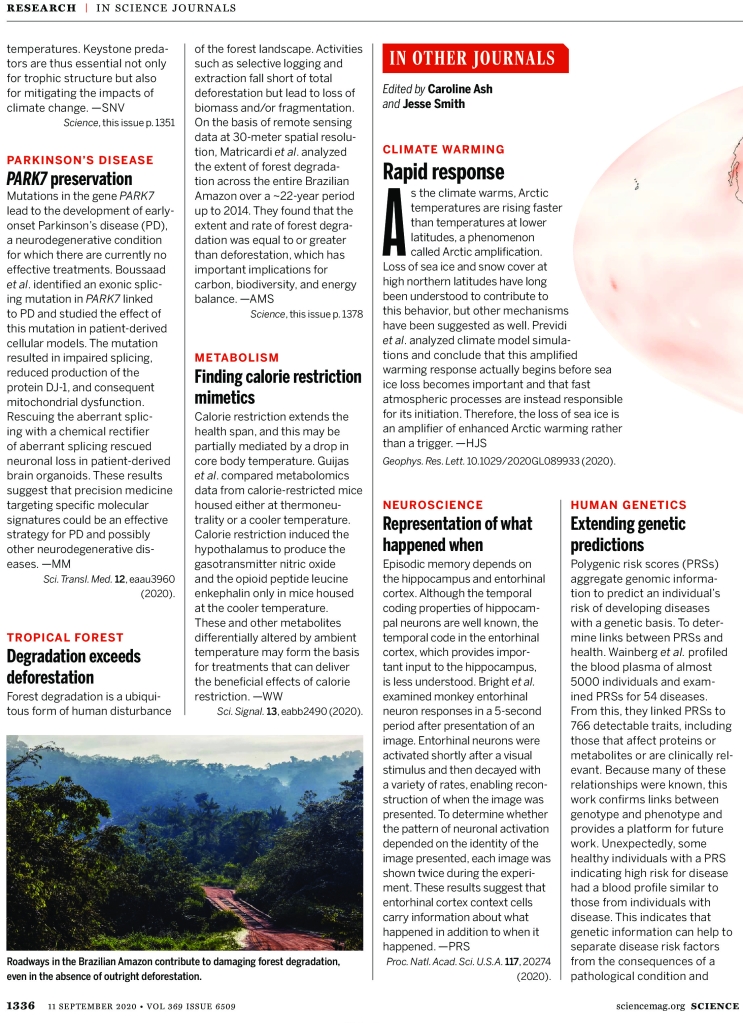
The more variable a person’s sleep schedule, the greater his or her risk of cardiovascular disease (CVD), data from the Multi-Ethnic Study of Atherosclerosis (MESA) showed.
A larger range in individual sleep duration and sleep timing across 7 days of wrist actigraphy was associated with significantly more CVD events over a median 4.9 years of follow-up (P=0.002 for both trends).
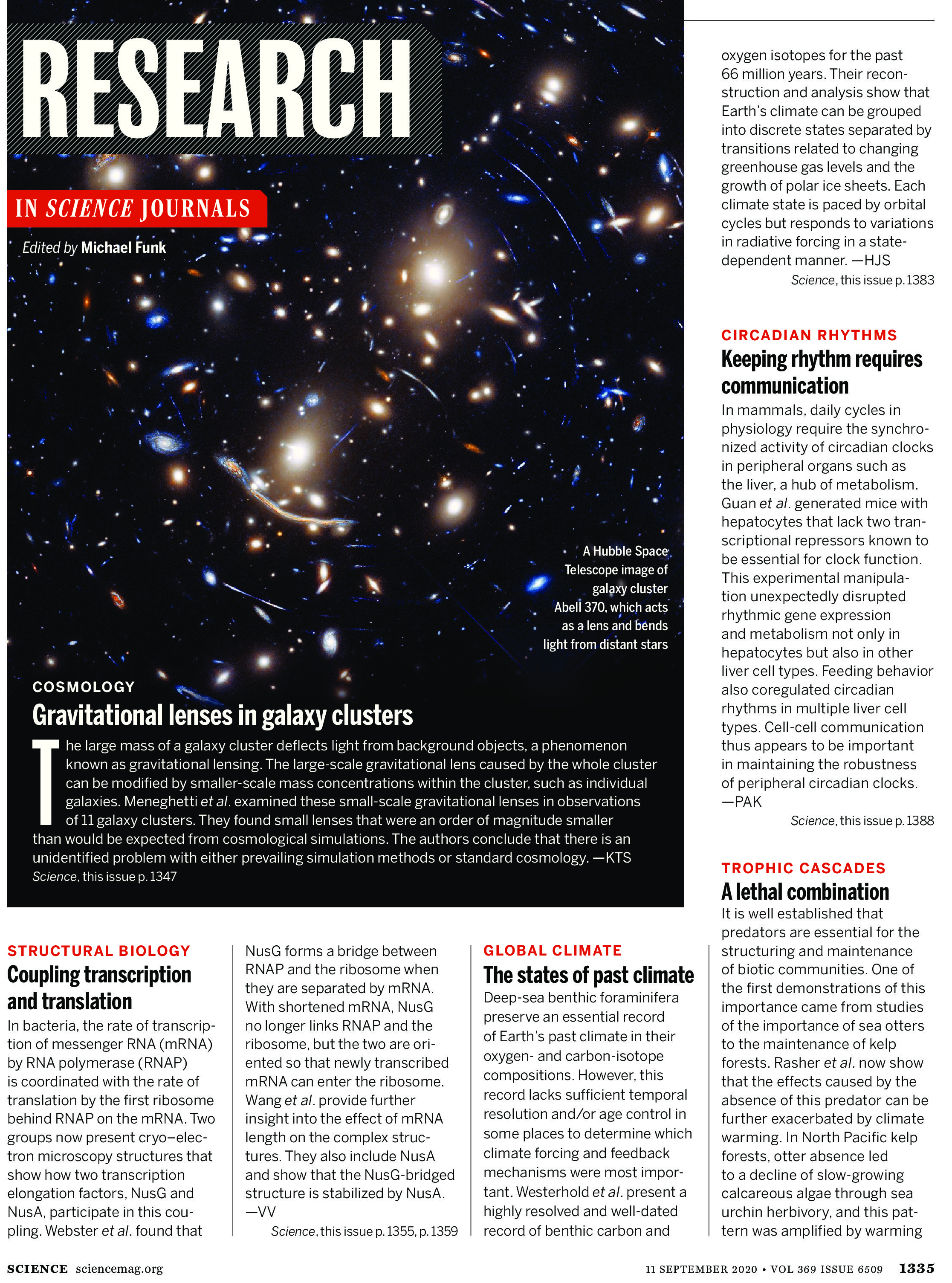
By comparing the pancreatic cells of type 2 diabetic human donors with those of healthy people, researchers at the University of Geneva (UNIGE) and at the University Hospitals of Geneva (HUG), Switzerland, were able to demonstrate, for the first time, that the pancreatic islet cells derived from the Type 2 Diabetic human donors bear compromised circadian oscillators.
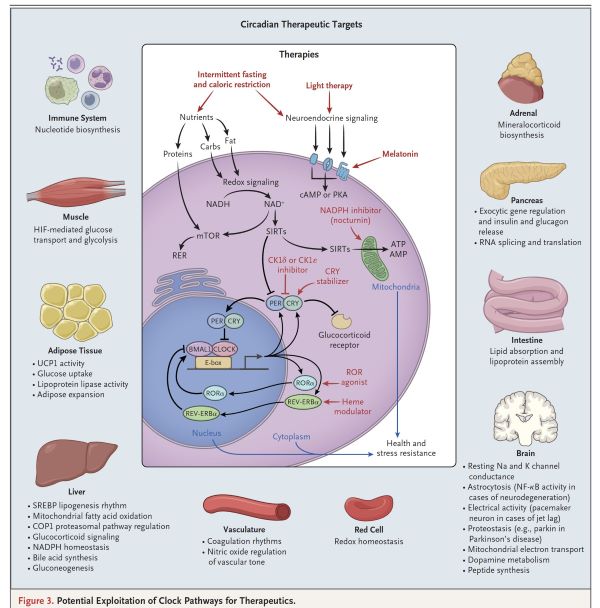
The disruption of the circadian clocks was concomitant with the perturbation of hormone secretion. Moreover, using clock modulator molecule dubbed Nobiletin, extracted from lemon peel, the researchers succeeded in “repairing” the disrupted cellular clocks and in partial restoring of the islet cell function. These results, published in the Proceedings of the National Academy of Sciencesof the United States, provide a first insight into innovative approach for diabetes care.
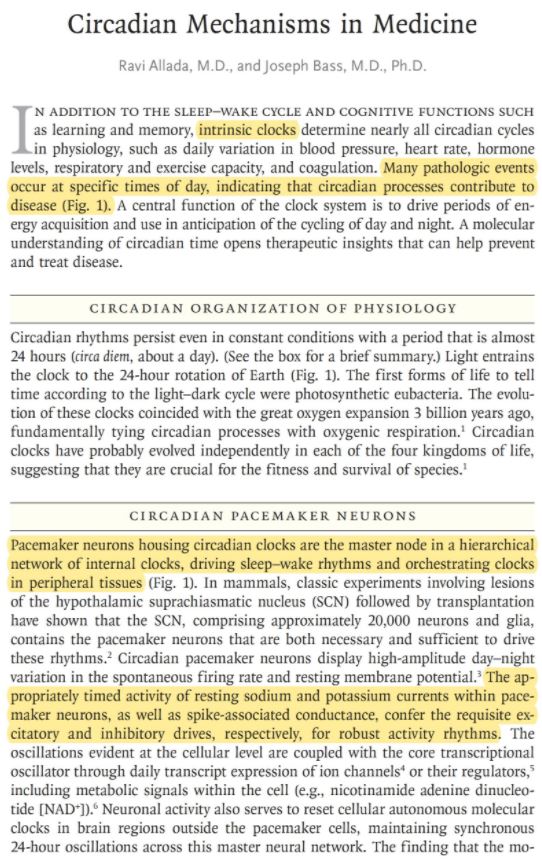
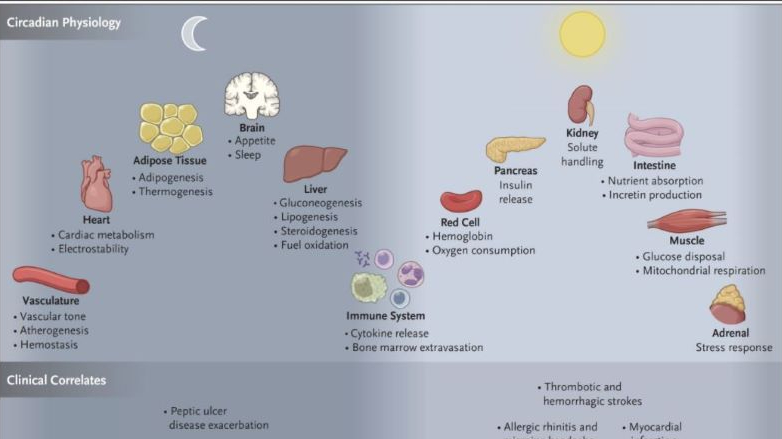
The circadian clock system (from Latin “circa diem”, about a day) allows the organisms to anticipate periodical changes of geophysical time, and to adjust to these changes. Nearly all the cells in our body comprise molecular clocks that regulate and synchronize metabolic functions to a 24-hour cycle of day-night changes.
Today, increasing evidence show that disturbances in our internal clocks stemming from frequent time zone changes, irregular working schedules or ageing, have a significant impact on the development of metabolic diseases in human beings, including type-2 diabetes. Such disturbances seem to prevent the proper functioning of the cells in the pancreatic islet that secrete insulin and glucagon, the hormones that regulate blood sugar levels.










 …the beneficial effects of TRE are dose dependent, with greater reductions in body weight, fat mass, and improvement in glucose tolerance when a 9-h protocol was implemented versus 12 and 15 h. The optimal TRE time frame to recommend for people has not been tested. Clear improvements have been noted after 6-, 8-, 9-, and 10-h protocols. It is likely that the greater time restriction would result in greater weight losses, which may maximize the metabolic benefits.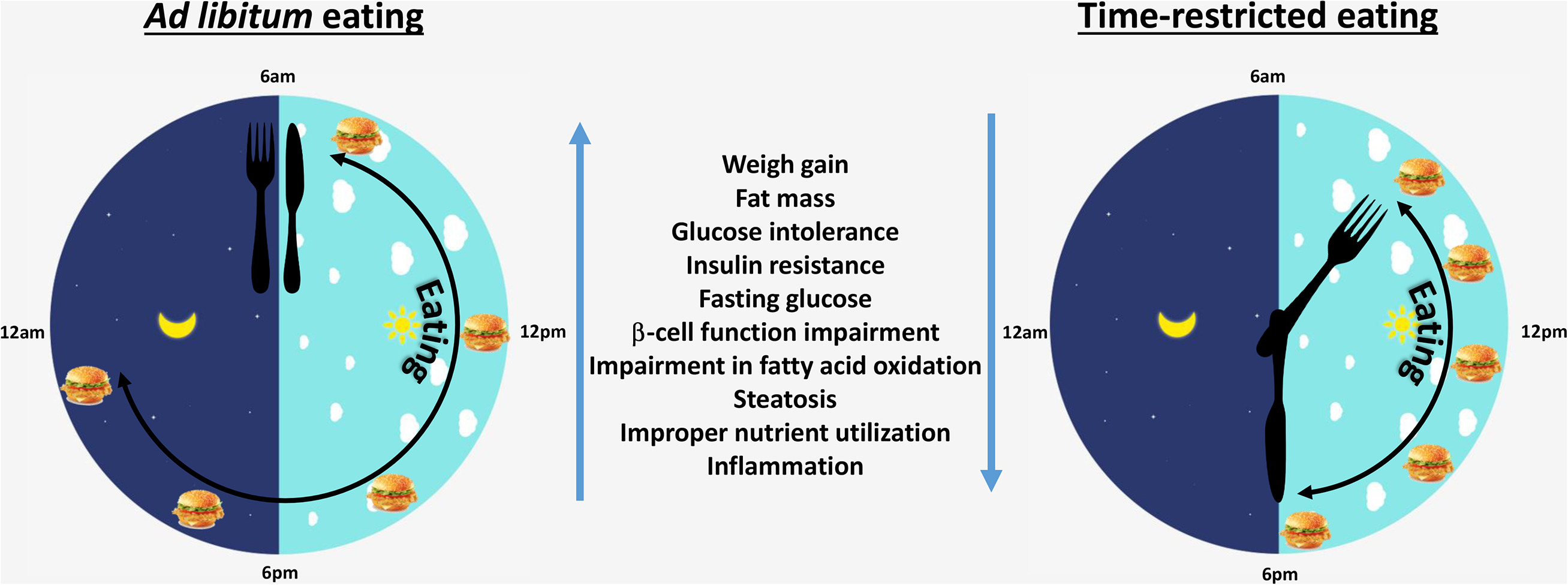


 These daily oscillations are controlled by the circadian clock, which is composed of an autoregulatory biochemical mechanism that is expressed in tissues throughout the body and is coordinated by a master pacemaker located in the suprachiasmatic nuclei of the brain (aka the SCN [
 “
“
 By comparing the pancreatic cells of type 2 diabetic human donors with those of healthy people, researchers at the University of Geneva (UNIGE) and at the University Hospitals of Geneva (HUG), Switzerland, were able to demonstrate, for the first time, that the pancreatic islet cells derived from the Type 2 Diabetic human donors bear compromised circadian oscillators.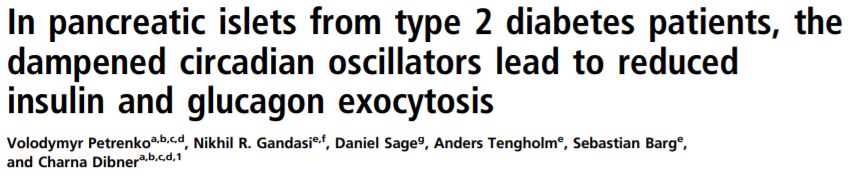
 Boomers Daily